
2007 Peterbilt Conventional Sleeper Trucks For Sale
Browse 2007 Peterbilt conventional sleeper trucks, including 379-style long hoods with sleeper cabs, big-bore power, and OTR specs.
Have 2007 peterbilt conventional sleeper truck to sell? List it here to reach thousands of buyers.
2007 Peterbilt Conventional Sleeper Trucks
Powertrain choice matters more than almost anything on a used 2007 conventional sleeper. Many trucks from this period were spec'd with Caterpillar C15 engines in ratings around 475 to 550 horsepower, while others may carry Cummins or Detroit power depending on the original application. Manual transmissions are common, including 10-speed, 13-speed, and 18-speed setups, and rear axle ratios often reflect whether the truck was built for fuel mileage, general freight, or heavier pulling. Buyers should pay attention to documented engine work, clutch history, overhead records, transmission model, and suspension type such as Peterbilt Flex Air. Wheelbase, fifth wheel style, and tire size also affect how well the truck fits flatbed, hopper, tanker, or van work.
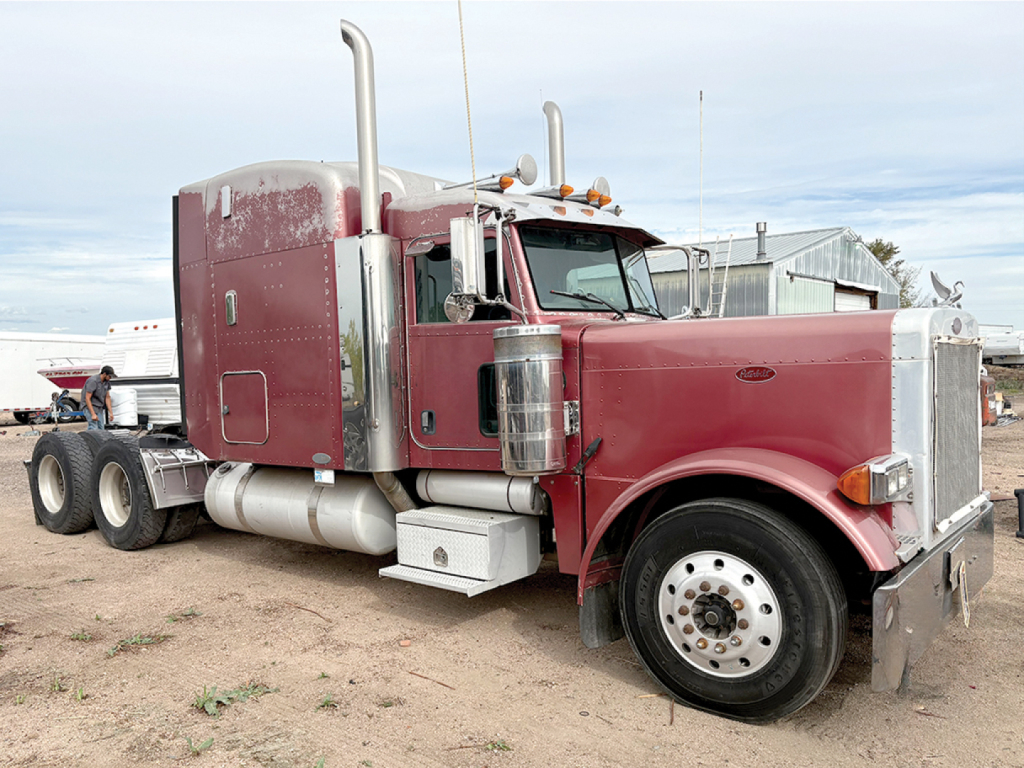
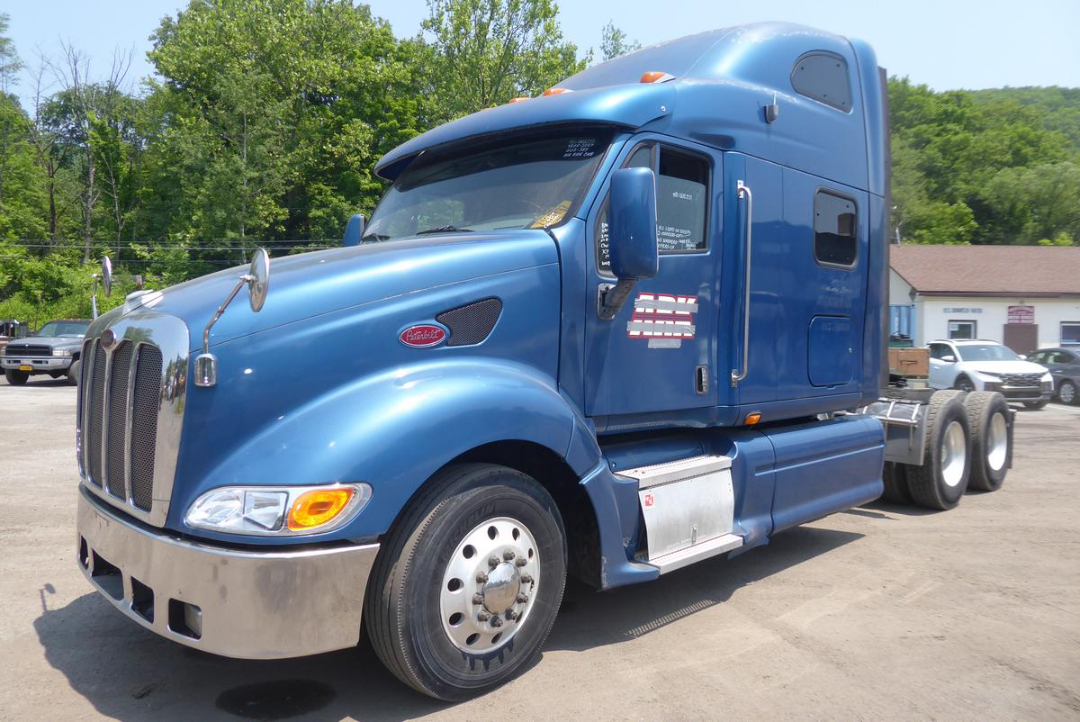
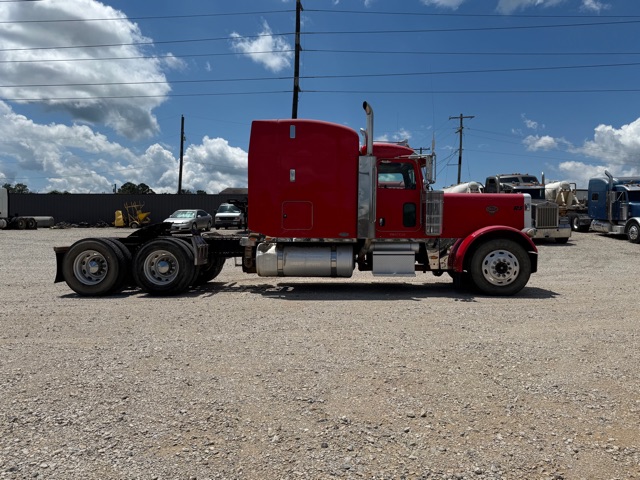
Sleeper configuration is another major buying point. A 2007 Peterbilt conventional sleeper may have a 63-inch stand-up sleeper, a 72-inch bunk, or other Unibilt layouts depending on how the truck was ordered. Interior condition matters because many of these trucks were built for long runs and owner-operator use, so the dash, seats, bunk area, gauges, and storage tell you a lot about how the truck was treated. Exterior features like dual stacks, stainless breathers, polished tanks, aluminum wheels, and quarter fenders are common on long-hood Peterbilts, but cosmetic appeal should come second to frame condition, suspension wear, steering play, and evidence of proper maintenance.
For a buyer comparing listings, the real question is not just appearance but spec match. A 2007 Peterbilt sleeper can be an excellent fit for operators who value serviceability and classic truck market demand, but the truck needs to line up with your freight, terrain, and maintenance plan. Check horsepower against gross combination weight, verify axle ratio against expected cruise speed, and confirm sleeper size against the lanes you run. On older Peterbilt conventionals, a clean service history, solid driveline, and original spec that makes sense for the job usually matter more than chrome or a fresh polish.
Frequently Asked Questions about 2007 Peterbilt Conventional Sleeper Trucks
What makes a 2007 Peterbilt conventional sleeper truck desirable on the used market?
A 2007 Peterbilt conventional sleeper is desirable because it combines the classic Peterbilt long-hood design with strong driver appeal, durable cab construction, and powertrain options that many buyers consider easier to understand and maintain than newer emissions-era trucks. Models such as the Peterbilt 379 are especially sought after for owner-operator use, custom builds, heavy haul, and over-the-road applications. Demand is usually strongest for clean, well-documented trucks with Caterpillar or Cummins power, manual transmissions, and sleeper cabs sized for OTR work.
What engine and transmission setups are common in a 2007 Peterbilt sleeper?
Common engine setups in a 2007 Peterbilt conventional sleeper include Caterpillar C15 engines and, in some trucks, Cummins or Detroit diesels depending on original spec and vocational use. Horsepower ratings often fall in the 475 to 550 horsepower range on long-hood sleeper trucks. Manual transmissions are very common, especially 10-speed, 13-speed, and 18-speed gearboxes. The right combination depends on the work. A 13-speed or 18-speed with a higher horsepower engine is often preferred for heavy haul, mountain work, and specialized freight, while a milder spec may be enough for general highway service.
How important is sleeper size on a 2007 Peterbilt conventional?
Sleeper size is a major factor because it affects driver comfort, storage, weight, wheelbase, and how the truck fits your operation. Many 2007 Peterbilt sleeper trucks were built with 63-inch or 72-inch Unibilt sleepers, including stand-up configurations. A larger sleeper usually improves livability for teams or long-haul runs, but it can also add weight and reduce flexibility in tighter applications. Buyers should match the sleeper layout to the actual route structure, time on the road, and driver expectations rather than assuming the biggest sleeper is always the best choice.
What should buyers inspect first on a used 2007 Peterbilt 379 sleeper?
The first inspection points should be engine history, transmission condition, frame integrity, suspension wear, and signs of consistent maintenance. On a 2007 Peterbilt 379 sleeper, buyers should ask for rebuild records, oil sample history, clutch replacement details, and any major driveline repairs. It is also smart to inspect steering components, fifth wheel wear, air system leaks, kingpins, bushings, and the condition of the sleeper interior. Cosmetic upgrades like chrome, polished tanks, and aftermarket accessories can add appeal, but they do not replace a sound chassis and documented mechanical care.
Is a 2007 Peterbilt conventional sleeper a good choice for owner-operators?
A 2007 Peterbilt conventional sleeper can be a very good choice for an owner-operator if the truck is spec'd correctly and bought with a realistic maintenance budget. These trucks have strong brand recognition, a loyal resale market, and a driving experience many operators still prefer over newer aerodynamic models. They are especially attractive to buyers running specialized freight or those who value classic styling and manual drivetrains. The key is to focus on service records, drivetrain condition, and application fit, because age alone means every truck will need careful evaluation before purchase.