
Peterbilt Cab and Chassis Trucks For Sale
Browse Peterbilt cab and chassis trucks built for vocational upfits, fleet service, towing, hauling, and custom body applications.
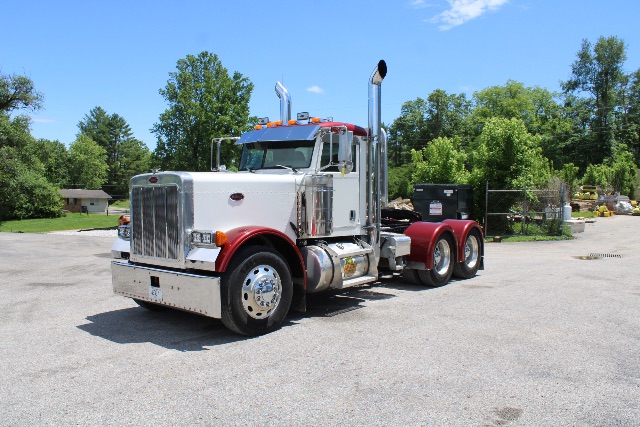
Selling a peterbilt cab and chassis truck? List your peterbilt cab and chassis truck for sale and reach thousands of commercial buyers.
Peterbilt Cab and Chassis Trucks
The first buying decision is usually chassis spec, not model badge. Frame rail strength, wheelbase, cab-to-axle, front axle set-back or set-forward configuration, and gross axle weight ratings matter more than appearance once you start matching the truck to a body and payload. Many Peterbilt cab and chassis trucks in the used market are built from vocational platforms like the 365 or from highway-based conventional models adapted for straight truck service. Engine choices often include PACCAR MX and Cummins diesel platforms, paired with Eaton manual, automated manual, or Allison automatic transmissions depending on duty cycle. If the truck will spend its life in stop-and-go municipal or utility work, transmission type, PTO compatibility, and idle management deserve close attention.
Body-builder details are what separate a workable chassis from an expensive mismatch. Check the rear axle ratio against expected road speed and PTO demand. Verify frame length, clear frame space, suspension type, brake configuration, and whether the truck has factory provisions for body installation. Buyers should also look closely at emissions system history on pre-owned units, especially on EPA-era diesels where DPF, SCR, NOx sensors, and regeneration issues can affect uptime. On higher-mileage Peterbilt chassis, front-end wear, electrical integrity, crossmember condition, and signs of previous frame modifications are worth inspecting before any upfit dollars are committed.
Peterbilt cab and chassis trucks tend to hold interest across construction, utility, municipal, towing, and regional delivery applications because they can be configured for both heavy vocational work and lighter straight-truck roles. A day cab with the right wheelbase can become a highly productive local unit, while a heavier tandem chassis can support demanding equipment and legal payload targets. Buyers comparing listings should focus on the hard numbers first: GVWR, wheelbase, axle ratings, engine horsepower and torque, transmission model, suspension, and usable frame length. Those specs determine what the truck can legally carry, how easily it can be upfitted, and how well it will perform once it goes to work.
Frequently Asked Questions about Peterbilt Cab and Chassis Trucks
What is a Peterbilt cab and chassis truck used for?
A Peterbilt cab and chassis truck is used as a base platform for installing a specialized body or work system. Common applications include dump trucks, service trucks, wreckers, rollbacks, tank trucks, crane trucks, refuse trucks, utility bodies, and other vocational builds. The cab and front chassis are already in place, but the rear frame is left available so the truck can be configured for a specific job.
What specs matter most when buying a used Peterbilt cab and chassis?
The most important specs are wheelbase, cab-to-axle dimension, GVWR, front and rear axle ratings, frame rail size, suspension type, transmission, and engine output. Those numbers determine what body can be installed, how the truck will carry weight, and whether it will meet your operating requirements. Buyers should also confirm PTO capability, rear axle ratio, brake type, and available frame space before planning any body installation.
Are Peterbilt highway models suitable for cab and chassis applications?
Some are, but suitability depends on the final job. Highway-oriented models can work well for straight trucks, regional delivery bodies, or lighter specialty applications when the frame, axle ratings, and wheelbase match the intended use. Heavier vocational work such as dumps, cranes, and severe-duty service bodies usually calls for a chassis designed around higher frame strength, vocational suspension options, and better PTO integration.
What should buyers watch for on older emissions-era Peterbilt chassis?
Buyers should pay close attention to the emissions system and supporting diagnostics. DPF restriction, failed NOx sensors, SCR faults, forced regeneration history, and derate events can all affect reliability and operating cost. Service records are valuable because they show whether recurring emissions problems were properly repaired or only temporarily cleared. A pre-purchase inspection should also include fault-code review, engine blow-by check, aftertreatment condition, and wiring inspection.
How do I know if a Peterbilt cab and chassis will fit the body I need?
Body fit starts with accurate dimensions and weight planning. The body builder will need the wheelbase, cab-to-axle, frame height, rear axle location, exhaust routing, fuel tank placement, suspension, and available clear frame length. You also need to account for the finished weight of the body, mounted equipment, payload, and any auxiliary systems so the truck stays within axle and gross vehicle ratings. Matching the chassis to the body before purchase helps avoid frame changes, relocation costs, and balance problems after installation.