
Peterbilt Trucks For Sale in Missouri
Browse Peterbilt trucks for sale in Missouri, including on-highway and vocational models with specs, applications, engine, cab, and axle options.
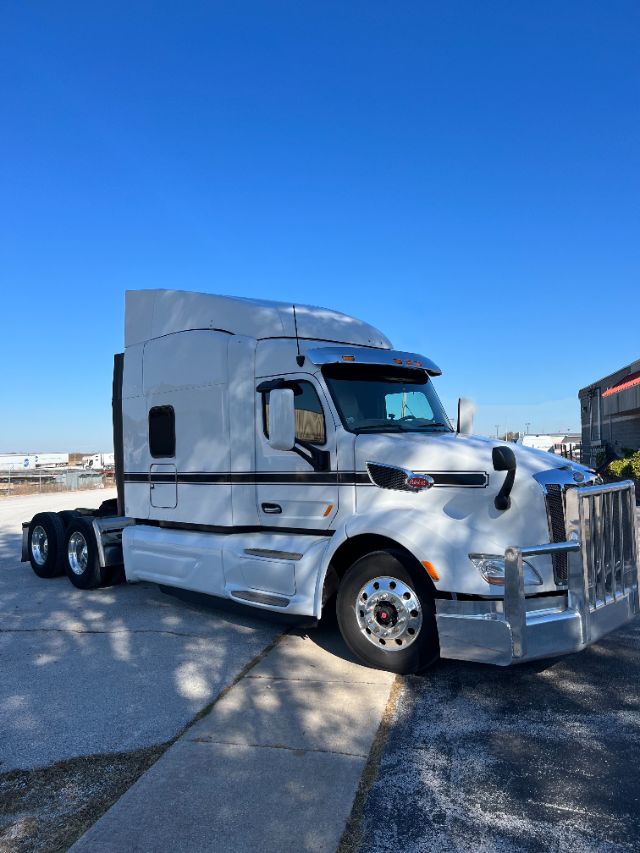
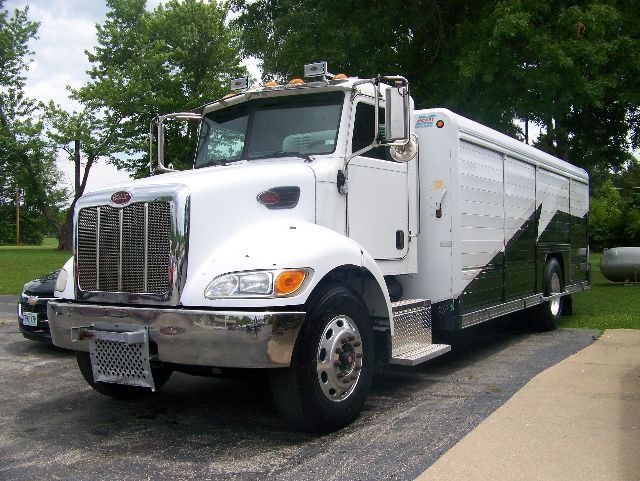
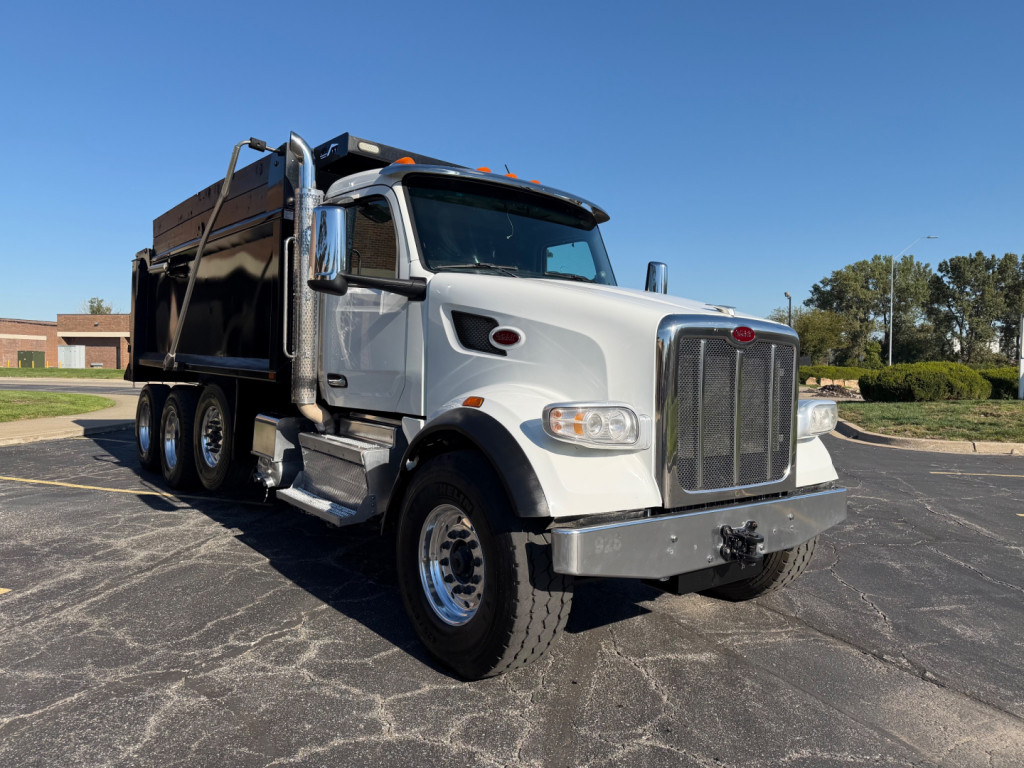
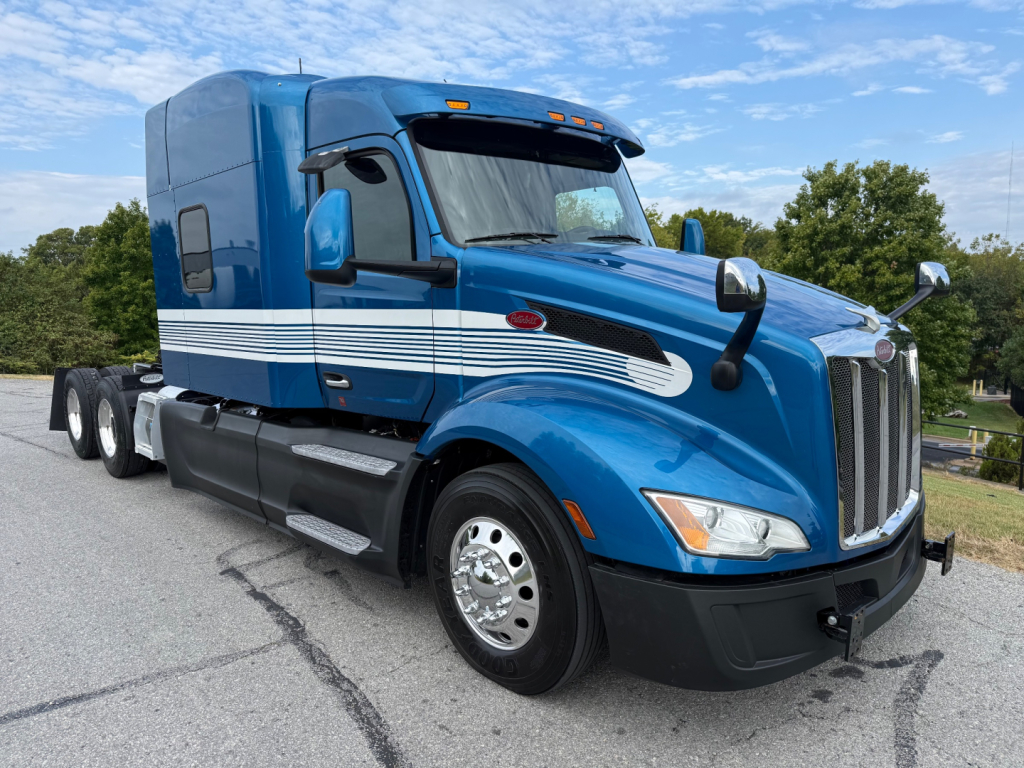
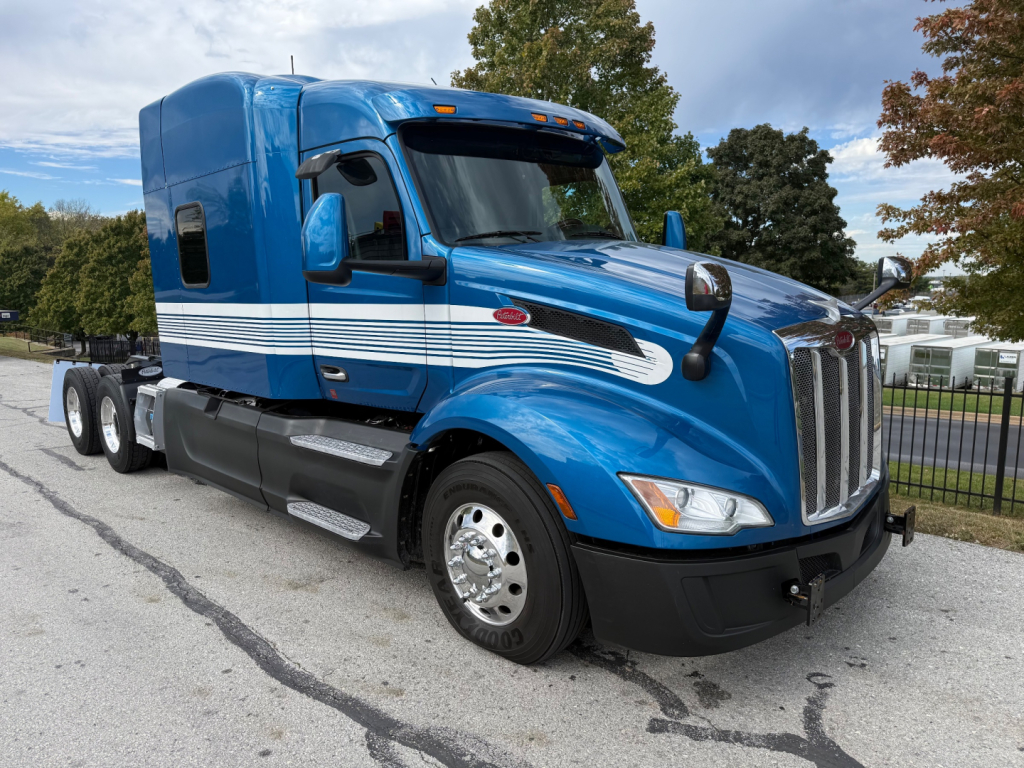
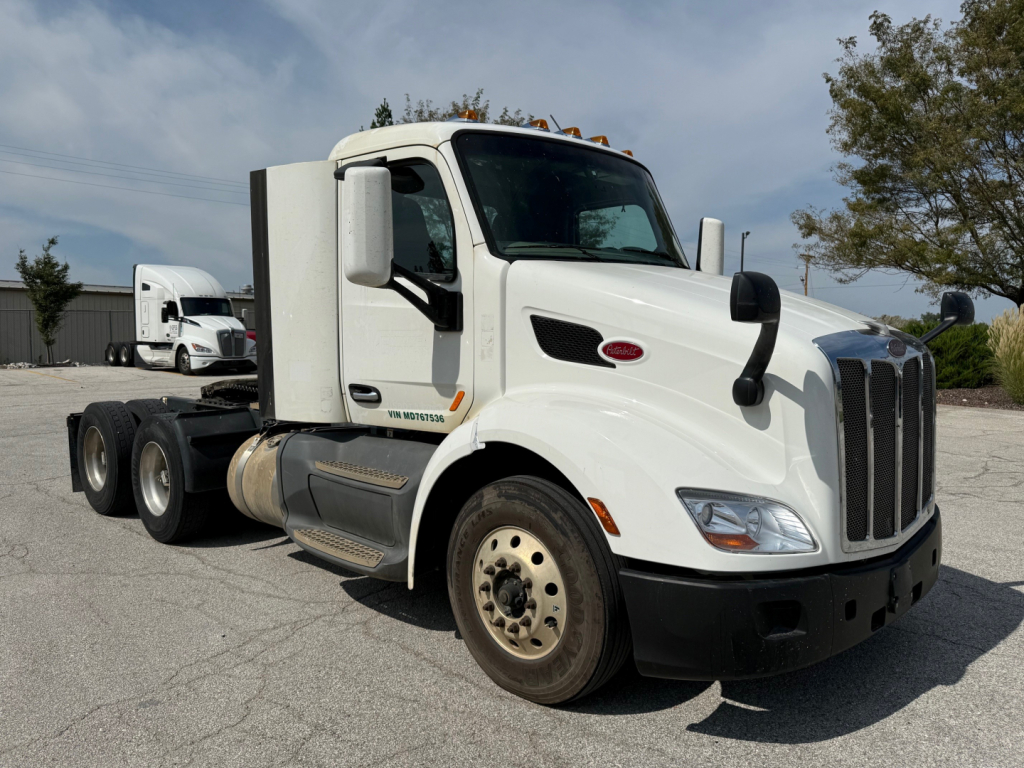
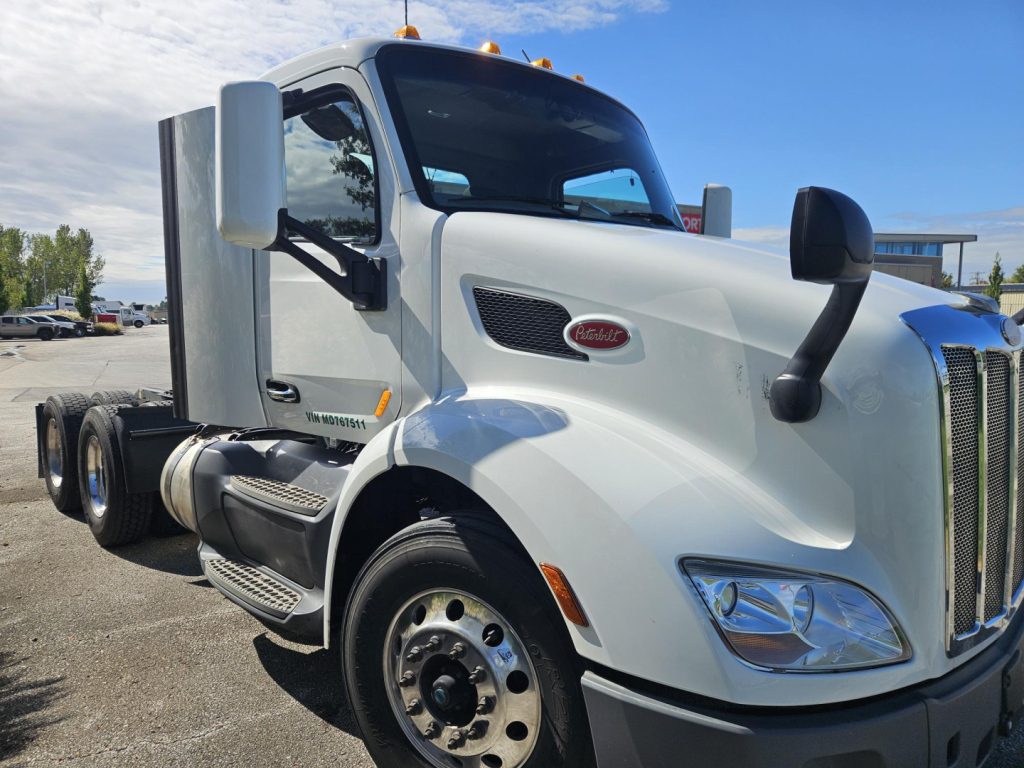
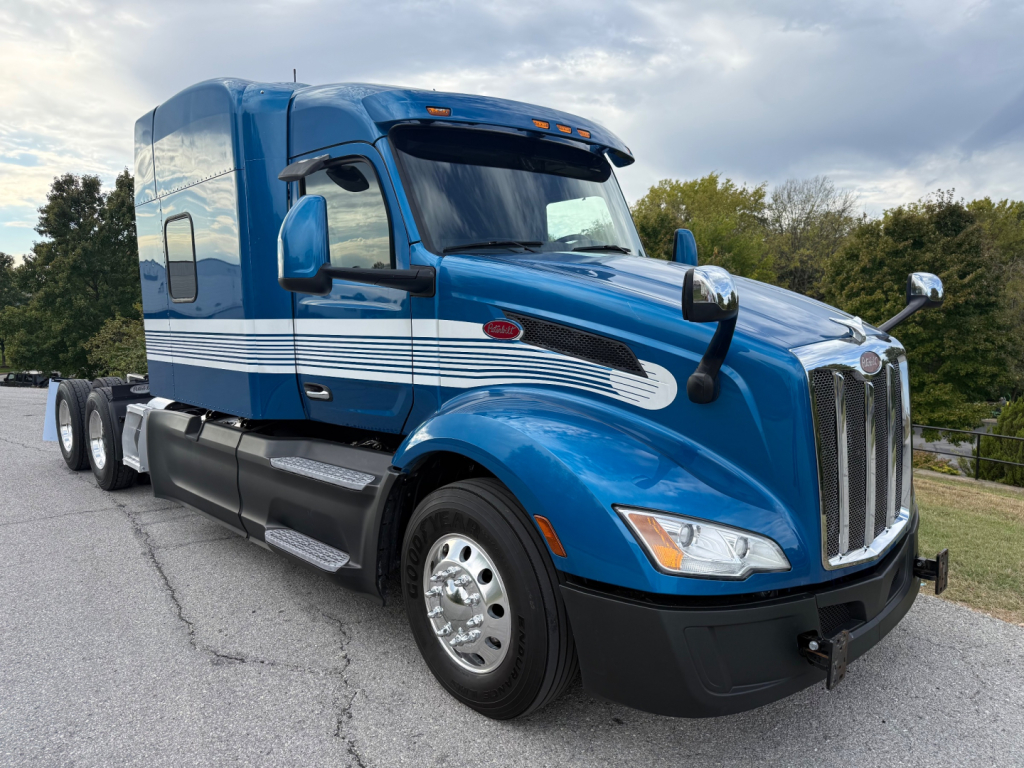

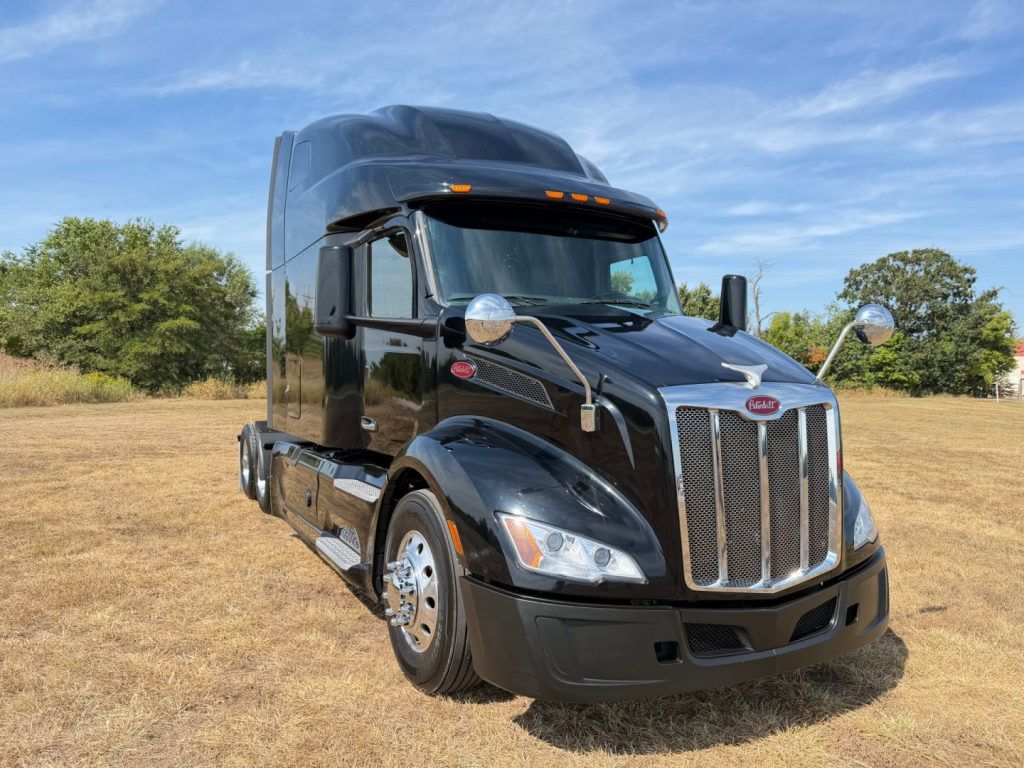

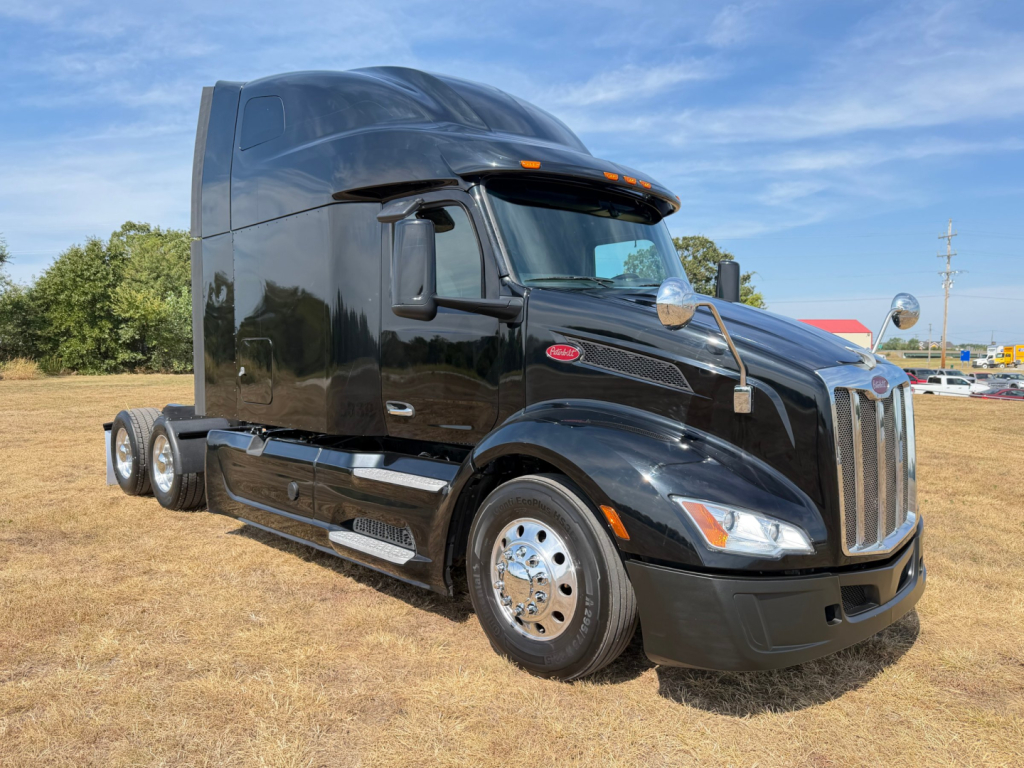

Selling a peterbilt truck? List your peterbilt truck for sale and reach thousands of commercial buyers.
Peterbilt Trucks in Missouri
On the highway side, Peterbilt conventionals are commonly spec'd with PACCAR MX-13 or Cummins diesel engines, paired with manual, automated manual, or automatic transmissions depending on duty cycle. Day cabs are popular for short regional lanes, port work, and dedicated warehouse-to-warehouse runs where maneuverability and lower tare weight matter. Sleeper models are a better fit for longer lengths of haul where bunk size, fairings, fuel capacity, and wheelbase all affect operating cost and driver retention. Key details to review include horsepower and torque rating, rear axle ratio, 6x4 versus 6x2 configuration, suspension type, and whether the truck has an engine brake, collision mitigation, and other late-model driver assist systems.
Peterbilt also has a strong presence in medium-duty and severe-service segments. The 335 is a common choice for dry freight, stake, service body, and straight truck applications, often with Cummins power and Allison automatics. The low-cab-forward 320 is widely used in refuse service because it improves visibility and access in tight urban routes. For vocational buyers, the critical checkpoints are front axle rating, frame rail spec, PTO compatibility, body manufacturer, hydraulic setup, and evidence of maintenance on high-wear components such as kingpins, suspension parts, brakes, and steering. If the truck carries a box, refuse body, or other mounted equipment, body condition and service history are just as important as engine hours or odometer miles.
Missouri buyers often need trucks that can handle a mix of interstate speed, secondary roads, and frequent stop-and-go operation. That makes cooling system condition, brake life, tire condition, and suspension wear especially important on used Peterbilts. Service access is generally a plus because Peterbilt and PACCAR support are well established, and parts availability is usually strong for common models. When comparing listings, focus on application fit, maintenance records, emissions system history, and complete chassis specs instead of model year alone. A properly spec'd Peterbilt can be an efficient long-haul tractor, a durable local day cab, or a dependable vocational truck if the configuration matches the work.
Frequently Asked Questions about Peterbilt Trucks in Missouri
What are the most common Peterbilt truck models buyers look for in Missouri?
The most common Peterbilt models vary by job type. For highway use, the 579 is one of the best-known choices for sleeper and day cab applications. In medium-duty and vocational work, buyers often look at models such as the 335 for box trucks and local delivery, while the 320 is a common refuse and municipal platform because of its low-cab-forward design. The right model depends less on brand preference alone and more on body type, route length, axle needs, and engine-transmission combination.
Is a Peterbilt day cab or sleeper better for my operation?
A day cab is usually the better choice for local and regional work where drivers return regularly and payload efficiency matters. It typically weighs less, has a shorter wheelbase option, and is easier to maneuver around distribution centers and tighter yards. A sleeper is better for longer runs where overnight accommodations, larger fuel capacity, and driver comfort are part of the job. Buyers should compare not just cab style, but also wheelbase, tank size, fairings, and drivetrain gearing because those specs directly affect productivity and operating cost.
What should I inspect first on a used Peterbilt truck?
Start with the truck's application-critical systems. On a highway tractor, review engine and emissions history, transmission operation, suspension wear, brake life, tire condition, and signs of frame or collision repair. On vocational units, pay close attention to front axle loading, steering play, PTO operation, hydraulic systems, and the condition of the mounted body or equipment. Maintenance records are especially valuable because they help verify service intervals, major component repairs, and whether known wear items were addressed before failure.
Are Peterbilt trucks good for vocational and municipal work?
Yes. Peterbilt has long been a strong option in vocational and municipal service because many models can be ordered or found with heavy front axles, PTO-ready drivetrains, multiple wheelbase options, and body-builder-friendly chassis layouts. Models used in refuse, utility, service, dump, and straight truck applications are common on the used market. Buyers should still verify that the exact truck is correctly spec'd for the body and duty cycle, because a well-known make does not automatically mean the chassis has the axle ratings, frame strength, or hydraulic provisions required for demanding vocational work.
Which engine and transmission setups are common in used Peterbilt trucks?
Used Peterbilt trucks commonly appear with PACCAR MX series or Cummins diesel engines, depending on model and original spec. Highway tractors may have manual or automated transmissions, often in 10-speed, 12-speed, 13-speed, or 18-speed formats, while medium-duty and vocational trucks frequently use Allison automatic transmissions for stop-and-go work. The best combination depends on terrain, load, and route profile. Buyers should compare horsepower, torque, rear axle ratio, transmission type, and service history together instead of judging the truck by engine badge alone.