
2006 Peterbilt Trucks For Sale
Browse 2006 Peterbilt trucks for sale, including day cabs, sleepers, vocational and medium-duty models with specs buyers compare most.
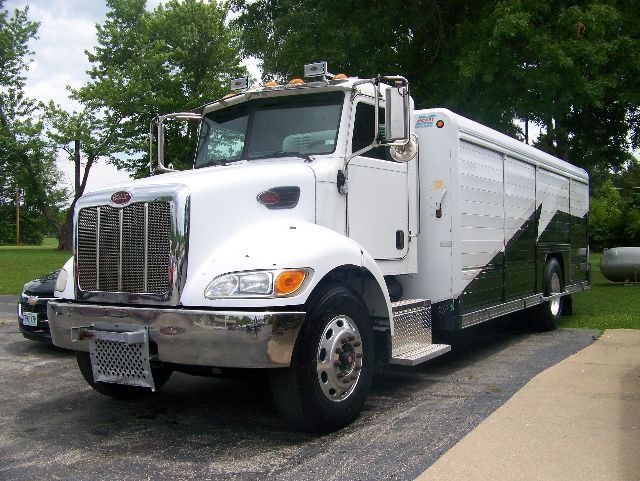
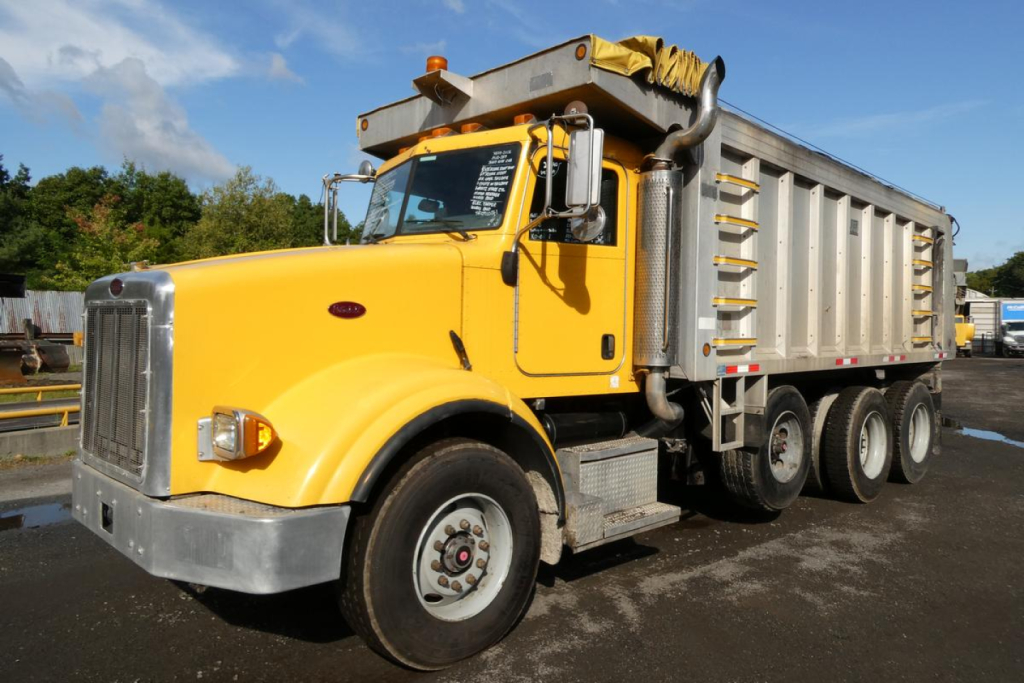

Selling a 2006 peterbilt truck? List your 2006 peterbilt truck for sale and reach thousands of commercial buyers.
2006 Peterbilt Trucks
The right spec depends heavily on application. On-road buyers usually focus first on sleeper versus day cab, wheelbase, rear axle ratio, transmission type, and engine rating. Common engines in this year range can include Caterpillar, Cummins, and Detroit Diesel, paired with 10-speed, 13-speed, 18-speed, or automated transmissions depending on the build. Highway trucks are often evaluated on suspension type, fuel capacity, fifth-wheel setup, and front axle set-back or set-forward configuration. Vocational buyers tend to look closer at PTO compatibility, frame condition, front axle capacity, lift axle provisions, wet kit history, and whether the truck has the right gearing for start-stop or off-road duty.
Peterbilt trucks from this period are known for a driver-focused cab layout, strong visibility, and durable aluminum or steel component choices depending on the model and intended use. Buyers comparing listings should pay close attention to cab corrosion, hood and fender condition, suspension wear, steering play, brake type, and signs of frame modification around body mounts or hitch equipment. If the truck has been upfitted as a rollback, wrecker, flatbed, or service body unit, the body manufacturer, deck dimensions, winch rating, hydraulic condition, and control layout matter just as much as the chassis itself. On medium-duty models, GVWR, brake system type, and CDL threshold are often decisive.
A well-chosen 2006 Peterbilt can still be a productive truck for regional haul, local delivery, vocational work, or owner-operator use, but the value is in the details of the spec and maintenance history. Engine overhaul records, transmission work, suspension bushing wear, kingpin and steer axle condition, tire age, and electrical integrity should all be reviewed closely. Buyers operating in states with tighter emissions or inspection rules should confirm compliance before committing. When the spec matches the job, a 2006 Peterbilt remains a practical option for buyers who prioritize serviceability, classic Peterbilt build quality, and a wide range of body and axle configurations.
Frequently Asked Questions about 2006 Peterbilt Trucks
What are the most common 2006 Peterbilt models buyers look for?
The most common 2006 Peterbilt trucks on the used market are highway conventionals such as the 379, 387, and early 386, along with medium-duty models like the 335 and 340. The model matters because it usually determines cab size, axle configuration, frame options, and the kind of work the truck was designed to do. A 379 is typically associated with long-haul or owner-operator applications, while a 335 or 340 is more often found in local delivery, towing, utility, and municipal work.
Are 2006 Peterbilt trucks considered pre-emissions?
Many buyers target 2006 trucks because they may fall before later emissions systems became more complex, but the answer depends on the engine, build date, and configuration. Some 2006 Peterbilt trucks may have simpler emissions setups than newer units, while others can vary by engine family or state compliance history. It is important to verify the engine serial number, emissions label, and registration requirements in the state where the truck will operate before assuming a truck is fully pre-emissions.
What should I check first on a used 2006 Peterbilt truck?
Start with the engine, transmission, frame, and suspension because those areas drive repair cost and uptime. Review maintenance records, look for blow-by, coolant or oil contamination, hard shifting, driveline vibration, air system leaks, and uneven tire wear. On Peterbilt trucks used in vocational service, inspect the frame rails for drilled or welded modifications, PTO operation, hydraulic leaks, and signs that the body installation placed extra stress on the chassis. Cab mounts, hood alignment, steering components, and electrical condition are also important on trucks in this age range.
What engines are commonly found in a 2006 Peterbilt?
A 2006 Peterbilt may be equipped with Caterpillar, Cummins, or Detroit Diesel engines, depending on the model and original application. Common examples from this era include Cat C13 or C15, Cummins ISX or ISC on certain builds, and Detroit Diesel options in some fleet-spec units. The best engine choice depends on your service network, preferred transmission pairing, power needs, and whether the truck will be used for highway cruising, heavy haul, towing, or stop-and-go vocational work.
Is a 2006 Peterbilt a good choice for vocational work?
A 2006 Peterbilt can be a strong vocational platform if the truck was originally spec'd for the job or properly upfitted later. Buyers should confirm front axle capacity, rear suspension type, axle ratio, PTO provisions, frame strength, and brake configuration before purchase. For rollback, wrecker, dump, flatbed, or service applications, the body condition and hydraulic system are just as important as the truck itself. A correct vocational spec will usually outperform a highway truck that was converted after the fact.