
Peterbilt Trucks For Sale in Pennsylvania
Browse Peterbilt trucks for sale in Pennsylvania, including 579, 389, and 386 models for sleeper, day cab, regional, and long-haul use.
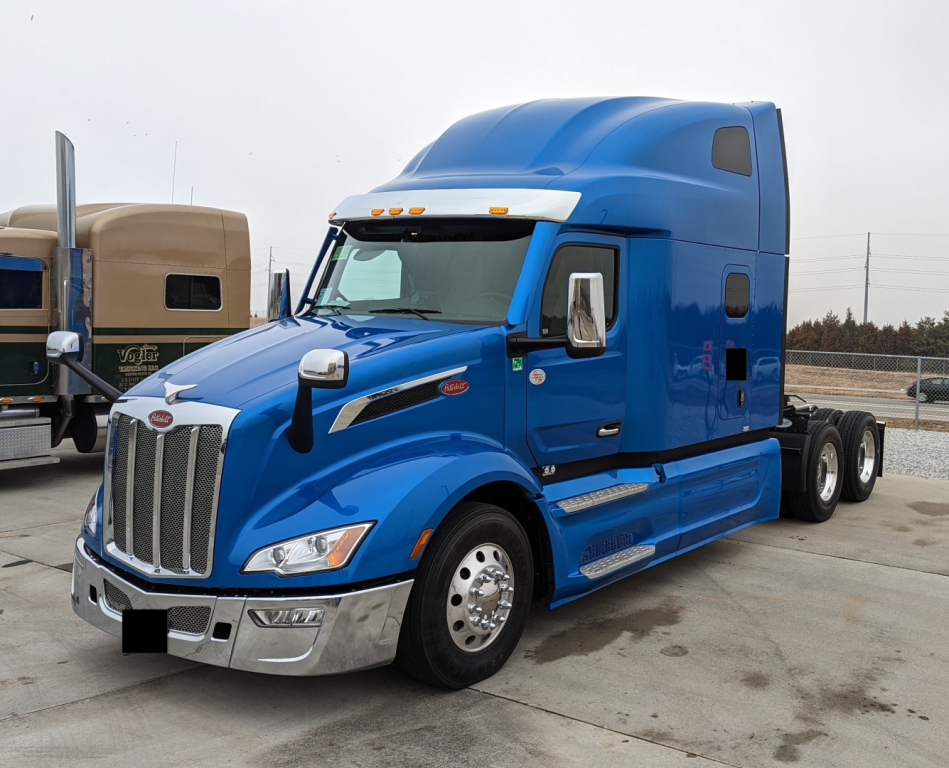
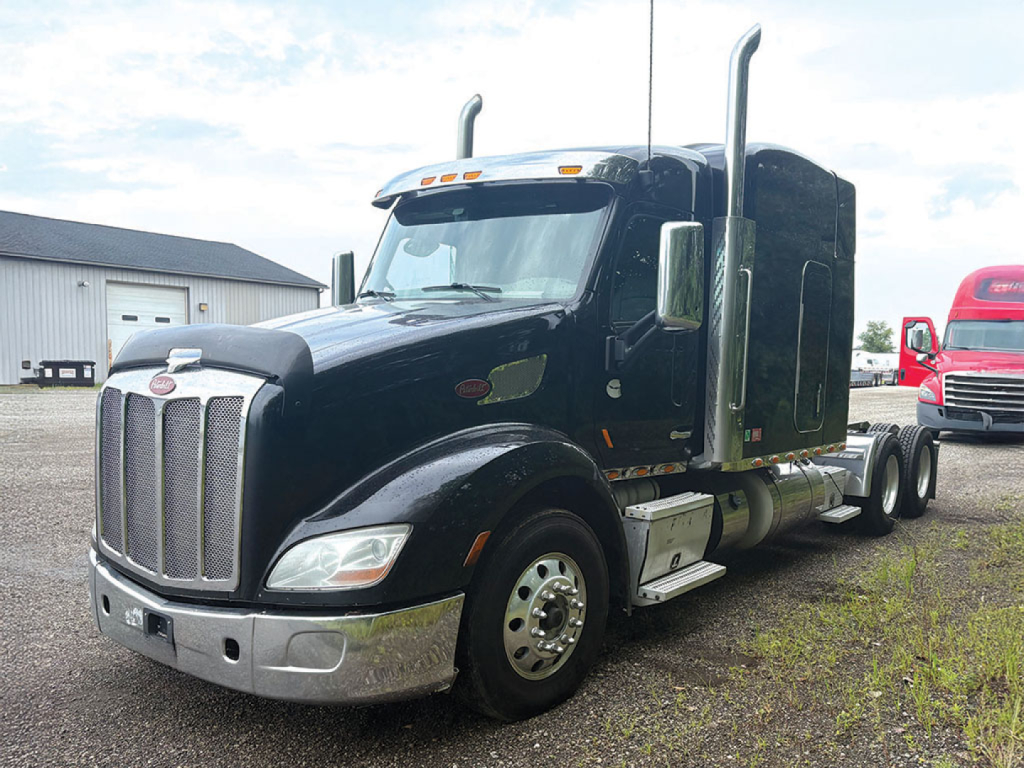
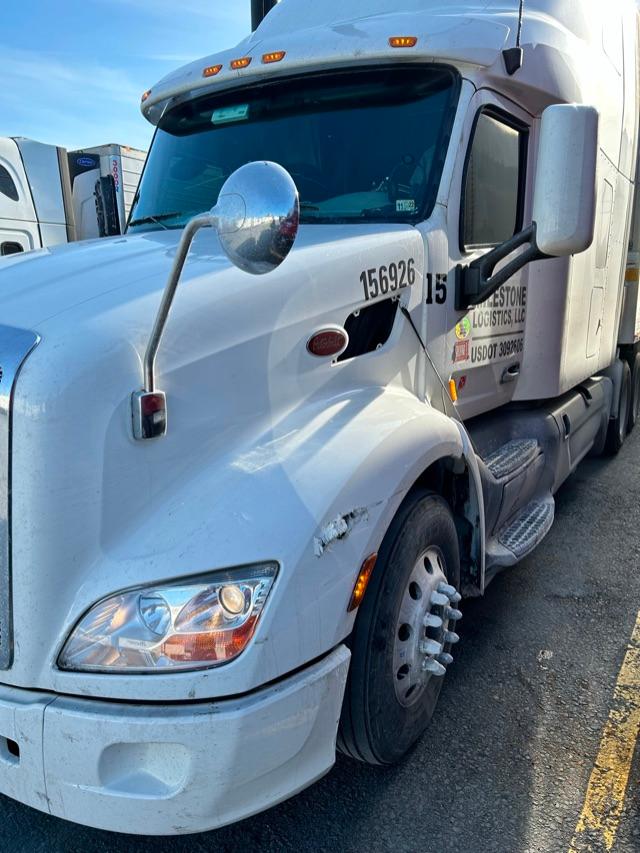

Have peterbilt truck to sell? List it here to reach thousands of buyers.
Peterbilt Trucks in Pennsylvania
Spec selection matters more than badge alone. Common Peterbilt truck configurations include day cabs and sleeper tractors, with sleeper sizes often ranging from mid-roof and flat-top layouts up to 72-inch and 80-inch UltraLoft sleepers. Pennsylvania buyers often compare wheelbase, axle ratings, rear ratio, and transmission type just as closely as engine make. A 2.64 or similar fast ratio paired with an automated transmission can be a good fit for linehaul fuel economy, while a 3.36 or 3.42 ratio with a manual or 18-speed may better suit mixed terrain, heavier pulls, vocational crossover work, or trucks running a wet-line system. Tandem axle 6x4 setups with 40,000-lb rear axles are common, and front axle ratings around 12,000 lbs are typical on highway tractors.
Engines you will commonly see in Peterbilt trucks include the Cummins X15 and PACCAR MX-13, usually in the 450 to 605 horsepower range depending on the truck's intended use. That spread covers mainstream fleet spec sleepers, higher-horsepower owner-operator trucks, and specialty setups with full-locking rears, engine brakes, and upgraded suspensions. Buyers should pay attention to suspension type, brake spec, and fifth wheel arrangement. Air ride suspension is common on highway units, while details like an air slide fifth wheel, disc brakes, aluminum wheels, dual fuel tanks, APUs, refrigerators, and premium interior trim can materially change the truck's operating profile and driver retention value. On a day cab, items like hydrapacks or wet kits may point to tanker, dump, or specialized trailer work rather than standard van freight.
For Pennsylvania operation, practical inspection points include emissions system history, corrosion exposure, current state inspection status, and how the truck was geared for Appalachian grades versus flat interstate work. Mileage and model year matter, but maintenance records, clutch and transmission condition, aftertreatment performance, and bunk equipment condition often tell you more about remaining life. Peterbilt remains a strong category for buyers who want a recognizable premium conventional tractor with broad parts support, stable demand in the resale market, and configurations that range from efficient fleet sleepers to highly customized highway trucks.
Frequently Asked Questions about Peterbilt Trucks in Pennsylvania
What are the most common Peterbilt truck models buyers compare in Pennsylvania?
The most commonly compared Peterbilt highway trucks are the 579, 389, and older 386. The 579 is the aerodynamic conventional tractor most buyers consider for fuel-efficient regional and long-haul work. The 389 is the classic long-hood conventional that appeals to owner-operators and specialty applications where appearance, higher horsepower options, and custom spec choices matter. The 386 is an older conventional model that still appears in used sleeper and highway service and can offer a lower entry cost if condition and maintenance history are solid.
Is a Peterbilt 579 or Peterbilt 389 better for my operation?
A Peterbilt 579 is usually the better fit for fleets or independent buyers focused on fuel economy, highway aerodynamics, and modern sleeper layouts. A Peterbilt 389 is usually better for buyers who want a traditional long-hood truck, higher-end trim, heavier driveline options, or specialty equipment such as a wet-line system. The right choice comes down to freight type, target fuel economy, expected annual miles, and whether image and custom spec are part of the business model.
What engine and transmission combinations are common in used Peterbilt trucks?
Used Peterbilt trucks commonly carry Cummins X15 or PACCAR MX-13 engines. Horsepower ratings often fall between 450 and 500 hp on fleet-style highway tractors, while premium owner-operator specs may run above 550 hp. Transmissions can include automated manuals for linehaul efficiency or manual 10-speed and 18-speed units for buyers who want more control in mixed terrain or heavy-haul style applications. Rear axle ratios such as 2.64, 3.36, and 3.42 help show whether the truck was built for fuel economy, versatility, or stronger pulling characteristics.
What should I inspect first on a used Peterbilt truck in Pennsylvania?
Start with emissions system history, engine diagnostic records, transmission operation, suspension wear, and any signs of frame or cab corrosion from winter road treatment. In Pennsylvania, it is also smart to confirm current inspection status, brake condition, tire wear pattern, and whether the gearing matches the terrain the truck will run. On sleeper trucks, check the APU, HVAC, bunk seals, refrigerator, and inverter system because those items can add meaningful repair cost after purchase.
Do Peterbilt trucks usually hold their resale value?
Peterbilt trucks generally hold resale value well because the brand has strong recognition, broad buyer demand, and a reputation for premium highway tractors. Value still depends heavily on specification, engine choice, mileage, maintenance records, and cosmetic condition. Well-kept 579 sleepers, properly maintained 389s, and trucks with desirable driveline and sleeper specs often attract stronger interest than average fleet units with limited documentation or deferred repairs.