
Peterbilt Conventional Sleeper Trucks For Sale in Pennsylvania
Shop Peterbilt conventional sleeper trucks for sale in Pennsylvania. Compare 579 and 386 specs, sleeper sizes, engines, wheelbases, and drivetrain setups.
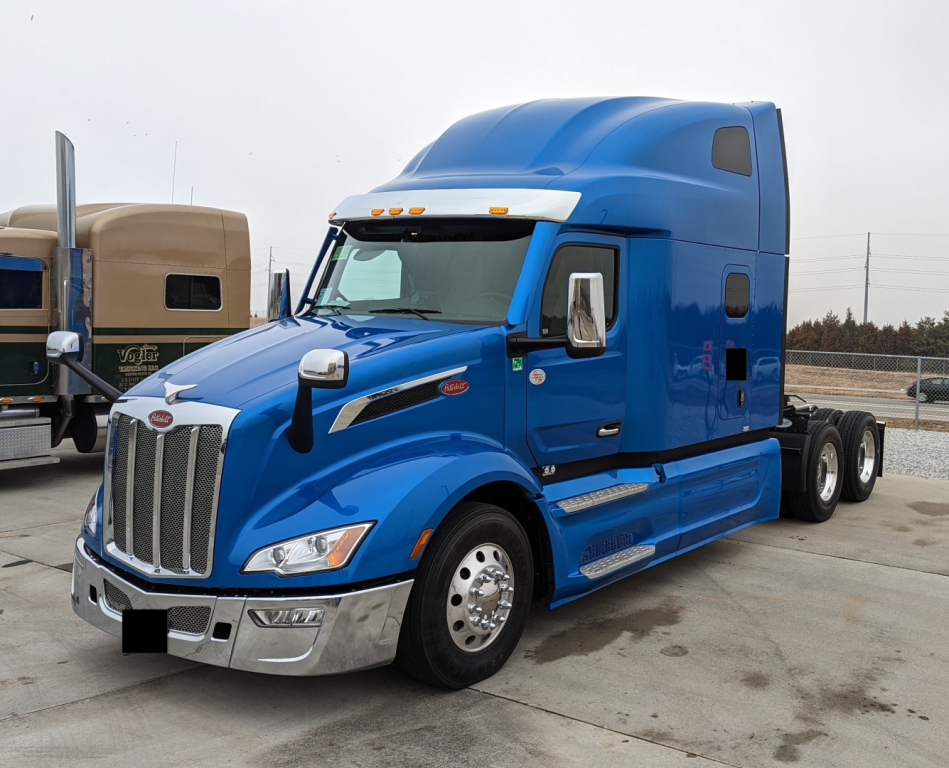
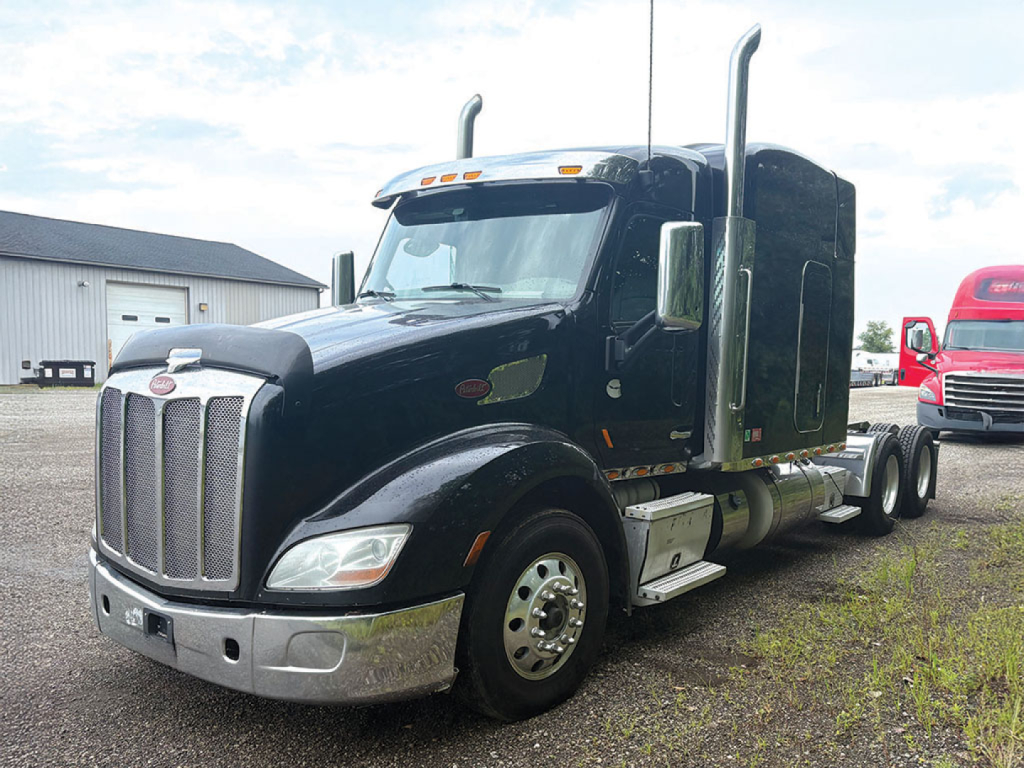
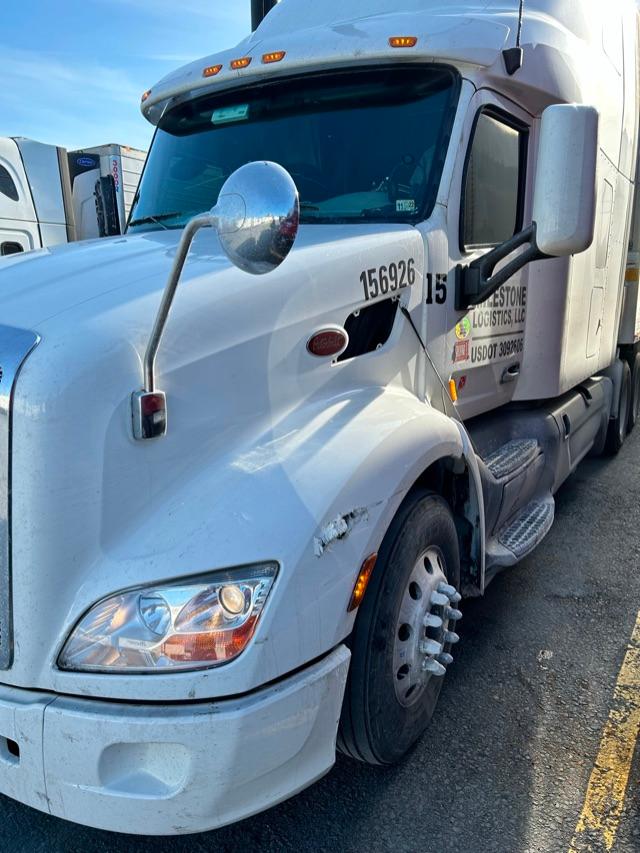

Have peterbilt conventional sleeper truck to sell? List it here to reach thousands of buyers.
Peterbilt Conventional Sleeper Trucks in Pennsylvania
The Peterbilt 579 is one of the most recognized aerodynamic highway tractors in this category, and it is often spec'd with Cummins X15, ISX15, or PACCAR MX-13 power in the 450 to 455 horsepower range. Automated manual transmissions such as the Eaton Fuller Endurant or Endurant-based PACCAR units are common, although some older or vocationally influenced sleeper trucks still carry manual gearboxes. Rear axle ratings around 40,000 pounds are typical, with highway-friendly ratios such as 2.64 or 3.42 depending on the intended duty cycle. A 2.64 ratio generally favors fuel mileage and lower cruise RPM on long interstate runs, while a 3.42 ratio can make more sense for heavier freight, hill work, or applications that need stronger launch performance.
Cab and chassis details make a real difference on used Peterbilt sleeper trucks. Wheelbases in the 230-inch to 242-inch range are common in fleet highway specs and usually pair well with sliding fifth wheels, side fairings, cab extenders, and dual aluminum fuel tanks. Buyers should pay attention to suspension type, brake package, and tire setup. Air ride suspension remains the standard for ride quality and freight protection, while disc brakes are increasingly desirable for stopping performance and service intervals. Super singles may reduce weight and rolling resistance, but duals can still be preferred by some fleets for roadside flexibility and regional tire support.
On a used Peterbilt conventional sleeper, the real value is in how the spec matches the lane. An 80-inch sleeper with APU, upper bunk, refrigerator, and aerodynamic package is aimed at true long-haul work. A smaller flat-top with a manual transmission and 3.42 rears may be better for a buyer who wants a simpler truck for dedicated regional freight. Look closely at engine brake spec, emissions history, wheelbase, fifth wheel travel, and sleeper amenities before comparing price alone. Peterbilt sleepers tend to hold appeal because they balance driver acceptance with practical fleet specifications, especially in highway models also known simply as sleeper tractors or road tractors.
Frequently Asked Questions about Peterbilt Conventional Sleeper Trucks in Pennsylvania
What is the difference between a Peterbilt 579 UltraLoft, Unibilt high-roof, and flat-top sleeper?
The main differences are interior space, roof height, storage, and intended duty cycle. An UltraLoft or Unibilt high-roof sleeper typically provides full stand-up room, more cabinets, better long-haul livability, and often room for features like an upper bunk, refrigerator, or APU support equipment. A flat-top sleeper is lower and more compact, which can reduce weight and overall height while still giving the driver a bunk for overnight runs. Buyers choosing between them should match the sleeper to how many nights the truck will spend away from home and how much onboard storage the driver needs.
Which engine is most common in Peterbilt conventional sleeper trucks?
Cummins X15 and earlier ISX15 engines are very common in Peterbilt highway sleepers, and PACCAR MX-13 engines are also widely used. In the used market, horsepower ratings around 450 to 455 are common because they fit general van, reefer, and dry freight applications well. The best choice depends less on brand alone and more on maintenance history, emissions system condition, software updates, and whether the engine spec matches the rear ratio and transmission for the work the truck will actually do.
Is a 2.64 rear axle ratio good for a Peterbilt sleeper truck?
A 2.64 ratio is a strong choice for fuel-efficient linehaul applications when paired with the right transmission and tire size. It keeps engine RPM lower at highway speed, which can improve fuel economy and reduce noise on long interstate runs. The tradeoff is that it may not be ideal for every operation. Fleets hauling heavier loads, operating in steep terrain, or running more stop-and-go routes may prefer a deeper ratio such as 3.08 or 3.42 for better startability and grade performance.
What should I inspect first on a used Peterbilt sleeper tractor?
Start with the powertrain and emissions system because repair costs there can exceed cosmetic issues by a wide margin. Review engine hours, idle hours, fault code history, aftertreatment service records, transmission operation, and differential condition. Then check the sleeper and chassis items that affect uptime and driver retention, including APU operation, bunk HVAC, refrigerator, wiring, fairings, wheel seals, suspension wear, brake type, and fifth wheel movement. A clean interior matters, but drivetrain records and ECM data matter more.
Are Peterbilt conventional sleeper trucks good for Pennsylvania freight lanes?
Yes, they are well suited to Pennsylvania freight because the state combines long interstate runs, urban delivery pressure, winter weather, and frequent grade changes. An aerodynamic Peterbilt sleeper with a 72-inch or 80-inch bunk, engine brake, and highway-focused drivetrain fits common lanes moving through Pittsburgh, Harrisburg, Philadelphia, and into the Midwest or Northeast. Buyers should still spec carefully for terrain and traffic density, especially when deciding between fuel-mileage gearing and more versatile regional gearing.