
2020 Peterbilt Trucks For Sale in Pennsylvania
Browse 2020 Peterbilt trucks in Pennsylvania, including 579 day cabs and sleepers with Cummins or PACCAR powertrains.
Learn more
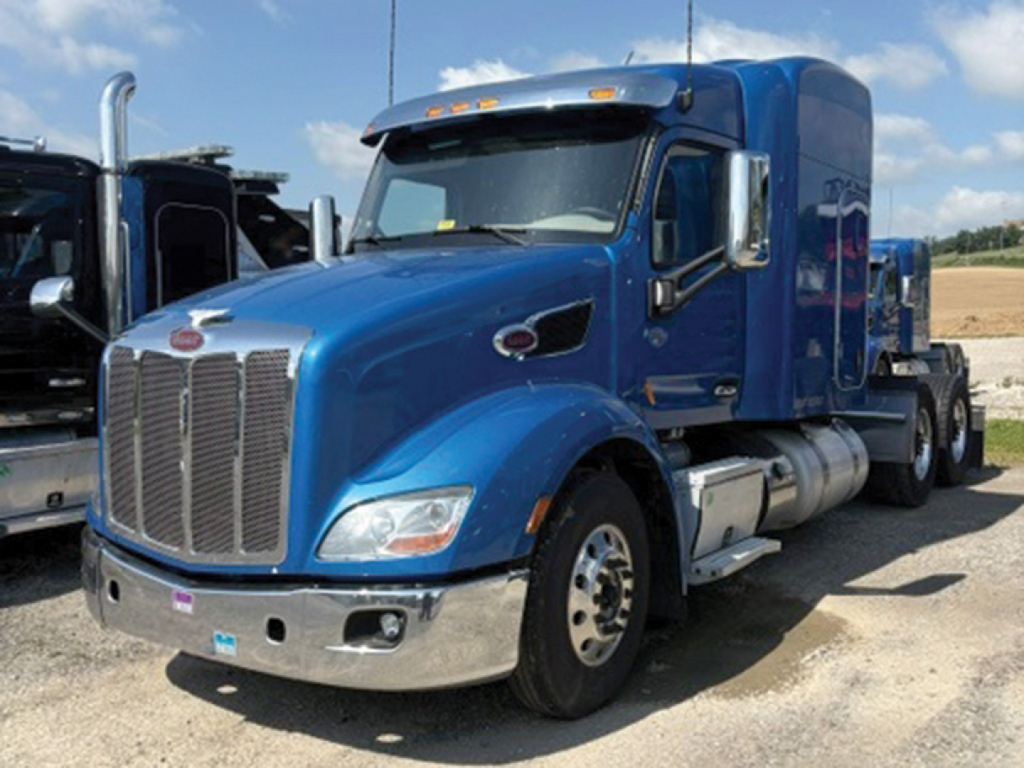
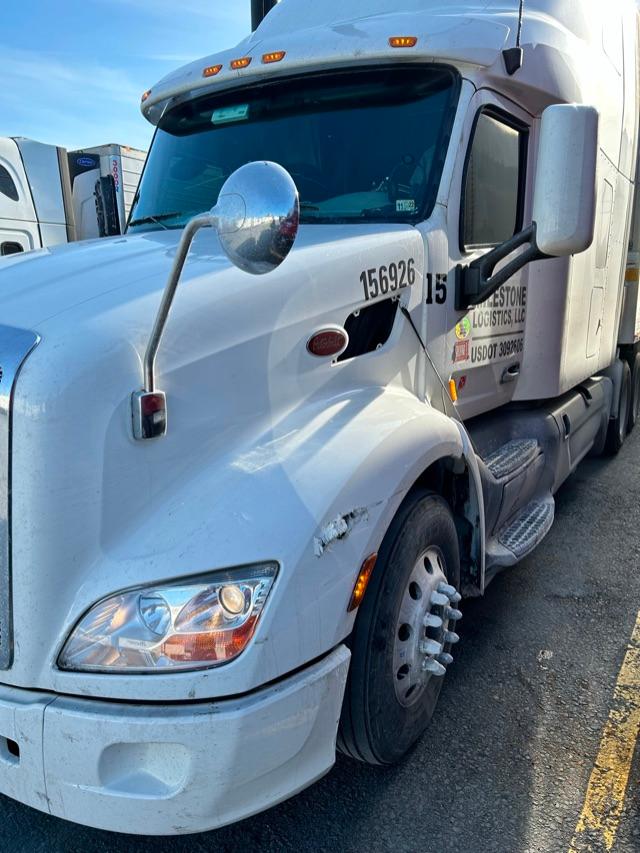
Have 2020 peterbilt truck to sell? List it here to reach thousands of buyers.
About 2020 Peterbilt Trucks in Pennsylvania
Frequently Asked Questions
What are the most common 2020 Peterbilt truck configurations?
The most common 2020 Peterbilt trucks on the used market are 579 models configured as conventional day cabs and conventional sleepers. Day cabs are typically set up for local or regional hauling, port work, dedicated lanes, and drop-and-hook operations. Sleeper versions, including high-roof and double-bunk layouts, are more common in long-haul service where driver comfort, storage, and overnight capability matter. Wheelbase, fuel capacity, and fifth wheel style can vary widely even within the same model.
Which engines are common in a 2020 Peterbilt 579?
Two of the most common engines in a 2020 Peterbilt 579 are the Cummins X15 and the PACCAR MX-13. The Cummins X15 is widely recognized for broad service support, strong torque, and familiarity across mixed fleets and owner-operators. The PACCAR MX-13 is also a common choice and is often selected for fuel economy and integration with Peterbilt driveline packages. Buyers should review horsepower, torque rating, emissions history, and warranty status, then match those details to the truck’s intended gross combination weight and route profile.
What transmission and axle specs should buyers watch on a 2020 Peterbilt truck?
Transmission and rear axle setup can change how a 2020 Peterbilt performs more than the badge on the hood. Common examples include manual 10-speed transmissions and automated manuals paired with 40,000 lb rear axles. Rear axle ratios such as 3.55 or 3.08 tell you a lot about intended use. A 3.55 ratio generally favors heavier work and more start-stop flexibility, while a 3.08 ratio is often aimed at lower cruise RPM and highway fuel economy. Wheelbase, suspension type, and fifth wheel position should also be checked to confirm trailer compatibility and bridge law fit.
Is a 2020 Peterbilt day cab or sleeper better for Pennsylvania operations?
That depends on lane length, shipper dwell time, and how often the truck crosses into neighboring states. A day cab is usually the better fit for regional freight, short-haul distribution, and operations that return to base daily. A sleeper makes more sense for irregular schedules, longer interstate runs, and teams or solo drivers needing rest space on the road. In Pennsylvania, buyers often balance mountain grades, winter conditions, toll routes, and mixed urban-rural freight patterns, so drivetrain gearing, engine brake performance, and fuel capacity should be part of that decision.
What should I inspect first on a used 2020 Peterbilt truck?
Start with maintenance records, fault code history, and aftertreatment performance, then move to drivetrain and chassis details. On a 2020 Peterbilt, buyers should inspect engine hours versus miles, transmission operation, clutch wear if equipped with a manual, suspension condition, steer and drive tire wear patterns, brake life, and signs of frame or cab damage. It is also important to verify emissions system service, check for coolant or oil leaks, confirm the wheelbase and axle ratings, and review any remaining manufacturer warranty coverage. A clean-looking truck can still be mismatched for the job if the gearing, fifth wheel setup, or cab style is wrong.