
2020 Peterbilt Conventional Sleeper Trucks For Sale in Pennsylvania
Shop 2020 Peterbilt conventional sleeper trucks, including 579 models with high-roof sleepers, efficient powertrains, and long-haul specs.
Learn more
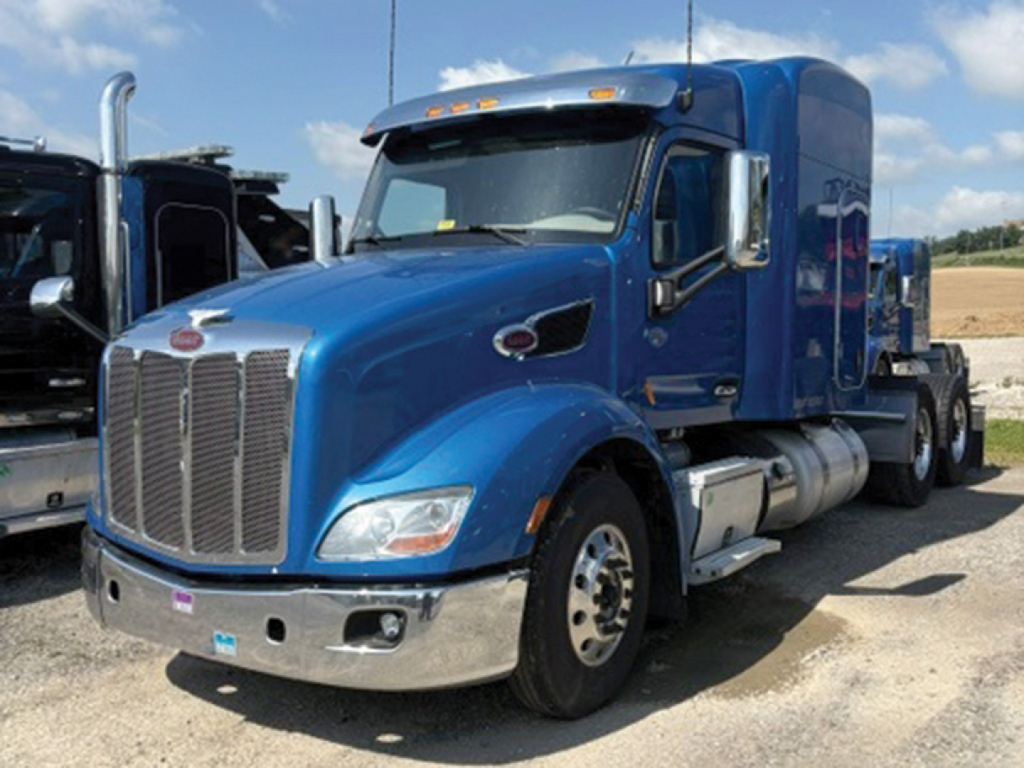
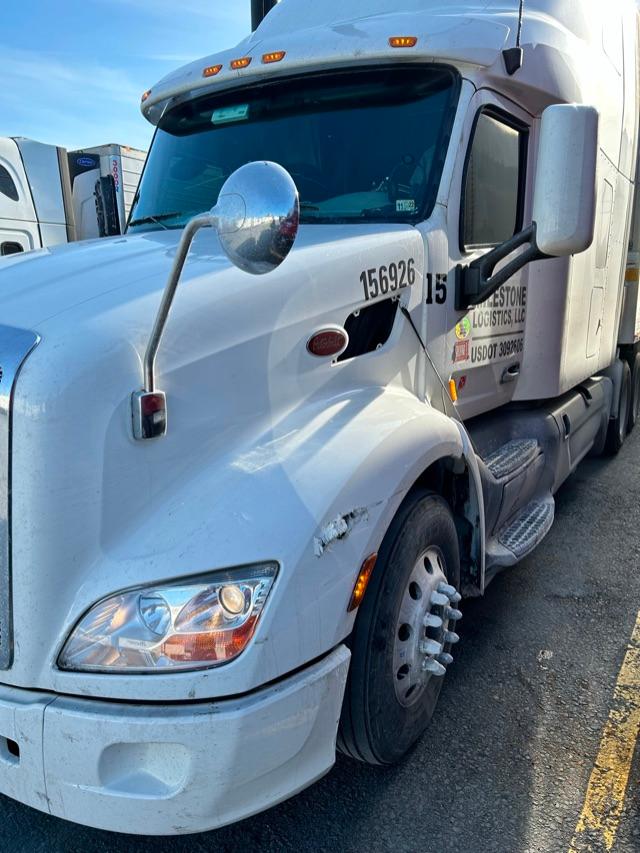
Have 2020 peterbilt conventional sleeper truck to sell? List it here to reach thousands of buyers.
About 2020 Peterbilt Conventional Sleeper Trucks in Pennsylvania
Powertrain choice matters more than appearance on a 2020 sleeper. Common engines include the Cummins X15 and PACCAR MX-13, usually paired with automated manual transmissions in the 10-speed to 12-speed range, though exact specs vary by application. Rear axle ratings around 40,000 pounds and ratios such as 3.25 to 3.55 are common on highway specs, with 3.42 being a frequent middle-ground for fleets trying to hold fuel mileage without sacrificing versatility. Buyers should pay close attention to emissions system history, idle hours, service records, and warranty status where applicable. On a sleeper tractor, those details affect operating cost far more than cosmetic trim.
Sleeper configuration is another major buying point. Many 2020 Peterbilt conventional sleepers in Pennsylvania and surrounding Northeast freight markets are set up with Unibilt high-roof sleepers, air ride suspension, dual aluminum fuel tanks, air slide fifth wheels, and wheelbases in the 229-inch to 232-inch range. That kind of spec fits dry van and refrigerated trailers well and usually offers enough fuel capacity for longer turns between stops. Features like engine brakes, bunk heaters, double bunks, power windows, tilt and telescoping steering, and aerodynamic bodywork can make a real difference in driver retention and daily usability. Tire setup also deserves attention, since some are configured with super singles while others stay with duals depending on the fleet's maintenance preference.
For Pennsylvania buyers, it is smart to consider how the truck is geared for mixed interstate and regional work across hills, winter weather, and tighter terminals. A 2020 Peterbilt sleeper with a documented maintenance history, clean aftertreatment performance, and a practical sleeper layout can be a strong choice for owner-operators and fleets alike. The best unit in this category is usually not the one with the most chrome. It is the one with the right engine-transmission combination, the right axle ratio for your freight, and a sleeper and wheelbase that match the lanes you actually run.
Frequently Asked Questions
What is the most common 2020 Peterbilt conventional sleeper model?
The most common 2020 Peterbilt conventional sleeper truck is the Peterbilt 579. It is Peterbilt's aerodynamic on-highway platform and is widely used in long-haul and regional freight service. Most buyers will find it spec'd with a high-roof sleeper, automated transmission, tandem rear axles, and engines such as the Cummins X15 or PACCAR MX-13.
Is a 2020 Peterbilt 579 a good choice for long-haul freight?
Yes, a 2020 Peterbilt 579 is generally a strong long-haul sleeper tractor when it has the right maintenance history and vocational spec. Its aerodynamic design, available double-bunk or 72-inch sleeper configurations, and common fuel-efficient axle ratios make it well suited for dry van, reefer, and general highway freight. The main buying focus should be engine health, aftertreatment condition, transmission behavior, and overall service documentation.
What specs should buyers compare on a 2020 Peterbilt sleeper truck?
The most important specs to compare are engine model and horsepower, transmission type, rear axle ratio, sleeper size, wheelbase, fuel capacity, and tire setup. Buyers should also confirm rear axle rating, fifth wheel type, suspension, and whether the truck uses super singles or duals. Those items determine how well the truck fits your lane profile, trailer type, and fuel economy target.
What should I inspect on a used 2020 Peterbilt conventional sleeper?
Inspect the emissions system, fault code history, engine hours, idle hours, transmission operation, and complete maintenance records. On a sleeper tractor, check bunk HVAC, interior wear, fifth wheel condition, suspension components, tires, brakes, and evidence of oil or coolant leaks. A pre-purchase inspection with an ECM download is especially important on 2020 model trucks because repair costs on emissions and powertrain components can be substantial.
Are 2020 Peterbilt sleeper trucks common in Pennsylvania freight operations?
Yes, 2020 Peterbilt conventional sleepers are a practical fit for Pennsylvania operations because they handle both interstate highway miles and regional overnight freight well. Buyers in the state often need a truck that can cover turnpike miles, rolling terrain, and tighter customer yards without giving up sleeper comfort or fuel range. That makes aerodynamic sleeper tractors like the 579 a common and sensible choice.