
Peterbilt Trucks For Sale in California
Browse Peterbilt trucks for sale in California, including highway, vocational, and medium-duty models built for hauling, construction, and recovery.
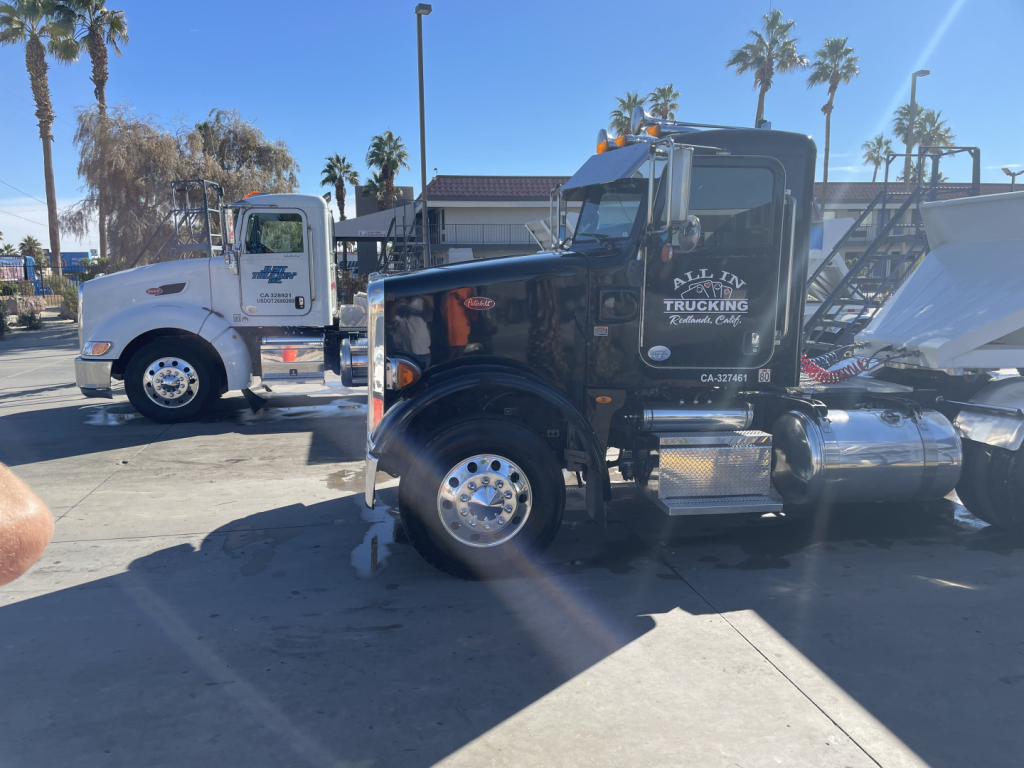
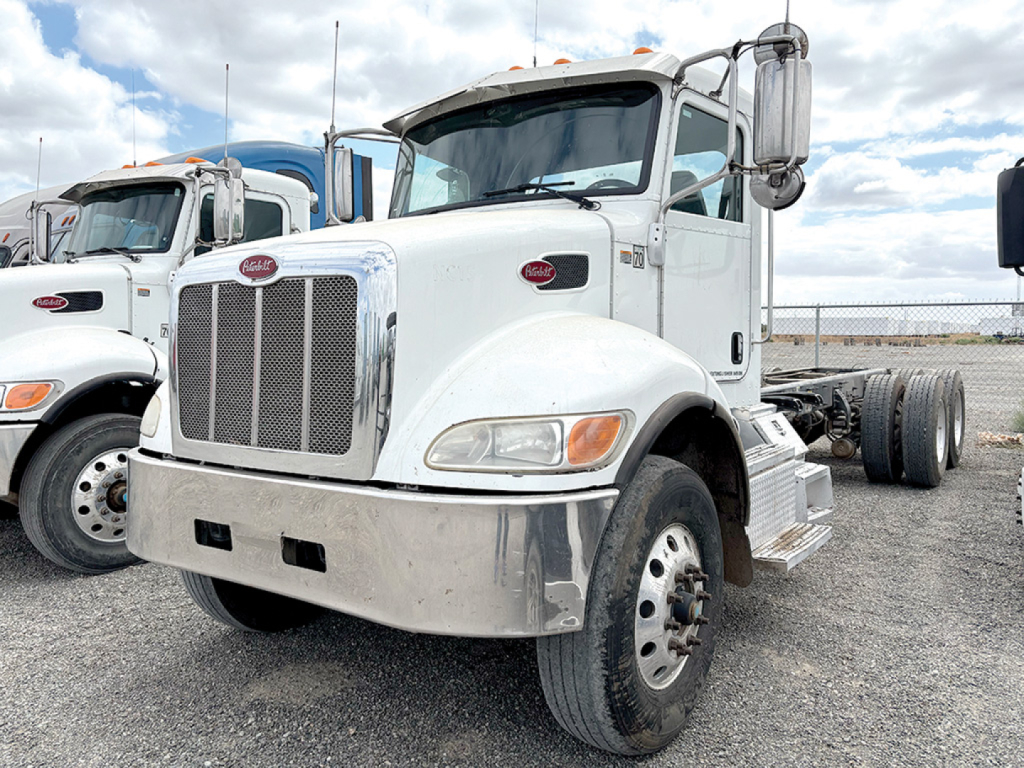
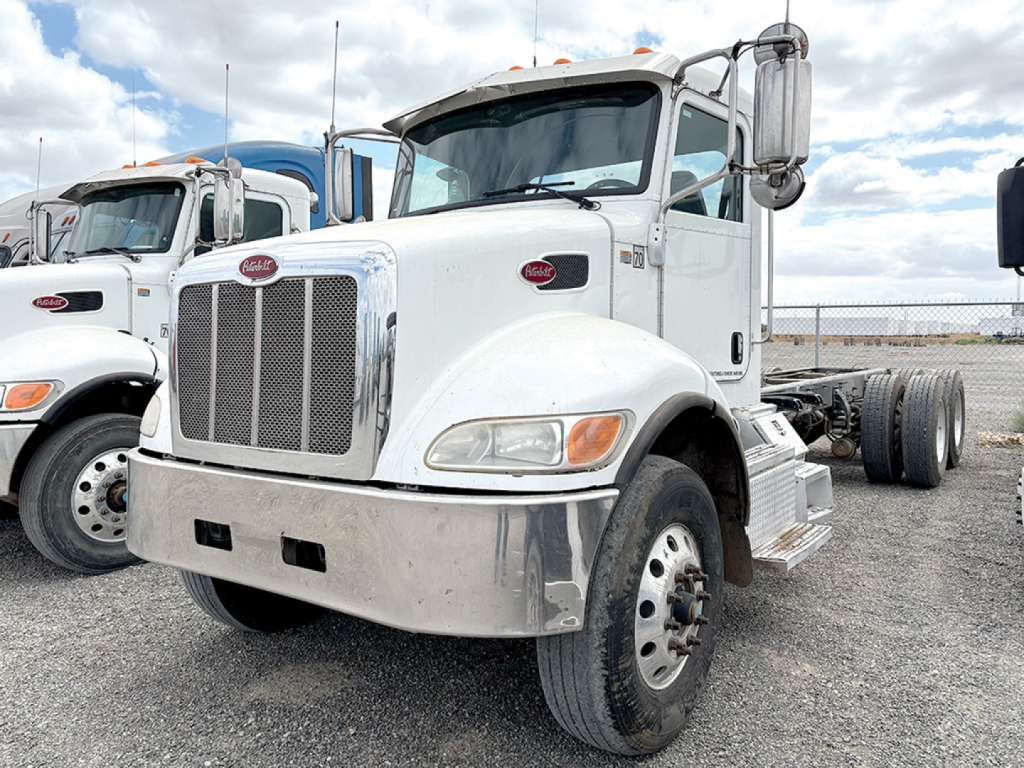
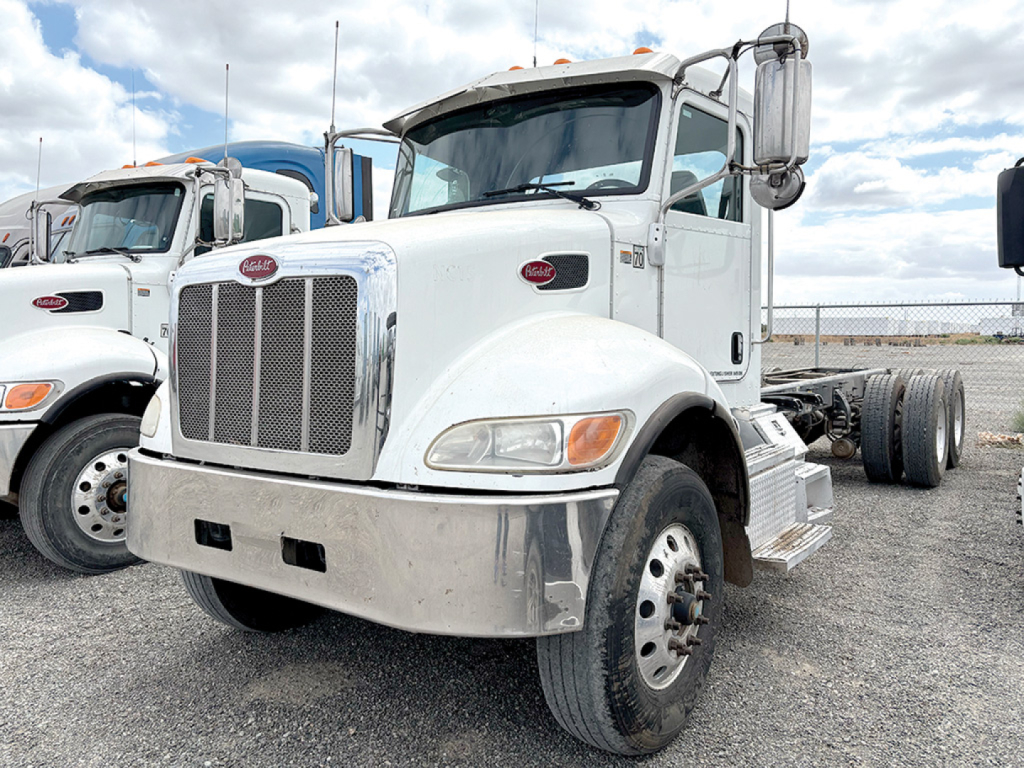

Selling a peterbilt truck? List your peterbilt truck for sale and reach thousands of commercial buyers.
Peterbilt Trucks in California
For highway use, Peterbilt conventional tractors are known for driver comfort, strong visibility, and straightforward spec choices across fleet and owner-operator applications. Common used configurations include 6x4 day cabs and sleepers with manual or automated transmissions, tandem rear axles, and engines such as the PACCAR MX series, Cummins ISX, and older Caterpillar power in pre-emissions vocational units. Key inspection points include clutch and transmission condition on 10-speed trucks, aftertreatment status, engine rebuild documentation, suspension wear, and tire setup such as duals versus super singles. Fuel capacity, wheelbase, fifth wheel placement, and front axle rating matter if the truck will handle heavy regional freight, port drayage, or local transfer work.
Vocational Peterbilts deserve a closer look at the frame and body integration. Models like the 365 are often spec'd with double frames, lift axles, steel dump bodies, and heavier front axle ratings for aggregate, demolition, and site work. Medium-duty models like the 337 are common in rollback and recovery service, municipal work, and equipment delivery, where PTO operation, hydraulic system condition, body manufacturer, and GVWR are more important than sleeper amenities. On these trucks, buyers should inspect hoists, winches, recovery booms, crossmembers, frame rail condition, and any signs of hard off-road use. A clean cab does not tell the whole story on a truck that has spent its life on job sites or in towing service.
California buyers usually benefit from comparing Peterbilt trucks by operating cost as much as by appearance. Parts availability is strong, resale is typically better than many competing brands, and there is broad familiarity with Peterbilt service points across the West Coast. The better purchase is usually the truck with the right axle ratio, legal weight capacity, engine history, and body spec for the route or job cycle. A lower-priced unit can become expensive quickly if the emissions system, hydraulic equipment, or suspension is mismatched to the work. Peterbilt trucks are also commonly referred to as conventional tractors, day cabs, dump trucks, rollback trucks, tow trucks, or medium-duty chassis depending on the configuration, so narrowing the search by actual job requirement is the fastest way to find the right fit.
Frequently Asked Questions about Peterbilt Trucks in California
What are the most common Peterbilt truck types found on the used market in California?
The most common Peterbilt trucks for sale in California include highway tractors such as day cabs and sleepers, vocational dump trucks, and medium-duty chassis used for rollback, towing, and municipal applications. Models like the 579, 386, 365, and 337 cover very different jobs, so buyers should shop by intended use first. The same Peterbilt badge can appear on a port tractor, a construction truck, or a recovery unit with completely different axle ratings, frame specs, and drivetrain requirements.
Which engines are commonly found in used Peterbilt trucks?
Used Peterbilt trucks commonly come with PACCAR MX engines, Cummins engines such as the ISX series, and in older vocational units, Caterpillar engines. The best choice depends on the truck's application, emissions requirements, and maintenance history. In California, engine and aftertreatment condition can be just as important as horsepower because compliance, downtime risk, and repair cost often drive the true cost of ownership.
What should I inspect on a used Peterbilt dump truck or vocational model?
On a used Peterbilt vocational truck, inspect the frame rails, crossmembers, suspension, lift axles, steering components, PTO operation, and body mounting points. For dump trucks, check the hoist, hydraulic lines, cylinder condition, dump valve function, tailgate operation, and box floor wear. Heavy vocational use can place more stress on the chassis than mileage alone suggests, so buyers should treat structural condition and body integration as priority items.
Are Peterbilt day cabs a good choice for regional hauling and port work?
Peterbilt day cabs are a strong fit for regional hauling, drayage, and local freight when the axle ratio, wheelbase, and fifth wheel position match the trailer and route. Many buyers choose them for driver comfort, visibility, and solid resale value. In California port and metro operations, it is especially important to verify emissions system status, maintenance records, and any local compliance requirements before purchase.
Do Peterbilt trucks generally hold their resale value?
Peterbilt trucks generally maintain strong resale value because the brand has broad name recognition, good parts support, and steady demand across both highway and vocational markets. Value still depends heavily on application, engine reputation, emissions status, and overall spec. A properly configured and well-documented truck usually attracts more serious buyers than a cheaper unit with missing service records or a mismatched drivetrain.