
2013 Peterbilt Trucks For Sale
Browse 2013 Peterbilt trucks for sale, including highway, vocational, and medium-duty models with specs on engines, axles, sleepers, and applications.


Selling a 2013 peterbilt truck? List your 2013 peterbilt truck for sale and reach thousands of commercial buyers.
2013 Peterbilt Trucks
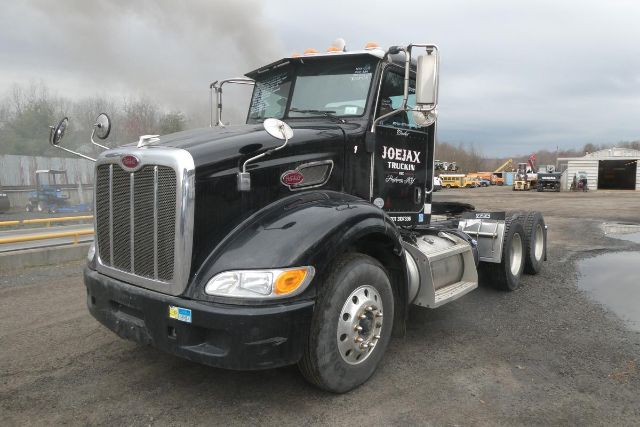
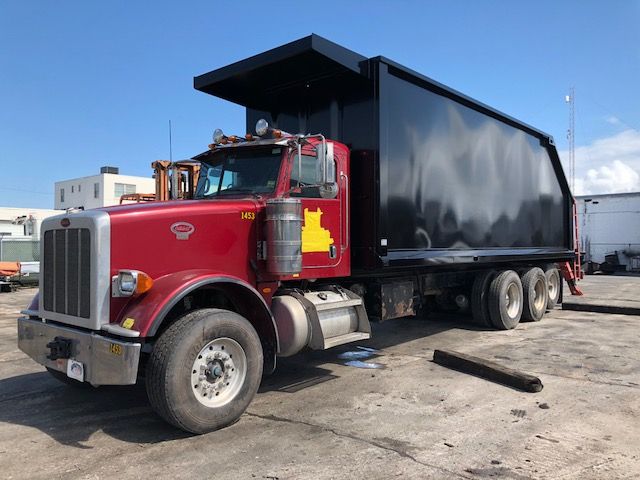
On highway units from this era, common spec decisions center on the engine and driveline. Many 2013 Peterbilt tractors were built with Cummins ISX, PACCAR MX, or other diesel platforms paired to Eaton Fuller manual, automated manual, or Allison automatic transmissions depending on vocation. Rear axle ratings around 40,000 pounds on tandem drives are common for over-the-road tractors, while medium-duty and vocational units may be single axle 4x2 setups with lower rear axle capacities and shorter wheelbases. Suspension choice also matters. Low Air Leaf and other air ride suspensions are common on highway trucks for ride quality and weight transfer, while vocational applications may prioritize heavier front axle ratings, locking differentials, and more rugged frame layouts.
Cab and sleeper configuration have a direct effect on resale appeal and operating cost. Peterbilt's conventional models from 2013 are often selected for driver comfort, service access, and strong owner-operator demand, especially in premium long-hood configurations. A buyer comparing sleeper trucks should look closely at sleeper length, roof style, fuel capacity, fairing package, and wheelbase because those specs tell you where the truck was intended to run. Shorter sleepers and higher numerical rear ratios generally point toward regional or heavier pulling work. Larger sleepers, aerodynamic trim, and faster ratios are more aligned with fuel-focused highway service. On medium-duty 2013 Peterbilts, body integration, PTO setup, front axle capacity, and cab-to-axle measurement are usually more important than sleeper or aero considerations.
Condition on a 2013 model is all about spec match and maintenance history. Emissions system service, engine family reputation, clutch or transmission wear, suspension bushing condition, steering components, and evidence of proper frame and body installation should all be part of the evaluation. On vocational trucks, inspect PTO operation, hydraulic systems, body mounts, and signs of frame modification. On sleeper tractors, pay attention to kingpin setting compatibility, fifth wheel travel, tire wear patterns, and signs the drivetrain ratio matches the intended freight. A well-spec'd 2013 Peterbilt still has strong value because these trucks remain attractive to fleets and owner-operators who want a durable platform with broad parts support and a proven used market.
Frequently Asked Questions about 2013 Peterbilt Trucks
What are the most common 2013 Peterbilt truck models buyers look for?
Common 2013 Peterbilt models include highway tractors such as the 386, 388, and 389, along with medium-duty and vocational platforms like the 337 and heavier vocational models such as the 367. The right model depends on the job. A 389 is often chosen for premium owner-operator and long-haul applications, while a 337 is more common in rollback, box, utility, or municipal service. Model number alone does not tell the full story, so buyers should compare axle ratings, wheelbase, engine, transmission, and body configuration.
Which engines are typically found in a 2013 Peterbilt truck?
Many 2013 Peterbilt trucks were spec'd with Cummins ISX or PACCAR MX engines in Class 8 applications, while medium-duty models often used smaller Cummins diesel engines. The best choice depends on your route profile, emissions maintenance expectations, and horsepower needs. Buyers should verify horsepower and torque ratings, engine brake configuration, emissions service history, and whether the truck was built for fuel economy or heavier vocational work.
Is a 2013 Peterbilt better suited for highway use or vocational work?
A 2013 Peterbilt can be well suited to either, but only if the truck was originally spec'd for that role. Highway tractors typically have tandem axles, sleeper cabs, air ride suspension, aerodynamic accessories, and gearing aimed at road speed and fuel economy. Vocational trucks usually have shorter wheelbases, heavier front axles, PTO provisions, body equipment, and drivetrain specs that support stop-and-go duty or off-road jobsite work. The application matters more than the model year.
What should I inspect first on a used 2013 Peterbilt?
Start with the engine, emissions system, transmission, and rear axle setup because those components determine operating cost and job fit. Then inspect frame condition, suspension wear, steering play, brake system condition, tire wear, and signs of accident or corrosion repair. On body-upfitted trucks, confirm that the body installation is clean and that PTO, hydraulics, electrical connections, and controls work correctly. Maintenance records are especially important on a 2013 truck because age-related wear can vary widely by prior use.
Are 2013 Peterbilt trucks still a good value in the used market?
Yes, many 2013 Peterbilt trucks remain strong used-market candidates because Peterbilt has consistent demand, broad service support, and good resale recognition. Value depends less on age alone and more on the original spec, current condition, emissions history, and how closely the truck matches your operation. A properly maintained 2013 Peterbilt with the right driveline and axle package can still be a productive asset for regional haul, long-haul, or vocational service.