
2017 Peterbilt Trucks For Sale
Browse 2017 Peterbilt trucks for sale, including sleeper, day cab, vocational, and medium-duty models with Cummins or PACCAR power.

Selling a 2017 peterbilt truck? List your 2017 peterbilt truck for sale and reach thousands of commercial buyers.
2017 Peterbilt Trucks
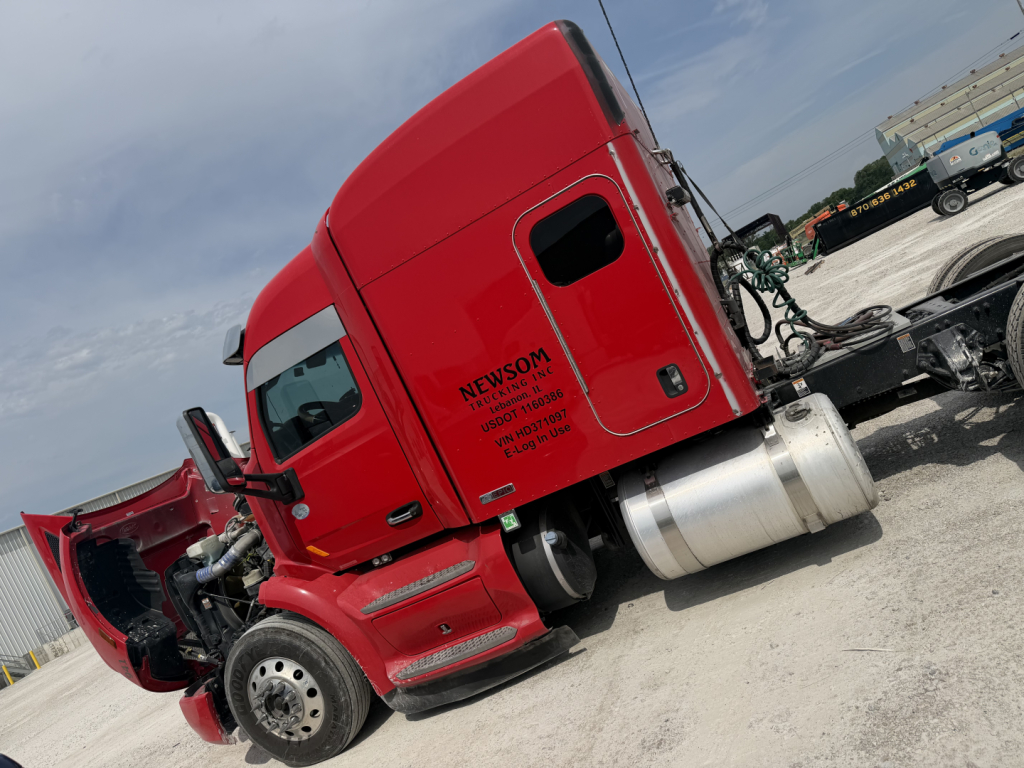
For highway use, 2017 Peterbilt day cabs and sleepers are commonly spec'd with 12-speed automated manuals or 10-, 13-, and 18-speed manual transmissions, tandem drive axles, and ratios chosen around fuel economy or gradeability. A 40,000-pound rear axle setup is common on road tractors, with wheelbases and sleeper sizes varying widely depending on regional or over-the-road use. On a 2017 Peterbilt 587 or similar aerodynamic sleeper, buyers typically focus on horsepower, rear ratio, bunk configuration, fairings, and overall miles and idle hours. If the truck will stay in regional lanes, a lighter spec with a downsped drivetrain may make sense. If it will pull heavy or run mountainous terrain, transmission choice, engine brake performance, and maintenance history matter more than cosmetic upgrades.
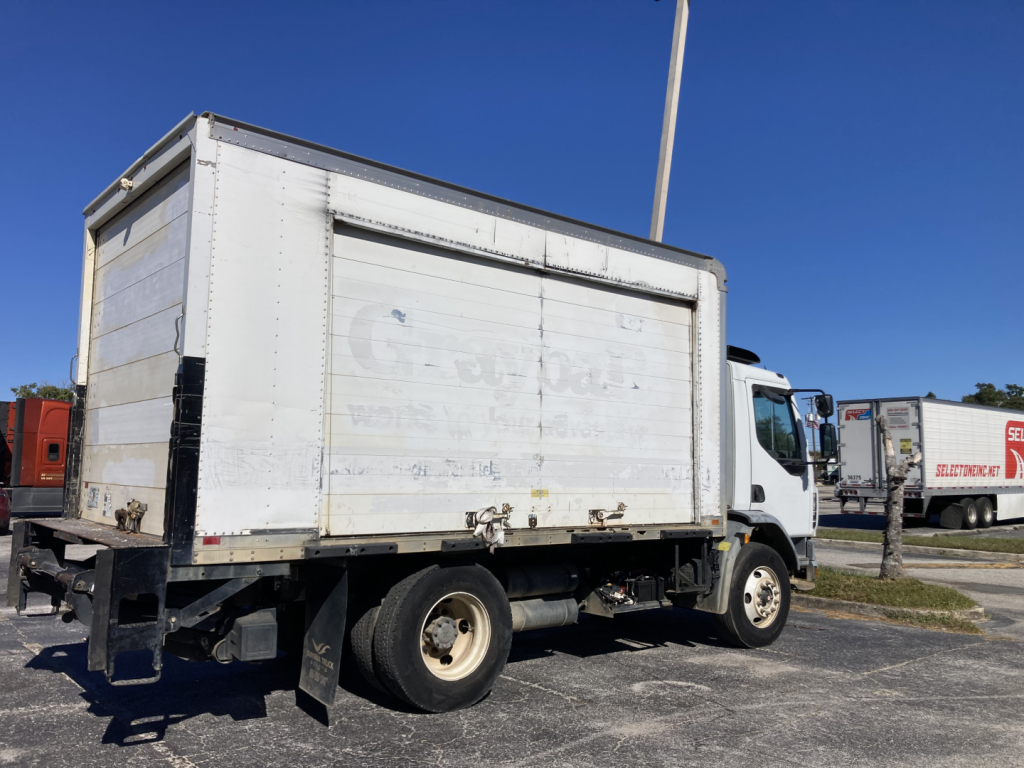
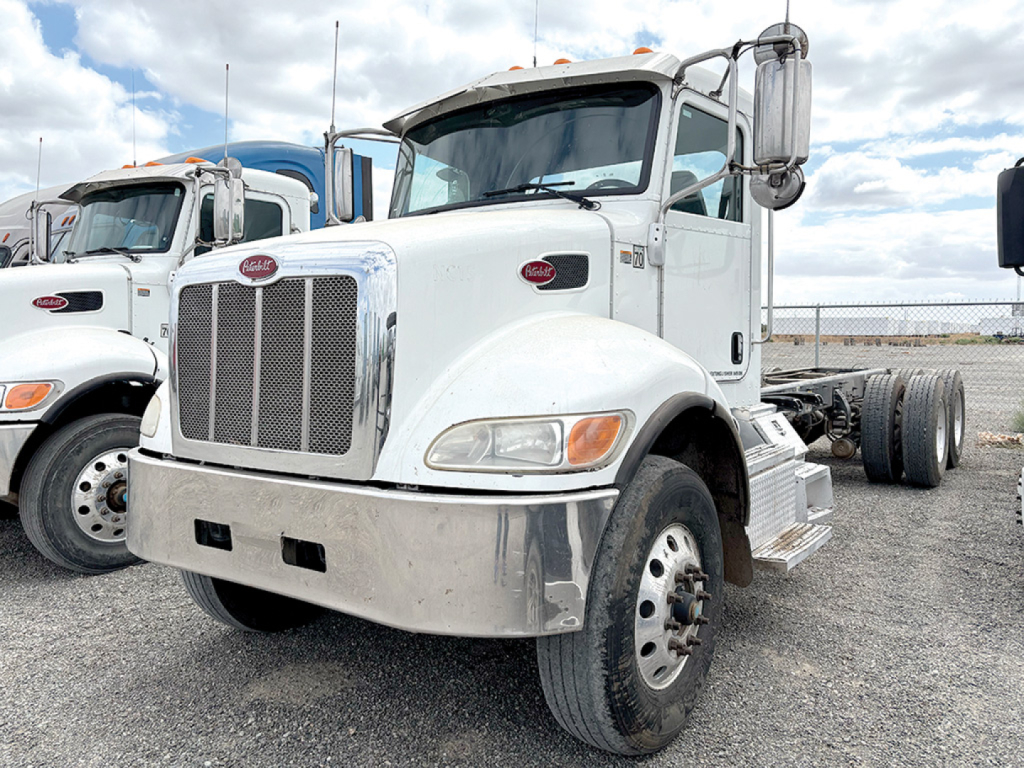
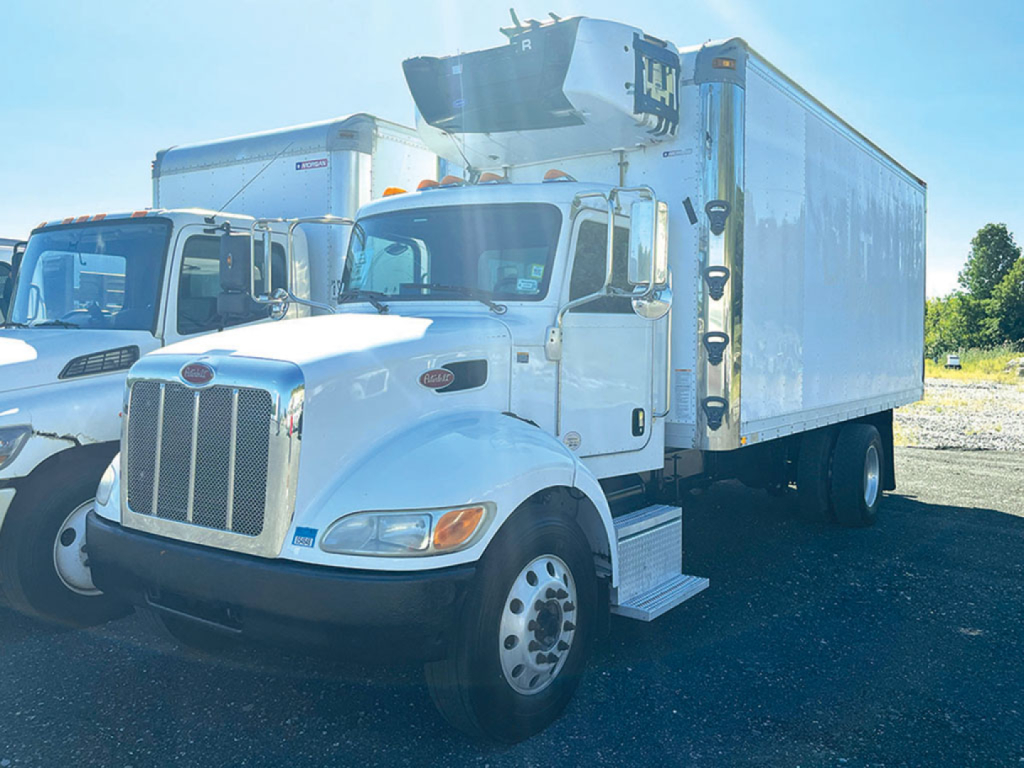
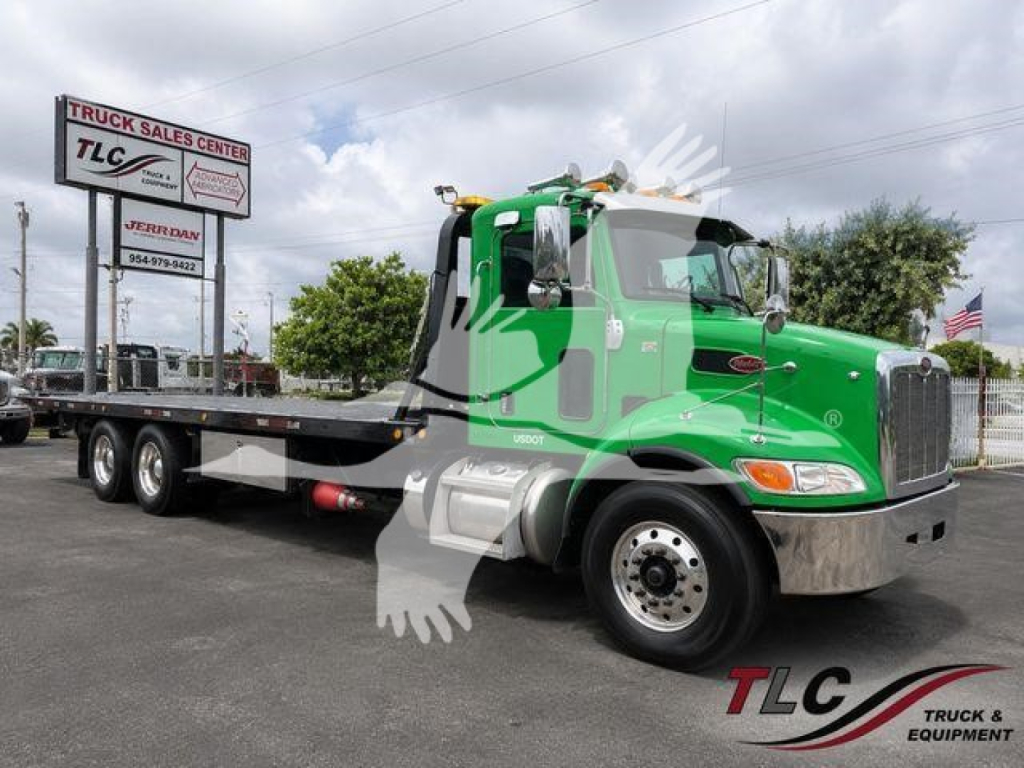
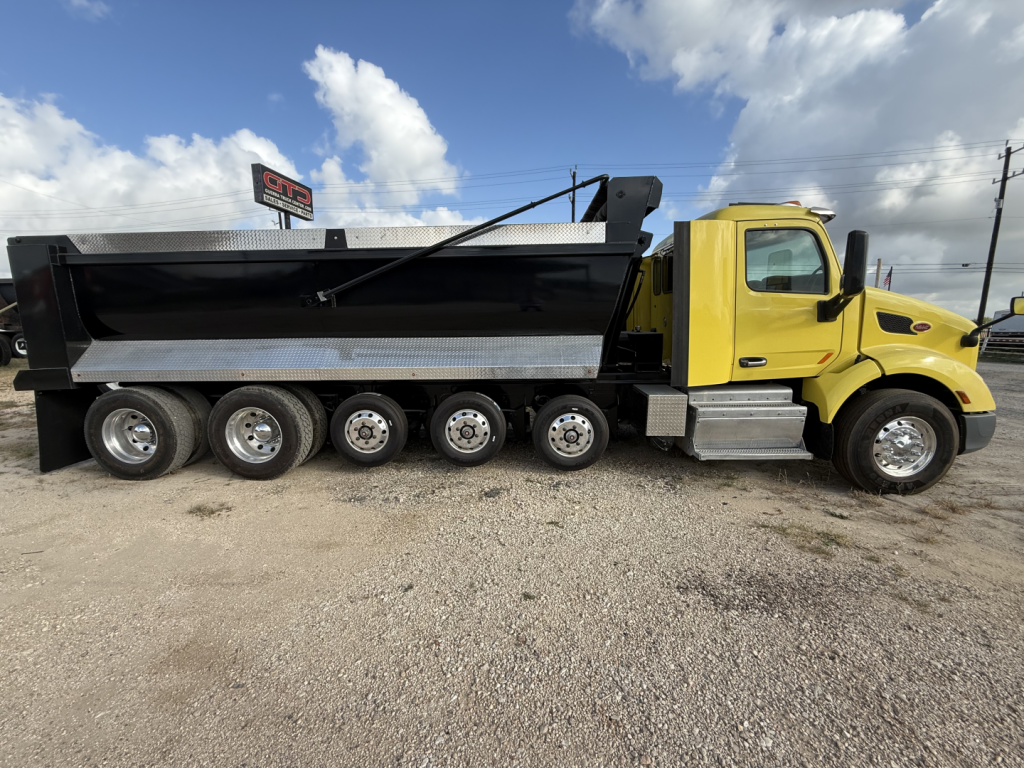
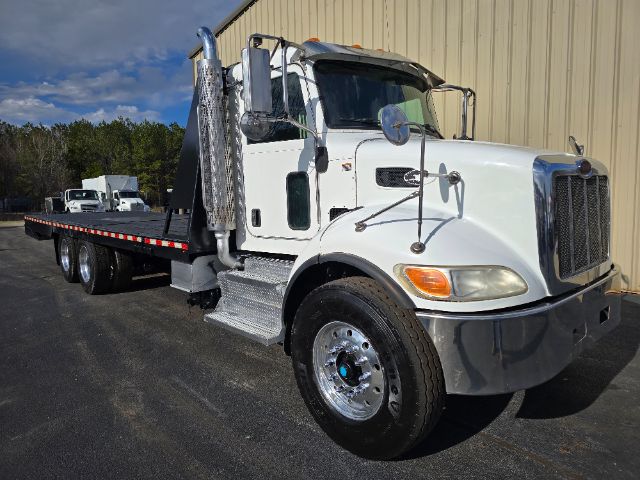
In medium-duty and vocational trims, 2017 Peterbilt trucks are often selected for body-builder flexibility and a clean, recognizable cab design. Rollback carriers, wreckers, dumps, hooklifts, and utility bodies are common on the 330-, 337-, and 348-series chassis. Key buying points include front axle rating, rear suspension type, PTO provisions, frame reinforcement, wheelbase, and whether the truck uses air or hydraulic brakes. A truck with a PX-9 and Allison automatic, for example, fits well in towing and municipal applications where stop-and-go work, PTO operation, and driver turnover are part of the job. Cab condition, steering and suspension wear, rust around body mounts, and the health of aftertreatment components are especially important on trucks that have spent years in urban or severe-service environments.
Across the full 2017 Peterbilt lineup, buyers should pay close attention to emissions system service records, DEF system condition, engine hours versus miles, and any signs of hard vocational use that may not show up in the odometer alone. Also verify axle ratings, GVWR, brake type, tire size, and frame spec against the job the truck needs to do. Peterbilt remains a strong choice for operators who value resale, cab ergonomics, and broad application coverage, but the right 2017 truck is always the one with the correct original spec and a maintenance history that supports it.
Frequently Asked Questions about 2017 Peterbilt Trucks
What are the most common 2017 Peterbilt truck models buyers look for?
The most commonly searched 2017 Peterbilt trucks usually include medium-duty models like the 337 and 348, plus highway tractors such as the 579 and 587. The right model depends on the job. A 337 or 348 is often used for towing, rollback, box, dump, or utility work, while a 579 or 587 is more likely to be spec'd for regional or long-haul freight. Buyers should compare the model series first because cab configuration, frame layout, axle ratings, and engine options vary significantly across the lineup.
What engines are common in a 2017 Peterbilt truck?
Common engines in 2017 Peterbilt trucks include the PACCAR PX-7, PX-9, MX-11, and MX-13, along with Cummins engines in certain applications, especially on heavier highway specs. Medium-duty vocational trucks often use PX-series engines paired with Allison automatics, while highway tractors are more likely to carry larger displacement engines with automated manual or manual transmissions. The best engine choice depends on load, terrain, maintenance support, and whether fuel economy or heavy-haul performance is the higher priority.
Is a 2017 Peterbilt a good choice for vocational work?
A 2017 Peterbilt can be a strong vocational choice if the chassis was originally ordered for that purpose. Models used for towing, dump, municipal, or service applications are often built with PTO capability, heavier front axles, double frames, and suspension packages suited to severe duty. Buyers should verify the frame spec, wheelbase, brake system, rear axle rating, and body integration details before purchase. Vocational trucks can accumulate lower miles but still see very hard service, so engine hours, hydraulic system condition, and frame integrity matter as much as overall appearance.
What should buyers inspect on a used 2017 Peterbilt truck?
Buyers should inspect maintenance records, aftertreatment history, DEF system operation, engine hours, transmission behavior, suspension wear, and any evidence of frame modification or accident repair. On highway tractors, pay close attention to clutch or automated manual operation, rear ratio, fifth wheel condition, and signs of excessive idle time. On vocational units, check PTO function, body mounts, hydraulic components, steering wear, and front axle loading. A complete review of ECM data, fault codes, and service documentation is often more valuable than a clean exterior.
Do 2017 Peterbilt trucks hold their value well?
2017 Peterbilt trucks generally retain value well compared with many competing brands, especially when they have a desirable powertrain, clean service history, and a usable vocational or fleet spec. Resale is usually strongest on well-maintained sleepers, day cabs, and medium-duty chassis with broad application appeal. Value still depends heavily on mileage, engine family, emissions compliance history, axle configuration, and regional demand. Trucks with documented maintenance and original, unmodified specs typically perform better in the secondary market.