
2017 Commercial Trucks For Sale
Shop 2017 trucks for sale including day cabs, sleepers, vocational and medium-duty models. Compare specs, engines, GVWR, and applications.
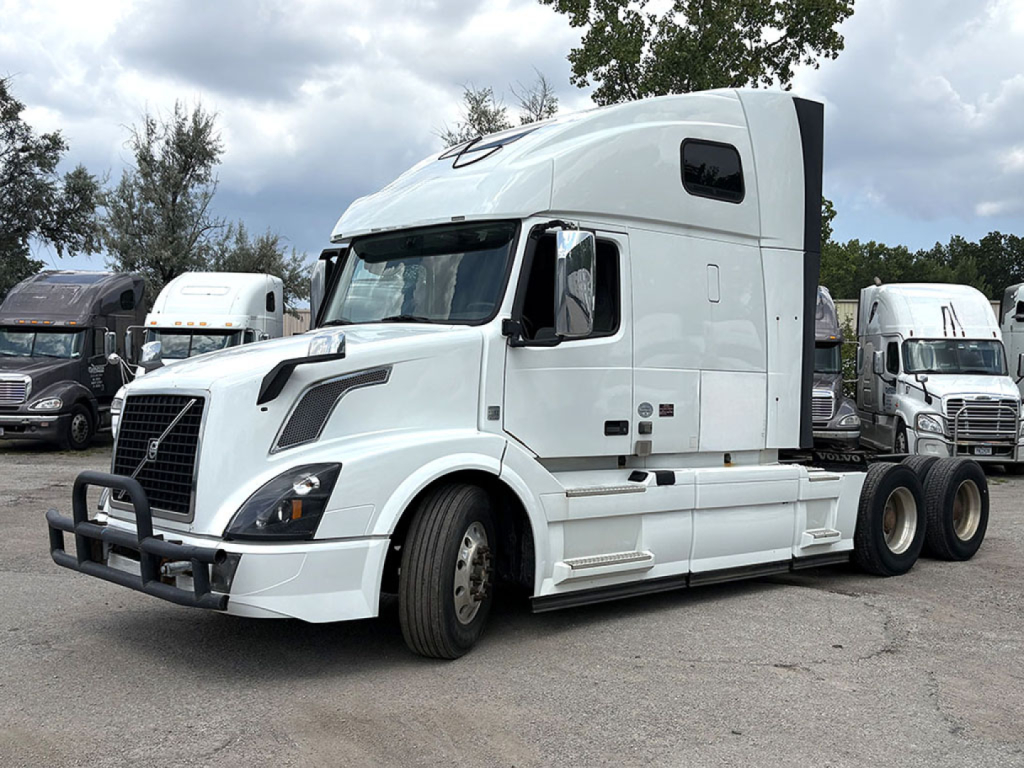
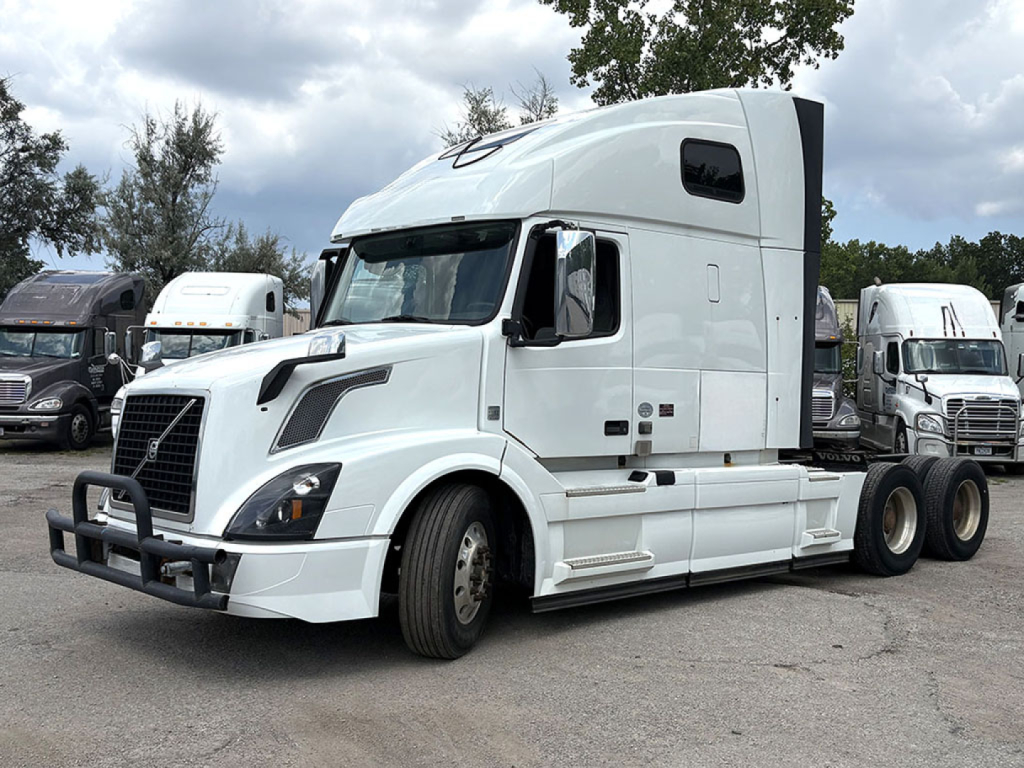
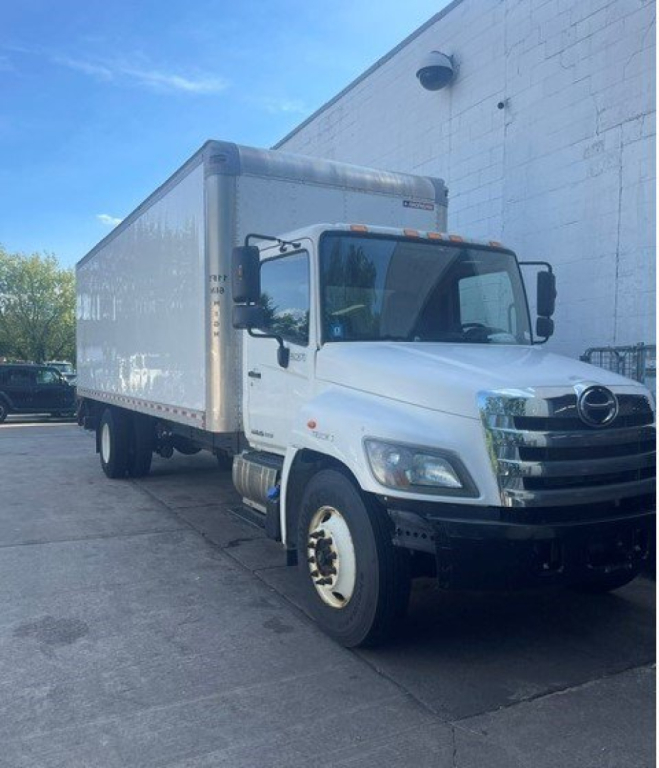
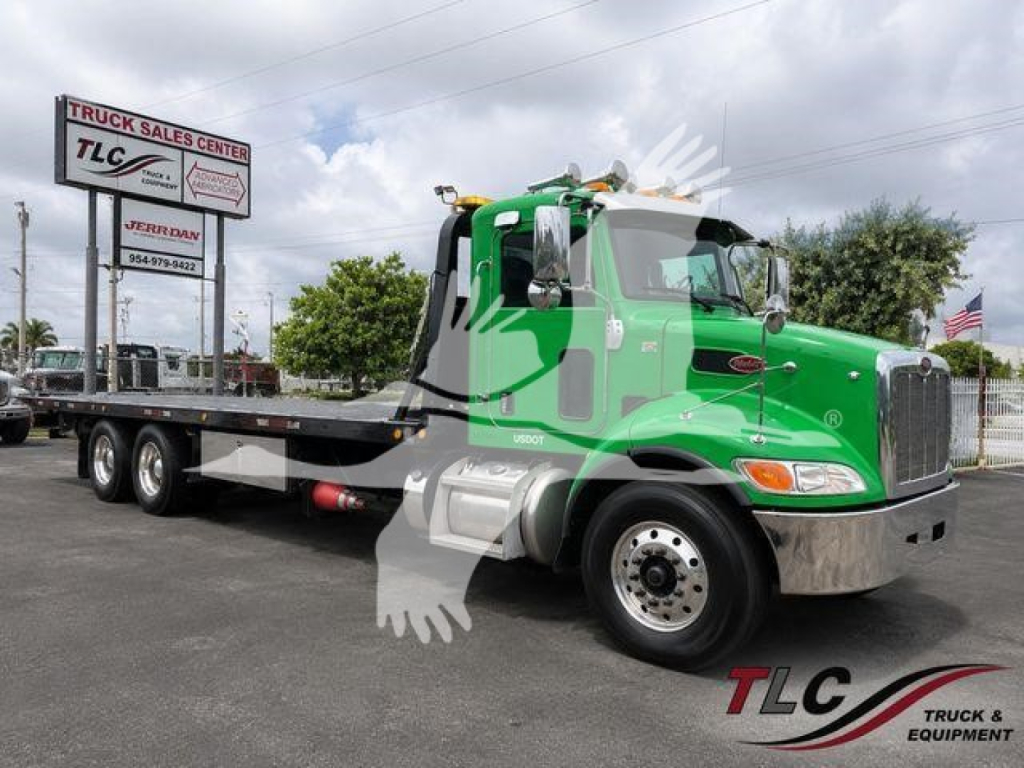
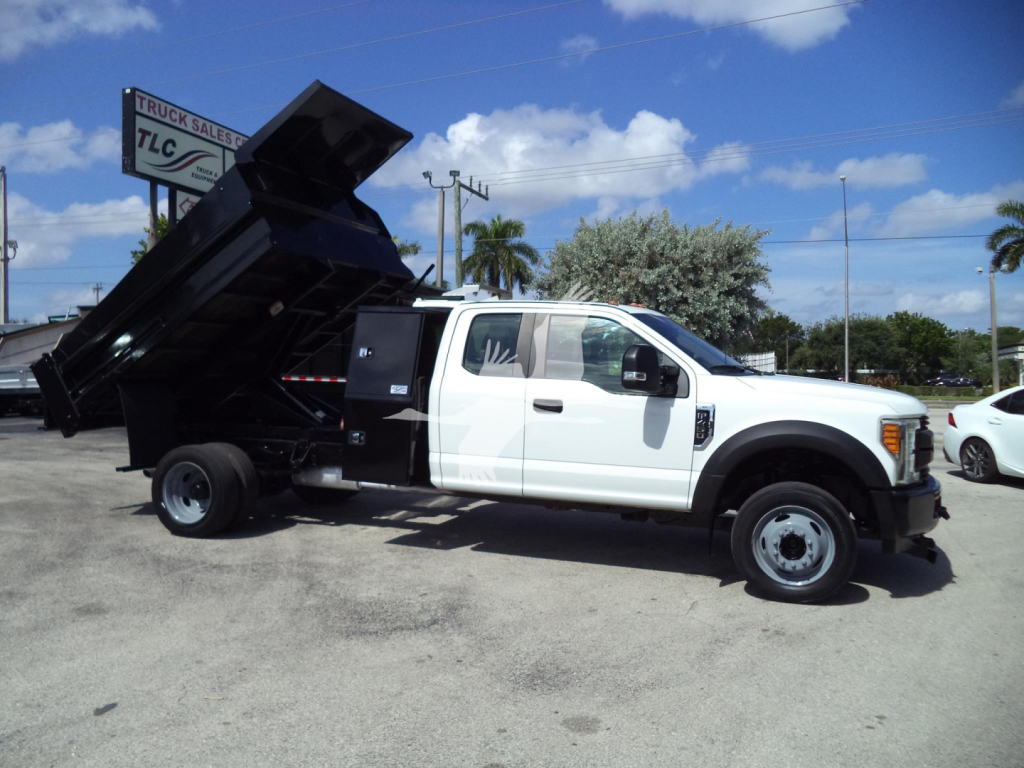
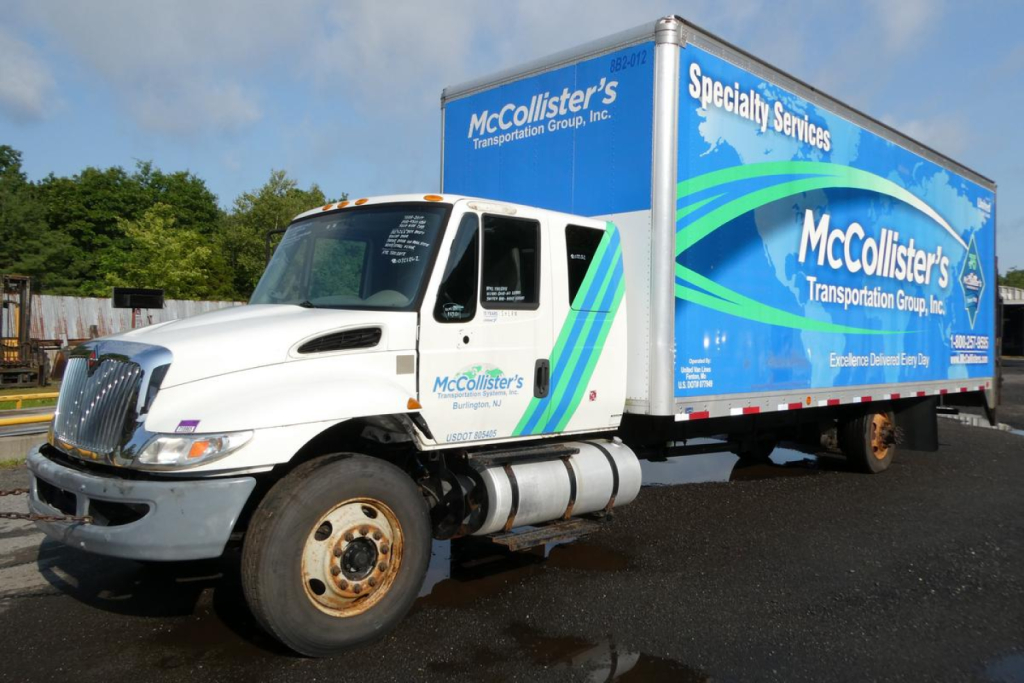
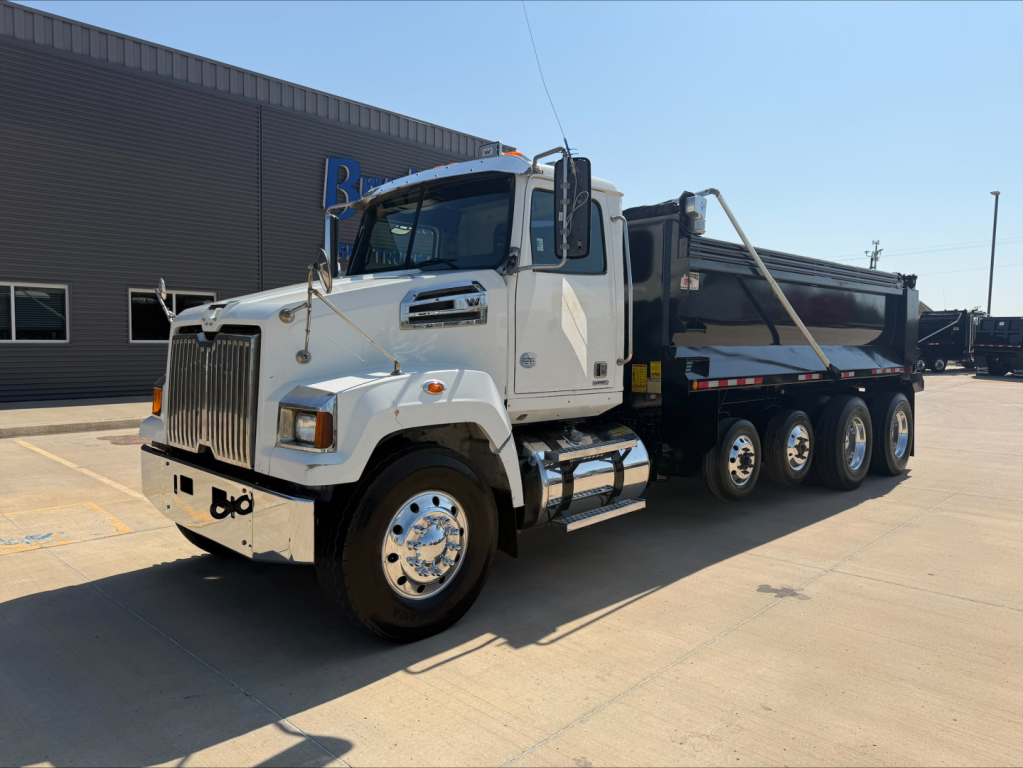
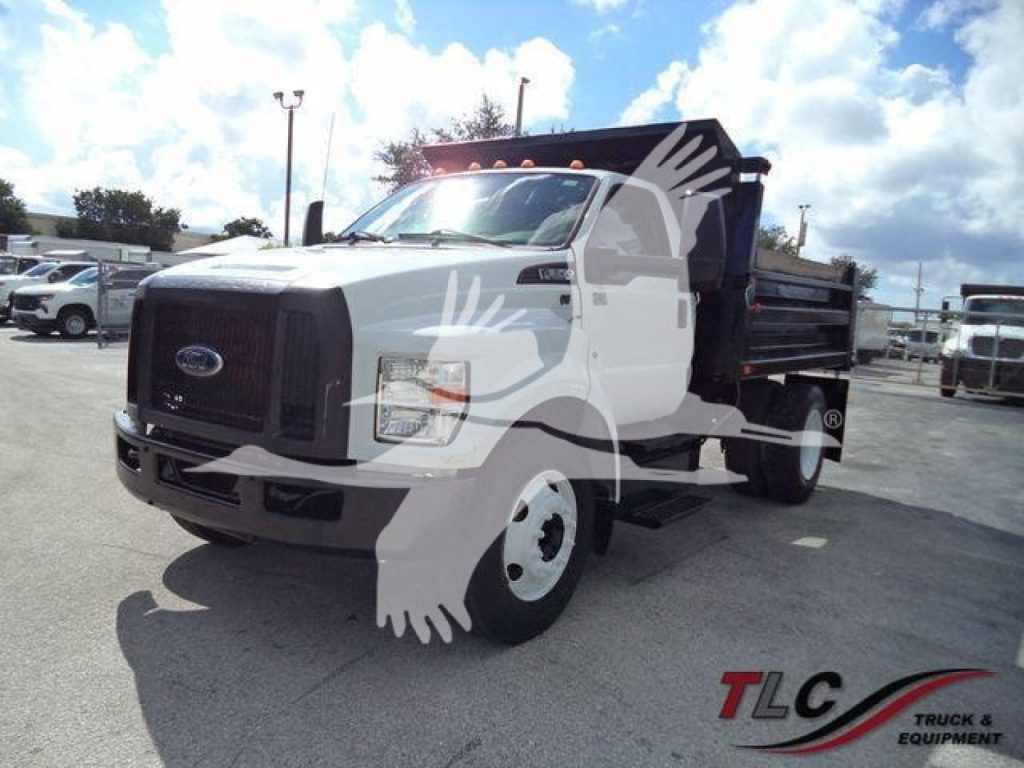
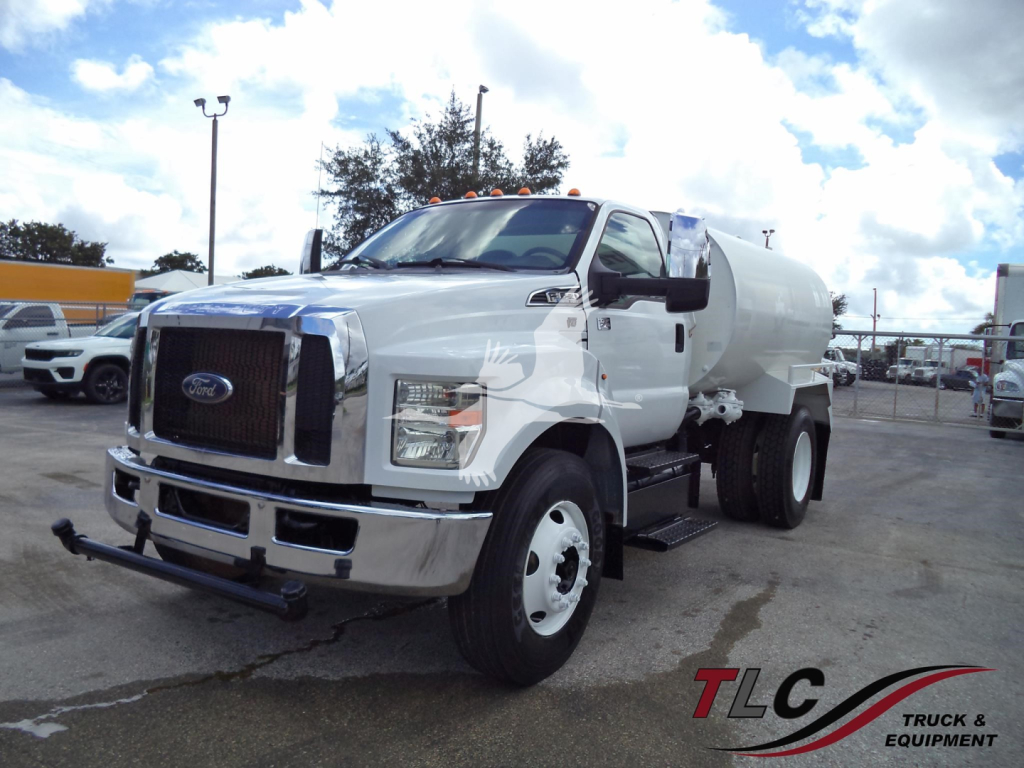
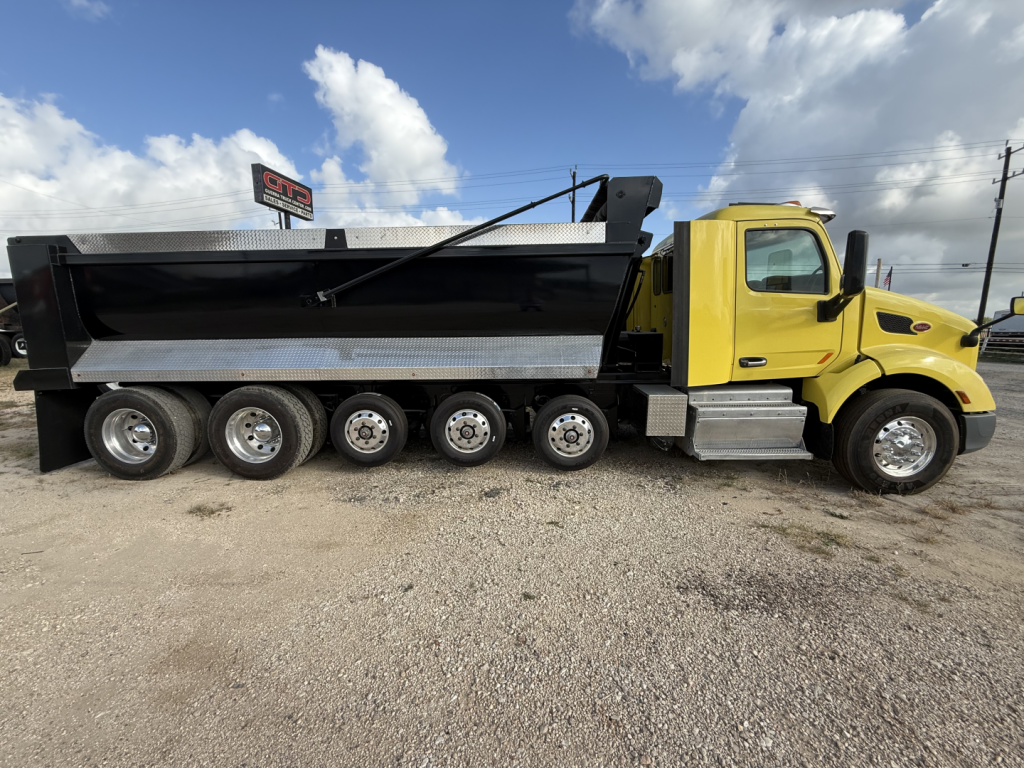
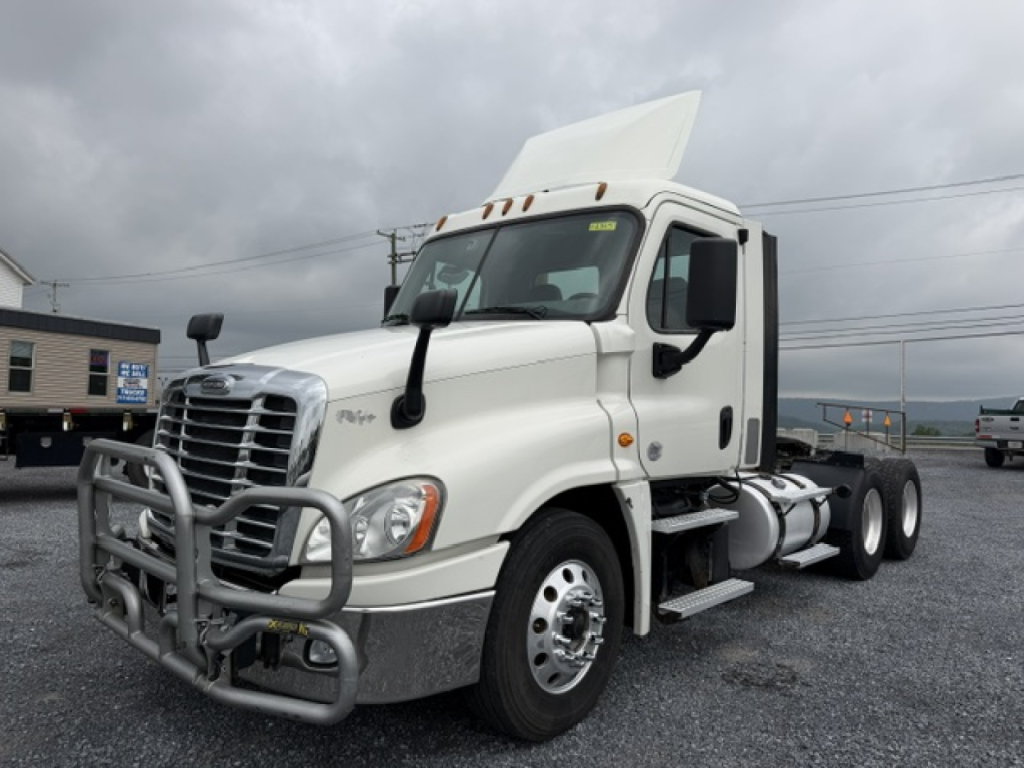
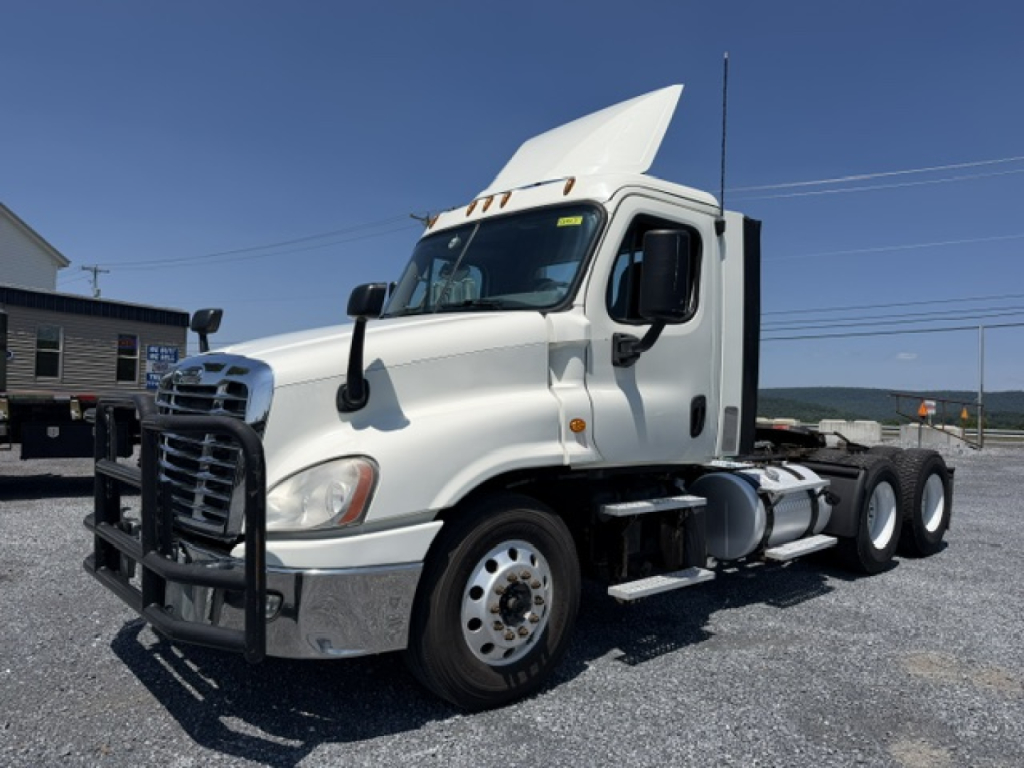
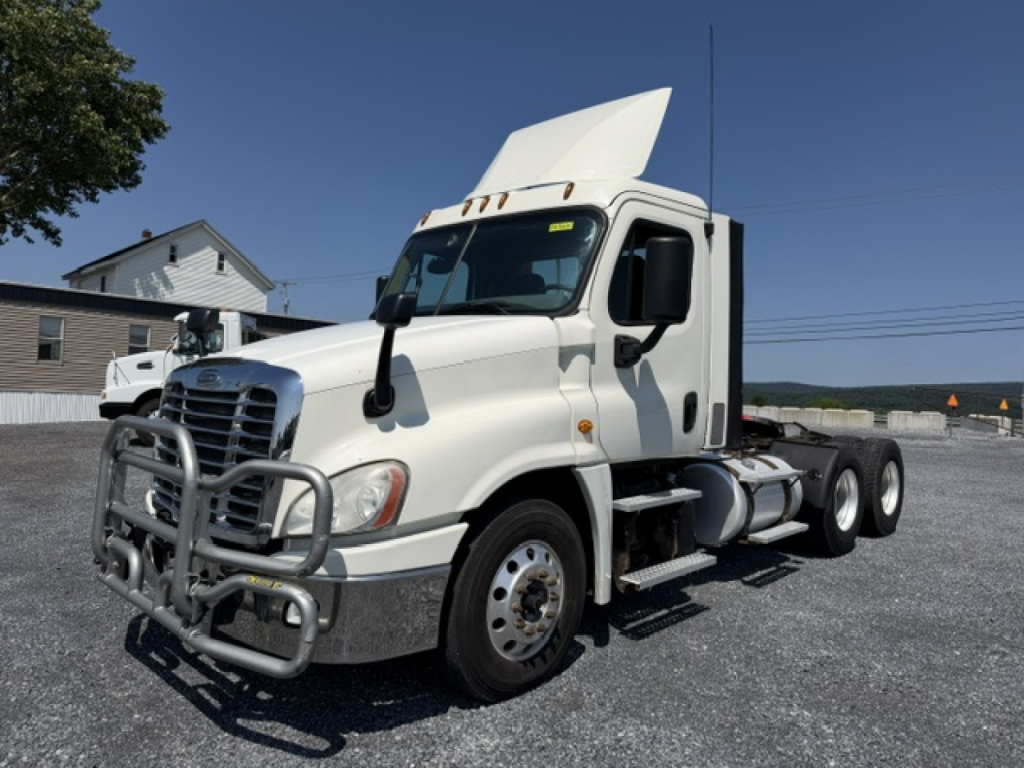
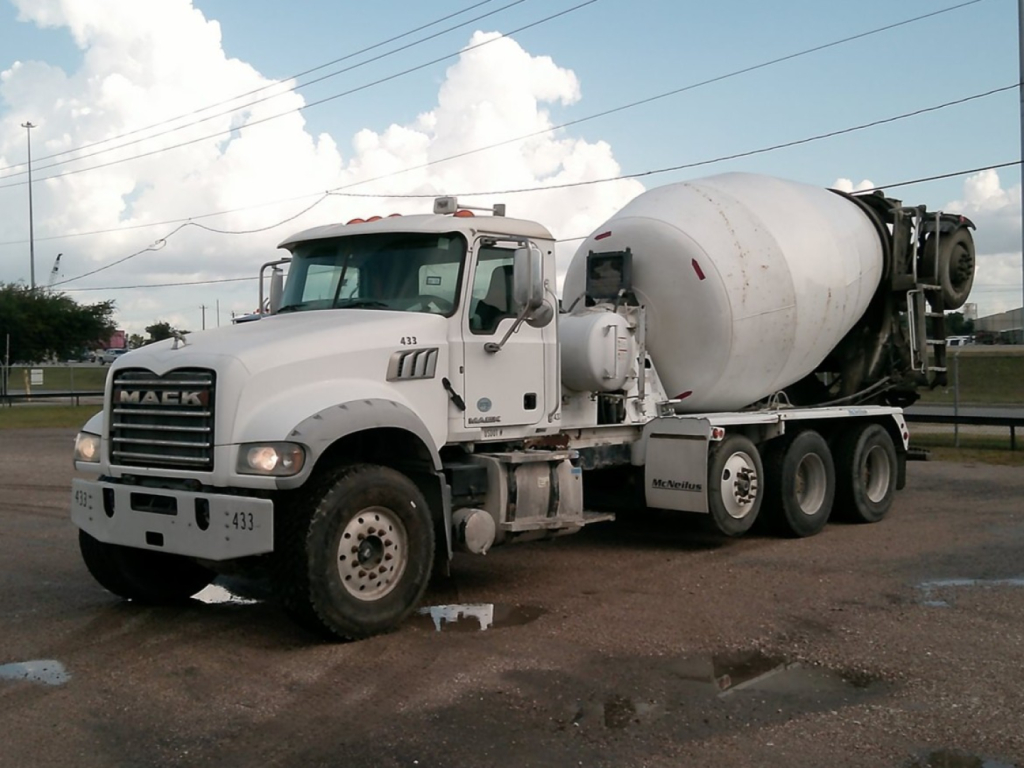
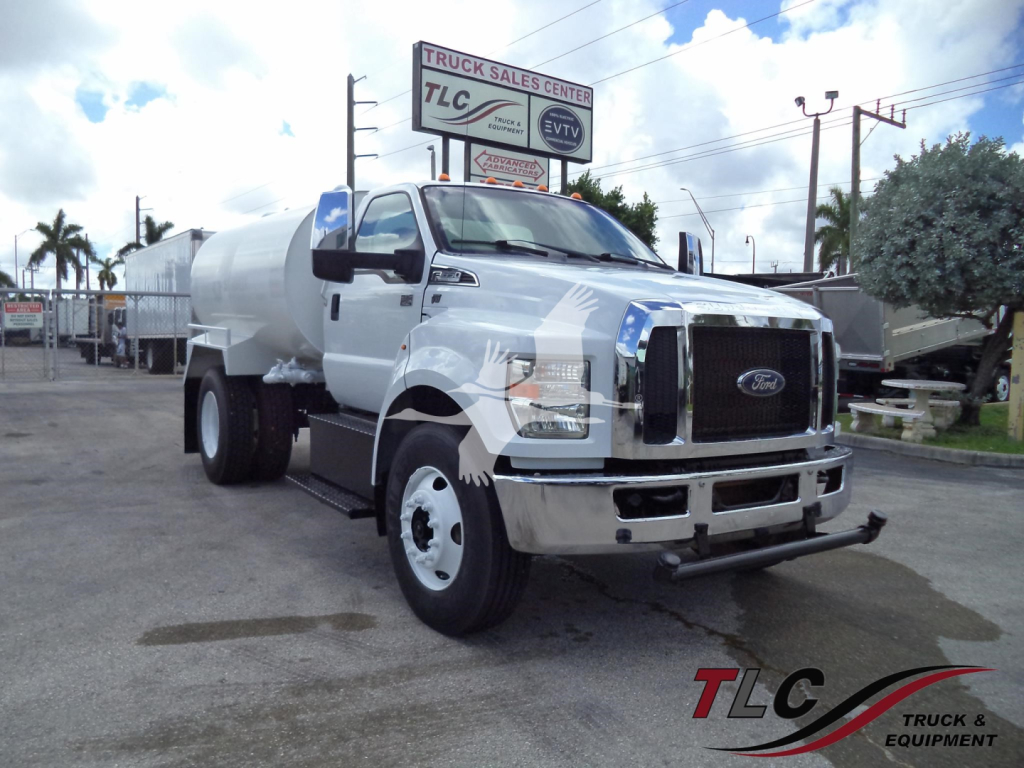
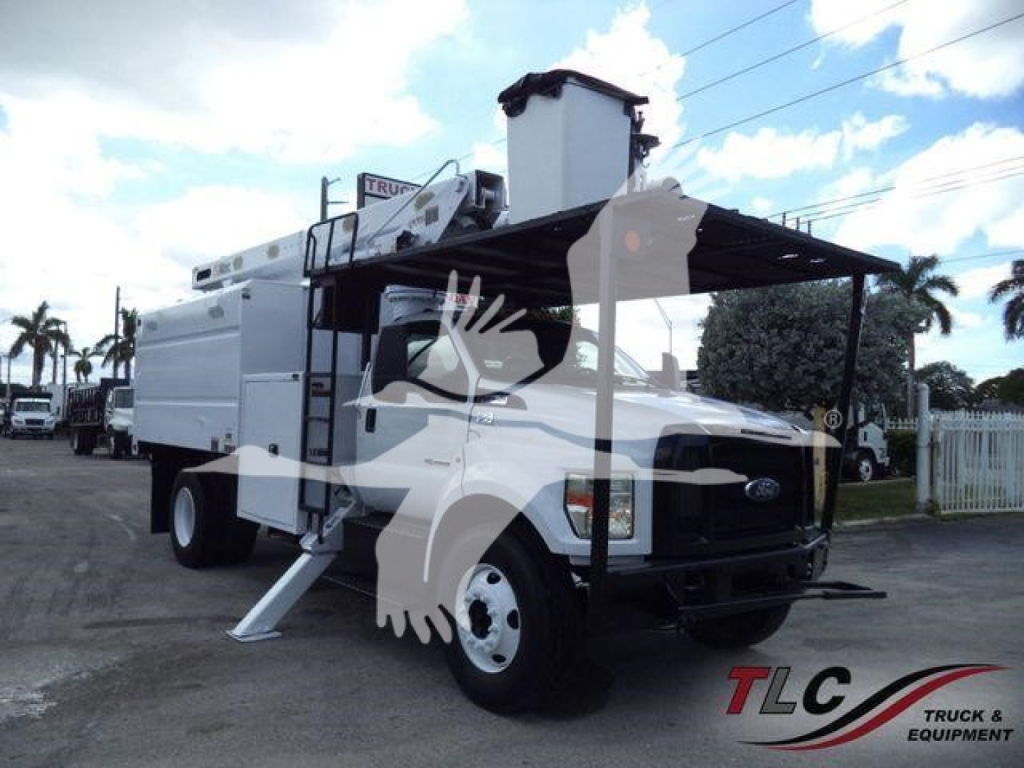
2017 Ford F750 Sd
74,854 mi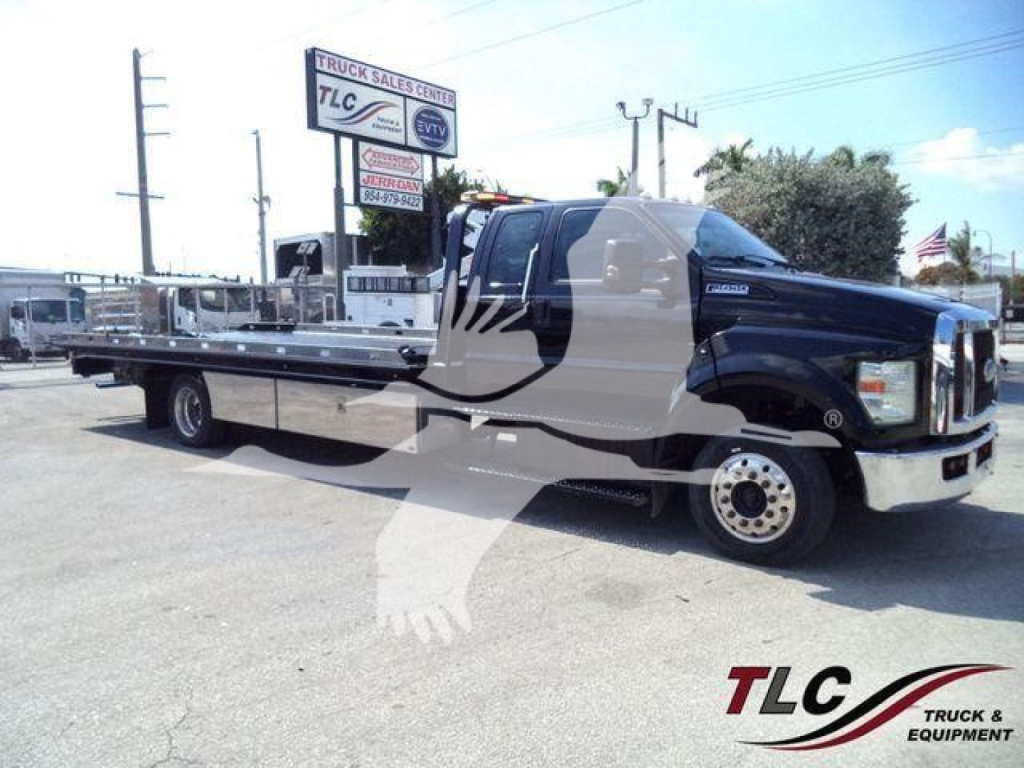
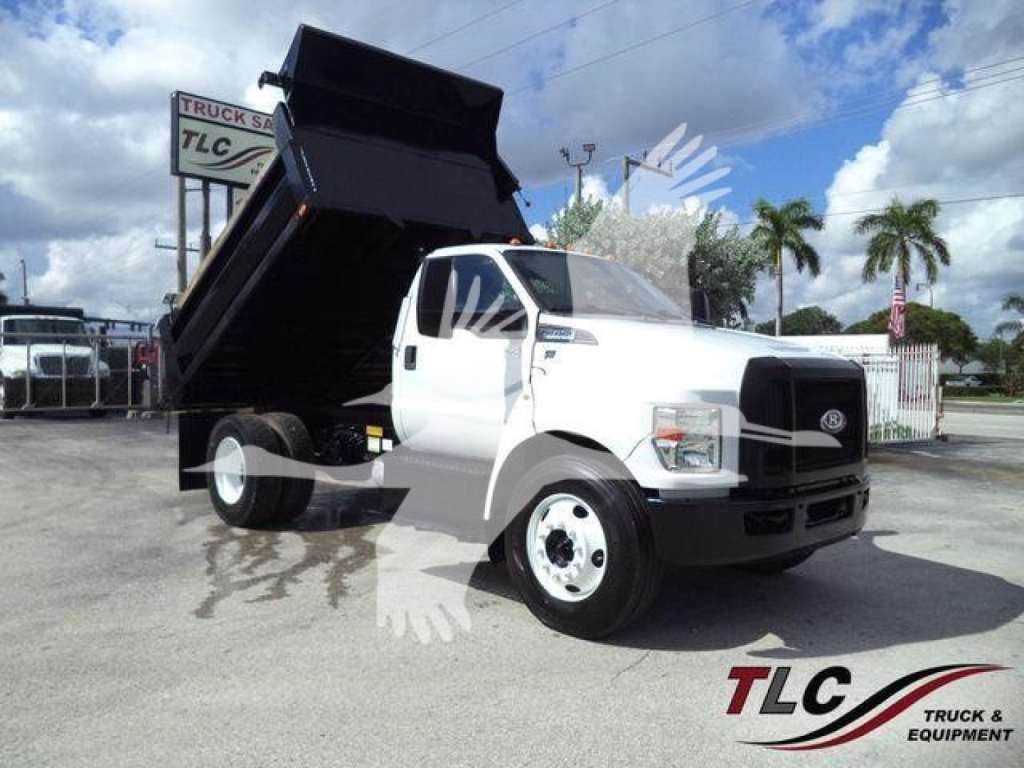
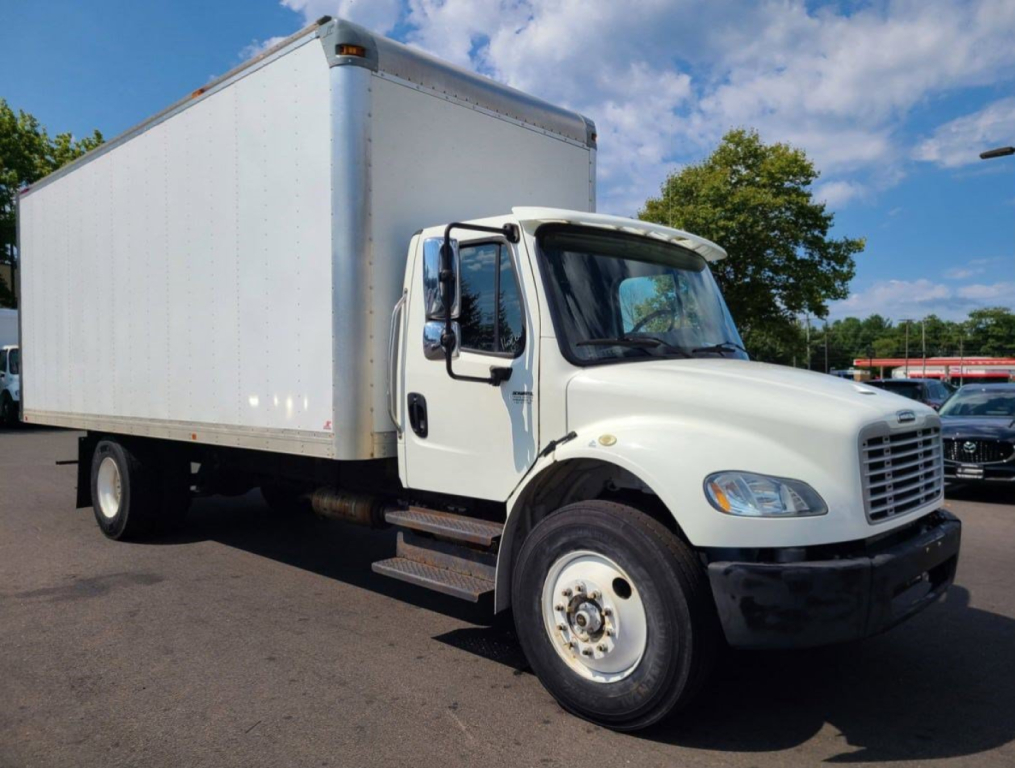
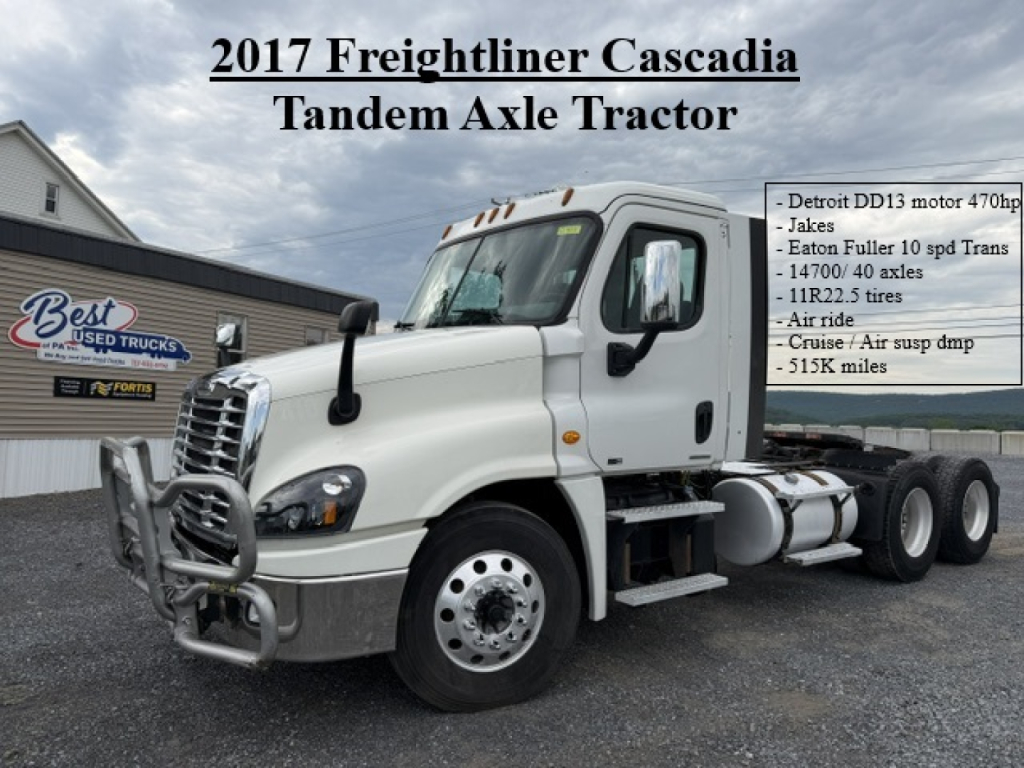
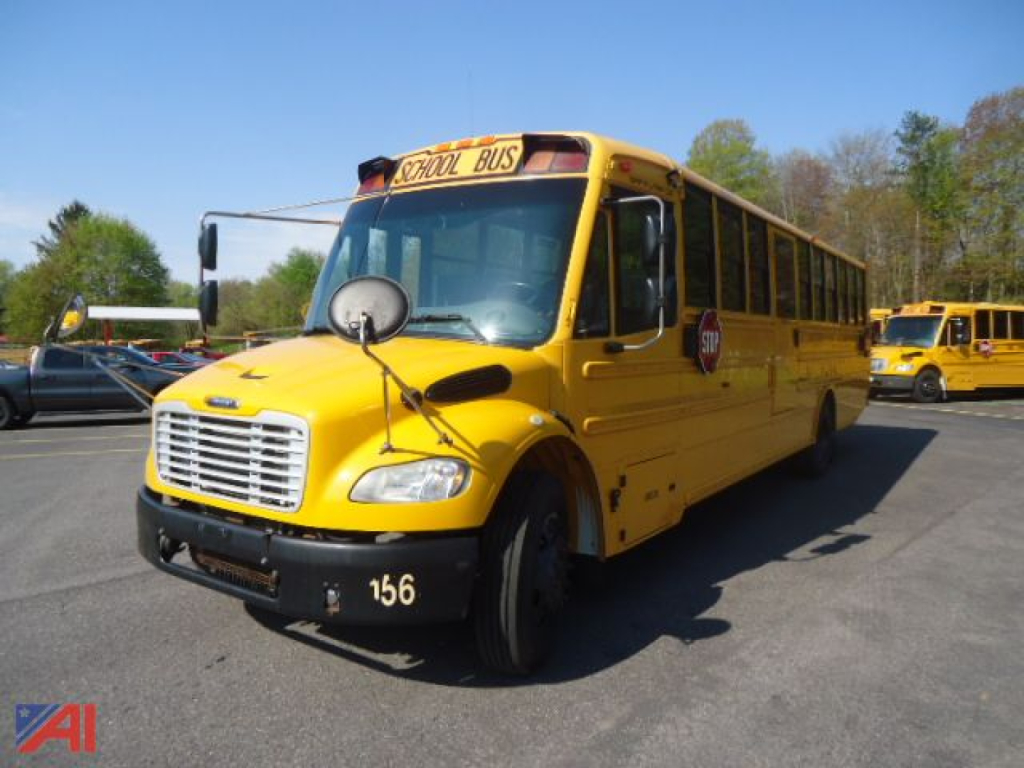
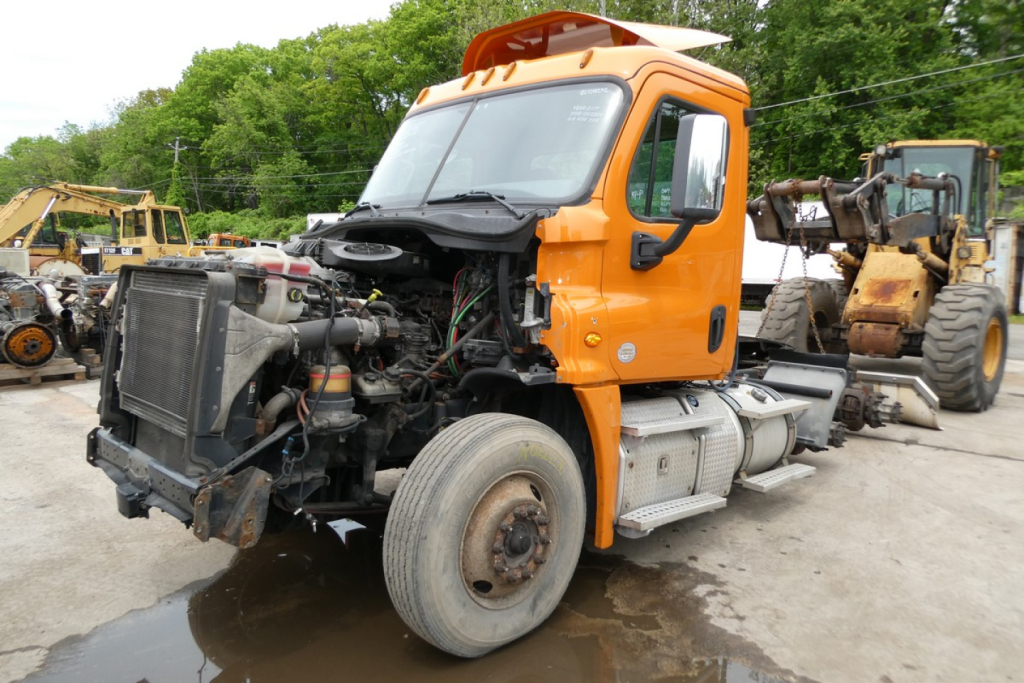
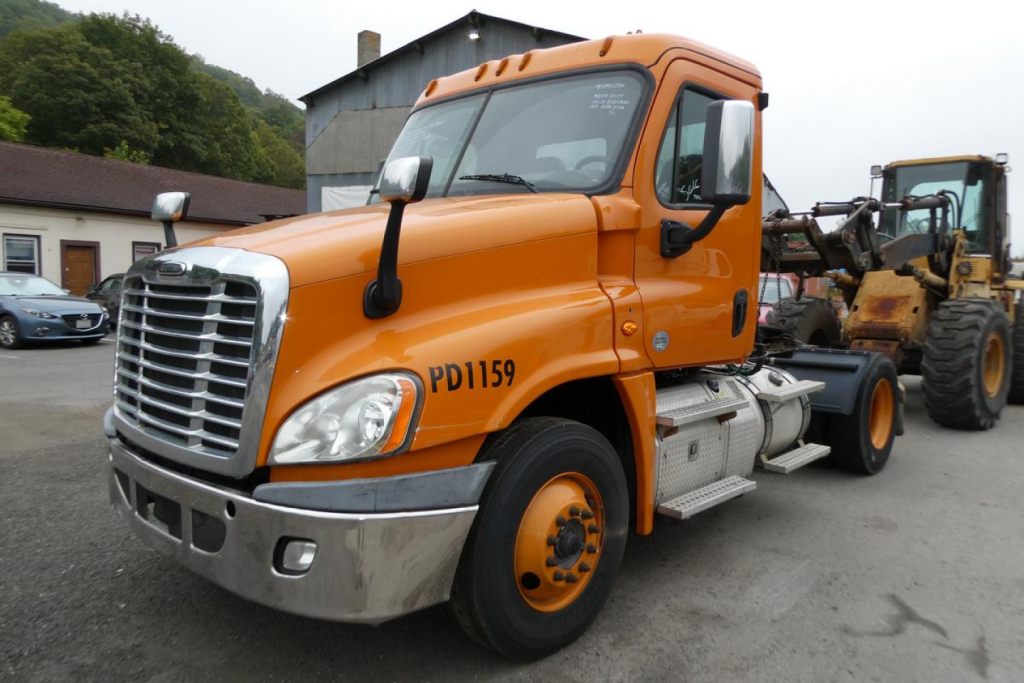
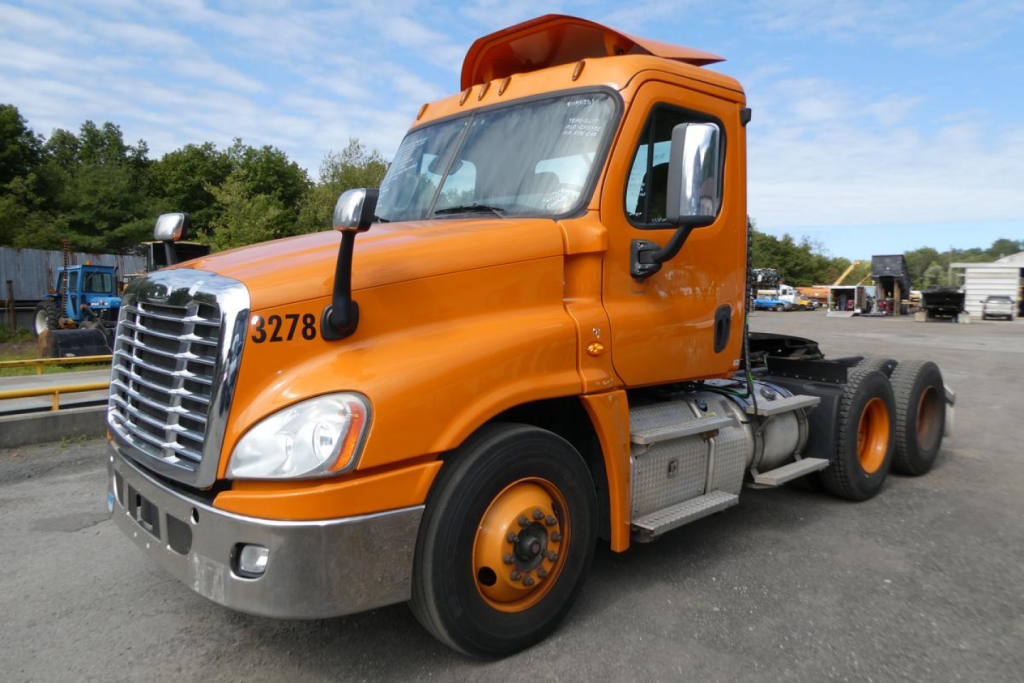
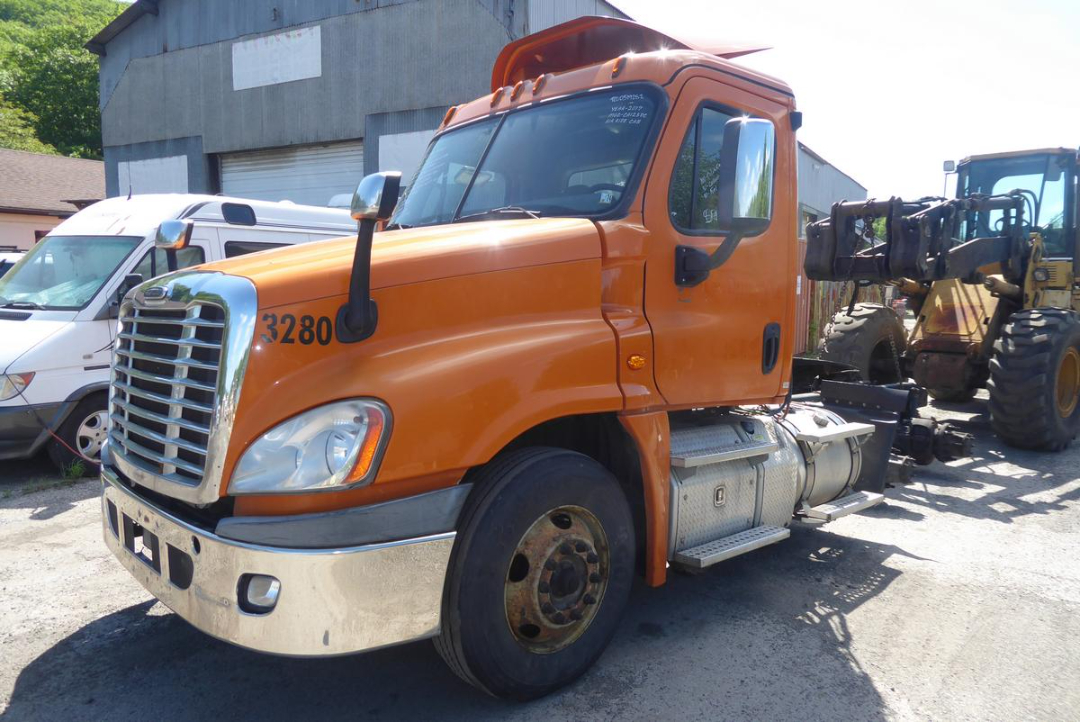
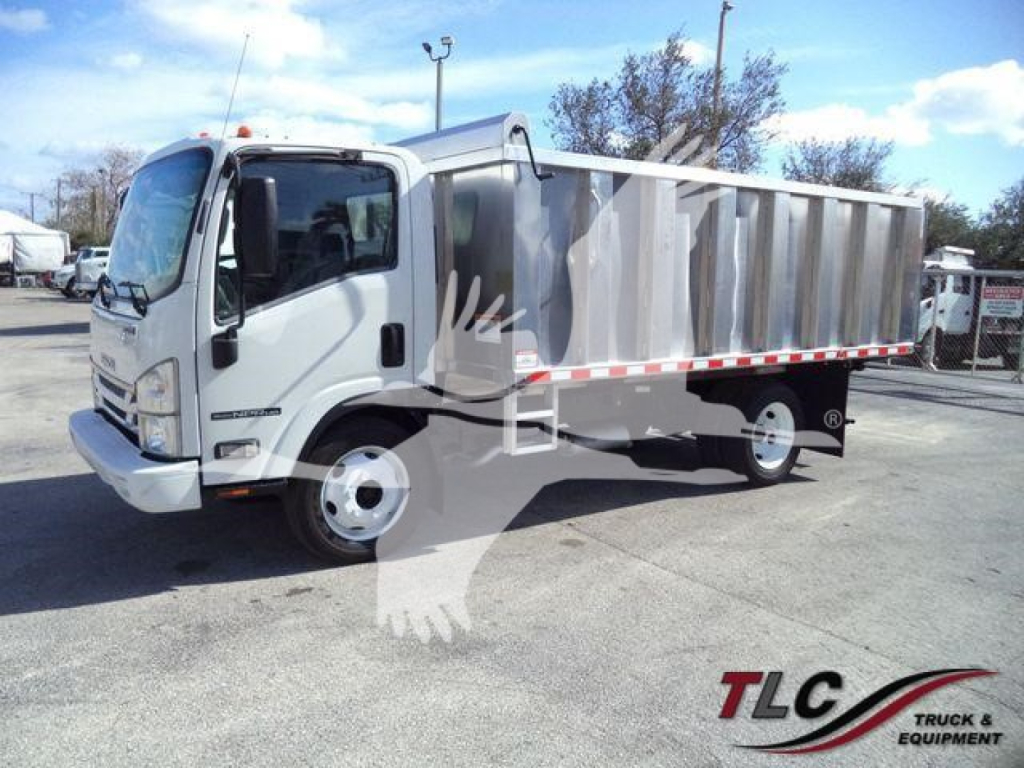
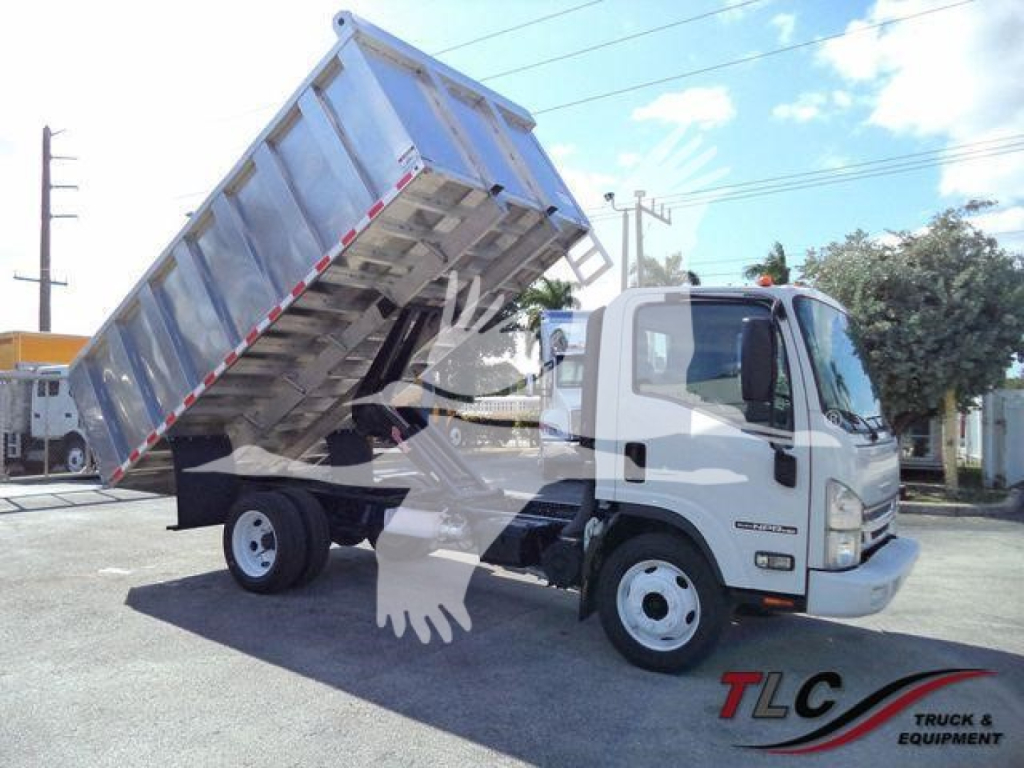
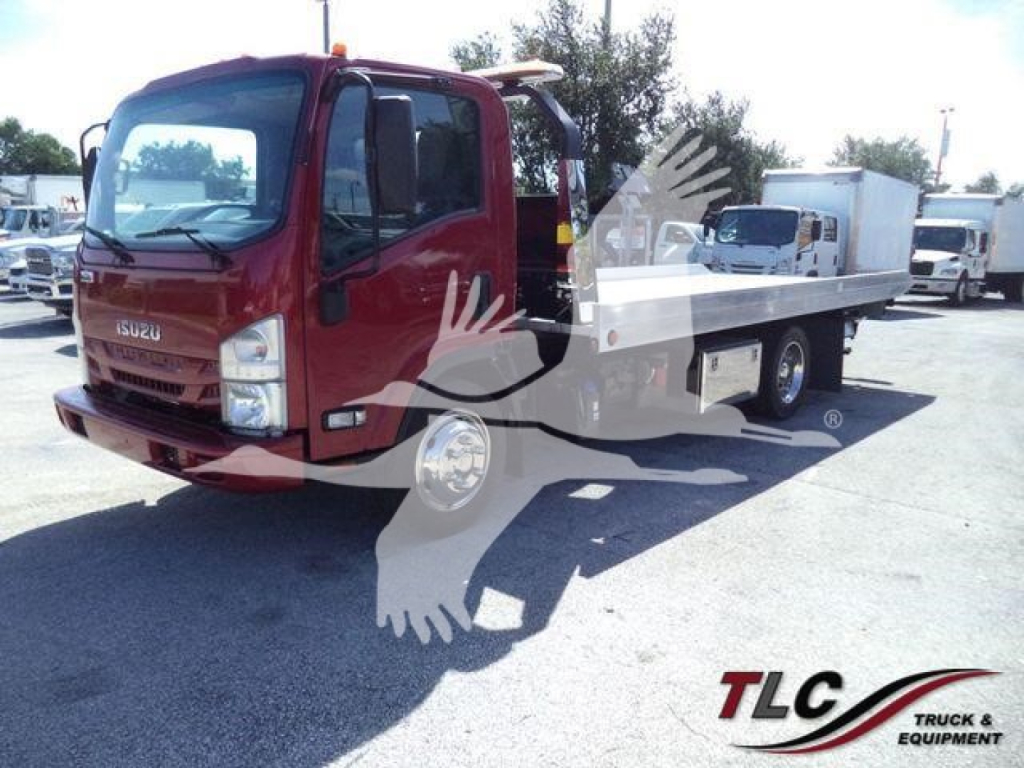
Showing 29 to 56 of 100 results
Selling a 2017 commercial truck? List your 2017 commercial truck for sale and reach thousands of commercial buyers.
2017 Commercial Trucks
For highway buyers, 2017 conventional trucks commonly include engine platforms like the Cummins X15, Detroit DD13 and DD15, Paccar MX series, Volvo D13, and Mack MP series. Transmission choice often comes down to automated manuals versus traditional manuals, with many 2017 units already carrying AMTs that improved fuel economy and driver acceptance. Key specs to compare are horsepower, torque, rear axle ratio, wheelbase, suspension type, tandem or single axle configuration, and fuel capacity. Sleeper tractors from this year may also have features that matter for retention and comfort, including APUs, collision mitigation, adaptive cruise, bunk heaters, and upgraded interior trim.
In the vocational and medium-duty side of the 2017 truck market, body and chassis compatibility matters as much as engine and drivetrain. Buyers should pay close attention to GVWR, front axle capacity, rear axle rating, frame rail strength, PTO provisions, and suspension setup. A 2017 chassis can be configured for dump, rollback, crane, dry van, reefer, utility, or step van service, but the intended body needs to match both legal weight and duty cycle. Rust, frame repairs, body mounting quality, hydraulic condition, and electrical integrity are especially important on work trucks that spent time in severe-service applications.
A careful 2017 truck purchase usually comes down to total operating cost, not just acquisition price. Emissions service records, idle hours, DPF and SCR history, tire wear pattern, brake type, kingpin and bushing wear, and evidence of drivetrain repairs all deserve a close look. Buyers running interstate freight may prioritize aerodynamics, fuel economy, and sleeper layout, while local fleets may focus more on turning radius, door access, PTO capability, and uptime. When the spec is right, a 2017 truck can offer a practical balance of capability, familiarity, and purchase value across many commercial applications.
Frequently Asked Questions about 2017 Commercial Trucks
What should I look for first when buying a 2017 truck?
Start with the truck’s intended application, then verify that the core chassis and powertrain specs support that work. On a 2017 model, buyers should review engine make, horsepower, torque, transmission type, axle ratings, wheelbase, suspension, and GVWR or GCWR. After that, maintenance records become critical, especially emissions system service, oil analysis, major component repairs, and documented downtime history.
Are 2017 trucks a good value for fleet or owner-operator use?
A 2017 truck can be a very good value because it often offers newer cab designs, more common automated transmissions, and modern safety technology at a lower price than late-model units. The real value depends on prior use, mileage, idle hours, and maintenance quality. A well-kept 2017 truck can deliver strong service life, but deferred emissions or drivetrain repairs can quickly erase the upfront savings.
Do 2017 trucks usually have modern emissions systems?
Yes, 2017 trucks generally use fully integrated diesel emissions systems including EGR, DPF, and SCR. That means buyers need to pay close attention to fault history, regen behavior, DEF system performance, and records of DPF cleaning or replacement. A clean diagnostic report and documented emissions maintenance are important indicators of lower near-term repair risk.
What types of 2017 trucks are most common on the market?
The 2017 market usually includes conventional day cabs, sleeper tractors, medium-duty box trucks, dump trucks, service trucks, utility bodies, and other vocational chassis. Availability varies by region and industry cycle. Highway tractors are often easier to compare by engine and axle spec, while vocational trucks require closer review of the body, hydraulics, PTO setup, and frame condition.
Is mileage the most important factor on a 2017 truck?
Mileage matters, but it should not be viewed alone. Engine hours, idle time, maintenance intervals, route type, driver habits, and previous application can be just as important. A higher-mileage highway tractor with strong records may be a better buy than a lower-mileage severe-service truck that has seen heavy PTO use, off-road work, or inconsistent maintenance.