
2017 Kenworth Trucks For Sale
Shop 2017 Kenworth trucks for sale, including highway and vocational models with PACCAR or Cummins power, sleeper and day cab specs.
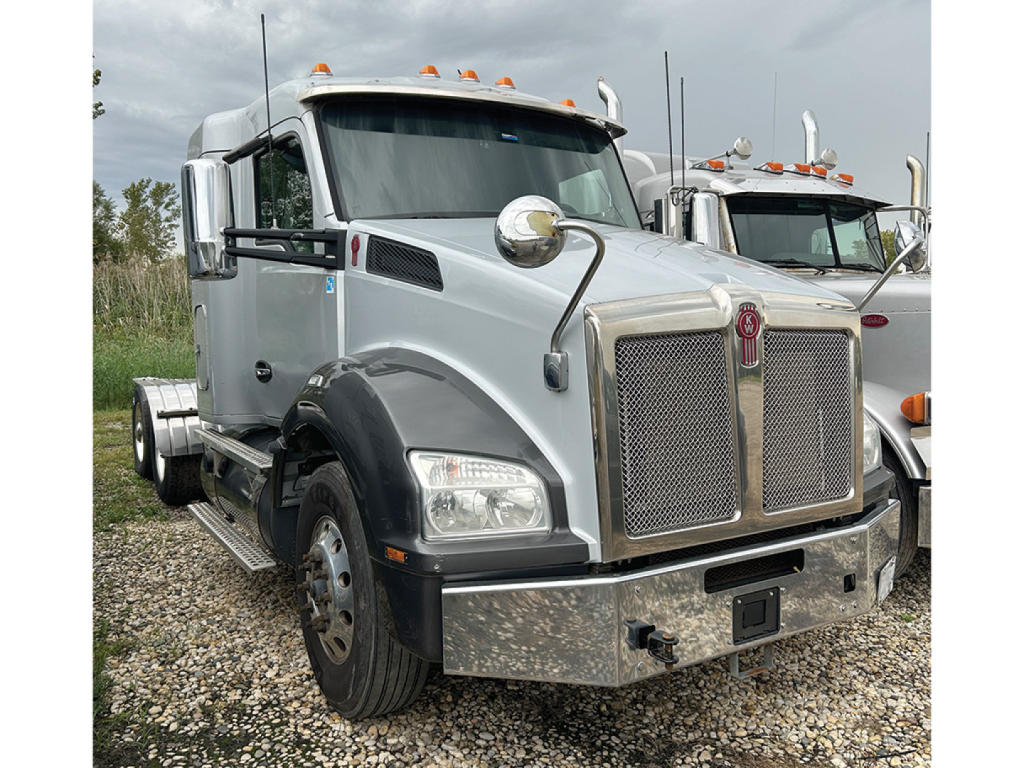
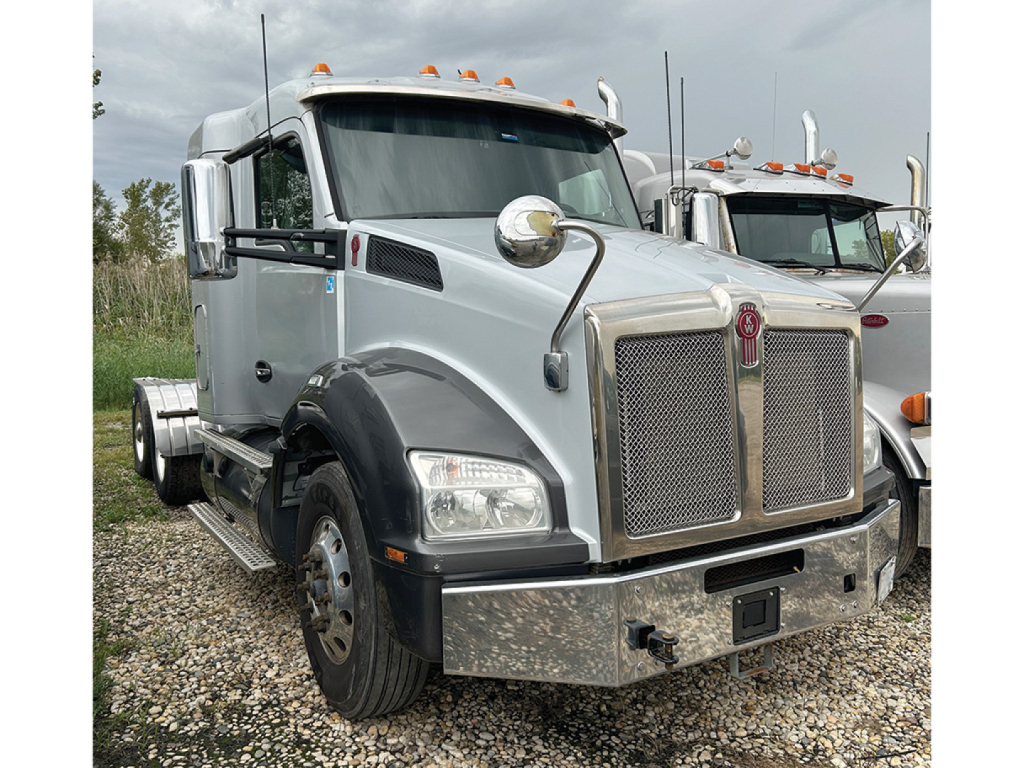

Have 2017 kenworth truck to sell? List it here to reach thousands of buyers.
2017 Kenworth Trucks
The biggest decision is usually application first, then drivetrain. A 2017 Kenworth T680 is generally aimed at linehaul freight, with popular engine choices including the PACCAR MX-13 and Cummins X15, often in the 400 to 500 horsepower range. Transmission specs vary from automated manuals to full manuals, and rear axle ratios commonly fall around 2.79 to 3.36 depending on the intended balance of fuel economy, cruising speed, and startability. Sleeper trucks from this year are frequently equipped with 72-inch to 76-inch sleepers, tandem 40,000 lb rears, air ride suspension, sliding fifth wheels, and wheelbases suited to van, reefer, or general freight operations.
For buyers comparing a 2017 Kenworth against other makes, cab comfort and chassis spec flexibility are major strengths. Kenworth has long been known for driver-focused interiors, solid steering feel, and wide configurability across wheelbase, suspension, axle ratings, and sleeper packages. On vocational and severe-service trucks, pay close attention to front axle capacity, frame layout, PTO provisions, suspension type, and body compatibility. On road tractors, focus on maintenance history, emissions system service, engine brake operation, transmission calibration, and wear points such as suspension bushings, fairings, bunk components, and aftertreatment condition.
A well-matched 2017 Kenworth truck can still be a strong revenue unit if the spec fits the lane. Fuel mileage buyers tend to prioritize aero packages, automated transmissions, and taller rear ratios. Heavy-haul or premium owner-operator buyers often lean toward higher horsepower, manual transmissions, longer wheelbases, and classic platforms. The smart approach is to read the chassis spec closely, not just the badge on the hood. On a 2017 model, details like engine family, suspension rating, brake type, sleeper layout, and wheelbase will tell you far more about the truck's real job than the model name alone.
Frequently Asked Questions about 2017 Kenworth Trucks
What are the most common 2017 Kenworth truck models buyers look for?
The most common 2017 Kenworth trucks in the used market include the T680 for over-the-road freight, the T880 for vocational and heavy-duty applications, and the W900 for traditional long-hood highway or specialty work. The T680 is typically the volume model for fleets focused on aerodynamics and fuel economy, while the W900 appeals to buyers who want a classic platform with higher custom-spec potential. The right model depends less on popularity and more on the truck's original chassis configuration and intended work.
Which engines are common in 2017 Kenworth trucks?
A 2017 Kenworth truck is commonly equipped with either a PACCAR MX-series engine or a Cummins engine, depending on the model and original buyer preference. In highway tractors, the PACCAR MX-13 and Cummins X15 are among the most frequent choices, usually rated somewhere in the 400 to 500 horsepower range, though heavier or owner-operator specs may run higher. Engine choice affects fuel economy, service network preference, parts strategy, and resale demand, so it is worth checking both the engine model and the exact horsepower-torque rating.
What should I inspect closely on a 2017 Kenworth sleeper tractor?
On a 2017 Kenworth sleeper tractor, pay close attention to emissions system history, transmission operation, engine brake performance, and any signs of deferred maintenance. Inspect the DPF and SCR service records, check for fault codes, evaluate clutch or automated transmission calibration, and look over suspension wear, bunk HVAC operation, fairing condition, and fifth wheel wear. A clean interior and straight body panels matter, but service documentation and drivetrain condition are usually far more important to the truck's long-term value.
Is a 2017 Kenworth T680 a good choice for long-haul freight?
A 2017 Kenworth T680 can be a very strong long-haul tractor when it is spec'd correctly for the freight and supported by good maintenance records. The platform is known for aerodynamic efficiency, driver comfort, and broad availability with sleeper configurations, tandem rears, and modern powertrain options. Buyers should still verify wheelbase, rear ratio, transmission type, and engine rating, because those details directly affect cruise RPM, fuel burn, payload suitability, and driver acceptance.
How do rear axle ratio and wheelbase affect a 2017 Kenworth truck's job fit?
Rear axle ratio and wheelbase have a major effect on how a 2017 Kenworth performs in daily service. A taller ratio such as 2.79 usually favors highway speed and fuel economy, especially with an automated transmission, while a deeper ratio such as 3.36 improves launch, gradeability, and heavier-duty flexibility. Wheelbase influences trailer swing clearance, ride quality, bridge law positioning, and body installation options, so these numbers should always be matched to the actual freight, trailer type, and operating region.