
2017 Isuzu Trucks For Sale
Explore 2017 Isuzu NPR, NQR, and NRR cabover trucks, payloads, tight turning, durable frames, upfit-ready for box, reefer, dump, and flatbed duty.
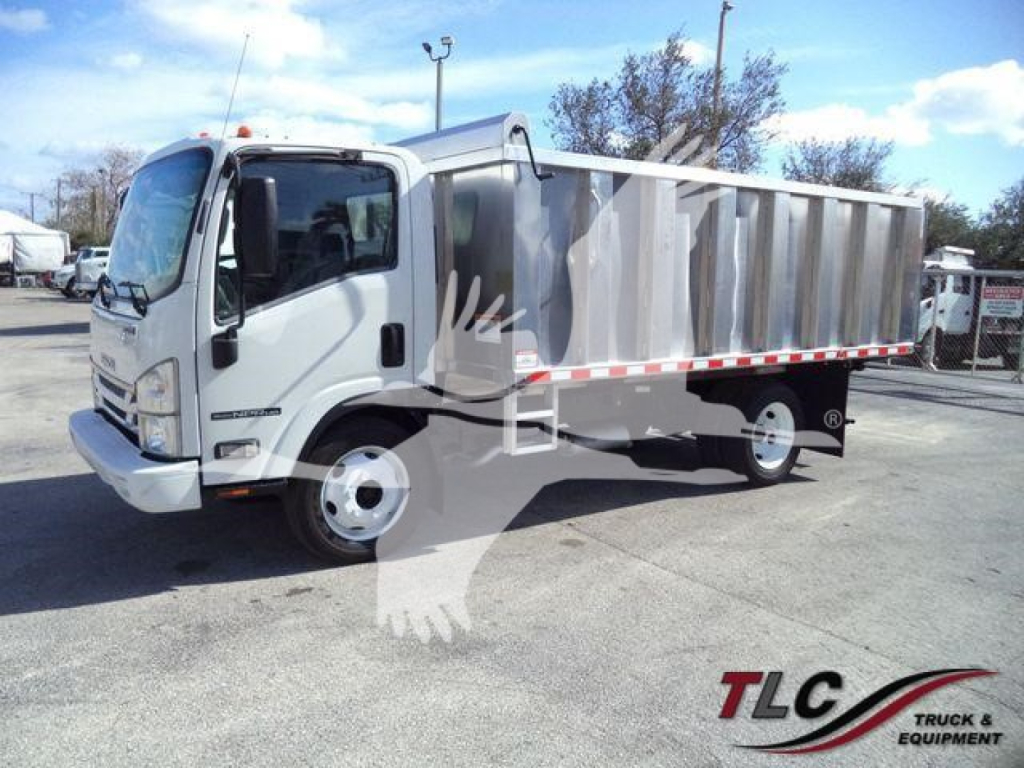
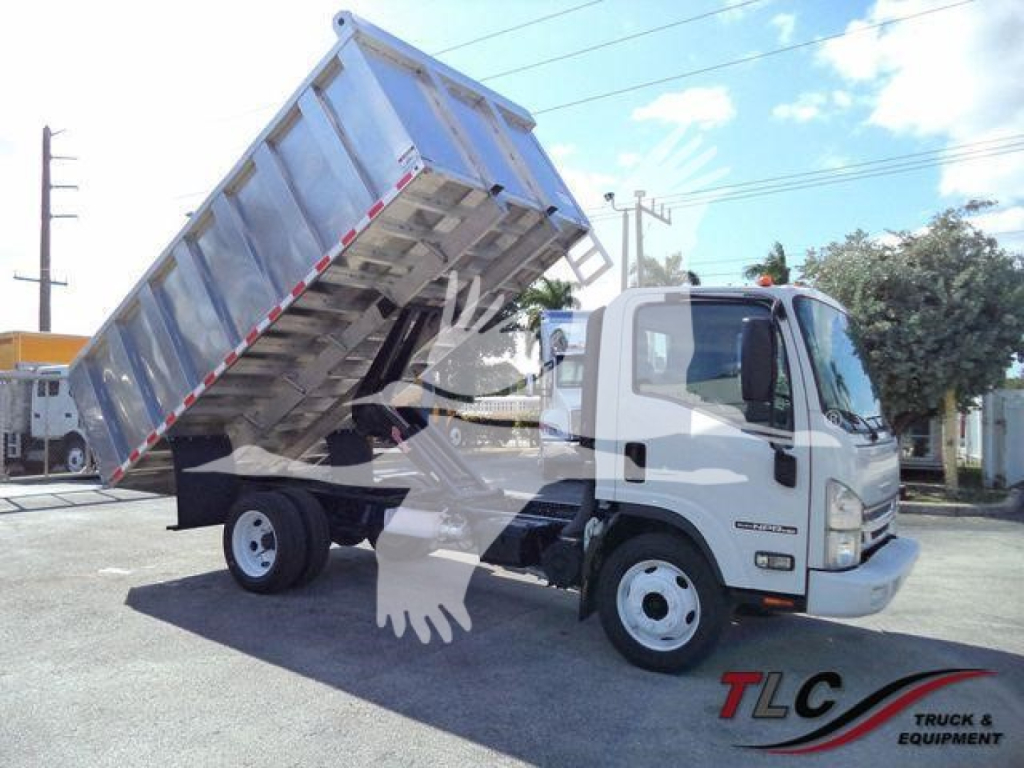
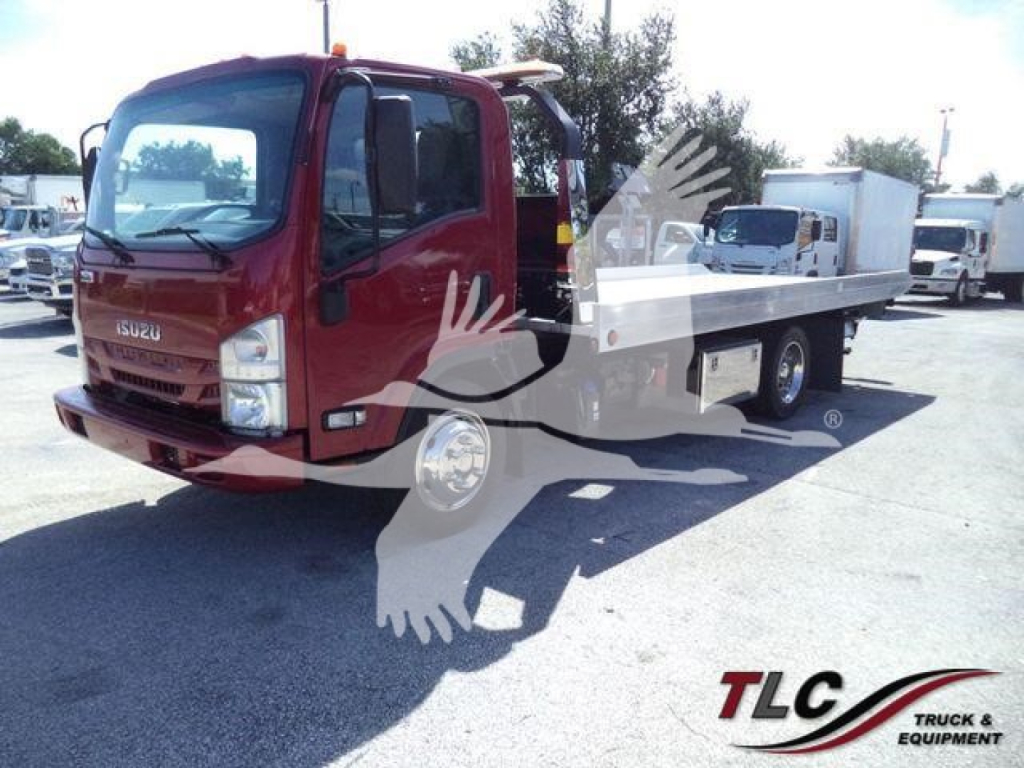
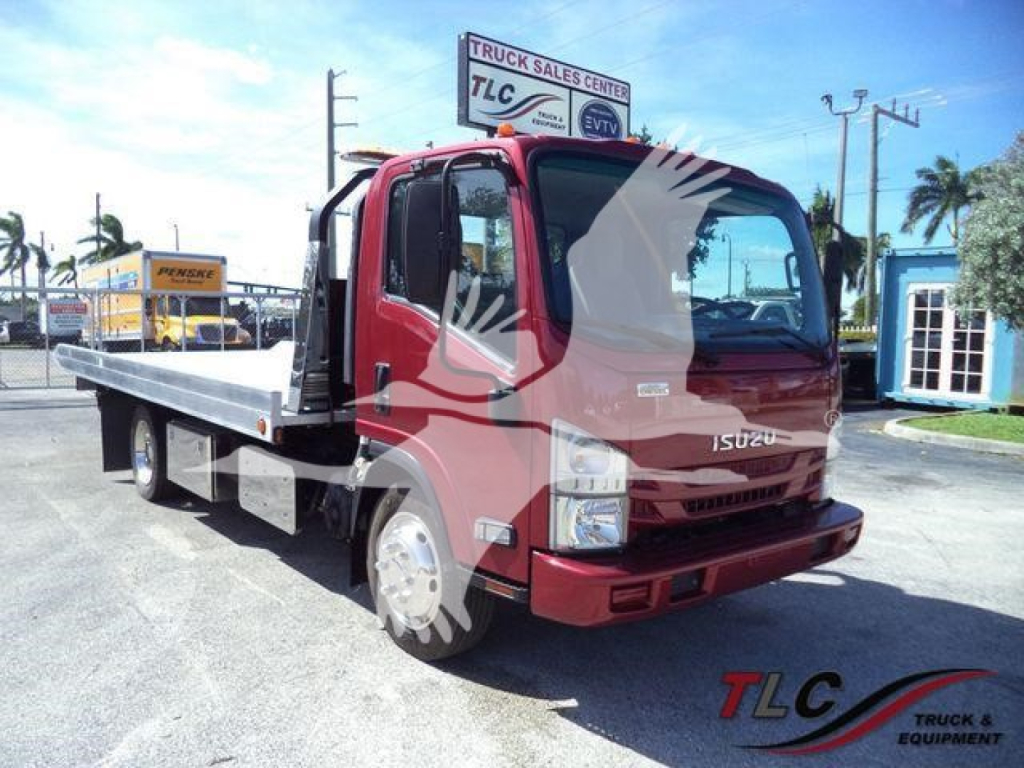
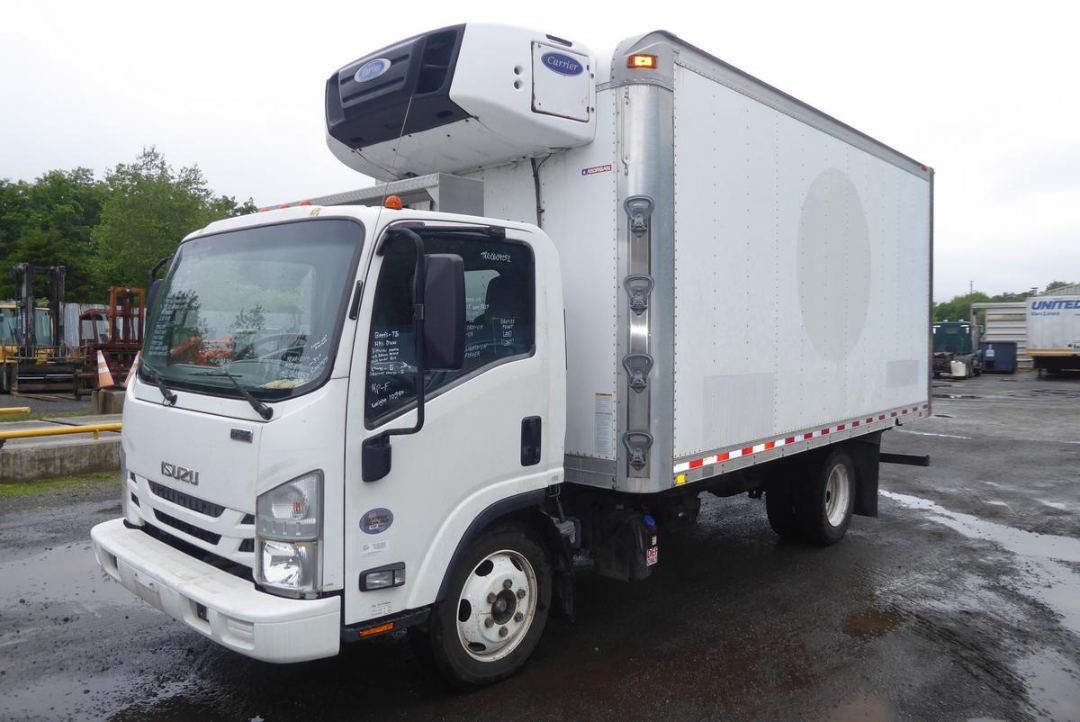
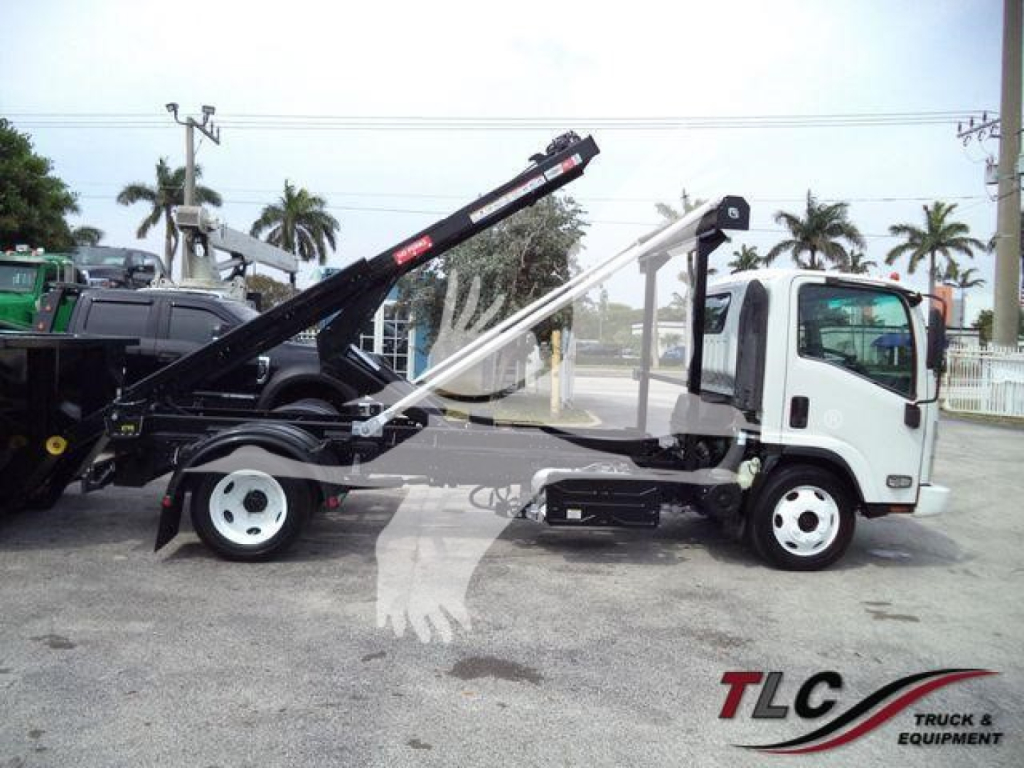
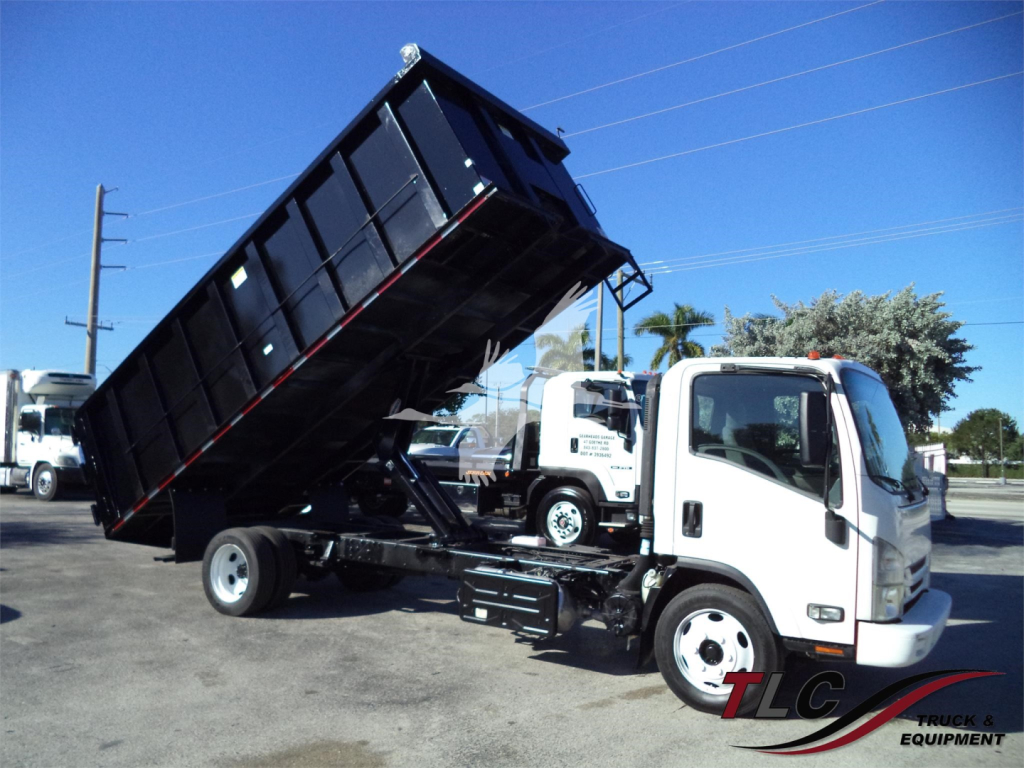
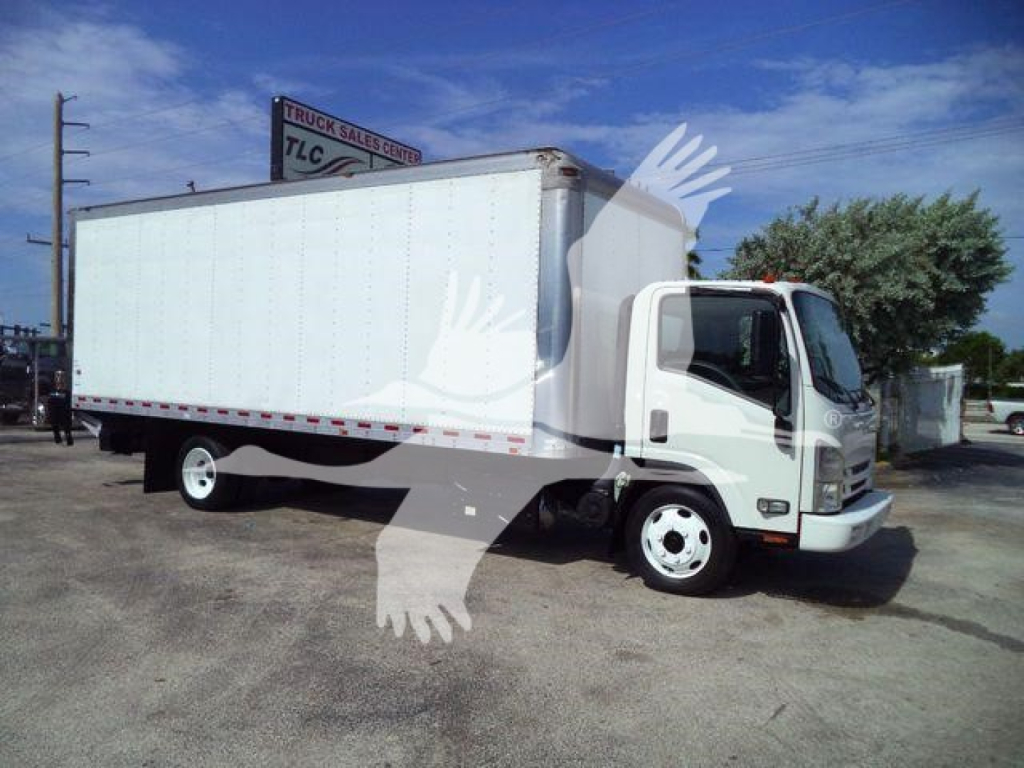
Selling a 2017 isuzu truck? List your 2017 isuzu truck for sale and reach thousands of commercial buyers.
2017 Isuzu Trucks
Upfit readiness is a strong point. The ladder frame uses high‑tensile steel with consistent 34 inch rail spacing, multiple body mount holes, and straight top flanges for clean body installation. For corrosion resistance, look for intact E‑coat on the cab, factory frame coating, waxed inner rails, and stainless or galvanized hardware on the body’s rear frame. Aluminum wheels, aluminum fuel tanks, and composite or aluminum van bodies trim tare weight, which translates to higher legal payload and lower fuel per delivered pound. Inspect spring hangers, crossmembers, brake and fuel lines, and body subframes for scaling if the unit operated in salt regions.
Floor strength is critical on dry van, flatbed, and dump builds. Many 2017 van bodies pair well with Isuzu N‑Series using 1.125 to 1.375 inch laminated hardwood or apitong floors, fork‑truck rated, with 12 inch crossmember spacing in heavy service. Look for full‑width rear threshold plates, dock bumpers, and 12 to 24 inch scuff liners, or full‑height liners if you run palletized freight that scuffs walls. E‑track or logistic posts at multiple heights improve load control without damaging panels. Flatbeds benefit from apitong or steel treadplate decks, tight stake pocket spacing, and ample tie‑downs; dump bodies should show straight cross sills, solid floor plating, and PTO plumbing that engages smoothly without chatter.
For refrigerated bodies, thermal integrity governs product quality and fuel spend. Foam‑in‑place polyurethane insulation, sealed seams, insulated swing or roll‑up doors, and aluminum or stainless rear frames keep BTUs contained; look for thermal breaks at posts and sills that minimize bridging. A heavy‑duty aluminum duct floor or flat insulated floor with wear strips maintains airflow and resists point loading from pallet jacks. Check door seals, drain tubes, and air chutes, and confirm the unit holds setpoint under load by reviewing hour meters, maintenance logs, and recent pulldown tests. Well‑sealed bodies reduce compressor run time, improve fuel economy, and preserve capacity in summer heat. On diesel chassis, review DPF and SCR service history, regen frequency, and NOx or EGT sensor replacements, since a healthy aftertreatment system protects uptime and fuel efficiency.
Frequently Asked Questions about 2017 Isuzu Trucks
What GVWR and payload ranges are typical for 2017 Isuzu NPR, NPR‑HD, NQR, and NRR trucks?
N‑Series models span roughly 12,000 to 19,500 pounds GVWR. NPR and NPR‑HD commonly serve 10 to 20 foot bodies for urban delivery, while NQR and NRR carry heavier van, reefer, stake, and dump builds. Usable payload varies with wheelbase, body type, and options, but plan for about 6,000 to over 11,000 pounds after body and liftgate weight are accounted for. Always verify axle ratings, tire load indexes, and scale tickets for your specific configuration.
How do gasoline and diesel 2017 Isuzu trucks compare for city delivery and regional routes?
Gasoline NPR models offer lower acquisition cost, simpler emissions hardware, and good cold‑start manners, which suits short hops and high idle time. Diesel 4HK1 models deliver better fuel economy under heavier loads, stronger low‑rpm torque, and longer service intervals, which benefits regional routes and reefer duty. Diesel adds DEF and DPF systems, so review regen history and component service records; gas trims a bit of complexity and can reduce tare in some builds, but expect higher fuel consumption under heavy loads.
What should I evaluate to ensure adequate floor strength in a 2017 Isuzu dry van or flatbed upfit?
Start with the floor material and thickness, then crossmember spacing. Laminated hardwood or apitong in the 1.125 to 1.375 inch range with 12 inch crossmember spacing handles frequent fork‑truck entry better than thinner floors and wider spacing. Look for rear threshold plates, steel or aluminum wear strips at door openings, and scuff liners that prevent wall punctures. On flatbeds, inspect deck species and thickness, stake pockets, rub rails, and chain tie‑downs. Confirm any floor or deck ratings meet your heaviest equipment and pallet jack loads.
How can I assess thermal integrity on a 2017 Isuzu reefer truck before purchase?
Inspect the body for sealed seams, straight door frames, and pliable gaskets; check for delamination on FRP or composite panels and verify foam thickness on the spec tag. Review reefer hour meters and service logs, then perform or request a pulldown test to your typical setpoint. Look for intact air chutes, drain lines, and a clean condenser. Verify the floor type, ducted aluminum or flat insulated with wear strips, matches your loading method. Strong thermal integrity reduces run time, maintains product temperatures, and protects compressor life.
Where are the common corrosion points on 2017 Isuzu trucks, and how can I mitigate them?
Focus on frame rails and crossmembers near the rear axle and tail, spring hangers, brake and fuel lines, battery trays, and the body’s rear frame. The cab benefits from E‑coat and galvanized panels, but check lower door seams and cab mounts. Choose bodies with stainless rear frames, galvanized scuff, and aluminum or composite panels to limit corrosion and tare. Fresh undercoating after a thorough clean, plus regular washouts during winter, slows salt intrusion and preserves fasteners and wiring.