
2017 Hino Trucks For Sale
Shop 2017 Hino trucks for sale, including medium-duty diesel models known for reliable drivetrains, Allison automatics, and versatile body options.
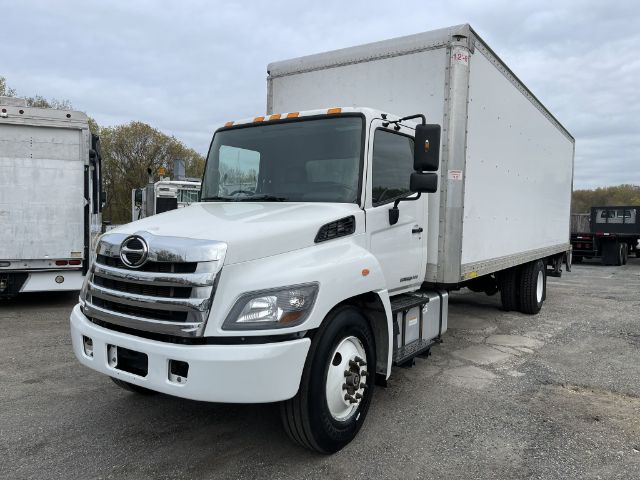
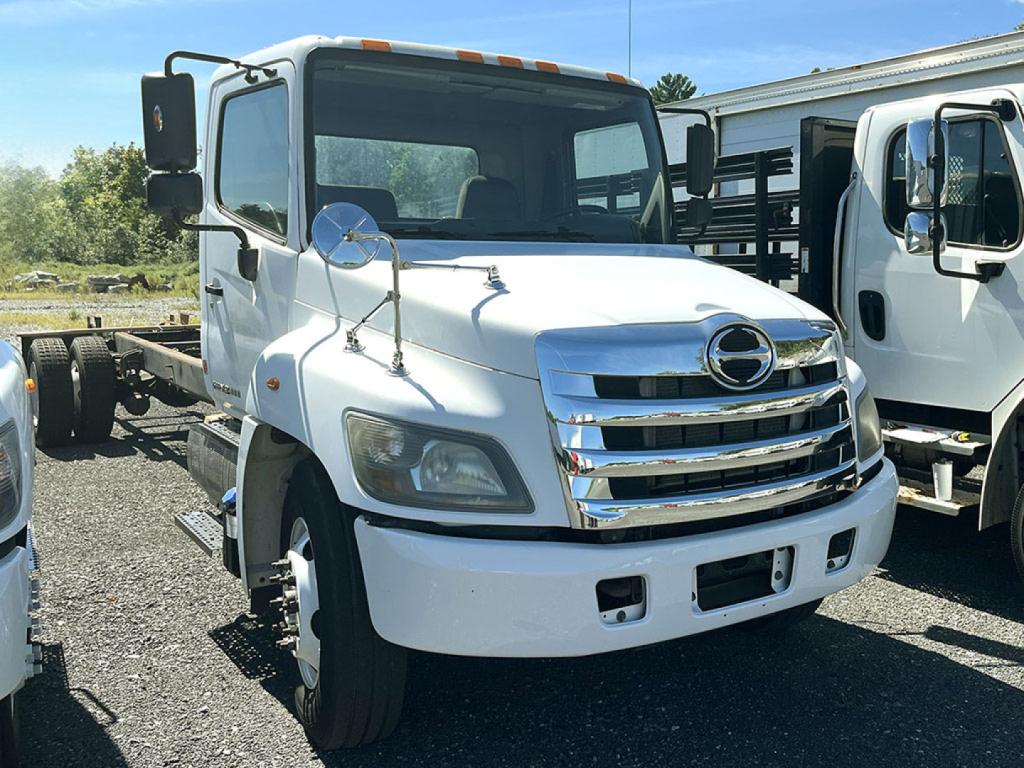
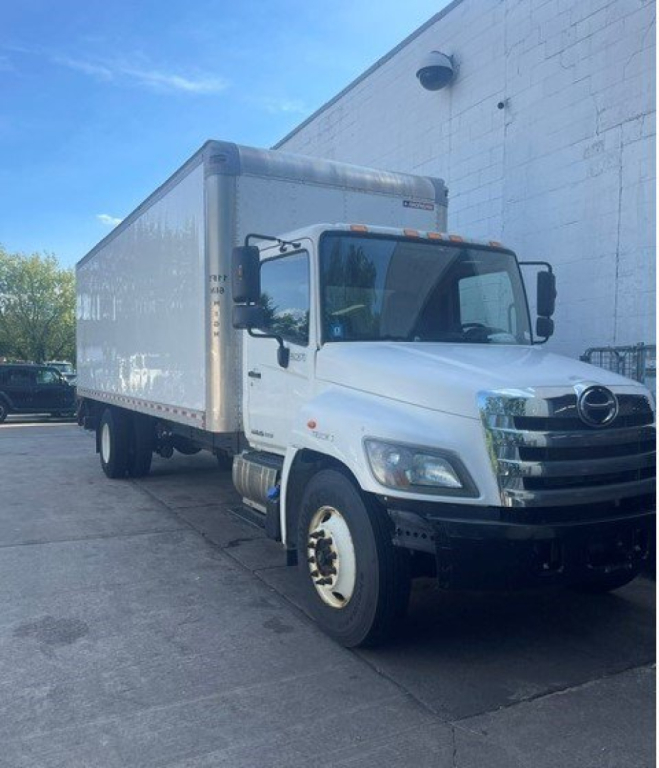
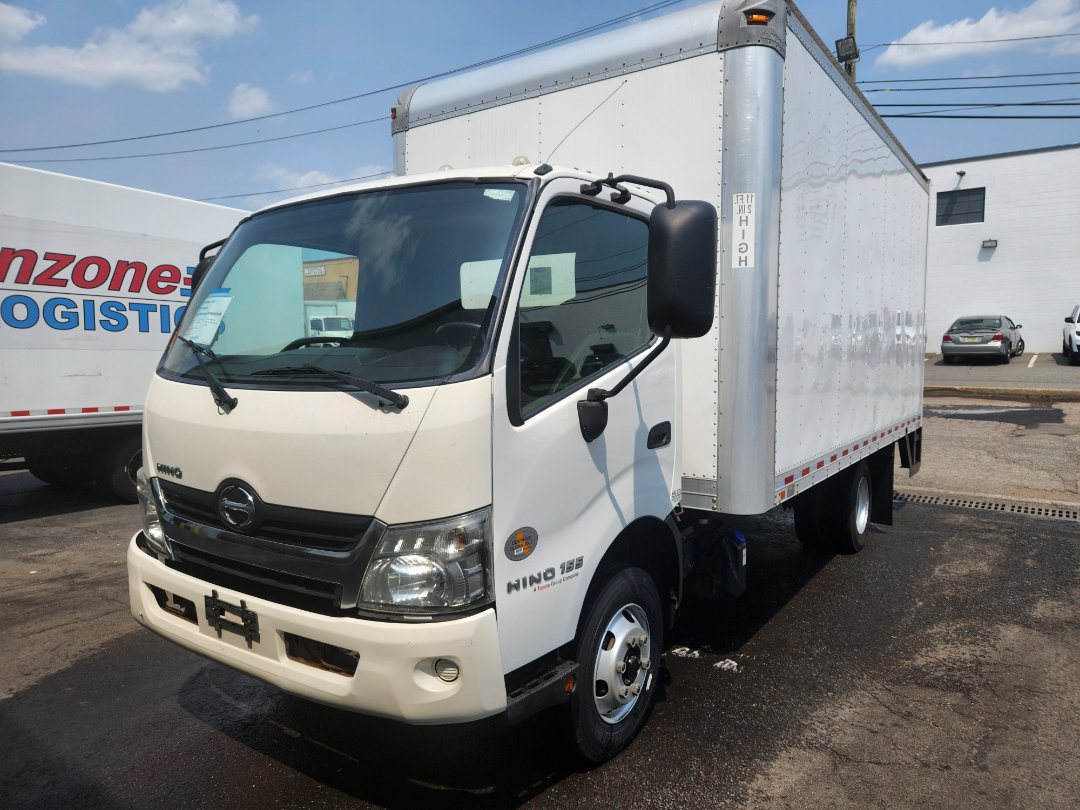

Selling a 2017 hino truck? List your 2017 hino truck for sale and reach thousands of commercial buyers.
2017 Hino Trucks
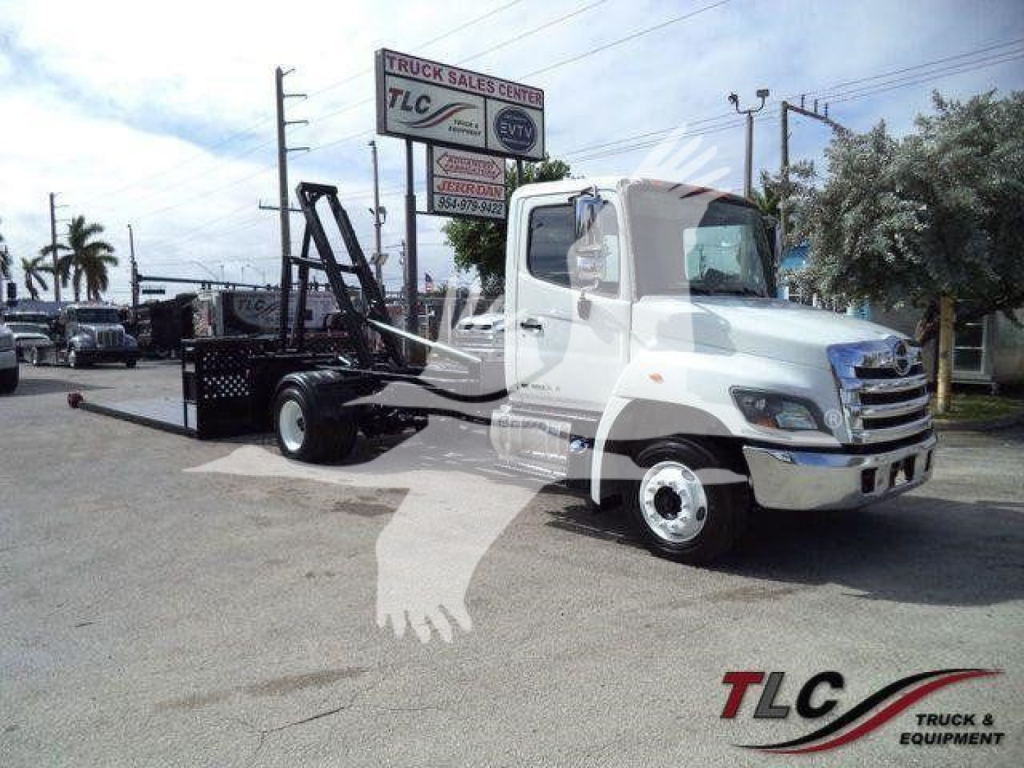
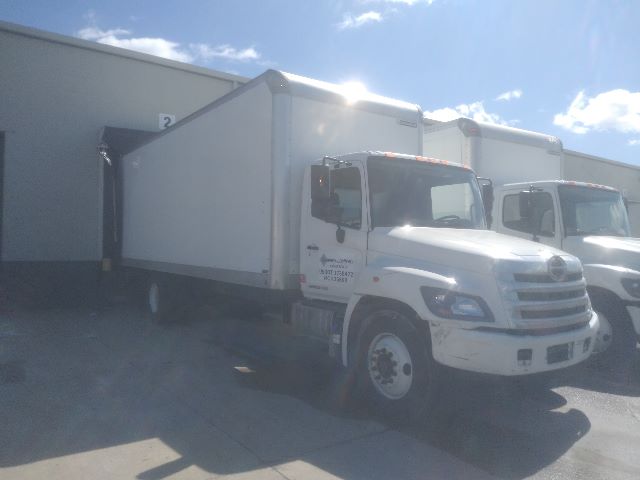
Body style matters as much as badge and model number. A 2017 Hino may be set up as a box truck, reefer, flatbed, rollback, landscape truck, service body, dump, or bare chassis for future upfit. Wheelbase, cab-to-axle, and rear axle rating determine what bodies the truck can carry and how well it fits your operation. Buyers comparing listings should check axle configuration, suspension type, brake system, tire size, and frame condition before anything else. On box trucks, look closely at body length, door opening dimensions, floor material, logistics track, scuff liners, and liftgate capacity. On rollback or towing applications, deck length, wheel-lift rating, PTO operation, and hydraulic condition are key.
For route delivery and city work, 2017 Hino trucks are often chosen because visibility, turning radius, and cab ergonomics are generally fleet-friendly. Many units in this model year were spec'd with air conditioning, power windows, exhaust brake systems, and air-ride driver seats, which can make a difference on multi-stop routes. If you are evaluating higher-mileage examples, pay attention to maintenance records for DPF and DEF system service, injector history, cooling system work, suspension wear, and transmission performance under load. Medium-duty buyers should also verify whether the truck has hydraulic or air brakes, because that affects driver requirements, maintenance practices, and resale appeal in some markets.
A good 2017 Hino truck is usually less about cosmetic condition and more about how the spec matches the job. A 25,950-GVWR truck may fit non-CDL operations in some applications, while heavier configurations may offer more payload or body options at the cost of licensing flexibility. Buyers should compare actual payload, body weight, rear ratio, and wheelbase instead of relying only on model number. When the truck is properly matched to the route and body, a 2017 Hino can be a practical choice for final-mile delivery, moving, beverage distribution, municipal service, towing, and other medium-duty work where uptime and maneuverability matter.
Frequently Asked Questions about 2017 Hino Trucks
What are the most common 2017 Hino truck models buyers look for?
The most common 2017 Hino trucks on the used market are usually the 195, 238, 258, 268, and 338. These models cover a broad range of medium-duty applications, from lighter Class 5 delivery work to heavier Class 7 vocational service. The right model depends on GVWR, axle ratings, body requirements, and whether the truck will be used for city delivery, towing, flatbed work, or a specialized upfit.
What engine and transmission combinations are common in 2017 Hino trucks?
Many 2017 Hino trucks were equipped with Hino diesel engines such as the J05 or J08, paired with Allison automatic transmissions. This is a common medium-duty combination because it is easy to operate, well suited for stop-and-go driving, and widely accepted in fleet service. Buyers should still confirm the exact engine family, horsepower rating, transmission model, and emissions equipment history on any specific truck.
Is a 2017 Hino truck a good choice for a box truck or delivery application?
A 2017 Hino is often a strong fit for box truck and delivery work because these trucks are commonly spec'd for multi-stop routes, urban maneuvering, and medium payloads. Important details include wheelbase, cab-to-axle measurement, GVWR, rear axle ratio, and whether the body includes features like E-track, scuff liners, a liftgate, or a roll-up rear door. The best delivery spec is the one that balances legal payload, cargo cube, and route conditions.
What should buyers inspect on a used 2017 Hino truck?
The main inspection points are engine condition, DPF and DEF system history, transmission shift quality, brake type and wear, suspension condition, tire age, frame integrity, and any signs of corrosion or body damage. On box trucks, check the floor, roof, door frame, liftgate, and body mounting points. On cab-and-chassis or vocational units, inspect PTO operation, hydraulic systems, and whether the frame has been altered for prior upfits.
Do 2017 Hino trucks require a CDL?
Some do and some do not. CDL requirements depend on the truck's GVWR, the combined weight rating if towing is involved, and the body or application it is used for. Many medium-duty Hino trucks are spec'd around the 25,950-GVWR range to stay below the 26,001-pound threshold that often triggers CDL requirements, but buyers should verify the actual door sticker, registration class, and state-specific rules before purchasing.