
2017 Commercial Trucks For Sale in Pennsylvania
Browse 2017 trucks for sale in Pennsylvania, including medium and heavy-duty models for hauling, towing, delivery, vocational, and fleet use.
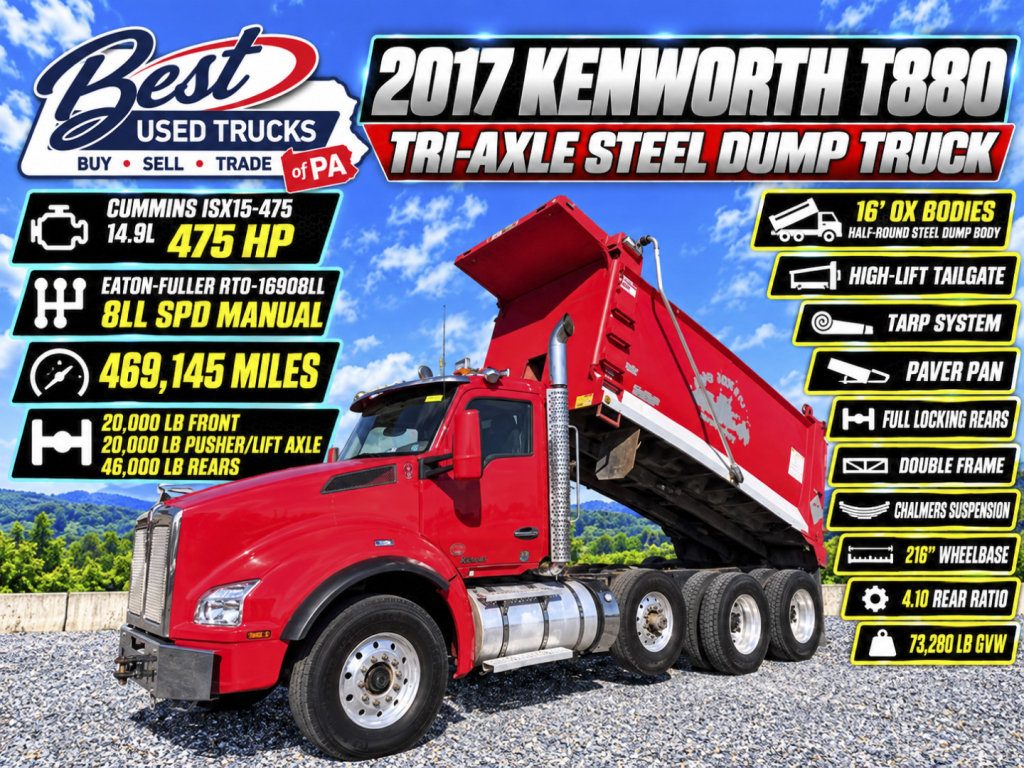
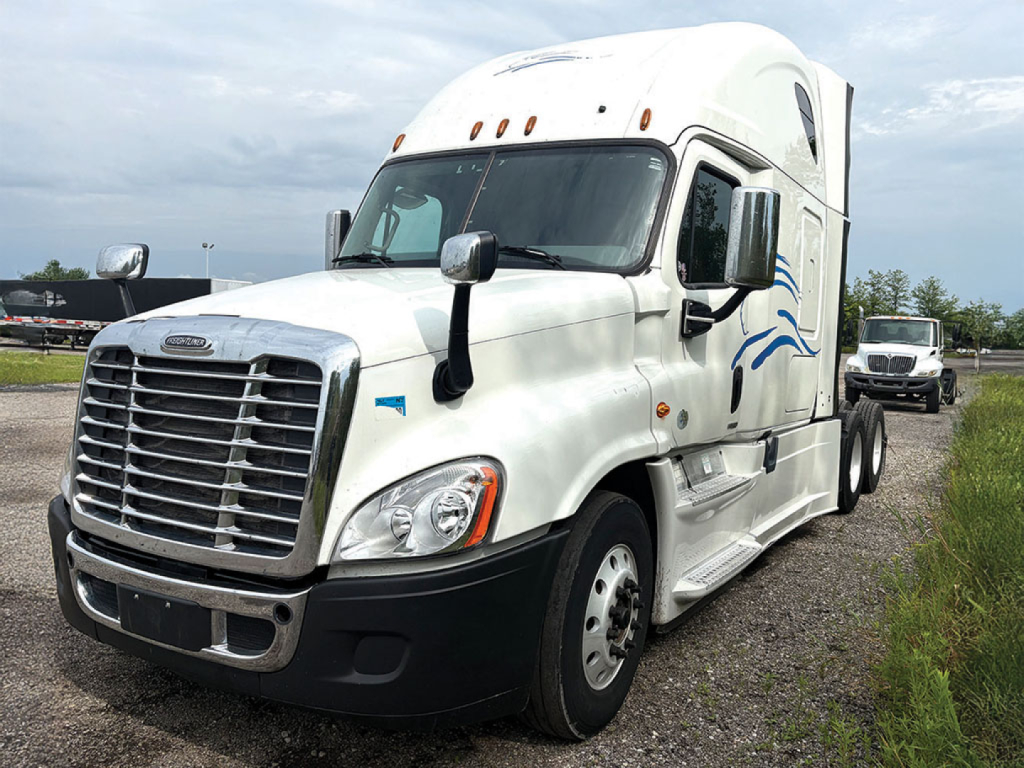
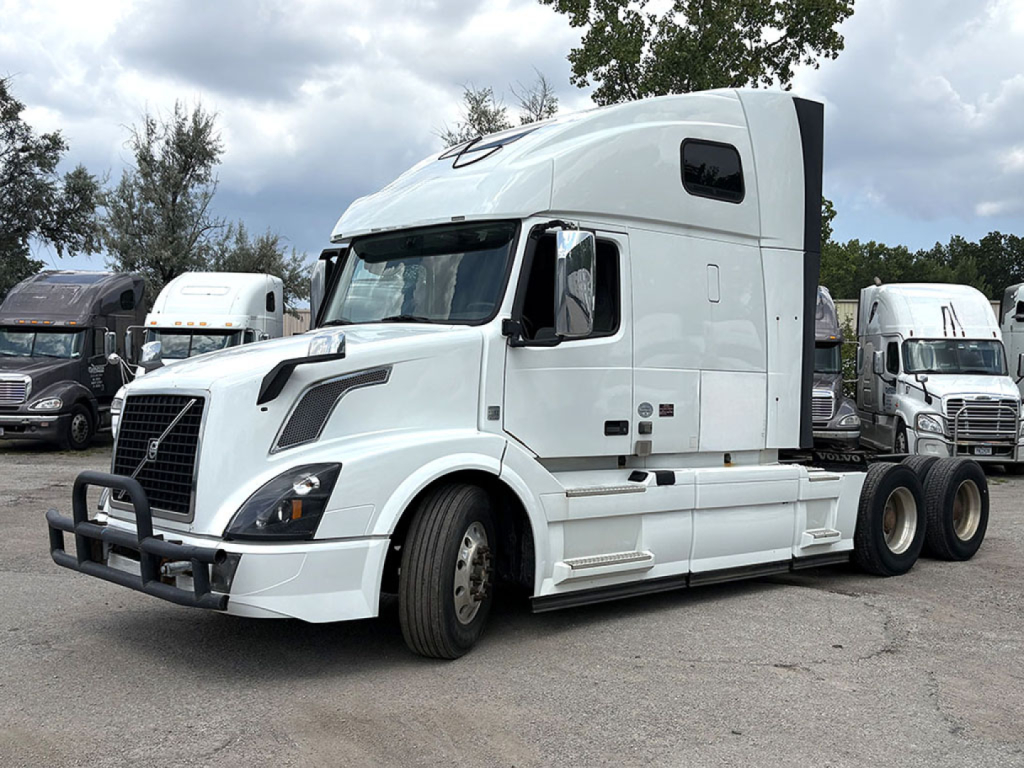
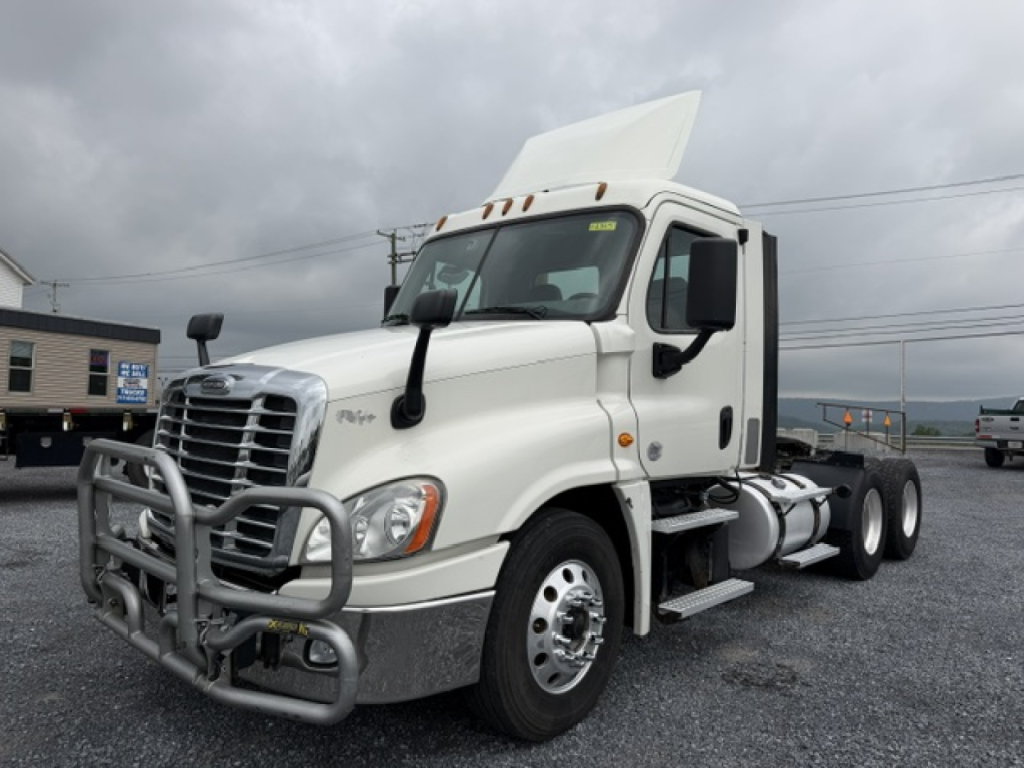
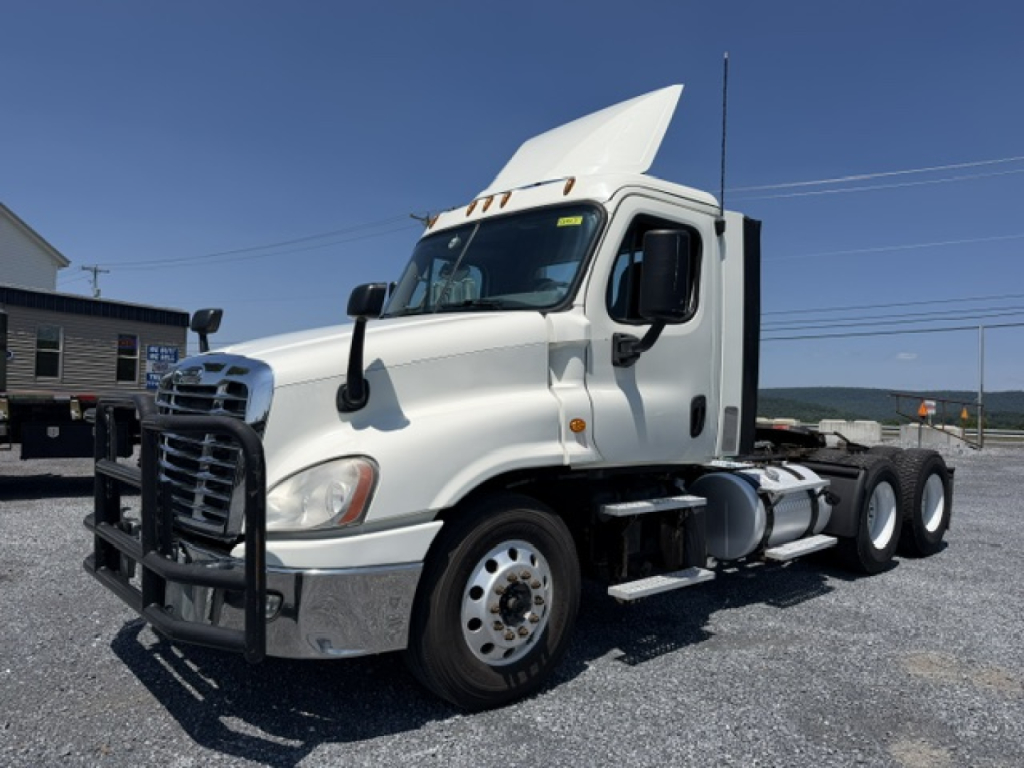
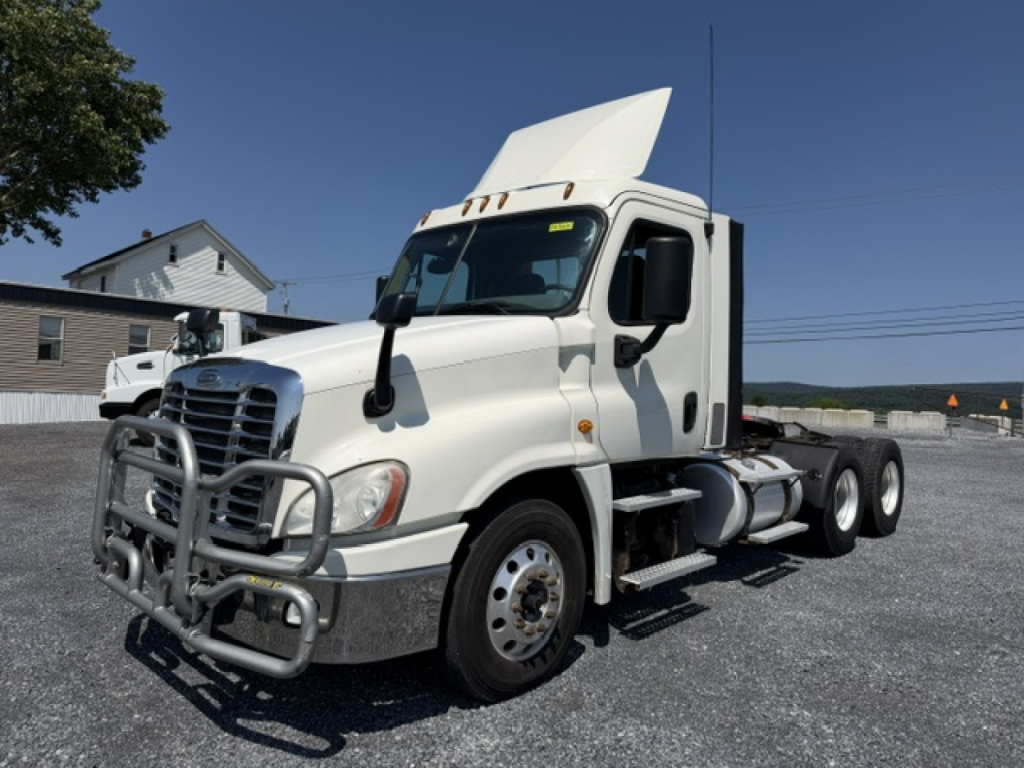
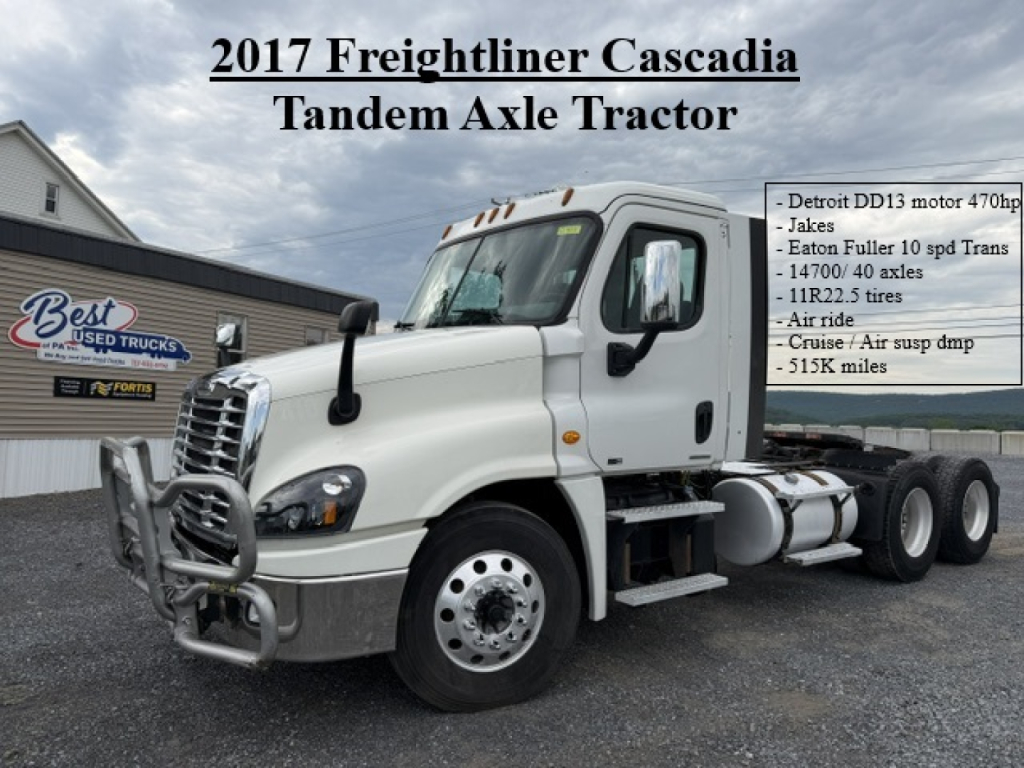

Selling a 2017 commercial truck? List your 2017 commercial truck for sale and reach thousands of commercial buyers.
2017 Commercial Trucks in Pennsylvania
The first buying decision is usually truck class and intended body style. A 2017 medium-duty truck might be configured as a flatbed truck, rollback, box truck, hooklift, service truck, or small dump, while heavy-duty models are often spec'd as day cabs, sleeper trucks, or severe-service vocational units. Common engine families in this model year include diesel platforms from Cummins, Detroit, Paccar, International, Hino, Ford, and Isuzu, depending on GVWR and application. Transmission choices often include Allison automatics in medium-duty work trucks and automated manual or manual transmissions in Class 8 units. Buyers should compare GVWR, axle ratings, wheelbase, suspension type, PTO provisions, brake type, and rear-end ratio because those specs determine payload, trailer match, body compatibility, and road-speed performance.
For Pennsylvania buyers, corrosion history and frame condition deserve extra attention. A 2017 truck that has seen winter road salt should be checked closely for rust on frame rails, crossmembers, cab mounts, brake lines, fuel tank straps, electrical connections, and body supports. On vocational trucks, inspect hoists, subframes, tow equipment, hydraulic lines, and PTO operation. On road tractors, look at fifth-wheel wear, suspension bushings, aftertreatment service history, and idle hours in addition to mileage. Since 2017 trucks are deep into the emissions era, buyers should review DPF, DEF, EGR, and SCR maintenance records, fault history, and any recent injector, turbo, or sensor work. A clean service file can be just as important as engine make or odometer reading.
The best 2017 truck for sale is the one whose original spec matches the job now, not one that needs to be forced into it later. A flatbed or stake-body setup needs the right deck length and axle capacity. A tow truck needs the correct underlift, winch rating, and front axle capacity. A dump truck needs body condition, hoist health, and frame integrity. A sleeper or day cab needs gearing, wheelbase, and fuel capacity that fit the route. Buyers comparing multiple 2017 trucks should focus on maintenance records, body and frame condition, legal weight ratings, and evidence of consistent fleet care. Those factors usually tell you more about long-term value than paint, trim level, or a low asking price alone.
Frequently Asked Questions about 2017 Commercial Trucks in Pennsylvania
What should I look for first when buying a 2017 used truck?
Start with the truck's intended job, then verify that the core specs support it. GVWR, axle ratings, wheelbase, engine horsepower, torque, transmission type, suspension, PTO capability, and body configuration matter more than cosmetic condition. A 2017 truck can still offer solid value, but buyers should also review service records, engine hours, emissions-system repairs, tire condition, brake wear, and frame corrosion before making a decision.
Are 2017 trucks affected by modern diesel emissions equipment?
Yes. Most 2017 diesel trucks use a full emissions package that includes DPF, DEF, SCR, and often EGR systems. That means maintenance history is critical. Buyers should ask for records showing regular regeneration performance, DPF cleaning or replacement, DEF system repairs, sensor replacement, and any check-engine or aftertreatment fault history. A well-maintained emissions truck can be dependable, but deferred aftertreatment service can become expensive quickly.
Is a 2017 truck a good choice for fleet or owner-operator use in Pennsylvania?
A 2017 truck often fits well for both fleet and independent use because it balances purchase cost with relatively modern design. For Pennsylvania applications, the main concern is exposure to winter conditions and road salt. Buyers should inspect the undercarriage, frame rails, cab supports, brake components, wiring, and hydraulic hardware for corrosion. If the truck has been maintained properly and rust is under control, a 2017 model can still be a productive work asset.
How important is mileage on a 2017 truck compared with hours and maintenance history?
Mileage matters, but it should not be viewed alone. Idle hours, PTO hours, duty cycle, and maintenance consistency often give a better picture of true wear, especially on vocational trucks and municipal units. A higher-mileage 2017 truck with complete maintenance records, documented repairs, and clean inspections may be a better buy than a lower-mileage truck with poor service history or long periods of inactivity.
What truck types are commonly available in the 2017 model year?
The 2017 model year covers a wide range of truck categories. Buyers may find chassis cabs, flatbeds, dump trucks, tow trucks, box trucks, stake bodies, service trucks, day cabs, and sleeper tractors. The right choice depends on payload, trailer requirements, route profile, and whether the truck will be used for local delivery, construction, recovery, municipal work, or over-the-road freight. Matching the truck's original spec to the intended application is the best way to avoid costly modifications later.