
2017 Freightliner Trucks For Sale in Pennsylvania
Browse 2017 Freightliner trucks in Pennsylvania, including Cascadia and vocational setups, with specs, applications, and buyer-focused guidance.
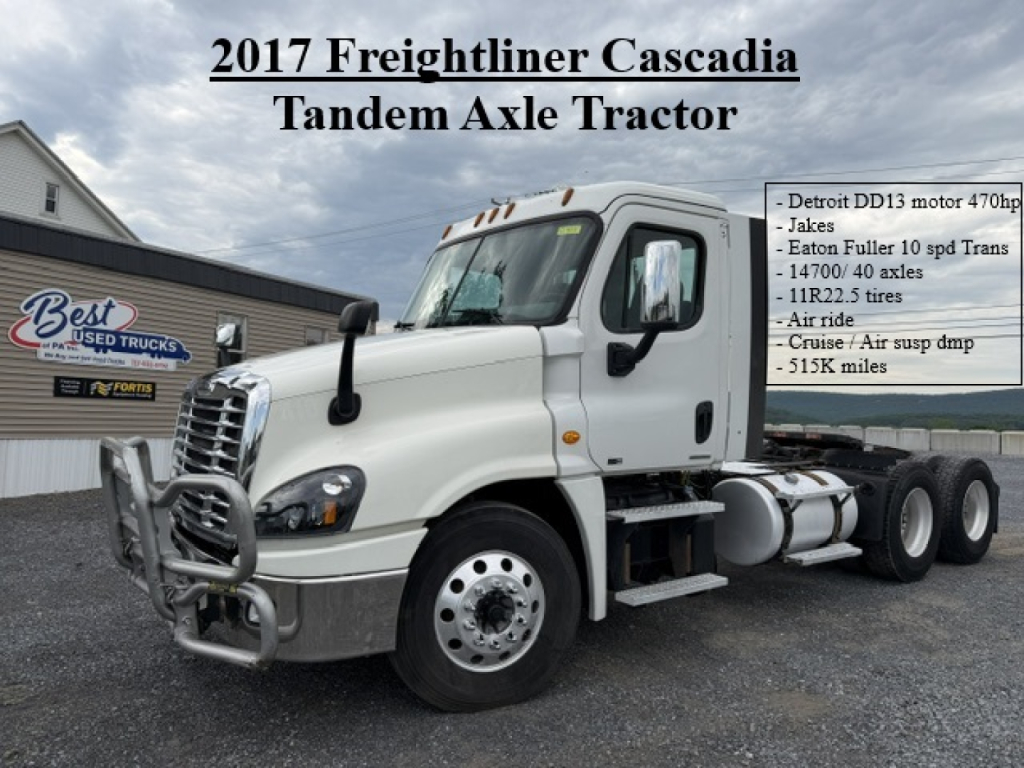

Selling a 2017 freightliner truck? List your 2017 freightliner truck for sale and reach thousands of commercial buyers.
2017 Freightliner Trucks in Pennsylvania
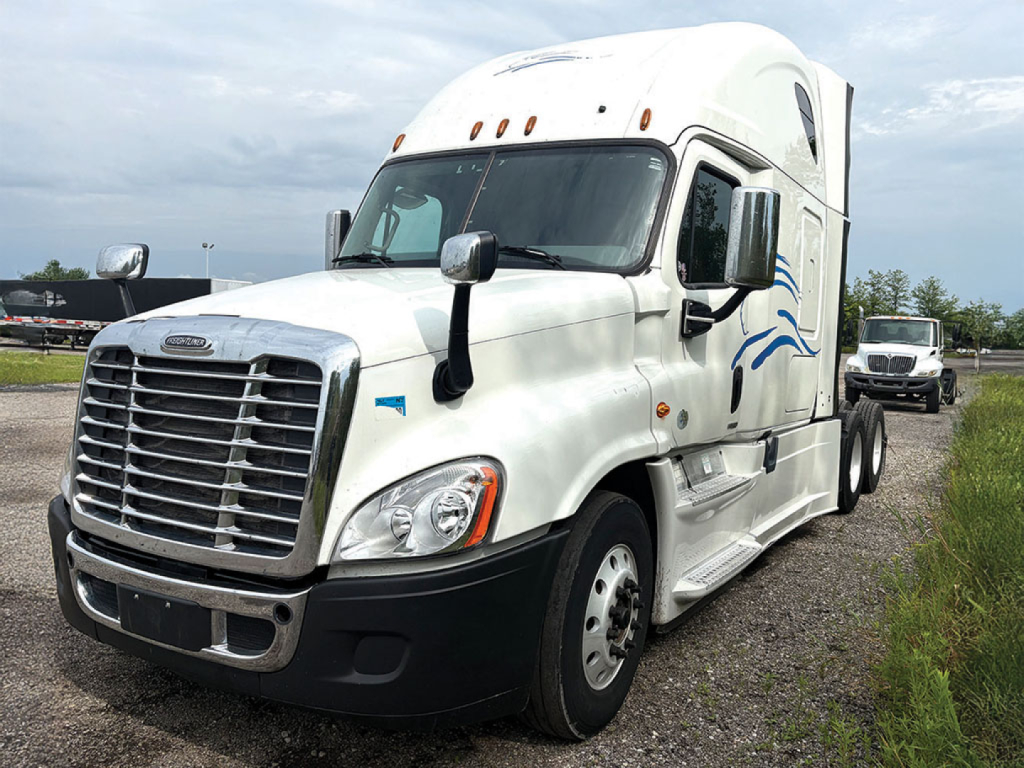
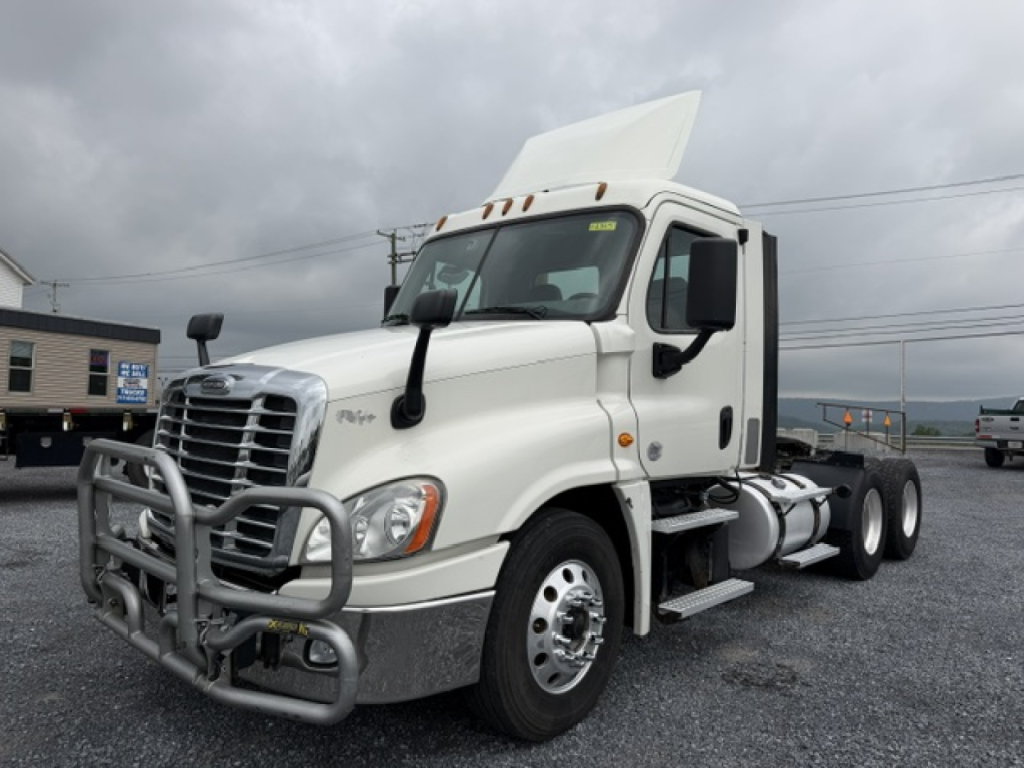
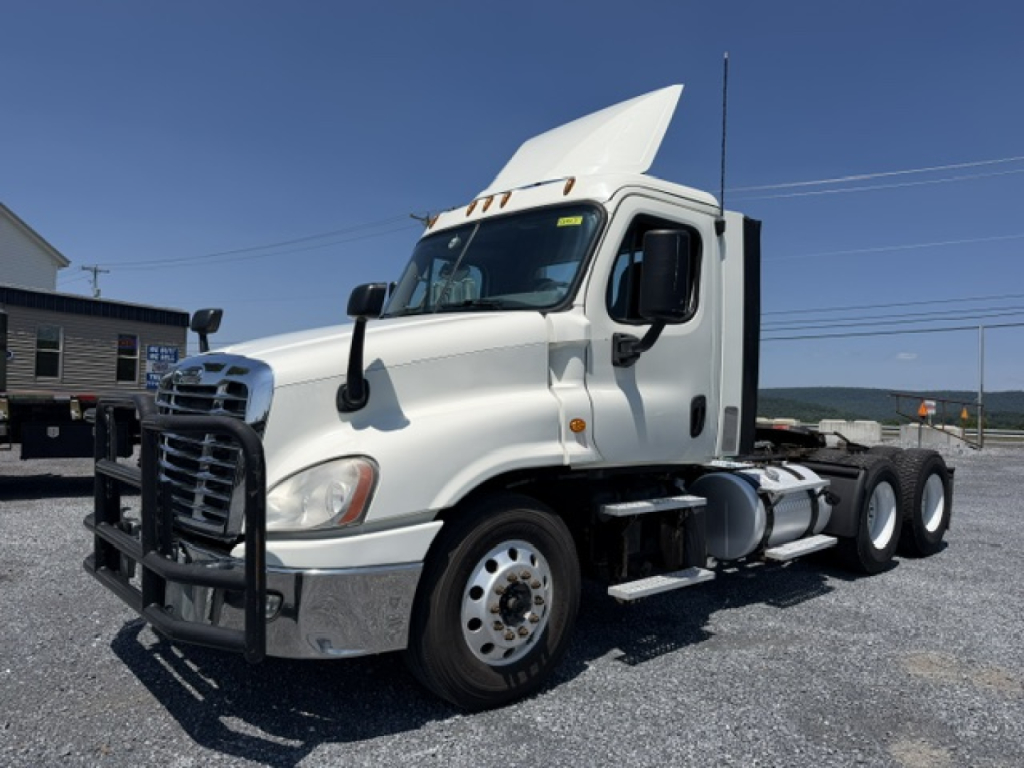
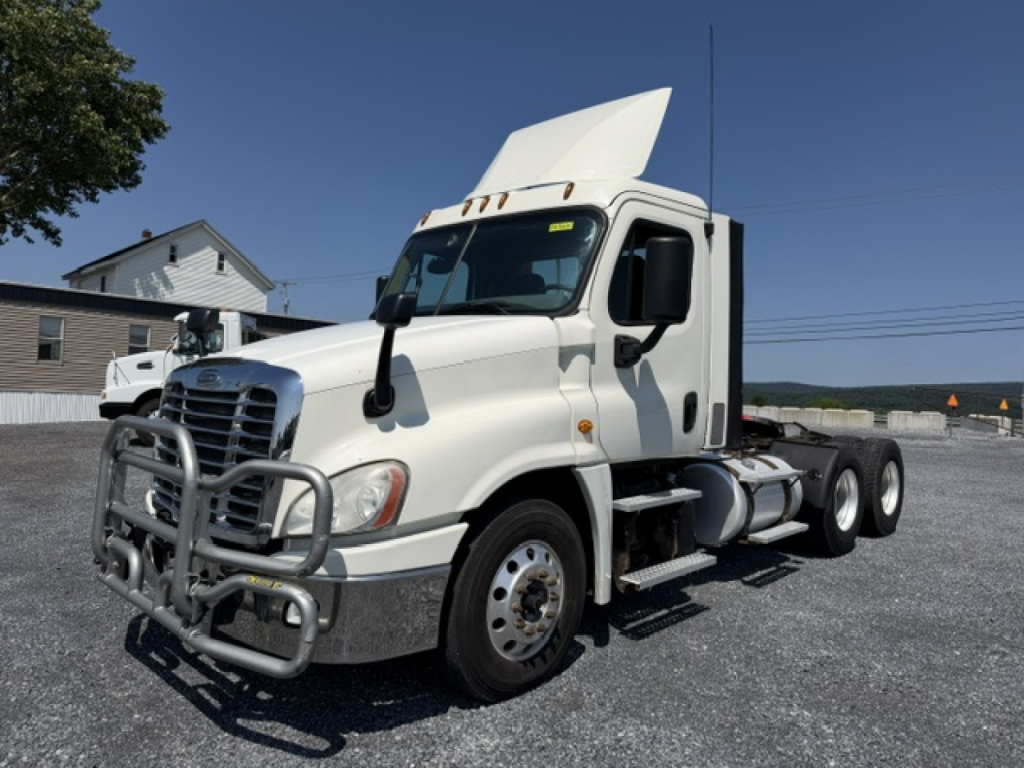
For linehaul work, a 2017 Freightliner Cascadia sleeper is often configured with a raised-roof bunk, aerodynamic fairings, air ride suspension, and 2.64, 2.85, or 3.08 rear ratios depending on speed target and gross combination weight. Buyers comparing listings should pay close attention to horsepower and torque ratings, wheelbase, fuel capacity, and whether the truck was built for long interstate miles or shorter regional turns. A 72-inch sleeper, bunk heater, APU, refrigerator, and double bunks can make a real difference in driver retention and idle reduction. Day cab versions are common for dedicated lanes, port work, local drop-and-hook, and warehouse distribution, where a shorter wheelbase and lighter curb weight may be more important than sleeper amenities.
The 2017 model year is also one where condition and maintenance history matter as much as base spec. A buyer should look closely at aftertreatment service records, DPF and SCR system health, transmission calibration, engine brake operation, suspension wear, and any signs of hard regional service. In Pennsylvania, corrosion exposure from winter road treatment is worth checking on frame rails, crossmembers, brake components, battery boxes, and cab mounts. Freightliner parts support is a major advantage, and the Cascadia platform remains one of the easier trucks to keep in service thanks to broad dealer coverage, strong aftermarket support, and widespread technician familiarity.
A good 2017 Freightliner truck should be matched to the job first, then to the payment. For heavy van or reefer lanes, many buyers prefer a DD15 with a 40,000-pound rear axle setup, air slide fifth wheel, and full aero package. For regional freight, a DD13 or lighter Cascadia spec may deliver better operating economy. Cab layout, tire size, brake type, and rear axle ratio all affect performance, service life, and fuel burn. The best listing is rarely just the newest or lowest-priced truck. It is the one with the right drivetrain, documented upkeep, and a prior application that fits the work you plan to run.
Frequently Asked Questions about 2017 Freightliner Trucks in Pennsylvania
What are the most common 2017 Freightliner truck models buyers look for?
The most common 2017 Freightliner trucks in the used market are Cascadia conventional tractors in both sleeper and day cab form. Sleeper versions are typically used for over-the-road van and reefer freight, while day cabs are common in regional haul, dedicated fleet work, and local distribution. Some vocational Freightliner trucks from this year are also available, but the Cascadia is usually the highest-volume model and the one most buyers compare first.
Which engine and transmission combinations are typical in a 2017 Freightliner?
A 2017 Freightliner commonly comes with a Detroit DD13 or DD15 diesel engine. The DD15 is a frequent choice for long-haul and heavier applications because it offers stronger torque and better pull under load. Many 2017 models use the Detroit DT12 automated manual transmission, though some trucks were still spec'd with manual transmissions. The right combination depends on route profile, gross weight, and whether fuel economy or driver familiarity is the main priority.
What should I inspect carefully on a used 2017 Freightliner truck?
The most important inspection points are the engine, aftertreatment system, transmission, suspension, brakes, and frame condition. Service records for DPF cleaning, SCR repairs, injector work, and transmission updates are especially useful. On trucks operated in Pennsylvania and other northern states, buyers should also inspect for corrosion from winter road salt around frame rails, air tanks, brake hardware, wiring, cab mounts, and battery box areas. A diagnostic scan and oil sample can add useful information before purchase.
Is a 2017 Freightliner day cab or sleeper better for regional work in Pennsylvania?
That depends on the length of haul, dwell time, and customer requirements. A day cab is usually the better fit for shorter regional routes, terminal work, and operations where lower weight, tighter turning, and simpler maintenance are priorities. A sleeper can still make sense for Pennsylvania-based regional operations if drivers spend occasional nights out, run irregular dispatches, or need extra storage and comfort. The decision should come down to utilization, driver schedule, and payload targets.
Why do rear axle ratio and wheelbase matter on a 2017 Freightliner?
Rear axle ratio and wheelbase have a direct effect on fuel economy, maneuverability, and how the truck performs in its intended application. A faster ratio like 2.64 or 2.85 can support lower engine rpm at highway speed, while a 3.08 or deeper ratio may be better for heavier freight or more frequent grade changes. Wheelbase affects trailer gap, turning radius, ride quality, and how easily the truck can be matched to a fifth wheel position and legal axle spacing. These details matter just as much as engine horsepower when comparing listings.