
2017 Commercial Trucks For Sale in Texas
Browse 2017 trucks for sale in Texas, including day cabs, sleepers, vocational, and medium-duty models with specs that fit your operation.

Selling a 2017 commercial truck? List your 2017 commercial truck for sale and reach thousands of commercial buyers.
2017 Commercial Trucks in Texas
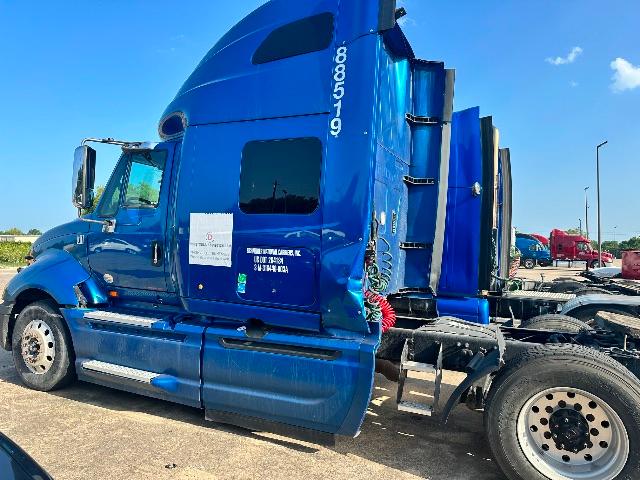
For over-the-road use, many 2017 highway tractors were spec'd with 12- or 13-speed automated or manual transmissions, tandem rear axles, and horsepower ratings in the 400 to 500 plus range. Common considerations include wheelbase, rear axle ratio, fuel capacity, sleeper size, and safety systems such as collision mitigation or lane departure warning. In Texas, regional haul and long-haul buyers often pay close attention to cooling system condition, A/C performance, tire wear patterns, and suspension integrity because heat, long interstate miles, and heavy freight cycles expose weak points quickly. If the truck is a day cab, look at turning radius, fifth wheel setup, wet kit provisions, and PTO compatibility if hydraulic equipment is part of the application.
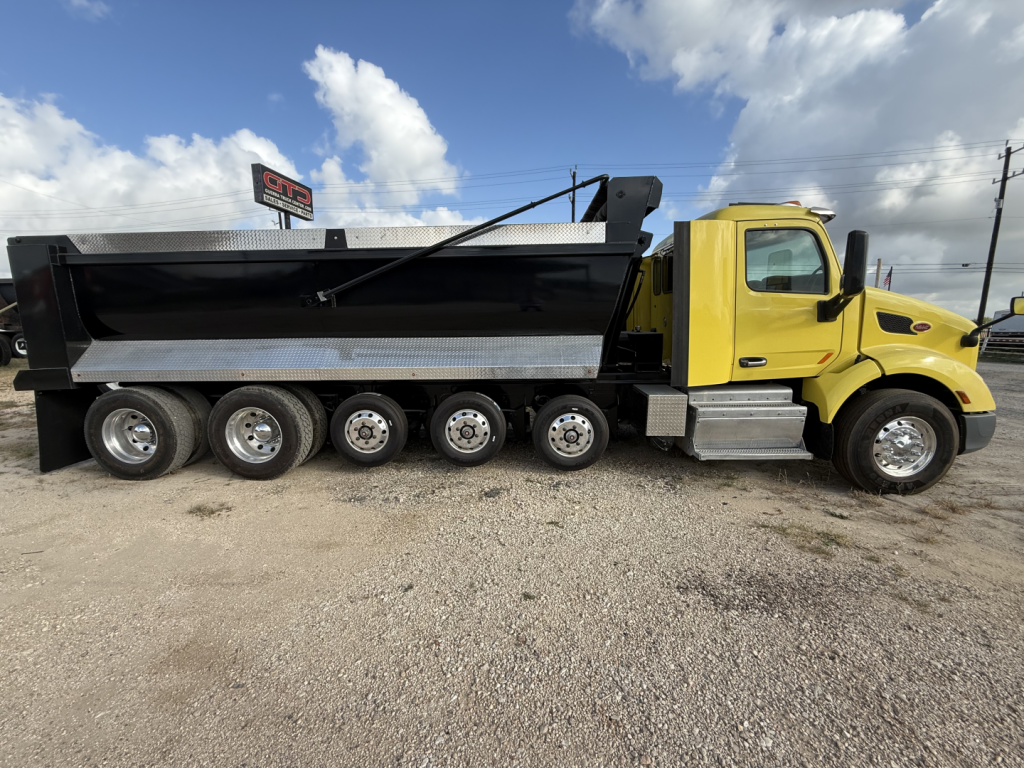
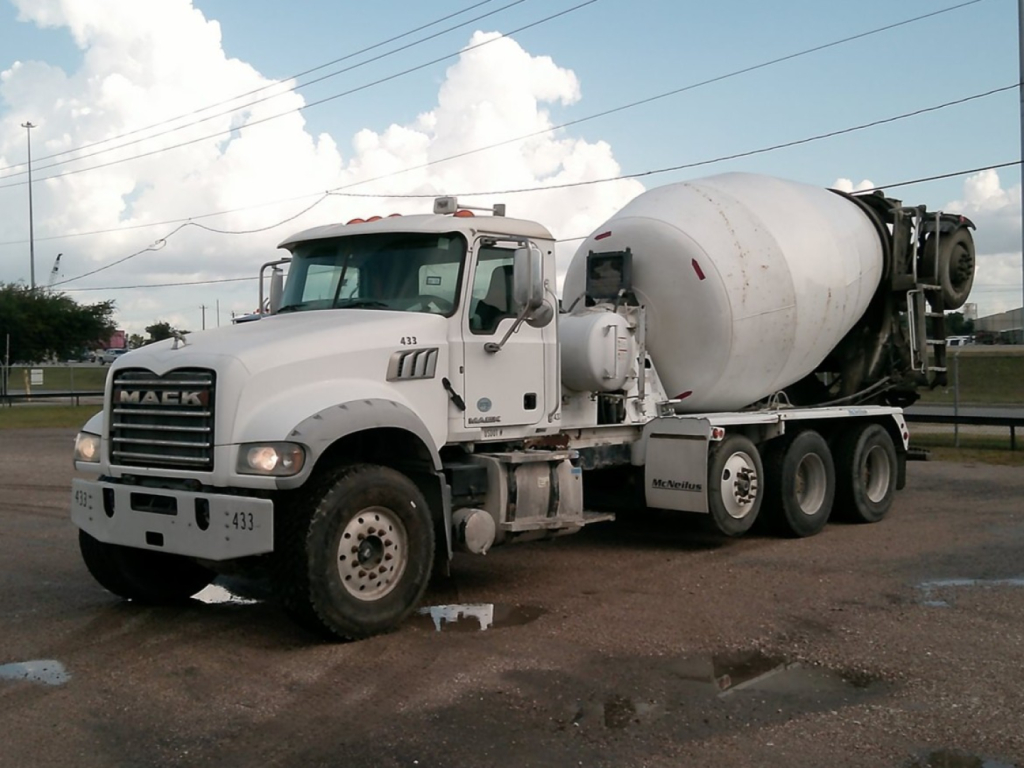
Vocational and local-service 2017 trucks need a different review. Front axle capacity, frame rail strength, PTO openings, transmission gearing, and brake type are often more important than sleeper amenities. Buyers shopping dump, mixer, roll-off, or heavy-spec tractor configurations should verify axle ratings, locking differentials, suspension type, and body or equipment compatibility. On medium-duty trucks, pay attention to CDL versus non-CDL GVWR, body length, liftgate needs, and cab-to-axle measurement. A 2017 chassis can still be a productive platform if it was spec'd correctly and not overloaded or mismatched to the work.
Because 2017 trucks are now old enough for wear patterns to show clearly, inspection discipline matters more than brochure specs. Check for signs of aftertreatment neglect, coolant contamination, oil seepage, frame corrosion, uneven tire wear, driveline vibration, and electrical issues in lighting, dash functions, and emissions controls. Texas buyers should also consider where the truck spent its life. A regional truck that ran dry freight is a very different candidate than one that spent years in oilfield, construction, or stop-and-go municipal service. A well-maintained 2017 truck can still deliver solid service life, but the best purchase usually comes from understanding the truck's original spec, current condition, and how closely both align with the route and duty cycle ahead.
Frequently Asked Questions about 2017 Commercial Trucks in Texas
What should I look for first when buying a 2017 used truck in Texas?
Start with service records, engine hours, mileage, and the truck's original application. A 2017 truck may still have good life left, but maintenance history on the engine, aftertreatment system, transmission, suspension, and brakes is critical. In Texas, it is also smart to inspect cooling performance, air conditioning, tire condition, and signs of hard vocational use because heat and long operating cycles can accelerate wear.
Are 2017 trucks a good value compared with newer models?
Yes, many 2017 trucks sit in a practical middle ground for buyers who want newer drivetrains and cab features without paying late-model pricing. The tradeoff is that condition becomes more important than model year alone. A well-documented 2017 truck with major maintenance completed can be a better buy than a newer truck with poor service history or a mismatched spec.
What drivetrain specs are common on 2017 highway trucks?
Many 2017 highway tractors were built with engines in the 400 to 500 horsepower range, tandem rear axles, and 10-, 12-, or 13-speed transmissions, including automated manual options. Rear axle ratios, wheelbase, and sleeper configuration vary based on regional haul, long-haul, or heavy-haul use. Buyers should match horsepower, gearing, and axle ratings to freight weight, terrain, and expected cruise speed.
Why is aftertreatment history important on a 2017 truck?
A 2017 truck is firmly in the modern emissions era, so the condition of the DPF, DEF system, EGR components, sensors, and related software matters. Repeated regeneration problems, warning lights, or incomplete repair records can signal expensive downtime ahead. A truck with documented aftertreatment service and a clean diagnostic review is usually a safer purchase.
Does application history matter on a 2017 truck?
Yes, application history is one of the most important buying factors. A truck used in linehaul service often wears differently than one used in construction, oilfield, municipal, or severe stop-and-go work. Two 2017 trucks with similar mileage can have very different remaining life depending on idle time, load profile, terrain, and maintenance discipline.