
2017 Ford Commercial Trucks For Sale
Shop 2017 Ford trucks by cab style, GVWR, engine, and upfit compatibility. Compare medium-duty, chassis cab, service, tow, and delivery models.
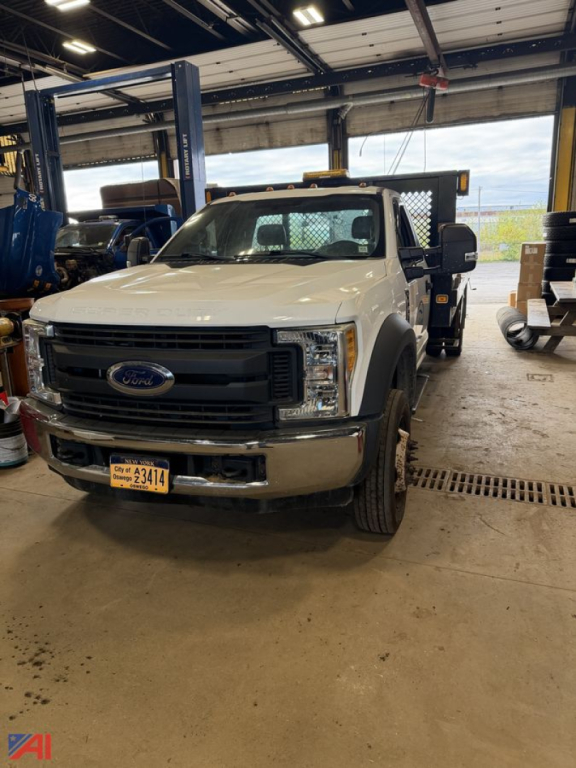
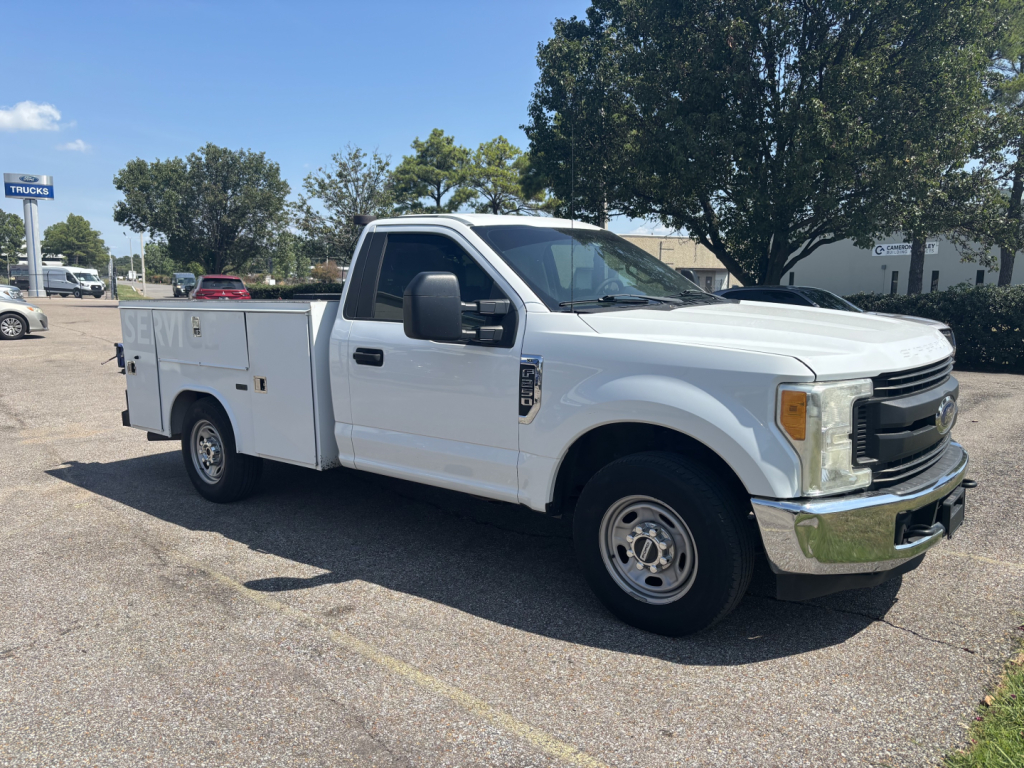
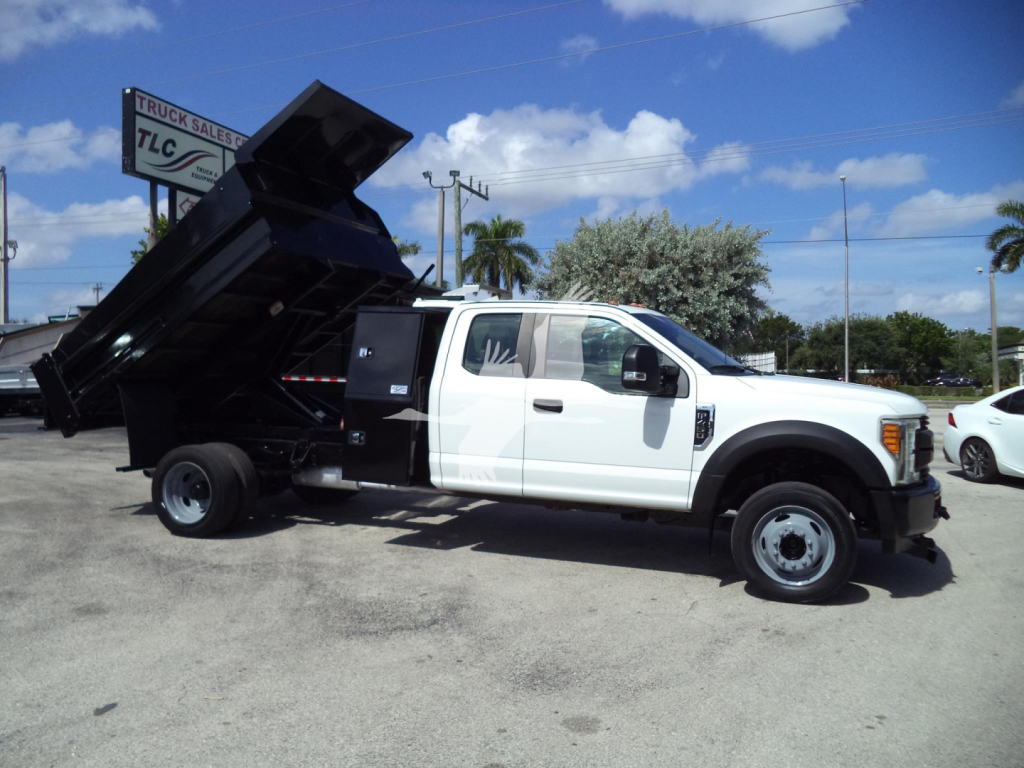
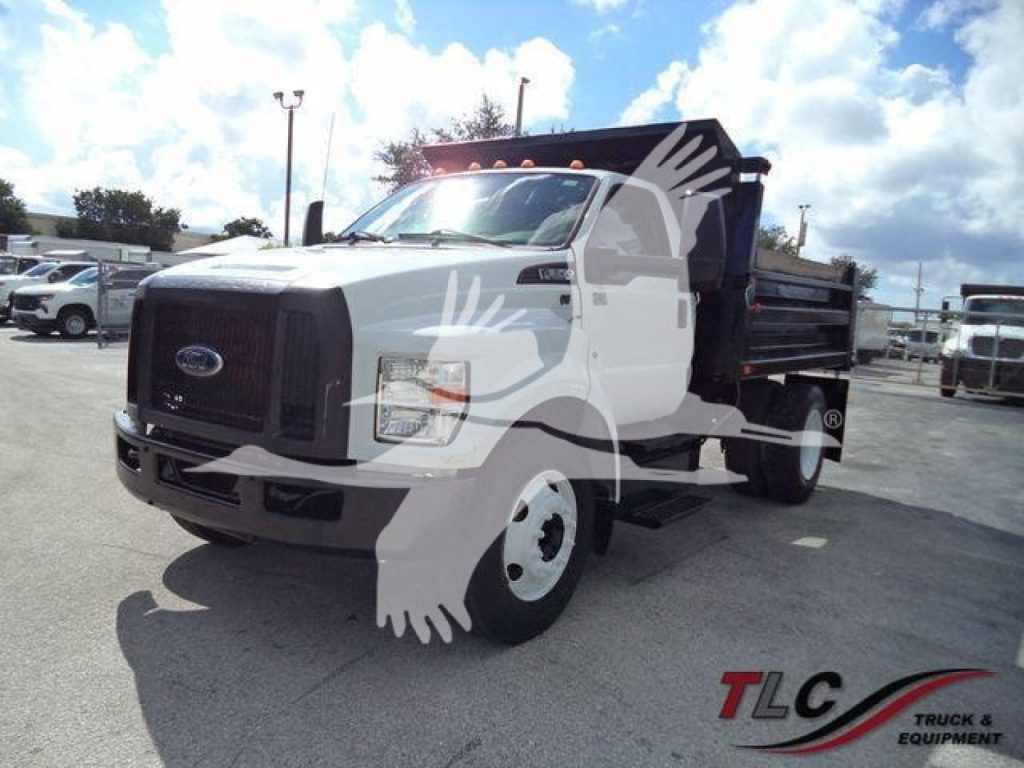
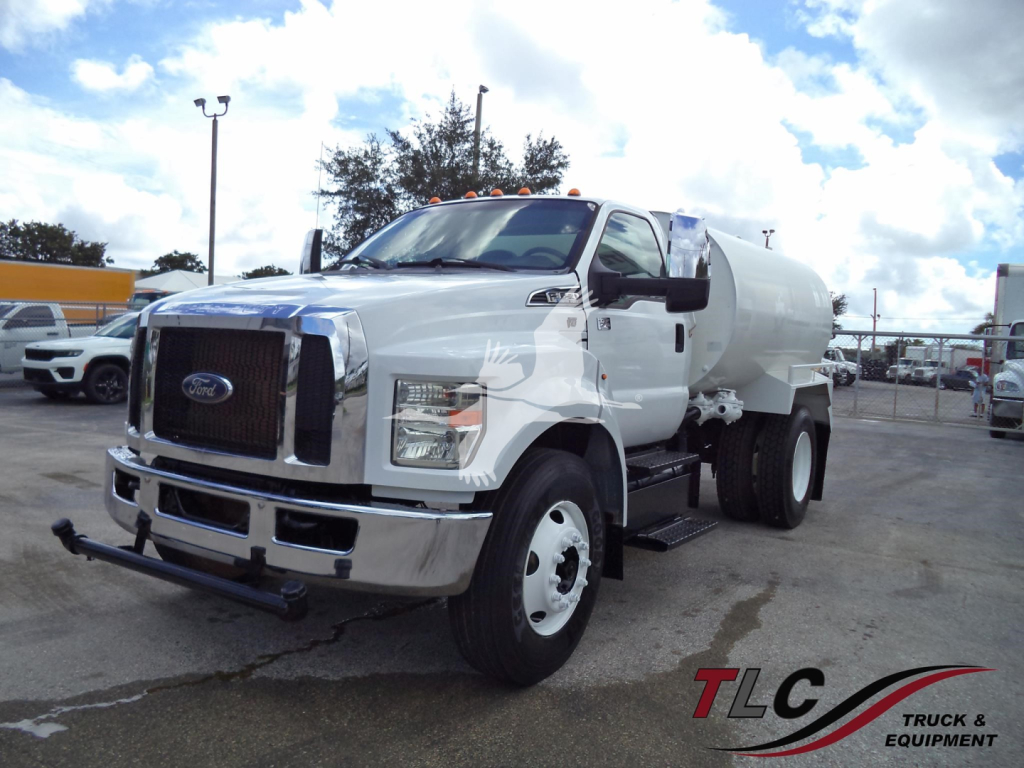
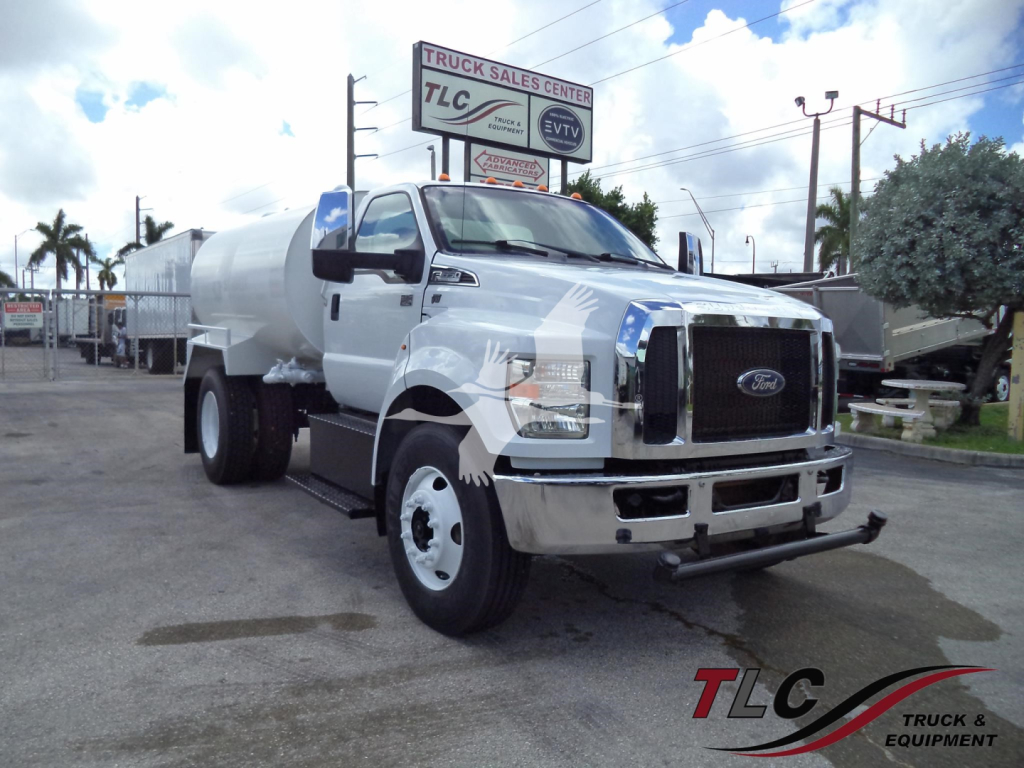
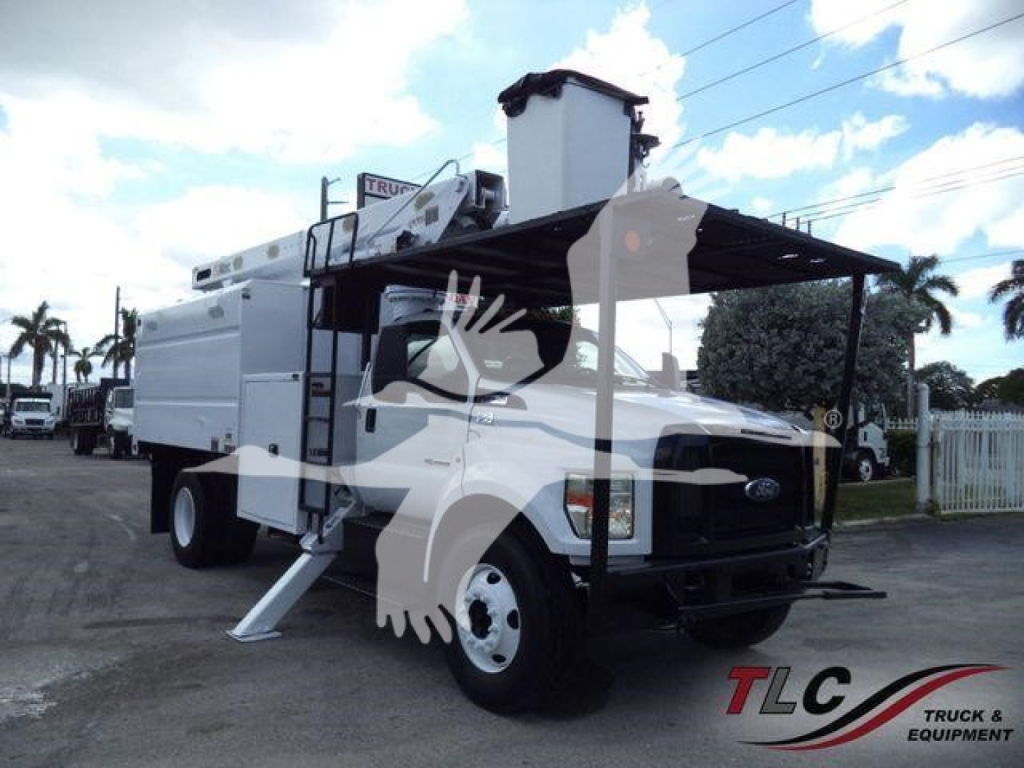
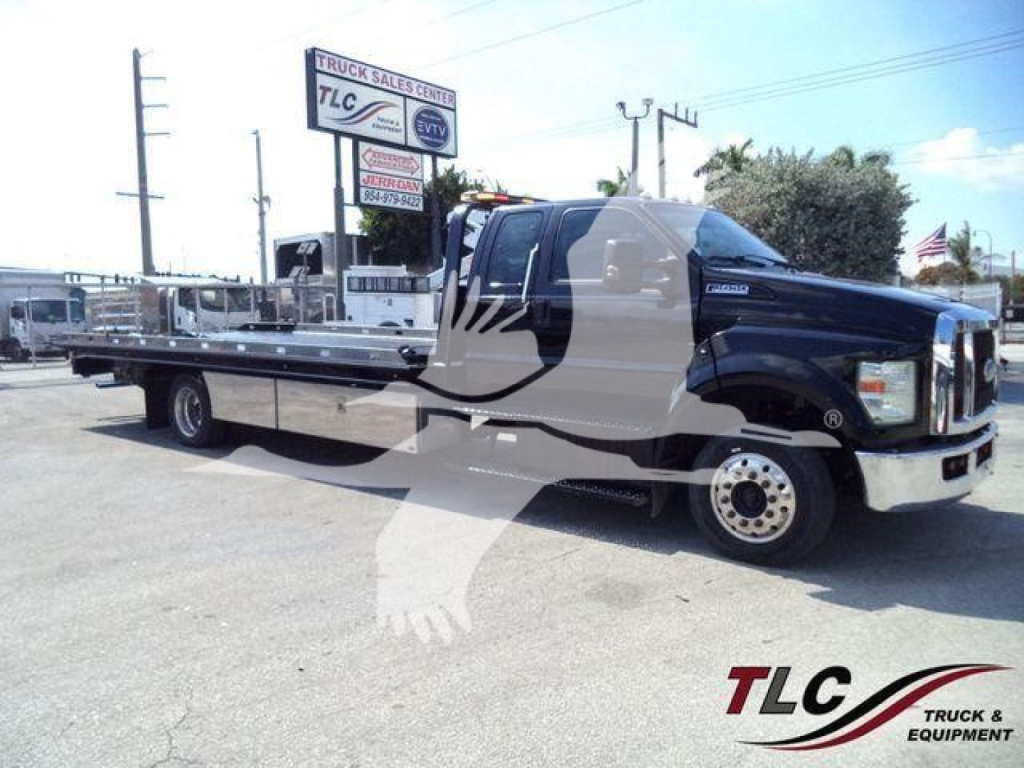
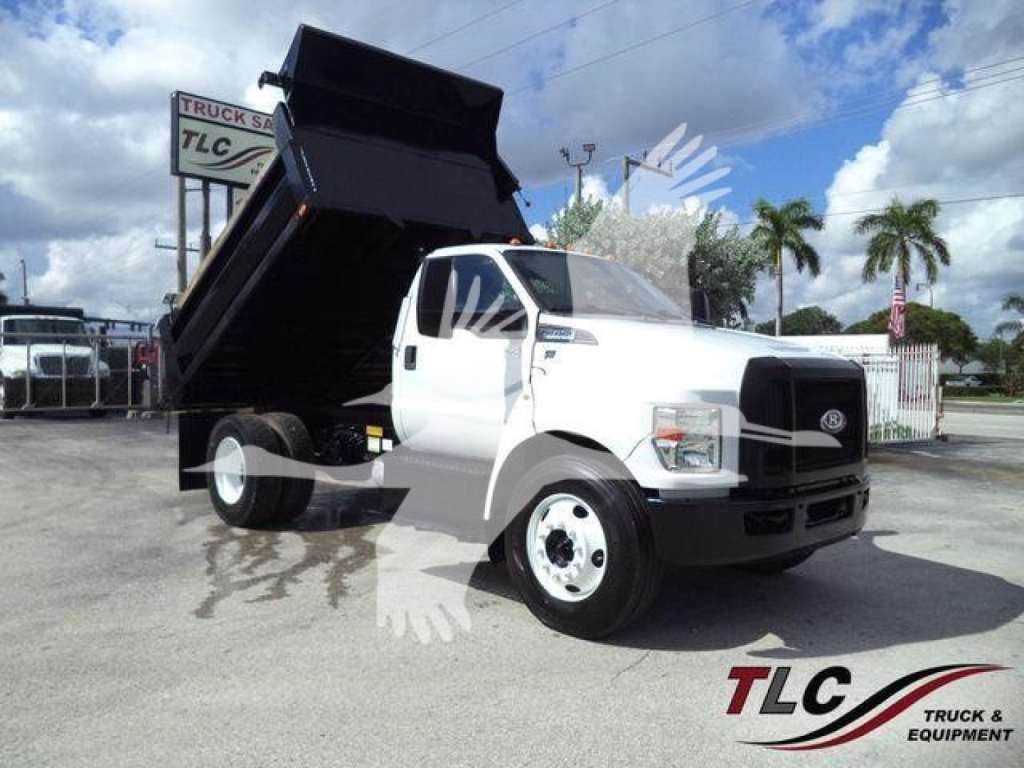
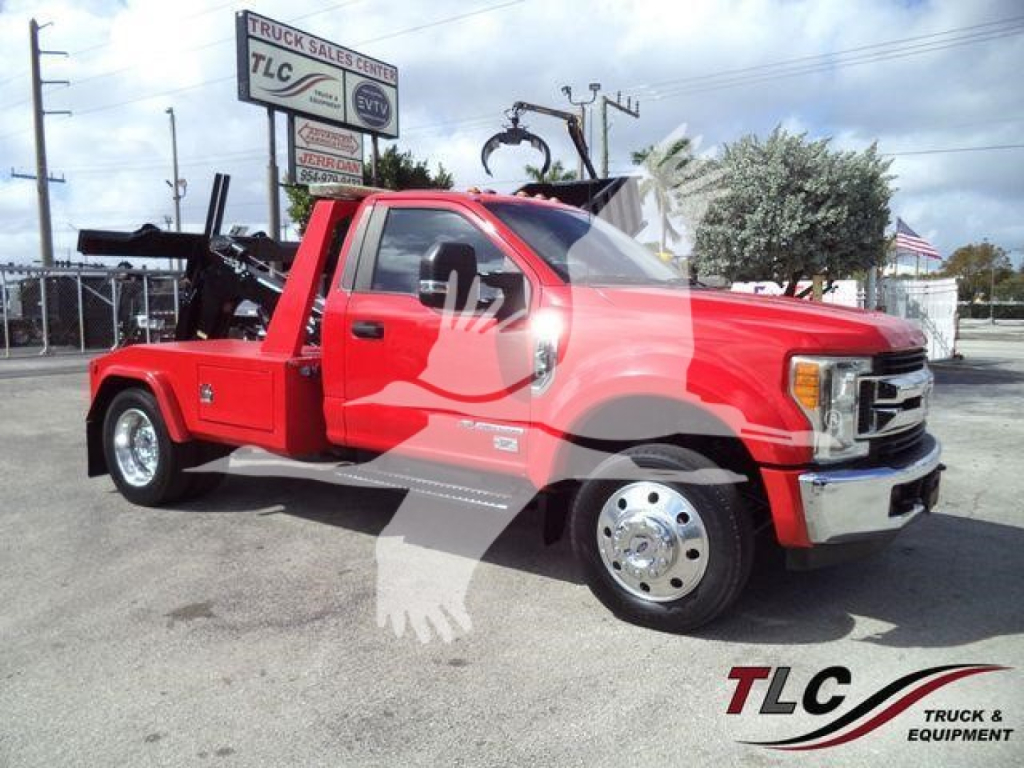
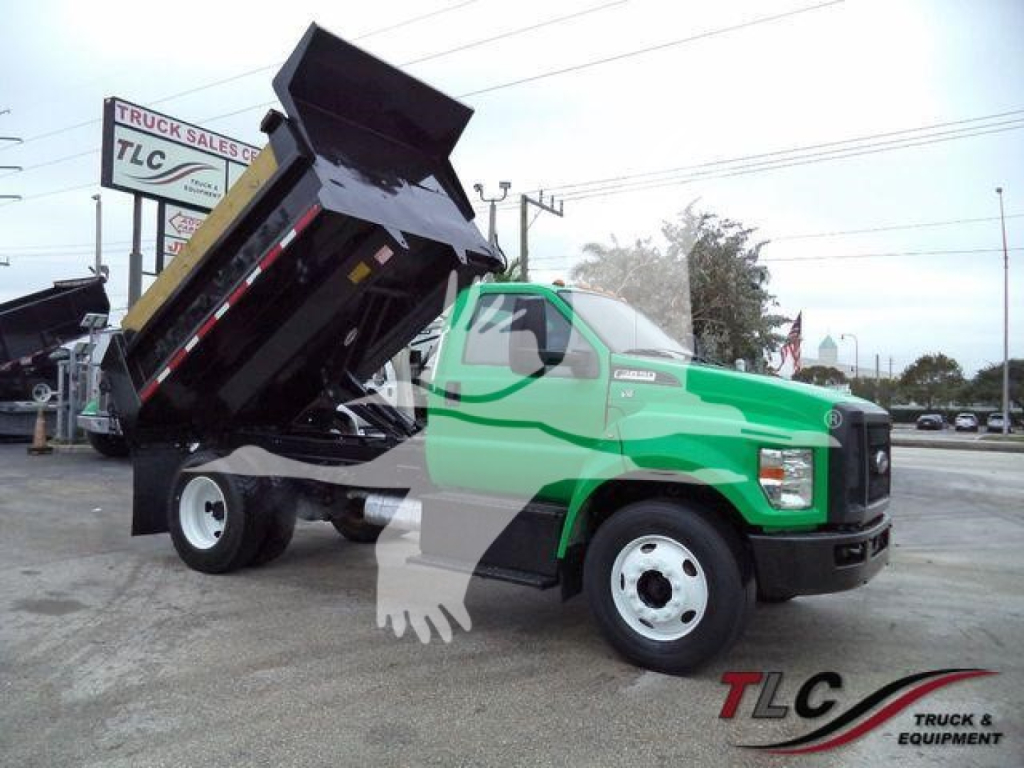
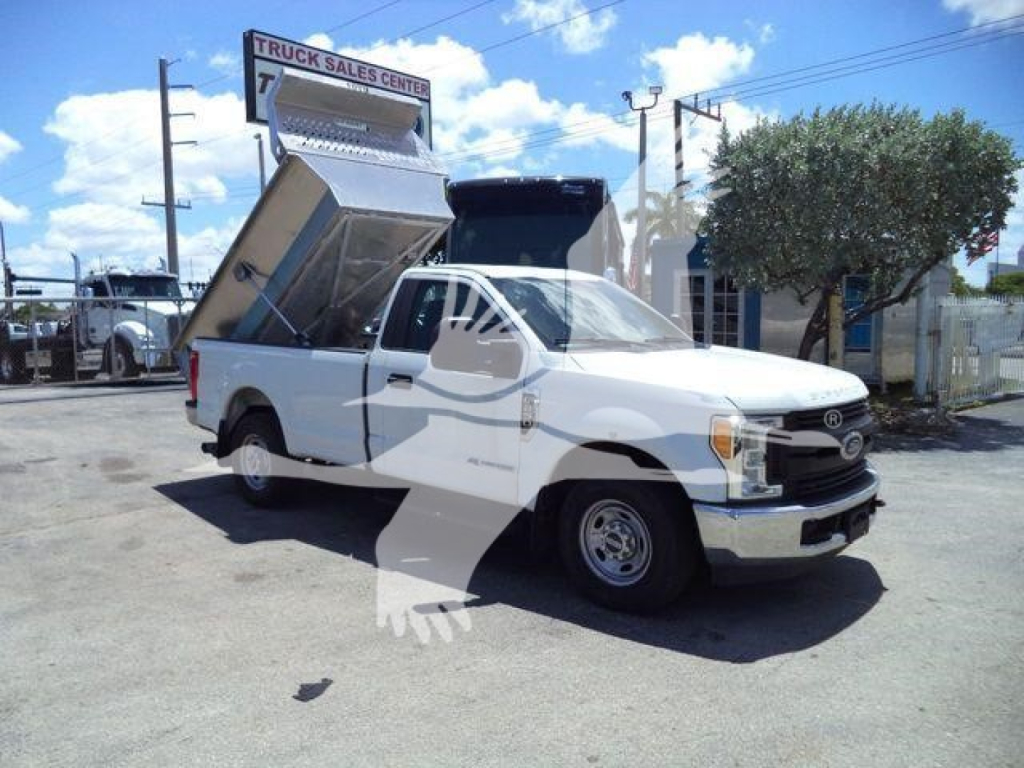
Selling a 2017 ford commercial truck? List your 2017 ford commercial truck for sale and reach thousands of commercial buyers.
2017 Ford Commercial Trucks
Engine and GVWR selection matter more than badges. A 2017 Ford Super Duty may be powered by the 6.2L gas V8, the 6.7L Power Stroke diesel, or in some E-Series and stripped chassis applications, the 6.8L V10 depending on the configuration. Gas trucks usually appeal to fleets with lower annual miles, simpler maintenance preferences, or stop-and-go duty cycles. Diesel trucks tend to make more sense for heavier payloads, towing, rollback bodies, and routes where low-end torque and highway efficiency matter. On medium-duty Ford trucks, buyers should also review brake type, suspension setup, fuel tank capacity, axle configuration, and transmission pairing, especially if the truck will carry a vocational body or operate near max GVWR.
Upfit history is often what separates one 2017 Ford truck from another. Service trucks may include compressors, generators, crane reinforcement, and compartment packages. Tow trucks and rollback carriers need close inspection of hydraulic systems, winch ratings, wheel-lift equipment, and bed manufacturer support. Cab and chassis units should be checked for clean frame rails, electrical provisions, and signs of prior body removal or corrosion around mounting points. On higher-mileage units, pay attention to rust in cab corners, underbody condition, emissions-system service history, and wear in steering, front-end components, suspension bushings, and brake hardware.
For buyers comparing listings, the best 2017 Ford truck is the one whose axle ratings, wheelbase, engine, and body spec match the job without forcing an expensive rework. A delivery route truck has very different needs than a mechanic’s truck, rollback, dump, or utility-body unit. Ford’s strong parts availability and broad dealer support remain a practical advantage, but spec discipline is still what protects total operating cost. Verify GVWR, payload, towing requirements, body dimensions, and any CDL implications before choosing between a lighter-duty Super Duty, an E-Series cutaway, or a heavier F-650 or F-750 platform.
Frequently Asked Questions about 2017 Ford Commercial Trucks
What should I check first when buying a 2017 Ford truck for commercial use?
Start with the truck’s intended application and match that to GVWR, wheelbase, cab-to-axle measurement, and engine choice. Those core specs determine whether the truck can legally and efficiently carry the body, payload, or towing load you need. After that, review axle ratings, transmission, suspension, brake setup, and any PTO or upfit provisions. A truck that looks clean but has the wrong frame dimensions or ratings can become more expensive than a rougher unit that is already correctly spec’d.
Is a 2017 Ford gas engine or diesel engine better for fleet work?
It depends on duty cycle and operating cost priorities. Gas engines are often favored for lighter service, lower annual mileage, and urban routes where simplicity and lower repair costs matter. Diesel engines are usually the better fit for higher GVWR applications, regular towing, rollback work, and long-mile service where torque and pulling power are important. The right choice comes down to payload, route type, idle time, maintenance budget, and how close the truck will run to its rated capacity.
What body types are common on 2017 Ford commercial truck platforms?
Common configurations include pickup service trucks, cab and chassis units, utility bodies, flatbeds, dumps, rollback carriers, box trucks, cutaway vans, and specialized municipal or rescue bodies. Ford’s commercial lineup is broad, so the same model year can include anything from a light-duty service truck to a medium-duty towing or delivery platform. Buyers should evaluate not just the cab and drivetrain, but also the quality of the body installation, hydraulic or electrical integration, and whether replacement parts for the upfit are still easy to source.
Are 2017 Ford F-650 and F-750 trucks good choices for heavier vocational work?
Yes, when properly spec’d they are widely used for heavier commercial applications such as towing, stake bodies, flatbeds, dumps, and municipal service. The key is to look beyond the model name and verify the actual suspension, axle ratings, brake configuration, engine, and transmission setup. Two trucks with the same badge can be very different in capability. Buyers should also inspect frame condition, upfit mounting points, and service records, especially on trucks that have spent time in severe-duty or corrosive environments.
Do I need to worry about CDL requirements on a 2017 Ford truck?
Yes. CDL requirements depend on GVWR, GCWR, trailer combination, air brake configuration, and how the truck is used. Some 2017 Ford commercial trucks fall below CDL thresholds, while others such as heavier medium-duty units can easily cross them depending on body and trailer setup. Buyers should verify the truck’s ratings on the door tag and compare them to the planned operation before purchase. Licensing, medical card, and compliance costs can materially affect the total cost of ownership.