
2017 Chevrolet Commercial Trucks For Sale
Browse 2017 Chevrolet trucks for sale, including Silverado pickups and medium-duty chassis built for towing, service, dump, and commercial upfits.
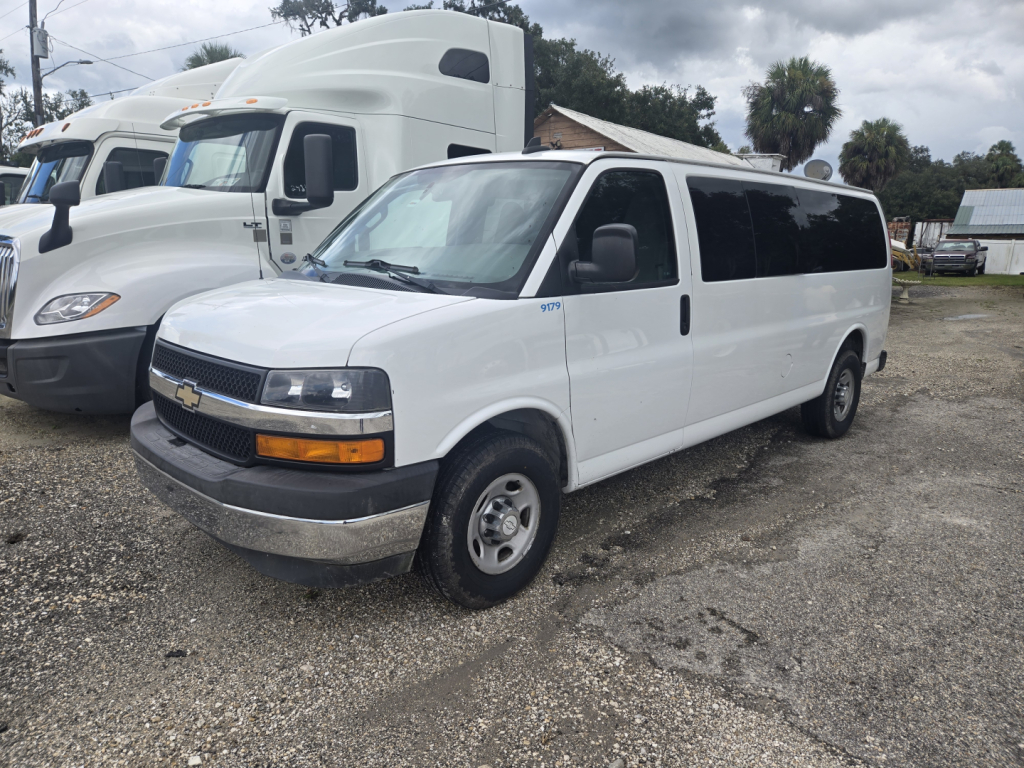
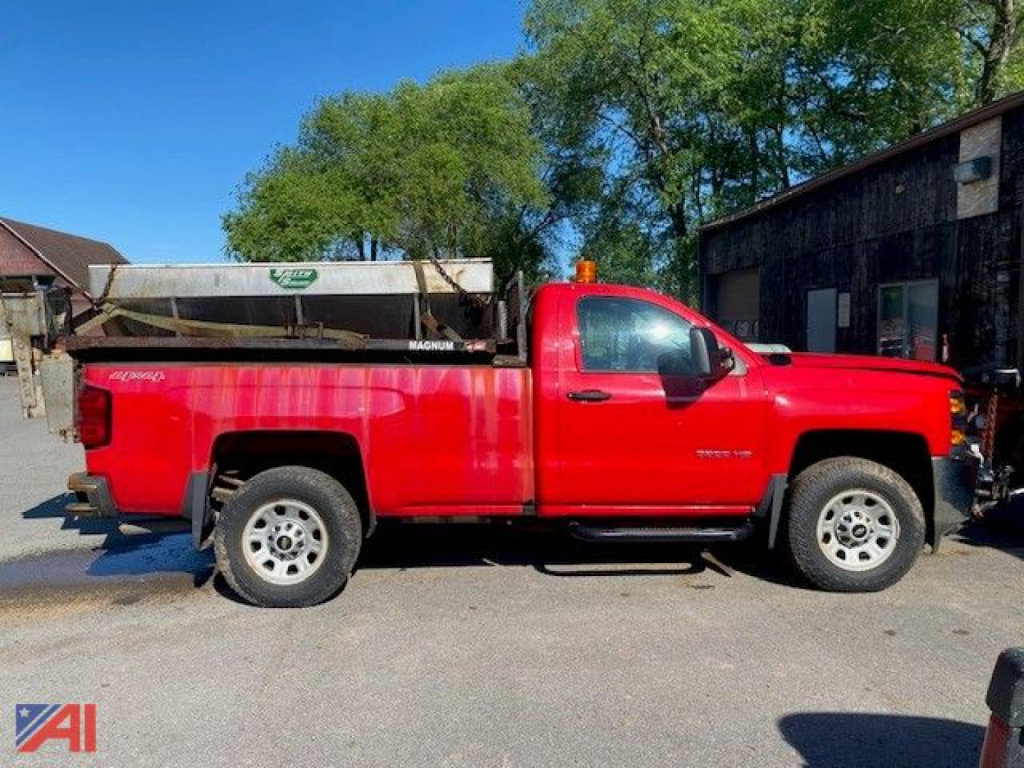
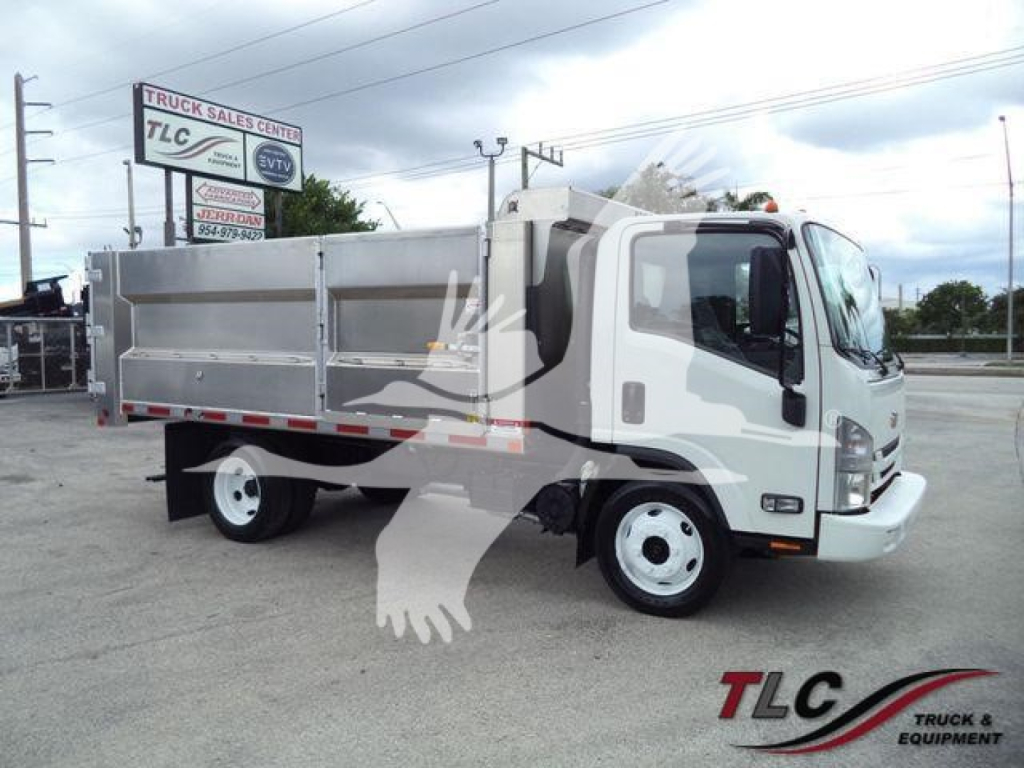
Selling a 2017 chevrolet commercial truck? List your 2017 chevrolet commercial truck for sale and reach thousands of commercial buyers.
2017 Chevrolet Commercial Trucks
For pickup-based 2017 Chevrolet trucks, the common engine choices are the 6.0L gas V8 and the 6.6L Duramax diesel paired with an Allison automatic. Gas trucks tend to appeal to fleets that want simpler maintenance and lower upfront cost, especially for local service work and moderate towing. Duramax-equipped trucks are usually favored when the truck will spend more time under load, pulling trailers, or accumulating highway miles. Buyers should compare GVWR, conventional towing capacity, fifth-wheel or gooseneck capability, axle ratio, bed length, and cab configuration. On used commercial pickups, service body condition, crane operation, rust around bed mounts, and trailer brake controller function are often just as important as engine and transmission condition.
On the medium-duty side, 2017 Chevrolet chassis cab trucks are often selected because they can be configured into specialized work trucks without moving into a full Class 8 platform. These trucks are commonly spec'd as regular cab or crew cab 4x2 units, though 4x4 can matter in utility, municipal, and off-pavement applications. Key points to verify include GVWR, front and rear GAWR, wheelbase, cab-to-axle measurement, suspension type, brake setup, fuel tank placement, and whether the truck is already wired or equipped for PTO and auxiliary hydraulic functions. If the truck carries a rollback, dump, chipper box, hooklift, or mechanic body, the quality of the upfit matters as much as the chassis. Look closely at hoists, subframes, electrical controls, outrigger systems, winches, tool compartments, and corrosion on body floors and crossmembers.
A 2017 Chevrolet truck is often a practical fit for contractors, municipalities, towing operations, tree crews, utility service, and regional delivery fleets that want familiar GM controls and broad parts support. The best value usually comes from matching the truck’s original spec to the job instead of buying on badge or engine alone. A lightly equipped pickup may be ideal for supervisors or field techs, while a properly rated chassis cab can support a much more demanding vocational body. For buyers comparing multiple listings, the smartest approach is to weigh engine type, axle rating, body condition, service history, emissions equipment health, and upfit quality together, because in this class the truck and the body need to work as one unit.
Frequently Asked Questions about 2017 Chevrolet Commercial Trucks
What types of 2017 Chevrolet trucks are most common in commercial use?
The most common commercial 2017 Chevrolet trucks are Silverado 2500HD and 3500HD pickups, along with Silverado 4500HD, 5500HD, and 6500HD chassis cab models. Pickup models are often used for towing, field service, and contractor work, while chassis cabs are commonly upfitted with service bodies, flatbeds, dump bodies, rollback carriers, hooklifts, and other vocational equipment. The right choice depends on payload, trailer weight, body type, and how much daily idle time or PTO use the application requires.
Is the 6.0L gas engine or the 6.6L Duramax diesel better in a 2017 Chevrolet truck?
The 6.0L gas V8 is often a strong fit for local fleets that want a lower purchase price, straightforward maintenance, and moderate towing capability. The 6.6L Duramax diesel is usually the better option for heavier towing, higher annual mileage, and applications where torque under load matters more. Buyers should also factor in fuel costs, emissions system maintenance, idle hours, and the weight of the body or trailer the truck will handle on a regular basis.
What should I inspect first on a used 2017 Chevrolet work truck?
Start with the truck’s GVWR, axle ratings, engine hours if available, transmission operation, brake condition, and service records. Then inspect the body or upfit carefully, including hoists, cranes, wheel-lift equipment, dump hinges, wiring, PTO operation, tool boxes, and frame-mounted attachment points. Rust on utility bodies, corrosion on crossmembers, and deferred hydraulic repairs can change the real value of a work truck quickly, even if the cab and drivetrain look clean.
Are 2017 Chevrolet chassis cab trucks good for vocational upfits?
Yes, 2017 Chevrolet chassis cab trucks are widely used for vocational upfits because they offer useful GVWR options without stepping into a larger heavy-duty platform. They are commonly configured for utility service, towing, refuse, tree care, municipal work, and delivery applications. Buyers should confirm cab-to-axle dimensions, wheelbase, frame length, suspension capacity, and PTO or hydraulic compatibility before assuming a specific body can be installed or transferred.
How do I choose between a pickup-based truck and a medium-duty chassis cab?
A pickup-based truck makes sense when the job needs a combination of personal-use drivability, moderate payload, and trailer towing with a factory bed or compact service body. A medium-duty chassis cab is usually the better tool when the truck will carry a dedicated commercial body, operate near its rated capacity, or support hydraulic equipment and heavier vocational duty cycles. The decision should be based on payload, body weight, towing demands, turning radius needs, and how specialized the truck’s daily work will be.