
2017 Pickup 4wd Trucks For Sale
Shop 2017 4WD pickup trucks with common specs, towing insights, cab and bed options, and work-ready features for commercial use.
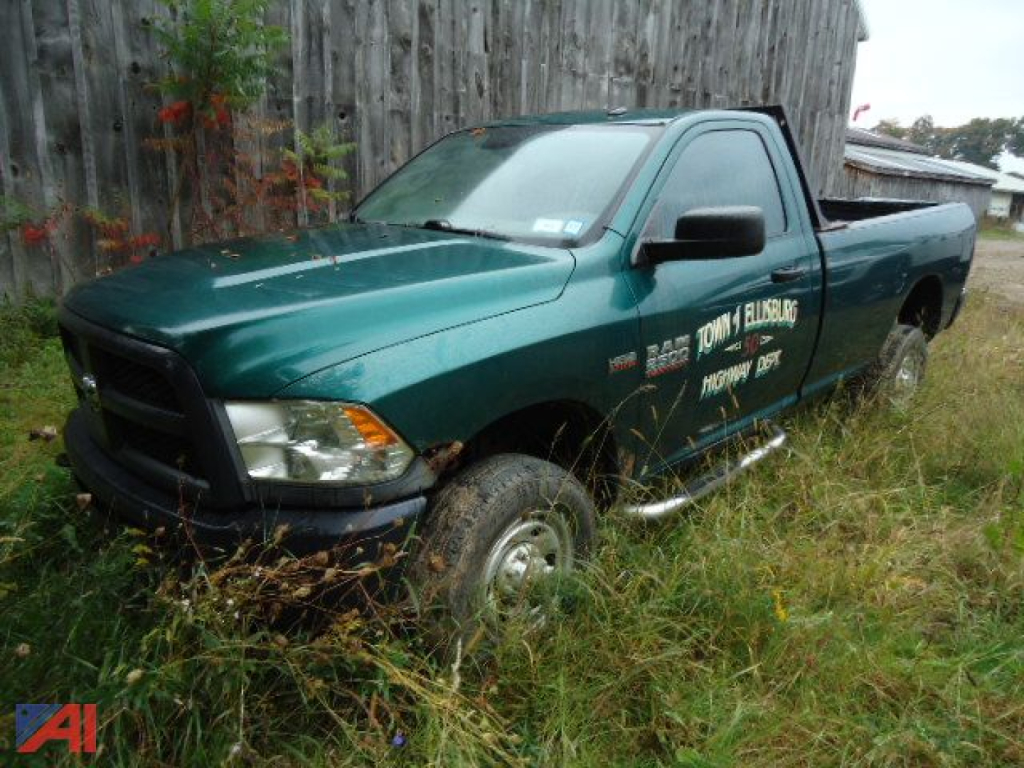
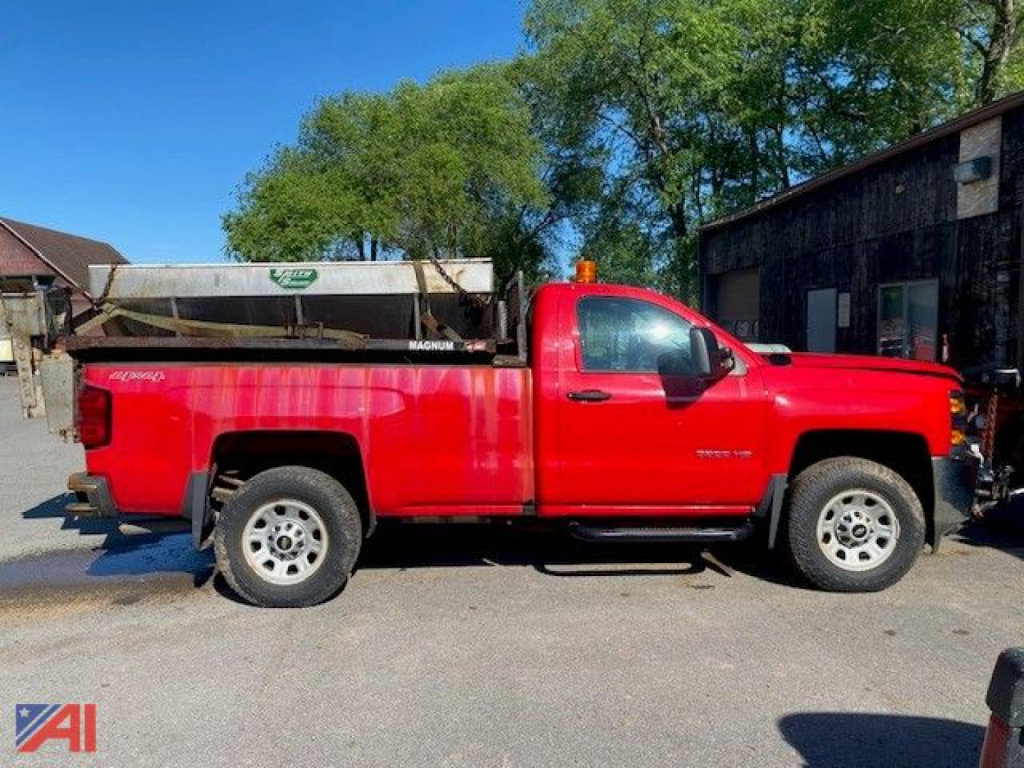
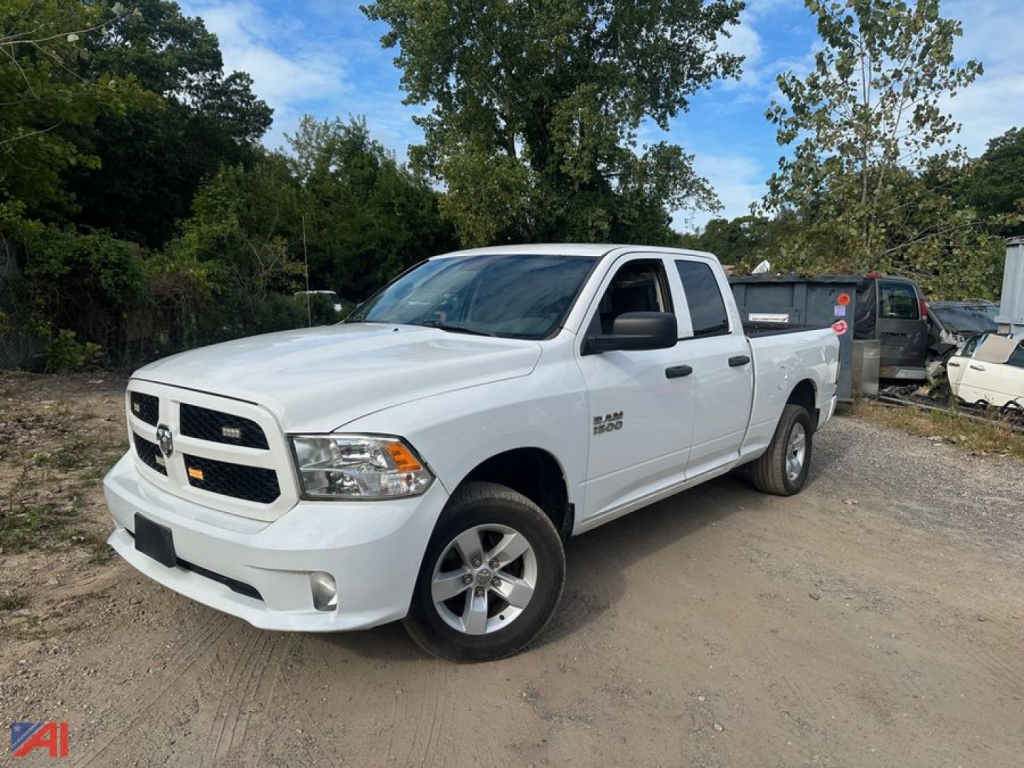
Looking for the easiest place to sell your 2017 pickup 4wd truck? List it here to reach thousands of buyers.
2017 Pickup 4wd Trucks
The first decision is usually weight class. A 2017 half-ton 4x4 pickup is often the right choice for mixed personal and business use, lighter trailers, and daily driving comfort. A 3/4-ton or 1-ton 4WD pickup is better suited for heavier bumper-pull or gooseneck towing, snowplow service, service bodies, and bed-mounted equipment. Buyers should compare GVWR, rear axle rating, wheelbase, bed length, and cab configuration because those specs directly affect payload, turning radius, and trailer stability. Crew cab, extended cab, and regular cab layouts all appear in this segment, along with short bed and long bed setups.
Powertrain matters as much as size. Many 2017 4WD pickups were built with gas V8 engines for lower acquisition cost and simpler maintenance, while diesel-equipped heavy-duty models remain popular for sustained towing and higher torque output. Transmission calibration, axle ratio, integrated trailer brake controllers, factory tow packages, and locking or limited-slip differentials can make a major difference in how useful the truck is on the job. Buyers looking at northern or municipal applications should also watch for plow-prep packages, upfitter switches, skid plates, heavy-duty cooling, and front axle capacity if the truck will carry a snowplow or other front-mounted equipment.
Condition and prior use are critical on a 2017 model. A fleet-maintained 4WD pickup can offer strong value, but inspection should focus on transfer case operation, front suspension wear, frame and cab corrosion, brake condition, tire match, and signs of hard towing or off-road use. On heavy-duty trucks, check bed rails, hitch areas, receiver wear, and any evidence of overloaded service. Interior wear, idle hours, telematics history, and service records can tell as much as the odometer. A well-matched 2017 pickup 4WD truck still brings solid capability for hauling tools, towing equipment, covering rural routes, or serving as a year-round work truck.
Frequently Asked Questions about 2017 Pickup 4wd Trucks
What is the difference between a 2017 half-ton and a 2017 3/4-ton or 1-ton 4WD pickup?
A half-ton 4WD pickup, such as an F-150, Silverado 1500, or Ram 1500, is generally built for lighter payloads, moderate towing, and better everyday ride quality. A 3/4-ton or 1-ton truck, such as an F-250, Silverado 2500HD, or Ram 2500 and up, has a stronger frame, heavier suspension, higher axle ratings, and better suitability for plows, service bodies, and larger trailers. The correct choice depends on actual payload, trailer weight, and how often the truck will operate on rough terrain or in winter conditions.
Is a 2017 4WD pickup good for snowplow use?
A 2017 4WD pickup can be a strong plow platform if it has the right front axle capacity, cooling system, charging system, and plow-prep equipment. Heavy-duty models are usually preferred because they handle the weight of the plow and the stress of repeated low-speed work better than light-duty trucks. Buyers should confirm that the truck has not been overstressed by previous plow use and should inspect the front suspension, steering components, frame horns, and transmission condition carefully.
What should I inspect on a used 2017 4WD pickup truck?
Key inspection points include transfer case engagement, front differential condition, CV axles or U-joints, steering play, suspension wear, brake life, tire condition, and rust on the frame, rocker panels, cab corners, and bed supports. It is also smart to check for towing-related wear at the receiver hitch, gooseneck ball area, and trailer wiring. Service records, engine idle hours, dashboard warning lights, and signs of uneven tire wear can help reveal how the truck was used and maintained.
Are diesel engines worth it in a 2017 4WD pickup?
A diesel can be worth the premium if the truck will spend a lot of time towing heavy trailers or working under load for long distances. Diesel torque, engine braking, and towing efficiency are major advantages in heavy-duty use. For lighter commercial use, a gas engine may be the better value because purchase cost, emissions-system complexity, and repair expense are usually lower. The decision should be based on duty cycle, average trailer weight, and annual mileage.
Which cab and bed configuration is best on a 2017 4WD pickup?
A crew cab offers the most passenger and crew space, which is useful for field teams and mixed work-family use. An extended cab can balance seating and bed length, while a regular cab is often chosen when cargo space and lower overall cost matter more than rear seating. Bed length affects tool storage, pallet placement, and trailer clearance, especially with gooseneck or fifth-wheel setups. The best configuration is the one that matches the truck's actual daily job rather than the maximum occasional need.