
2017 Western Star Trucks For Sale
Shop 2017 Western Star trucks for sale. Compare 4700, 4900 and vocational specs, engines, axles, wheelbases, and sleeper or day cab setups.
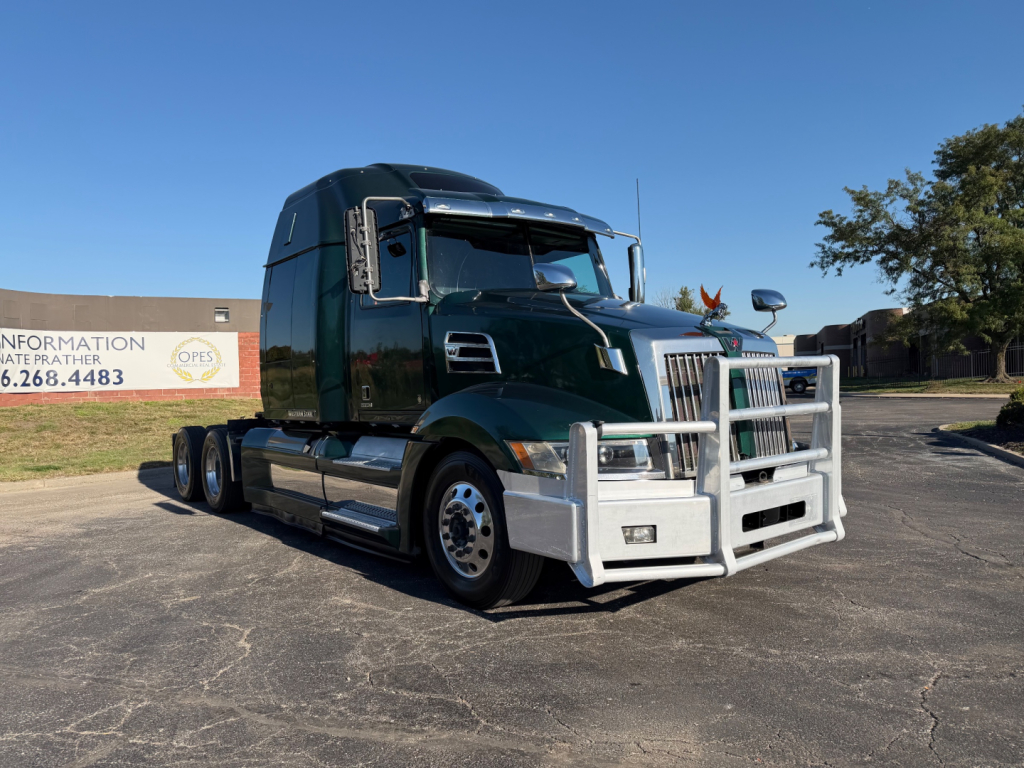
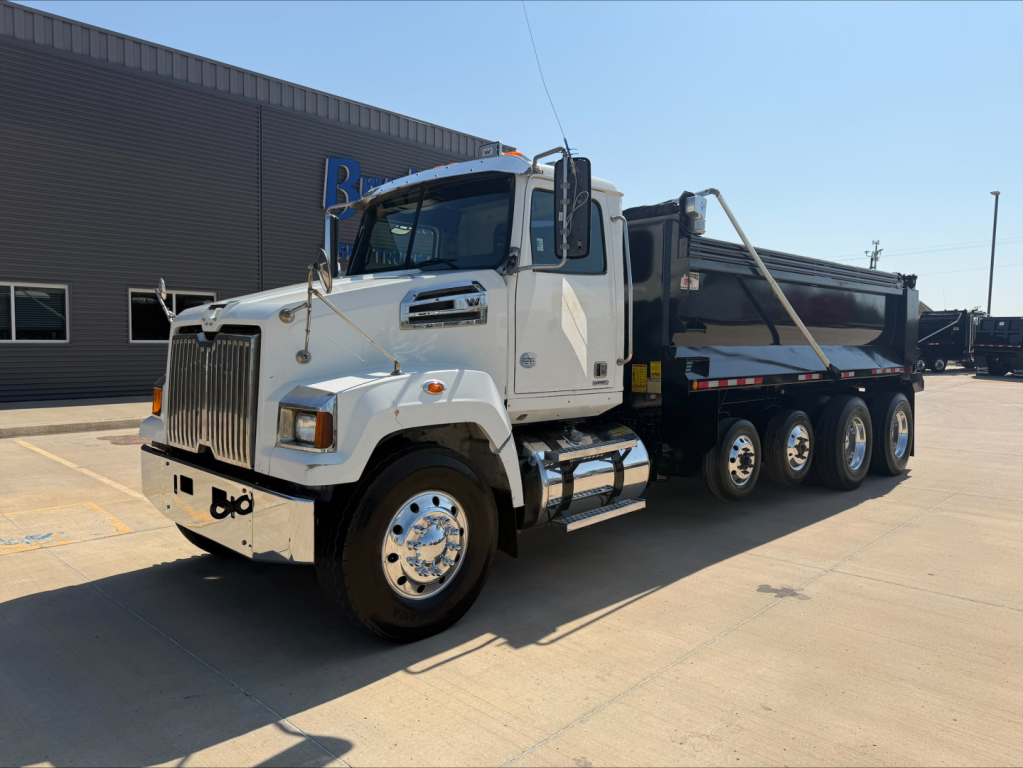
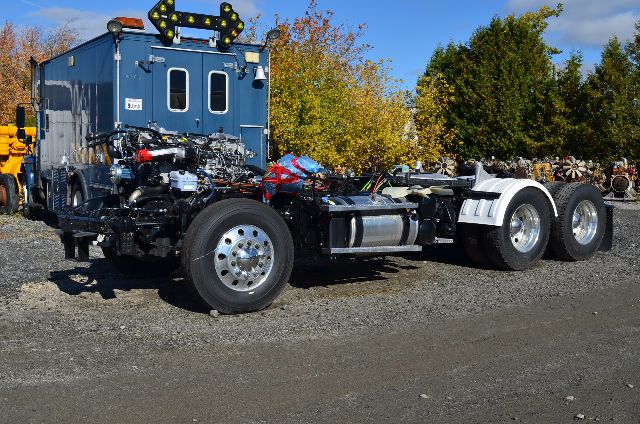
Selling a 2017 western star truck? List your 2017 western star truck for sale and reach thousands of commercial buyers.
2017 Western Star Trucks
The most important buying decision in a 2017 Western Star is the chassis and vocation match. A 4700 often shows up in municipal, construction, and regional vocational work, while 4900 variants are more common in heavy-duty applications and custom specs. Buyers should compare axle ratings, suspension type, wheelbase, frame rail strength, PTO readiness, and front axle capacity before focusing on appearance or trim. On used 2017 trucks, common power choices include Detroit and Cummins diesel engines, often paired with manual, automated manual, or full automatic transmissions depending on the job. A dump or severe-service truck may be spec’d with heavier front axles, double frame sections, and spring suspension, while a highway tractor may lean toward air ride, taller gearing, and a sleeper configuration.
Cab configuration matters just as much as the drivetrain. Day cabs are common for local hauling, construction support, and short regional runs, while sleepers remain relevant for heavy haul and over-the-road applications. Interior trim on Western Star trucks from this period can vary widely, from work-truck vinyl and simple switchgear to more premium driver-focused layouts. Buyers should pay close attention to hood wear, steer axle loading history, suspension bushing condition, fifth wheel or body-mount wear, and signs of frame modification. If the truck has been used in off-road or vocational service, inspection of crossmembers, PTO operation, hoist plumbing, and body integration is especially important.
For emissions-era buyers, a 2017 Western Star usually means evaluating DPF, DEF, SCR, and aftertreatment service history as seriously as engine horsepower. Maintenance records for injectors, one-box systems, sensors, EGR components, and transmission calibration can tell you more than odometer readings alone. A well-spec’d 2017 Western Star can still be a strong value because these trucks were often ordered with premium driveline components and built for long service cycles. The best choice depends on whether the truck was originally designed for your exact duty cycle, since a correctly spec’d vocational or highway Western Star generally performs better and costs less to own than a mismatched truck with attractive cosmetic condition.
Frequently Asked Questions about 2017 Western Star Trucks
What are the most common 2017 Western Star truck models buyers look for?
The most common 2017 Western Star models on the used market are typically the 4700 and 4900 series. The 4700 is often found in vocational roles such as dump, mixer, municipal, and regional hauling, while the 4900 is frequently associated with heavy haul, logging, oilfield, and traditional long-hood highway configurations. Exact model popularity depends on region and industry, but these two series usually represent the bulk of buyer interest in this year range.
What engines are common in a 2017 Western Star truck?
Many 2017 Western Star trucks were spec’d with Detroit or Cummins diesel engines, depending on the original application and buyer preference. Detroit DD13 and DD15 engines are common in both vocational and highway use, while Cummins ISX or related platforms may also appear in heavier or custom applications. The best engine choice depends less on brand alone and more on horsepower, torque rating, emissions service history, and how well the engine was matched to axle ratio, transmission, and payload.
Is a 2017 Western Star a good choice for vocational work?
A 2017 Western Star can be an excellent vocational truck if the chassis was originally built for severe service. Many were ordered with heavy front axles, robust frame rails, PTO provisions, and suspension setups suited to dump, construction, and off-road environments. Buyers should verify that the truck’s wheelbase, axle ratings, frame spec, and body or equipment integration match the intended job, because vocational performance depends heavily on original build spec.
What should I inspect first on a used 2017 Western Star truck?
Start with the frame, suspension, axle ratings, and service records. On a 2017 model, aftertreatment history is especially important, including DPF, DEF, SCR, and sensor-related repairs. After that, inspect engine diagnostics, transmission operation, driveline wear, steering components, brake condition, and any signs of hard vocational use such as cracked body mounts, hoist stress, or frame modifications. A truck with a strong maintenance file and the right original spec is usually a better buy than one with lower mileage but limited documentation.
What is the difference between a 2017 Western Star day cab and sleeper?
A day cab is generally better suited for local routes, jobsite work, short regional hauls, and applications where maneuverability and lower empty weight matter. A sleeper is more appropriate for over-the-road, heavy haul, and operations that require overnight capability. In a 2017 Western Star, the difference is not just cab size. Sleeper trucks may also have different fuel capacity, wheelbase, gearing, and ride specifications, so buyers should evaluate the full truck configuration rather than cab type alone.