
2017 Volvo Trucks For Sale
Shop 2017 Volvo trucks for sale, including VNL, VNM, and VHD models with specs on engines, sleepers, day cabs, axles, and applications.
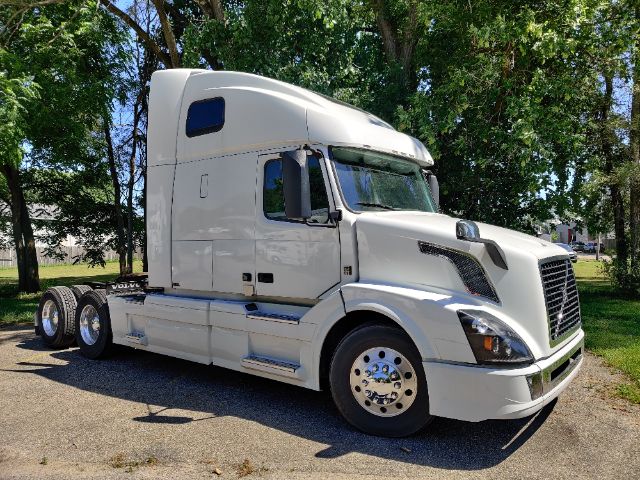
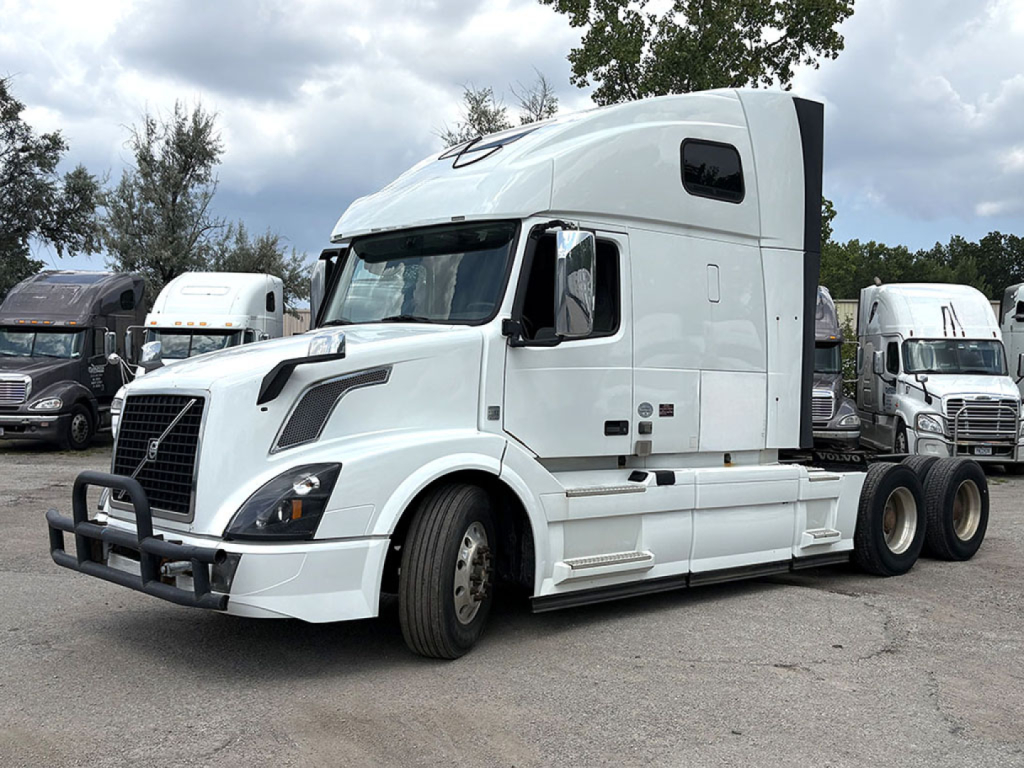
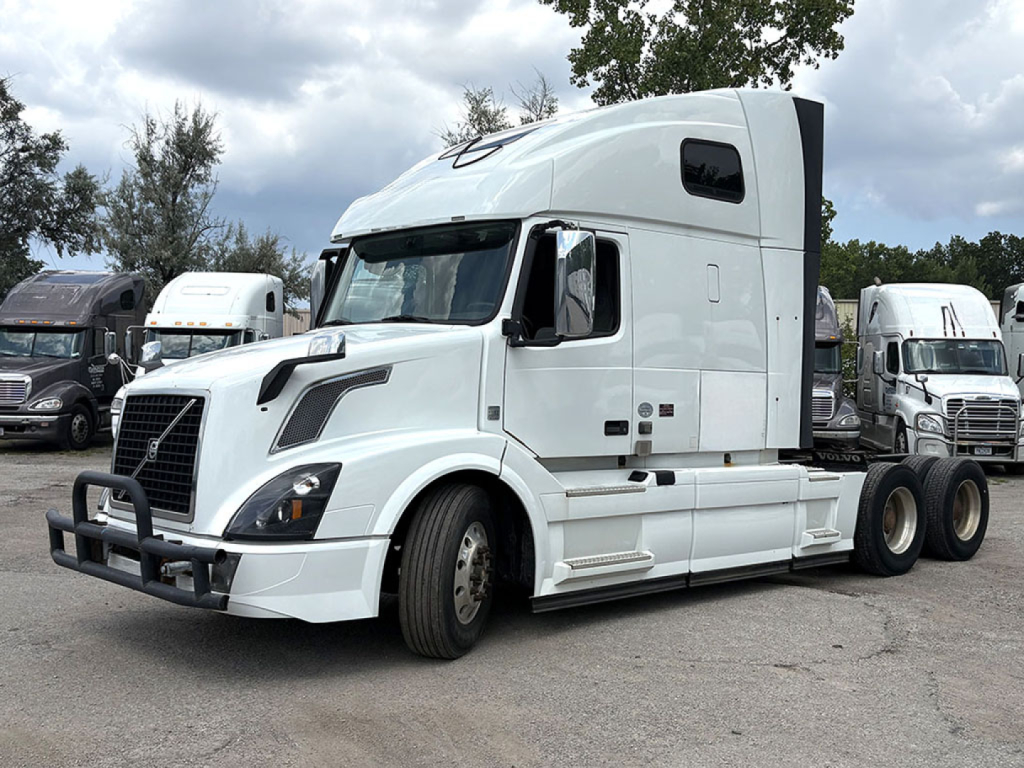

Have 2017 volvo truck to sell? List it here to reach thousands of buyers.
2017 Volvo Trucks
The first decision is application. A 2017 Volvo VNL sleeper is typically geared toward long-haul freight, team operations, and fuel-focused over-the-road work. A VNM day cab usually fits regional haul, LTL, local dedicated lanes, and operations where tighter wheelbase and lower curb weight matter. A 2017 Volvo VHD is a different animal altogether, built for construction, dump, mixer, severe-service, and PTO-driven work. Specs vary widely by original order, so buyers should look closely at horsepower, torque, rear axle ratio, wheelbase, and suspension before assuming two trucks with the same model badge are set up for the same job.
On the powertrain side, many 2017 Volvo trucks use the D13 in ratings around 405 to 455 horsepower, while D11-equipped units are common in lighter regional and vocational roles. I-Shift transmissions are popular because they reduce driver fatigue and can help protect the driveline, but service history matters, especially on higher-mileage fleet tractors. Pay attention to rear axle ratings, common 6x4 configurations, air ride versus vocational suspensions, and brake type, since this model year can be found with either drum or disc brakes depending on how the truck was spec'd. For sleeper tractors, fuel capacity, fairings, bunk size, and air-slide fifth wheel setup are worth checking. For day cabs and vocational units, cab-to-axle, frame condition, PTO compatibility, and front axle capacity often matter more than sleeper amenities.
A good 2017 Volvo truck can still be a very practical buy if the spec matches the route and the maintenance records support the mileage. Buyers should verify aftertreatment service, engine hours, idle time, clutch or transmission calibration history, and any emissions-related repairs, especially on trucks that spent years in heavy stop-and-go service. Volvo's cab ergonomics, steering feel, and integrated safety systems helped make this era attractive to fleets, and that still shows up in the used market. The best purchase usually comes down to matching the truck's original vocation to your current operation instead of buying on model name alone.
Frequently Asked Questions about 2017 Volvo Trucks
What are the most common 2017 Volvo truck models on the used market?
The most common 2017 Volvo trucks are the VNL for highway sleeper and tandem axle tractor applications, the VNM for regional and day cab work, and the VHD for vocational service such as dump, mixer, and heavy-duty chassis applications. The model family matters because each one was designed around a different operating profile, wheelbase range, and suspension setup. Buyers should match the model to the intended freight or body rather than comparing all 2017 Volvo trucks as if they are interchangeable.
Did 2017 Volvo trucks typically come with I-Shift transmissions?
Many did, especially VNL highway tractors. The Volvo I-Shift automated manual was widely spec'd in this period because it improved fuel efficiency, reduced driver fatigue, and standardized shifting performance across fleet operations. Some 2017 Volvo trucks, particularly certain day cabs or fleet replacement units, were still ordered with manual transmissions. On any used unit, transmission software updates, calibration history, clutch wear, and road test behavior are more important than the transmission type alone.
What engines are common in 2017 Volvo trucks?
The Volvo D13 is one of the most common engines in 2017 Volvo highway tractors, often in horsepower ratings suited to over-the-road freight and fuel economy focused specs. The Volvo D11 also appears in regional and vocational applications where lighter weight or different duty cycles made sense. Buyers should look beyond horsepower and review torque rating, emissions service history, engine hours, and how the engine was paired with the rear axle ratio and transmission.
Is a 2017 Volvo truck a good choice for long-haul use?
It can be, especially a properly maintained VNL sleeper with the right axle ratio, fuel capacity, and bunk configuration. This model year is generally well regarded for cab comfort, aerodynamics, visibility, and integrated driveline performance. A buyer planning long-haul use should pay close attention to sleeper size, fairings, tire size, fifth wheel travel, and maintenance records for the engine and aftertreatment system, because those items have a direct effect on uptime and operating cost.
What should I inspect first on a used 2017 Volvo truck?
Start with maintenance records, engine hours, odometer consistency, fault codes, and aftertreatment history. Then inspect the frame, suspension, axle ratings, brake type, tires, and any signs of uneven wear that could point to alignment or suspension issues. On sleeper tractors, check bunk HVAC, interior condition, and cab mount wear. On day cabs and vocational units, focus on PTO setup, frame modifications, body compatibility, and front axle capacity. The goal is to confirm that the truck's original spec and current condition fit the work you need it to do.