
2017 Cab and Chassis Trucks For Sale
Shop 2017 cab and chassis trucks with the wheelbase, GVWR, and frame specs needed for bodies like dump, box, rollback, service, and utility.
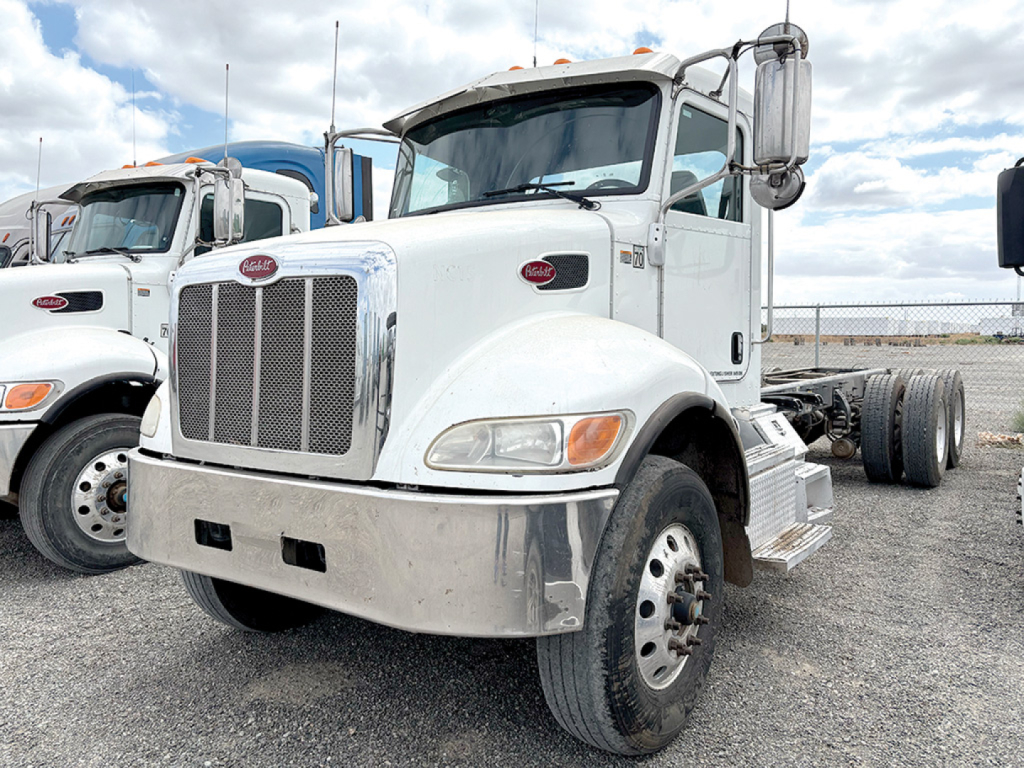
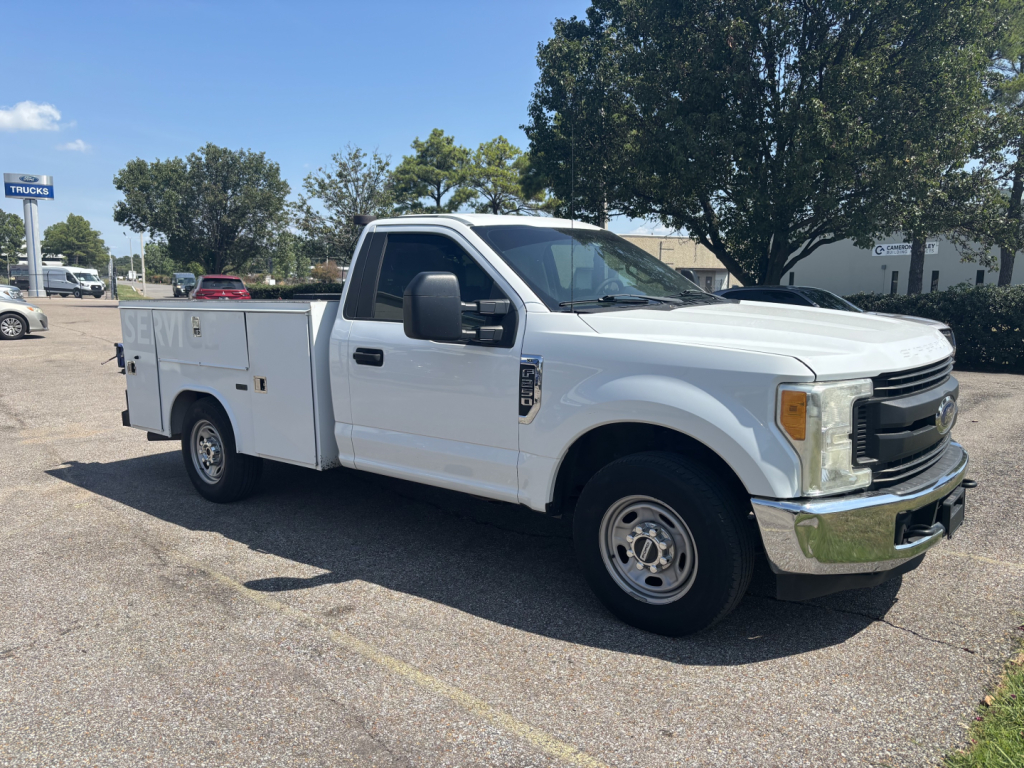
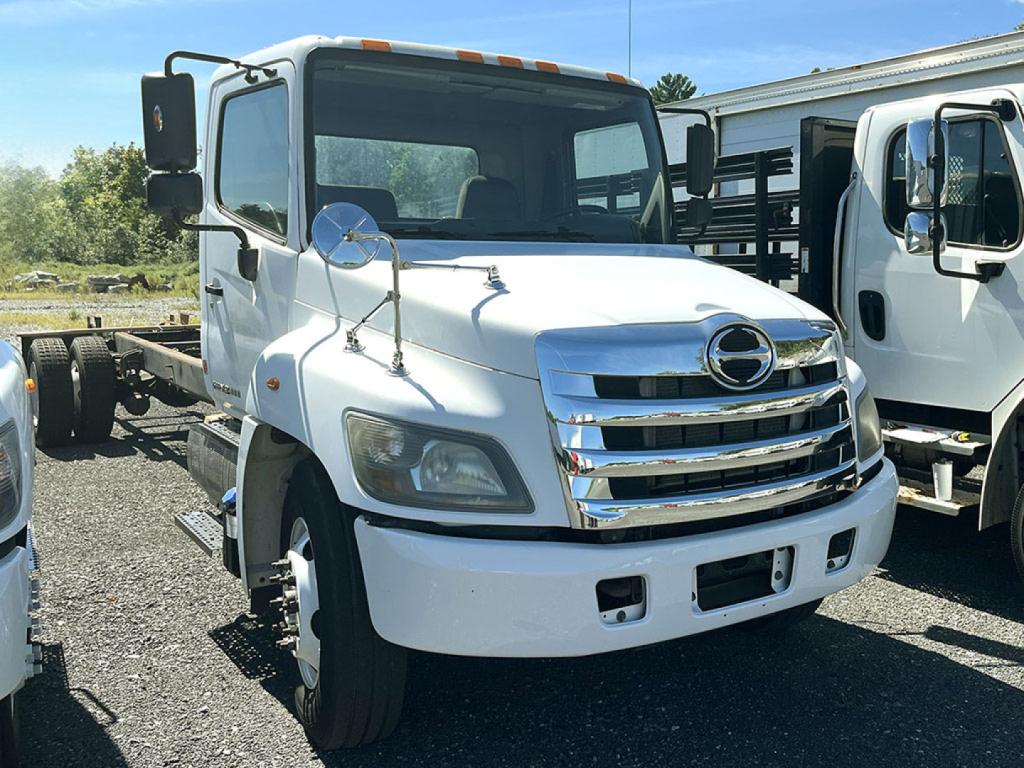
Selling a 2017 cab and chassis truck? List your 2017 cab and chassis truck for sale and reach thousands of commercial buyers.
2017 Cab and Chassis Trucks
In the 2017 model year, this category spans a wide range from Class 4 and 5 medium-duty units up through heavier Class 7 and Class 8 chassis. Common diesel engines include platforms such as the Cummins ISB and ISC family, DT466 and comparable medium-duty diesels, along with heavier vocational power in larger chassis. Allison automatics are common in municipal, utility, and delivery work, while manual and automated manual transmissions show up in heavier vocational or regional applications. Depending on the build, buyers may see single-axle or tandem-axle configurations, spring or air-ride suspension, locking differentials, double-frame sections, and PTO provisions for hydraulic equipment. If the truck will carry a crane, dump body, or other high-load upfit, frame strength and front axle capacity matter as much as engine horsepower.
A 2017 cab and chassis truck can be a strong value because it is modern enough to offer later emissions-era drivetrains, updated cab ergonomics, and easier parts support, while still giving buyers a broad range of body installation options. That said, emissions system condition should be checked carefully. On a used 2017 chassis, service records for the DPF, DEF system, EGR components, and any aftertreatment repairs are worth reviewing alongside engine hours, idle time, and PTO usage. Wheelbase and cab-to-axle dimensions need to match the body you plan to install, and buyers should confirm rear axle ratio, brake type, tire size, and GVWR before purchase. A truck that looks right on paper can still be a poor fit if the frame height, suspension, or axle spread does not suit the intended body.
The best 2017 cab and chassis trucks are the ones spec'd for the work, not just the lowest price or newest paint. For city delivery or utility work, maneuverability, automatic transmission choice, and front axle cut can matter more than peak horsepower. For dump, rollback, or severe-duty service, pay attention to frame rail construction, crossmember condition, rear suspension capacity, and PTO readiness. Also known as a chassis cab or cab and chassis truck, this equipment class gives buyers one of the most adaptable truck platforms in the market, provided the chassis dimensions and ratings line up with the job.
Frequently Asked Questions about 2017 Cab and Chassis Trucks
What is the most important measurement on a 2017 cab and chassis truck?
Cab-to-axle and wheelbase are usually the first measurements to verify because they determine what body can be installed correctly. Buyers should also confirm frame length behind the cab, axle placement, and any obstructions such as exhaust routing, DEF tank position, battery boxes, or suspension components that could affect upfit space.
Are 2017 cab and chassis trucks good for body swaps?
They can be, but the frame spec has to match the body requirements. A body swap works best when the truck has the correct wheelbase, adequate frame rail strength, suitable rear axle capacity, and the right PTO or hydraulic provisions if the body needs powered functions. Existing hole patterns, frame condition, and electrical integration should also be checked before assuming a swap will be simple.
What should buyers inspect on a used 2017 cab and chassis diesel?
Focus on emissions system history, engine hours, idle time, transmission operation, suspension wear, and frame condition. On a working chassis, PTO usage, crossmember integrity, rear axle seals, brake life, and signs of previous upfit removal are especially important. Rust, frame modifications, and drilled or welded repairs can affect both body installation and long-term durability.
Which applications fit a 2017 cab and chassis truck best?
This category is commonly used for dry van bodies, flatbeds, stake beds, dump bodies, rollbacks, utility and service bodies, hooklifts, refrigerated bodies, and some tanker or specialty municipal setups. The right application depends on GVWR, axle ratings, frame design, and powertrain spec. Medium-duty chassis often serve local delivery and service work, while heavier chassis are better suited for demanding vocational jobs.