
2017 Commercial Trucks For Sale in Illinois
Browse 2017 trucks for sale in Illinois, including day cabs and sleepers with diesel power, air ride suspensions, and highway-spec drivetrains.
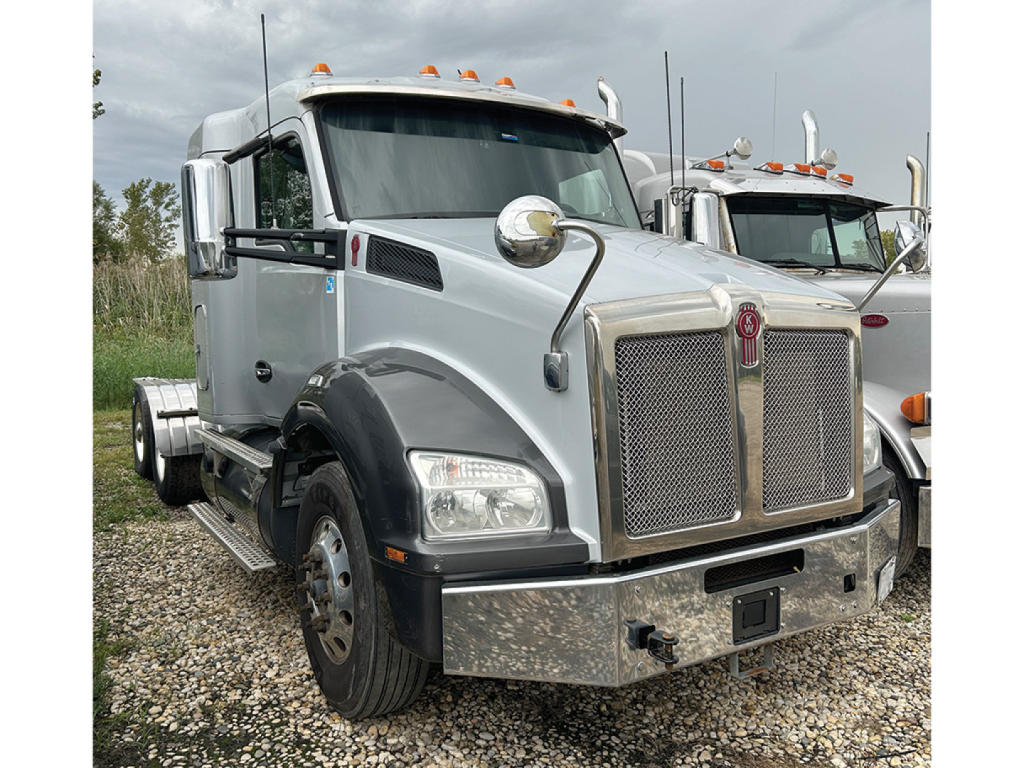
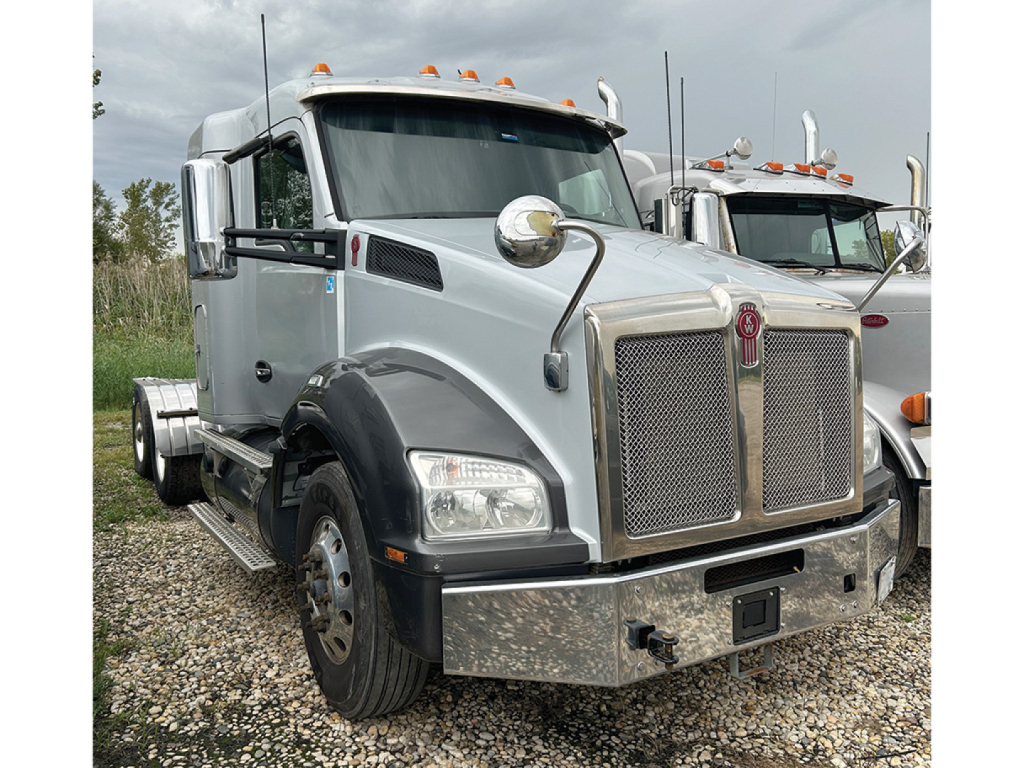
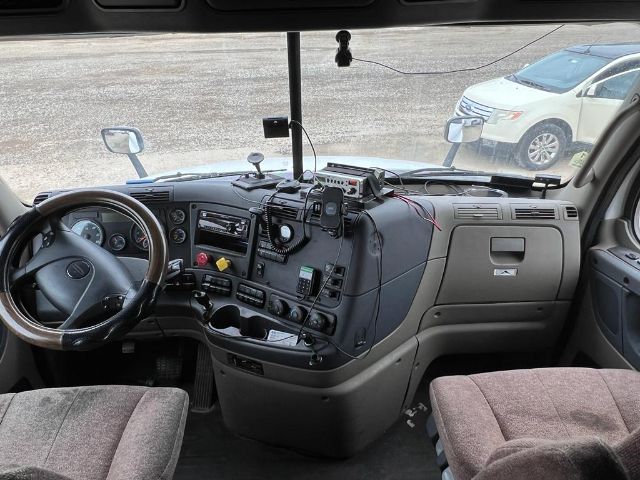

Selling a 2017 commercial truck? List your 2017 commercial truck for sale and reach thousands of commercial buyers.
2017 Commercial Trucks in Illinois
Frequently Asked Questions about 2017 Commercial Trucks in Illinois
What should I look for first when buying a 2017 used truck in Illinois?
Start with the truck’s intended application, then match the wheelbase, axle configuration, engine rating, and transmission to that job. A regional day cab for Chicago-area freight has very different needs than a sleeper used for long interstate runs. After that, review maintenance history closely, especially for DPF, DEF, EGR, turbocharger, and transmission service. On a 2017 model, emissions system condition and documented preventative maintenance often matter more than brand alone.
Are 2017 trucks a good fit for regional and over-the-road operations?
Yes. Many 2017 trucks were spec’d with the same core features still common in current fleet service, including 10-speed or automated transmissions, engine brakes, air ride suspensions, aerodynamic fairings, and higher-efficiency rear axle ratios. Day cabs are well suited for local and regional freight, drayage, and dedicated lanes. Sleeper configurations remain a viable choice for long-haul work if the truck has the right bunk size, fuel capacity, and gearing.
What engine and drivetrain specs are common on 2017 trucks?
Common engine sizes in 2017 heavy-duty trucks include 11-liter to 13-liter diesels producing roughly 400 to 500 horsepower. Many tractors in this year range are equipped with tandem rears at 40,000-pound capacity, while some regional or specialty specs may use a single drive axle or tag axle arrangement. Rear axle ratios often fall in the mid-2s to low-3s, depending on intended highway speed, fuel economy targets, and transmission setup. Buyers should verify that the gearing matches their average payload and terrain.
Do 2017 trucks usually have manual or automatic transmissions?
Both are common, but by 2017 the market had already moved strongly toward automated manual and fully automatic options in many fleet applications. Manual transmissions still appear, especially in vocational or older fleet specs, but automated units became more common because they improve driver accessibility, reduce shift-related wear, and can help with fuel consistency. The best choice depends on route profile, driver preference, maintenance support, and resale priorities.