
2017 Conventional Daycab Trucks For Sale in Illinois
Have 2017 conventional daycab truck to sell? List it here to reach thousands of buyers.
2017 Conventional Daycab Trucks in Illinois
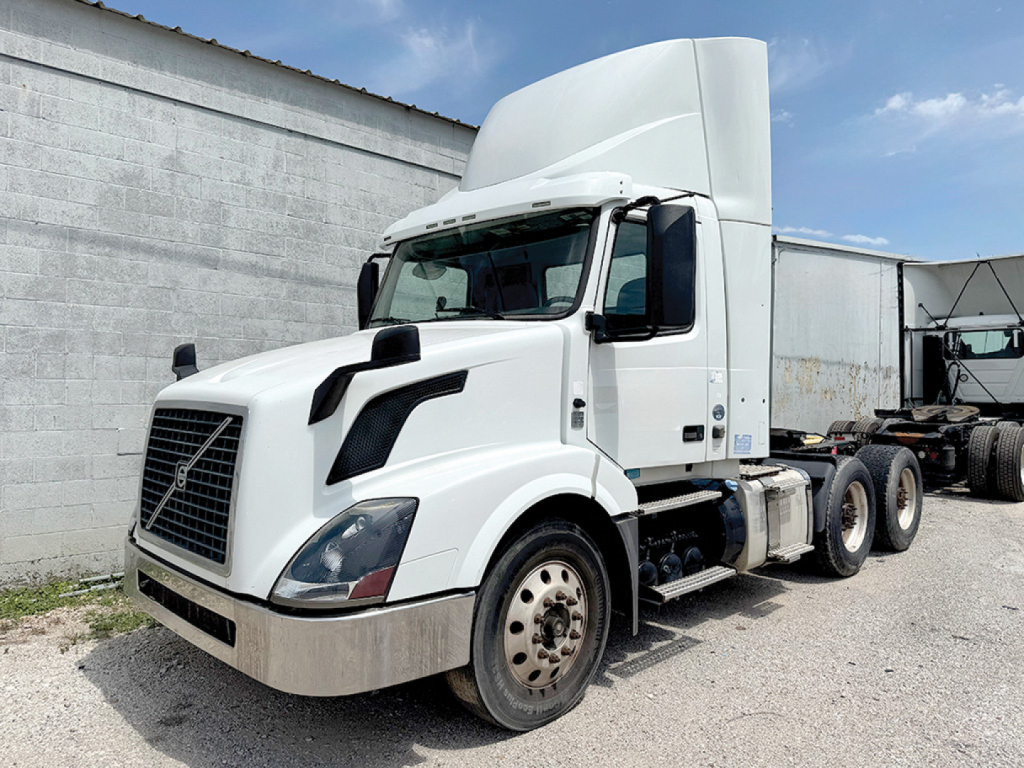
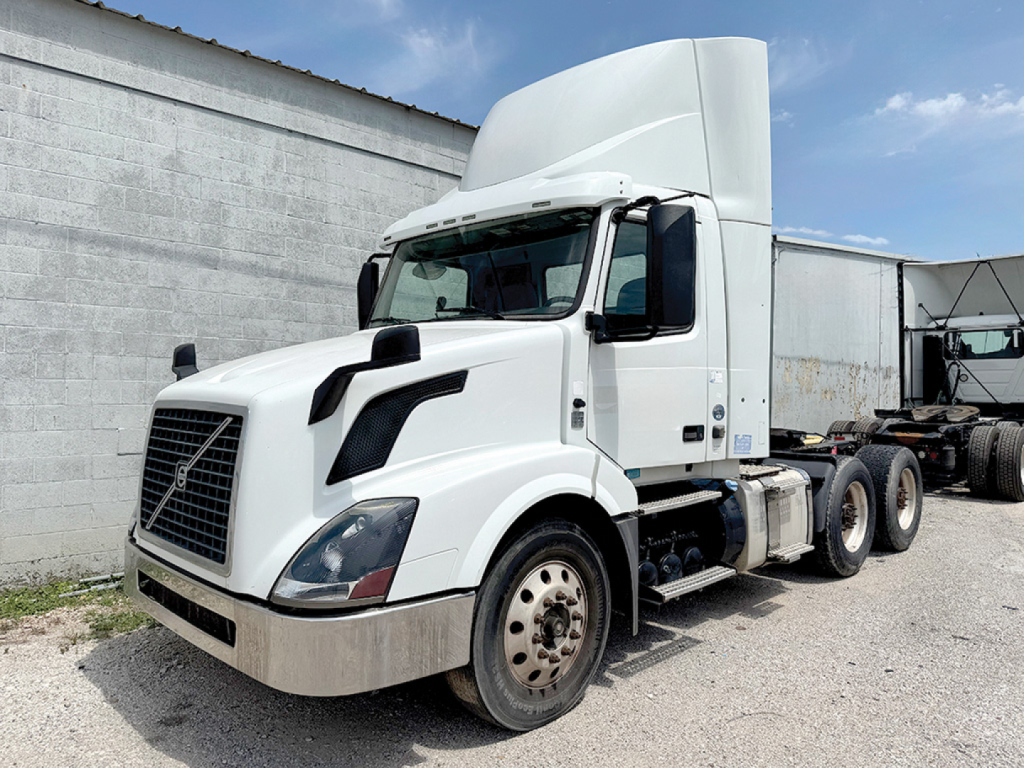
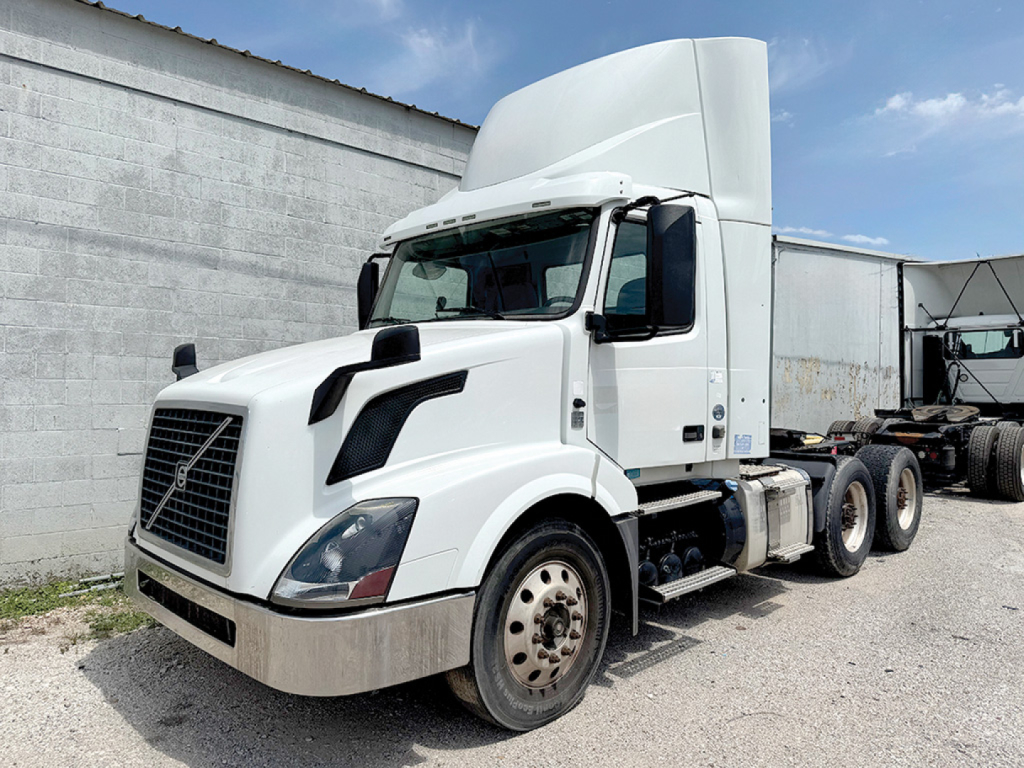
The most important buying decision is the spec, not just the badge on the hood. Many 2017 daycabs were ordered with 11 to 15 liter diesel engines in the 350 to 500 horsepower range, paired with automated manual transmissions or traditional manuals. Common rear axle ratings are around 40,000 pounds, with axle ratios often selected for fuel economy in linehaul service or quicker acceleration in heavier regional applications. Wheelbase is another key factor. Shorter wheelbase trucks are easier to maneuver in city and yard environments, while longer wheelbase setups can improve ride quality, frame space, and fuel capacity. Buyers should also check fifth wheel type and travel, suspension spec, front axle rating, brake configuration, and whether the truck was built for van, reefer, tanker, flatbed, or intermodal service.
On a 2017 model, emissions system condition deserves close attention. Ask about DPF service history, DEF system repairs, fault codes, idle hours, and any recent work to the EGR, SCR, or aftertreatment components. Engine brake performance, clutch wear on manual units, and shift quality on automated transmissions are all worth verifying during inspection. In Illinois, corrosion can show up on frame rails, crossmembers, battery boxes, cab steps, and suspension hardware, especially on trucks that ran through multiple winter seasons. Tire wear patterns, kingpin and bushing play, driveline vibration, and air system leak-down can tell you a lot about how the tractor was maintained.
Buyers comparing 2017 conventional daycab trucks should think in terms of total operating fit. Aerodynamic fairings, low-profile tires, air slide fifth wheels, dual fuel tanks, collision mitigation systems, and interior driver comfort features can all affect productivity and retention. A well-matched daycab can be a strong choice for fleets that want a later-model truck without the cost of a new unit, especially in regional freight where uptime, maneuverability, and fuel economy matter more than sleeper amenities.
Frequently Asked Questions about 2017 Conventional Daycab Trucks in Illinois
What is a conventional daycab truck used for?
A conventional daycab truck is used for local and regional tractor work where the driver returns daily and does not need a sleeper berth. Common applications include dry van, reefer, flatbed, tanker, container drayage, dedicated route service, and terminal-to-terminal freight. The daycab layout reduces weight and overall length compared with a sleeper tractor, which can improve maneuverability and make it easier to operate in urban and industrial areas.
What should I inspect first on a 2017 conventional daycab?
Start with the powertrain and emissions history. Review engine hours, idle hours, fault codes, DPF cleaning records, DEF system repairs, and transmission service. After that, inspect the frame, suspension, brakes, tires, and steering components for wear or corrosion. On a 2017 truck, aftertreatment condition and maintenance discipline often matter more than cosmetic appearance because repairs to those systems can have a major effect on operating cost and downtime.
What wheelbase is best for a daycab tractor?
The best wheelbase depends on the job. A shorter wheelbase is usually preferred for city pickups, tight docks, and intermodal work because it turns easier. A longer wheelbase may be a better fit for higher fuel capacity, improved ride quality, and some specialized vocational or regional applications. Buyers should match wheelbase to trailer length, axle placement, fifth wheel travel, and the turning demands of the routes the truck will run.
Are automated manual transmissions common in 2017 daycabs?
Yes. By 2017, automated manual transmissions were already common in conventional daycab fleets, especially in regional haul and fuel-conscious operations. They can help with driver consistency, clutch life, and fuel economy when properly spec'd and maintained. Buyers should still test shift quality under load and confirm software updates, clutch calibration, and service history because drivability can vary by brand and application.
Why does axle ratio matter on a conventional daycab?
Axle ratio affects acceleration, cruise rpm, gradeability, and fuel economy. A faster ratio can improve highway efficiency at lower engine rpm, while a deeper ratio can provide better launch performance and pulling power in heavier or stop-and-go service. The right ratio depends on engine torque, transmission gearing, gross combination weight, and the type of freight the truck will handle. Matching those components correctly is one of the biggest factors in overall performance.