
New 2026 Trailers For Sale
Shop new 2026 trailers for sale, including dry vans, reefers, flatbeds, lowboys, and specialized haulers with current specs and features.
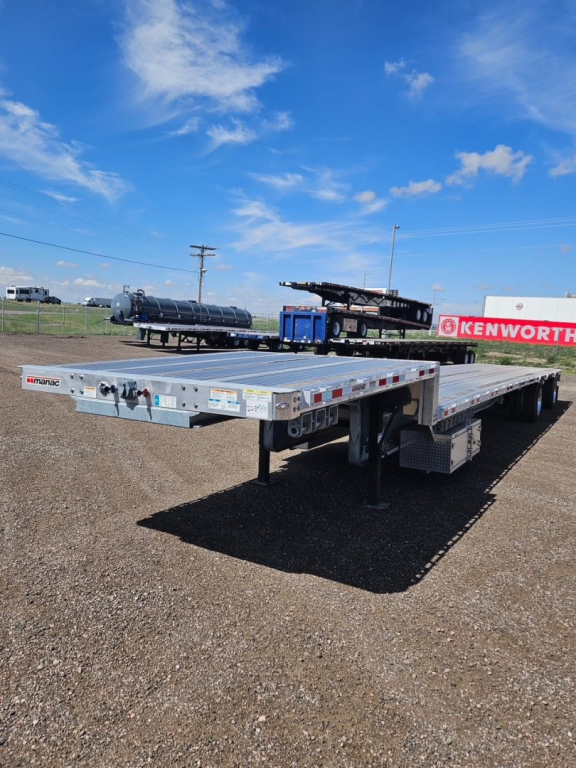
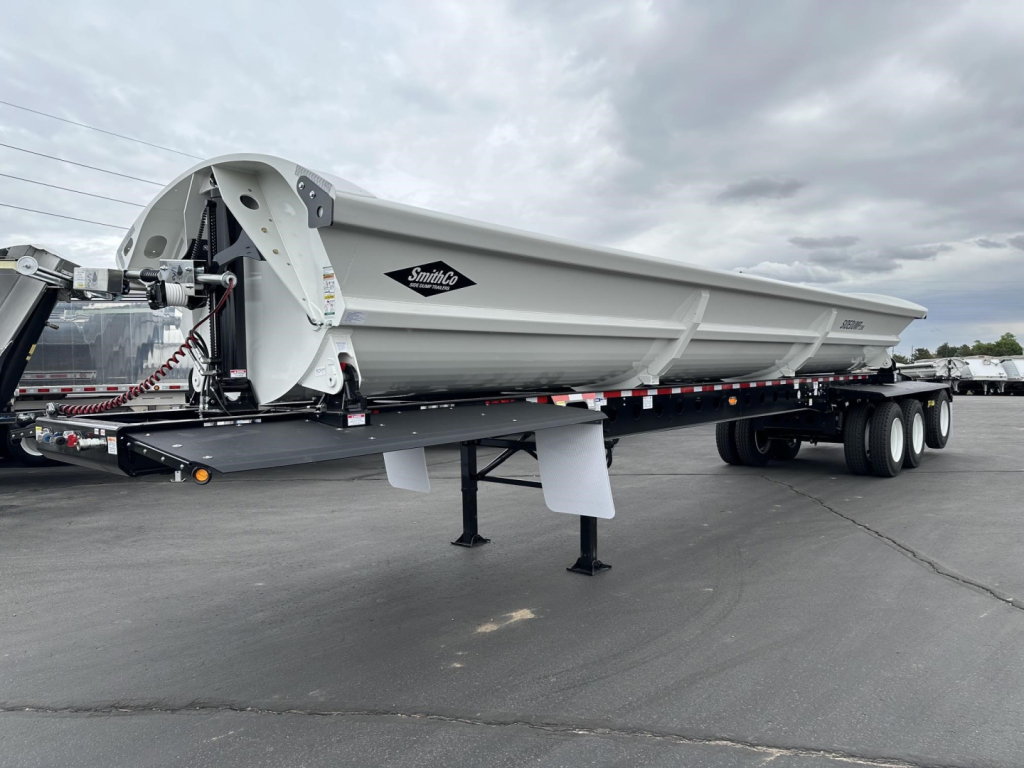
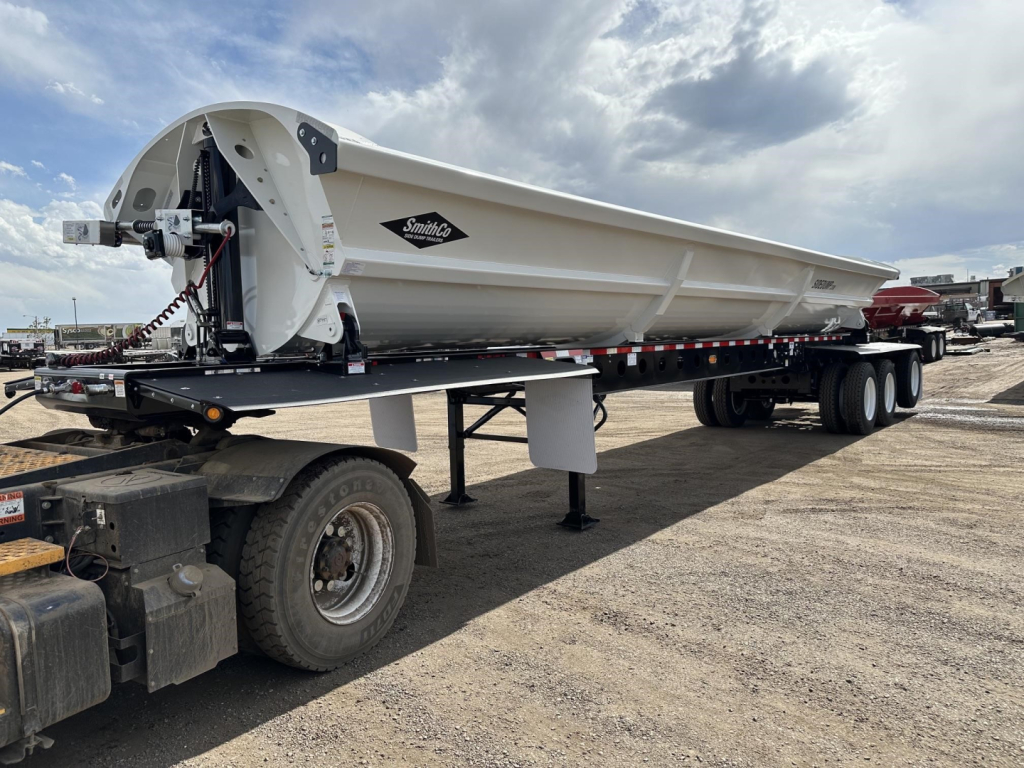
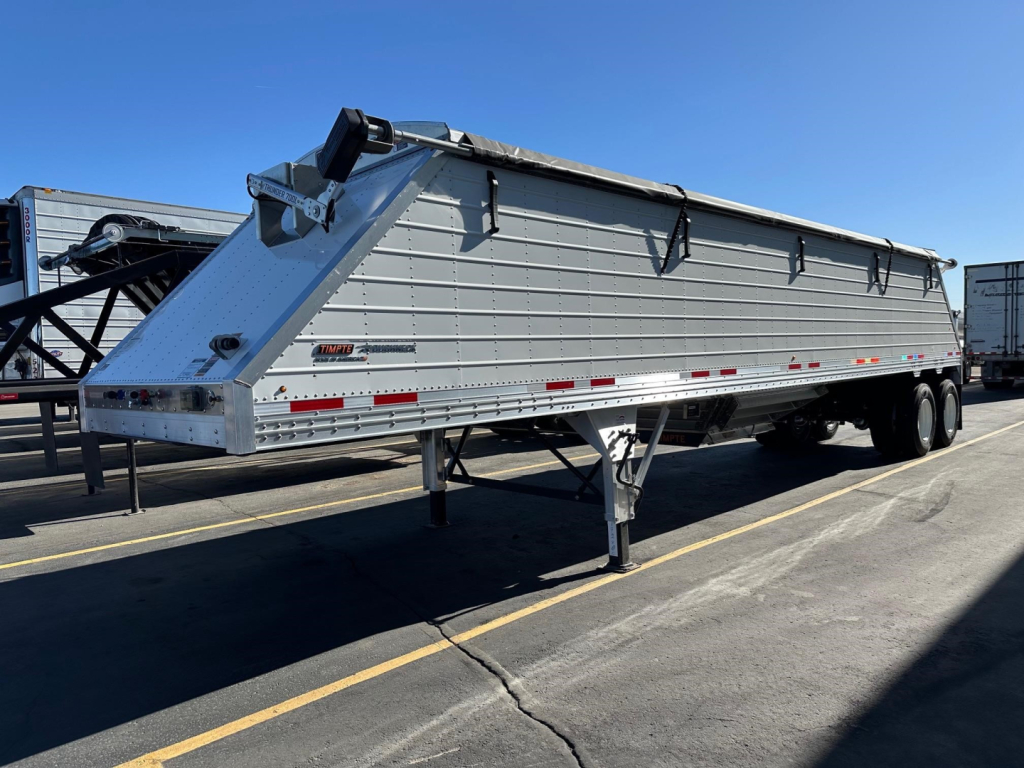
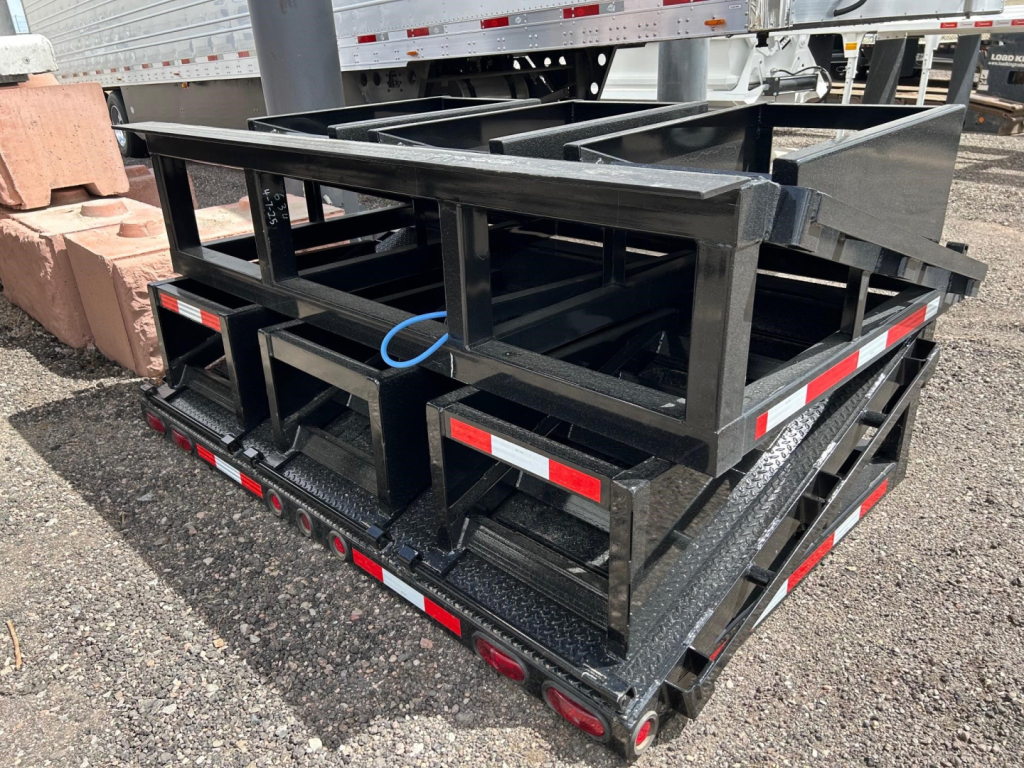
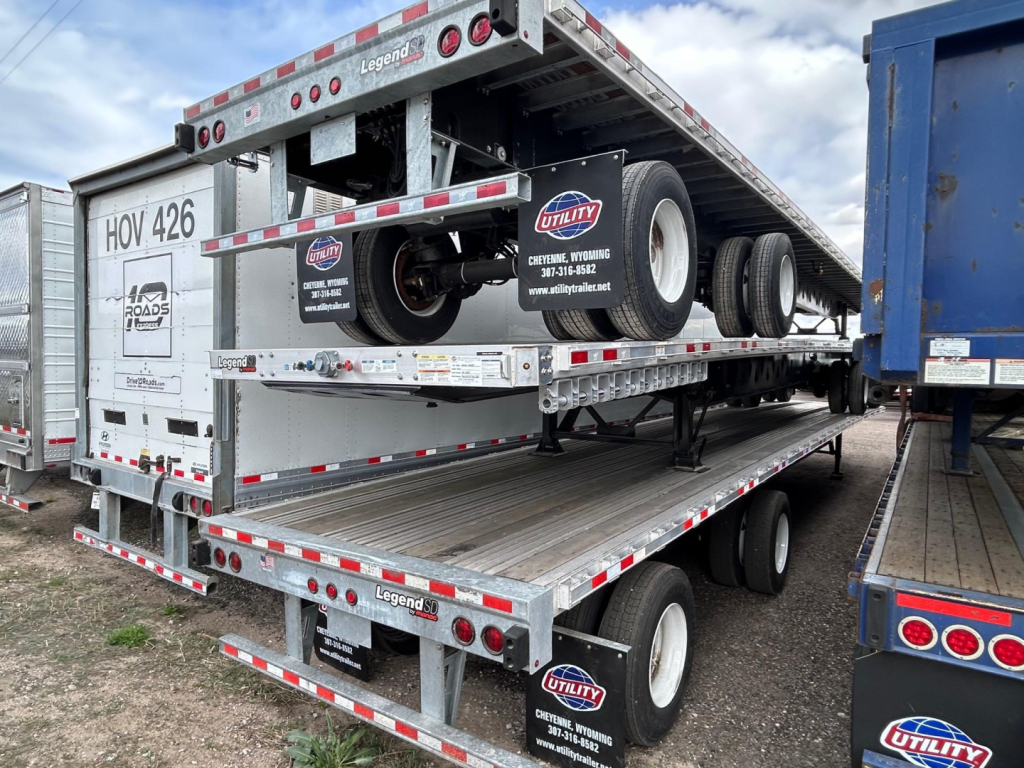
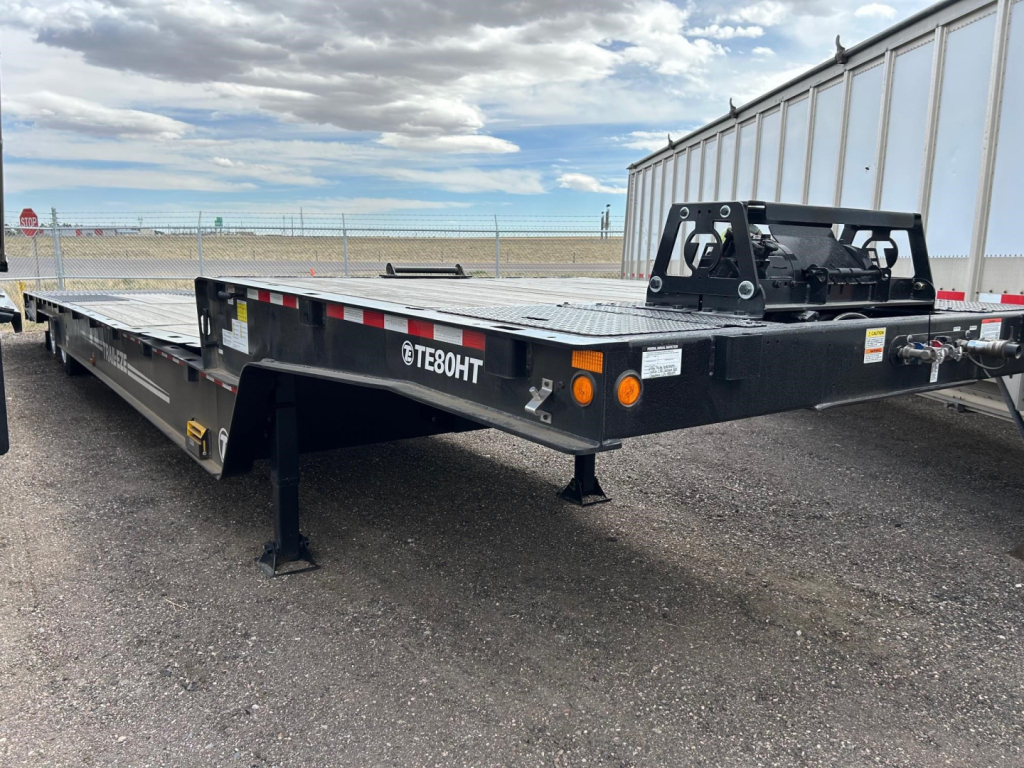
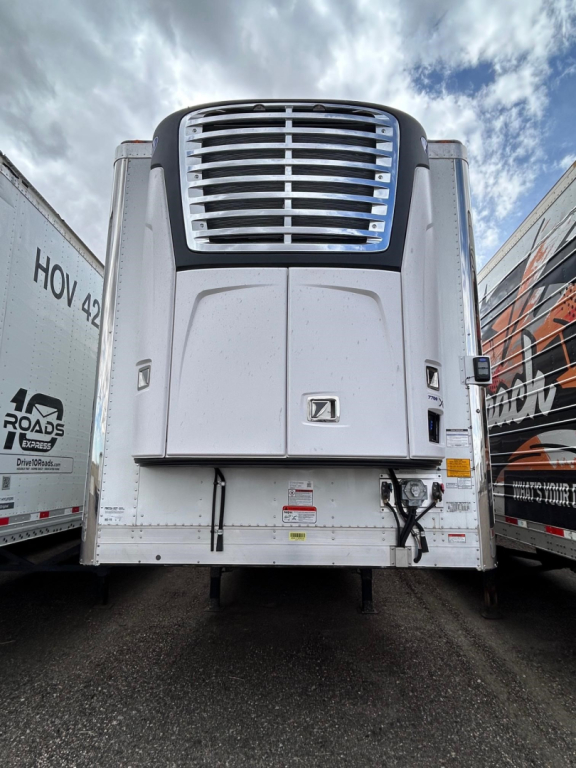
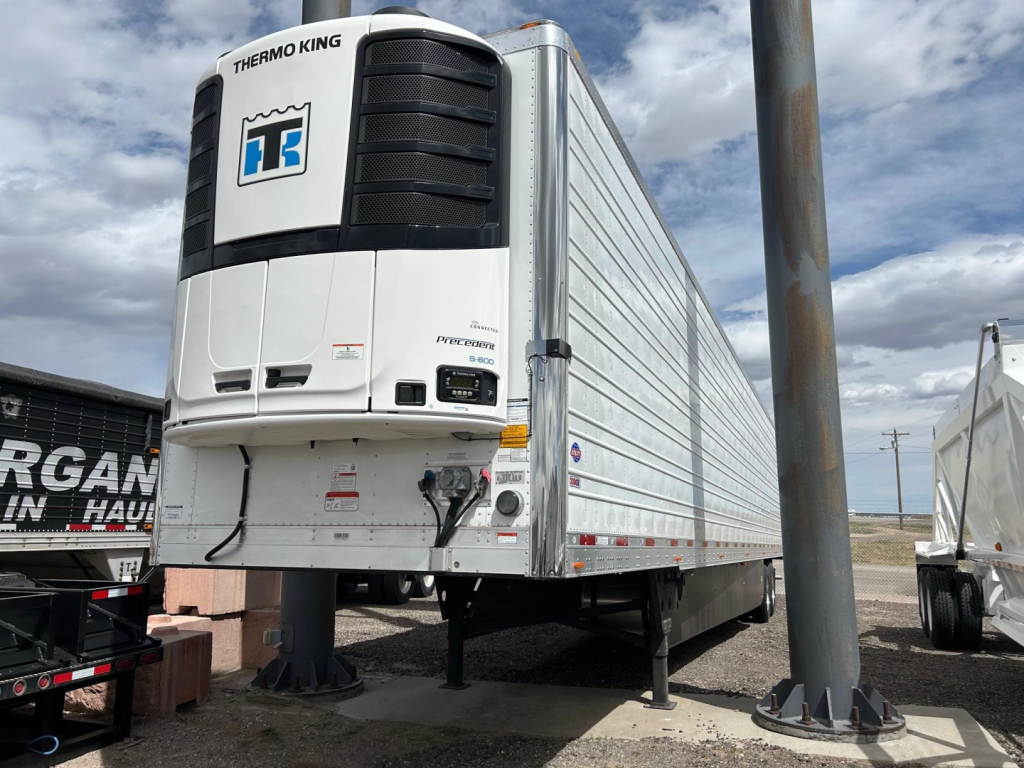
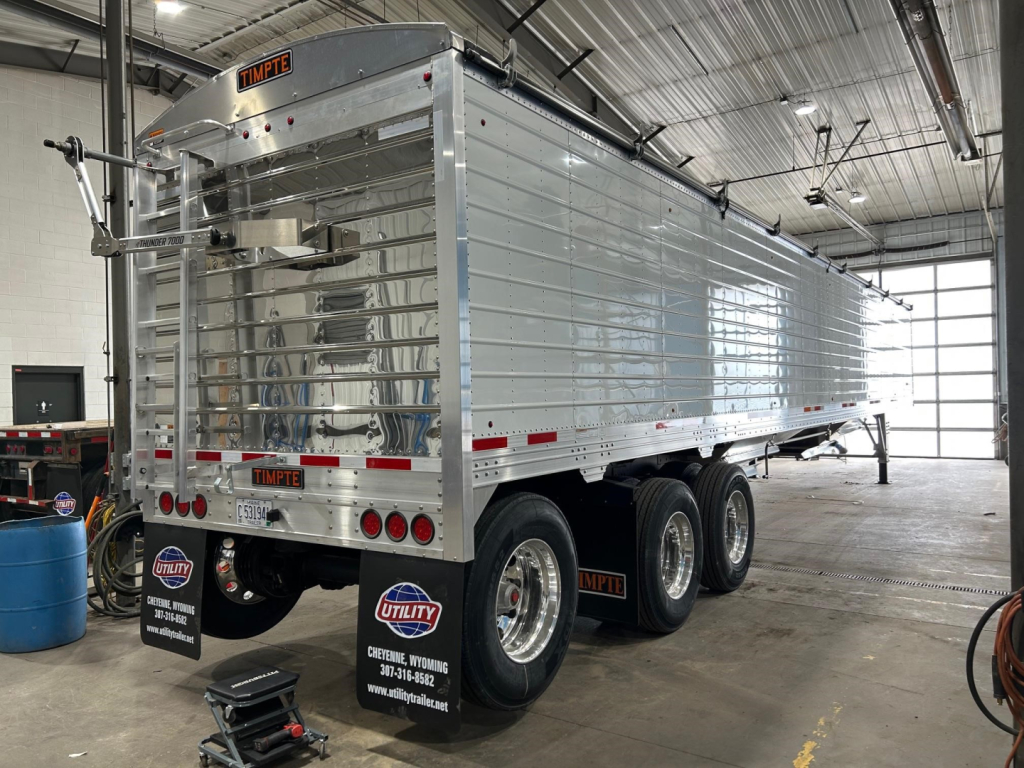
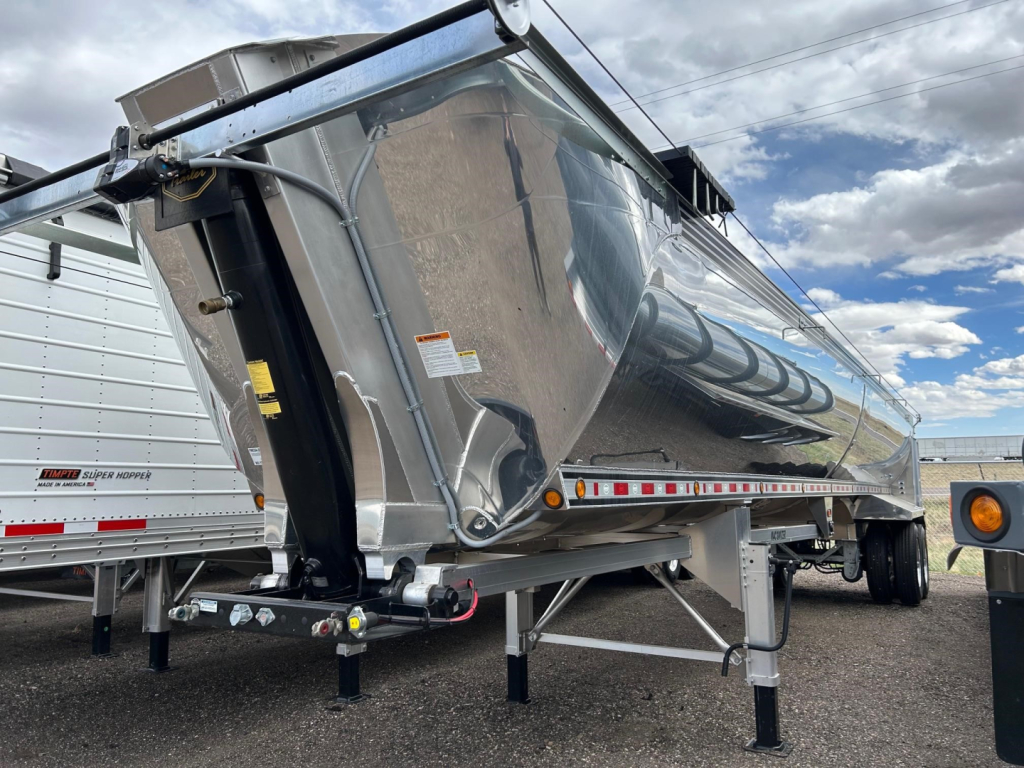
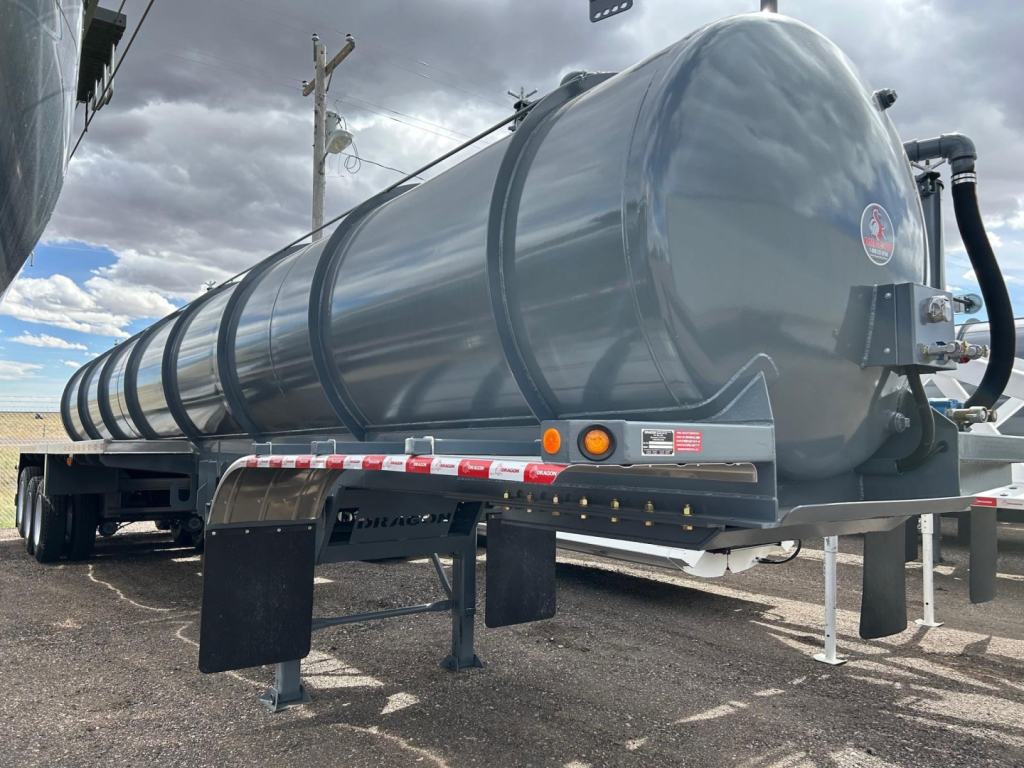
Showing 1 to 28 of 173 results
Have new 2026 trailer to sell? List it here to reach thousands of buyers.
New 2026 Trailers
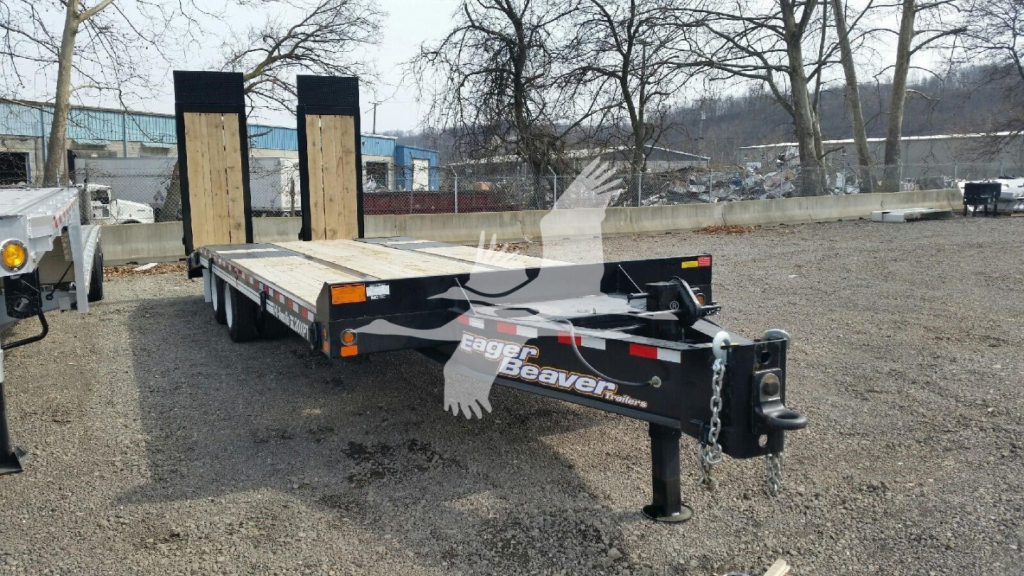
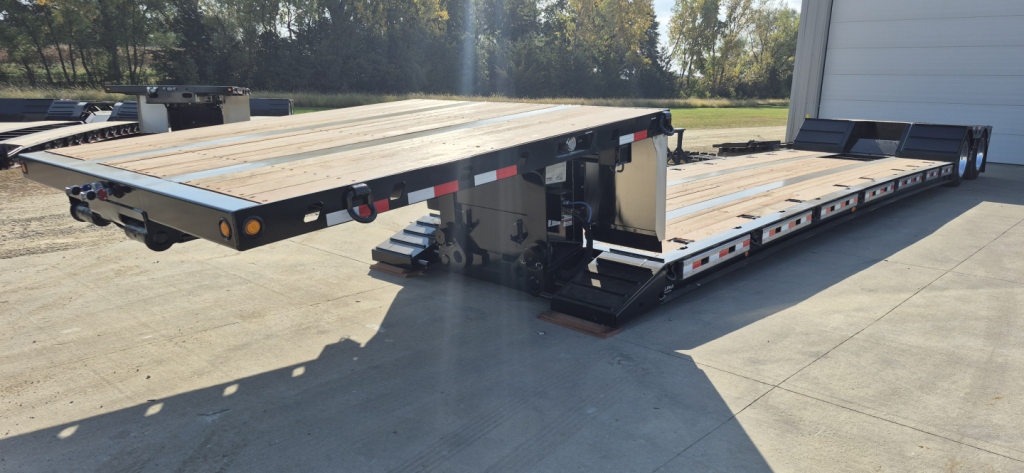
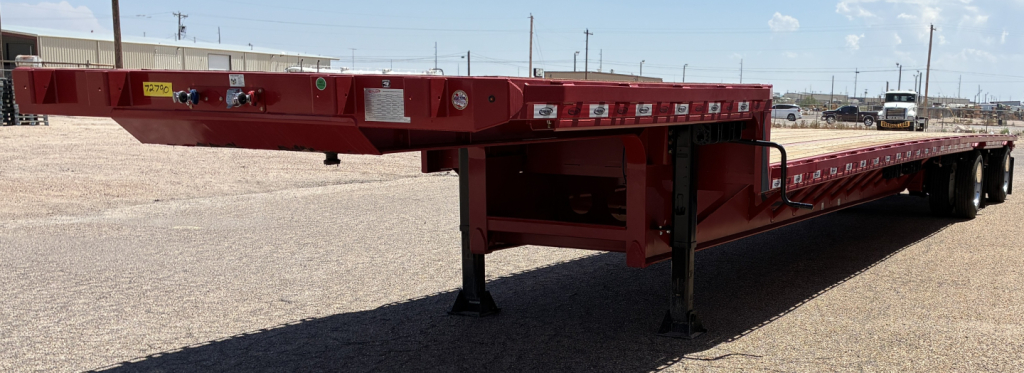
Open-deck new trailers in the 2026 model year include flatbeds, lowboys, double drops, and other specialty configurations built around cargo height, weight, and loading angle. A standard flatbed is suited for building materials, machinery, pipe, and general oversize freight that can be craned or forklifted from the side. Lowboys and double drops are a different buying decision entirely, since deck height, swing clearance, gooseneck style, axle grouping, and concentrated load capacity determine what equipment they can legally and safely move. Buyers comparing heavy-haul trailers should pay close attention to detachable neck design, ground clearance, loaded deck height, axle spread, rear bogie configuration, ride height adjustment, and whether the frame is set up for flip axles or future capacity upgrades.
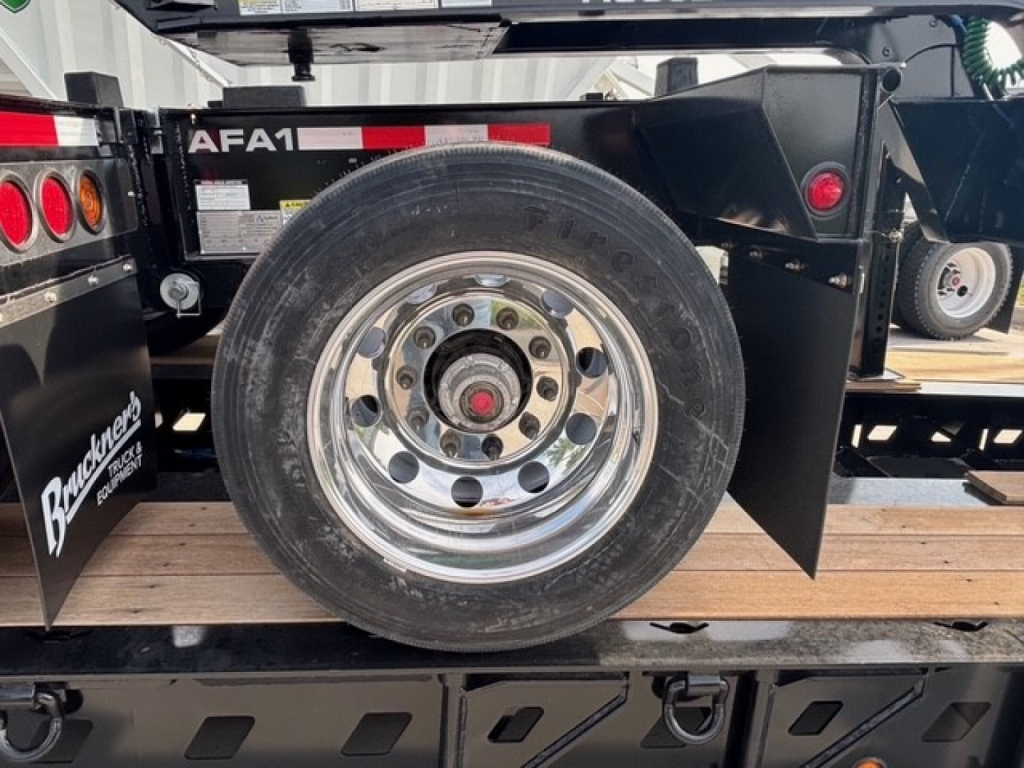
Spec selection on a new trailer affects uptime and resale as much as payload. Suspension choices usually come down to air ride versus spring ride, with air ride favored for freight protection and highway service, while spring ride still has a place in severe-duty applications. Tire size, wheel material, brake package, and maintenance systems can make a real operating difference over time. Features such as Hendrickson TireMaax PRO, roll-stability systems, galvanized rear frames, dock-lock reinforced bumpers, aluminum roofs, apitong floors, and integrated scuff protection are not cosmetic upgrades. They reduce wear, improve service life, and help a trailer hold up under repeated loading cycles. On van and reefer models, crossmember spacing, floor fastening method, and sidewall construction are worth checking closely because they directly affect floor durability and side impact resistance.
Buyers looking at new 2026 trailers should also think beyond the base specification and evaluate how the trailer will fit the fleet. Tandem sliding axles improve versatility in states with bridge law constraints, while fixed axle layouts may make more sense in dedicated applications. Loading dock compatibility, fifth wheel height, landing gear style, rear ramp setup, tie-down equipment, D-ring placement, and cargo securement options should be matched to the freight before price becomes the deciding factor. The strongest trailer purchase is usually the one with the right structural spec for the work, not just the newest build date. A well-spec'd new trailer can improve cargo protection, loading efficiency, compliance, and long-term maintenance cost across years of service.
Frequently Asked Questions about New 2026 Trailers
What are the main types of new 2026 trailers for sale?
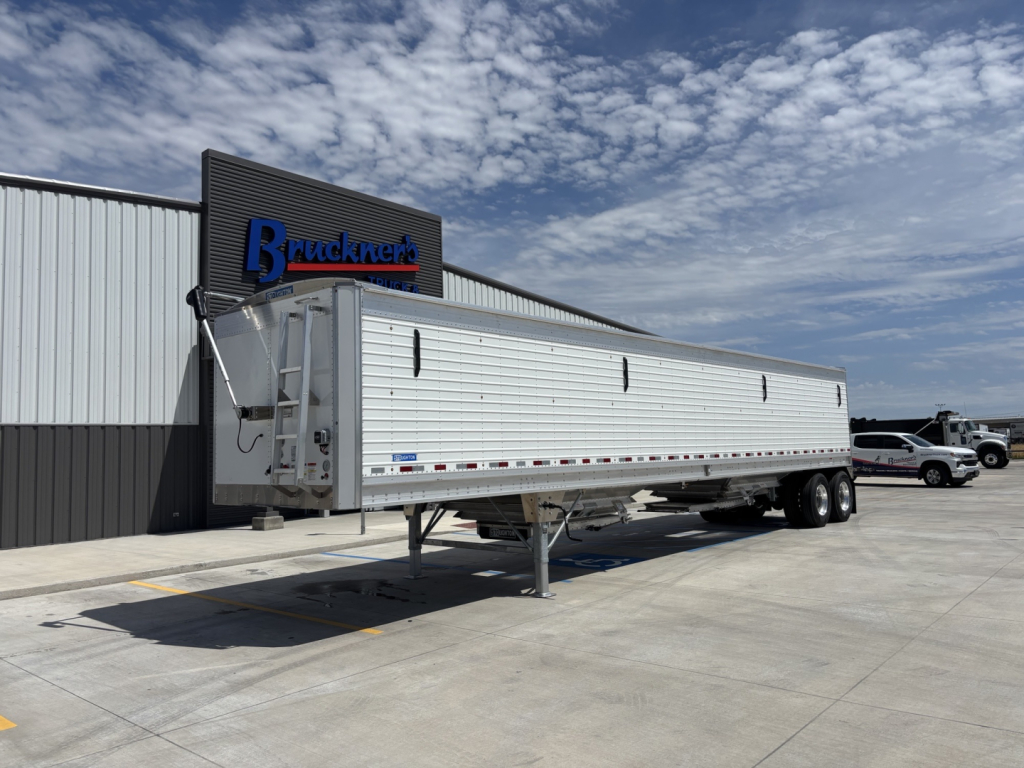
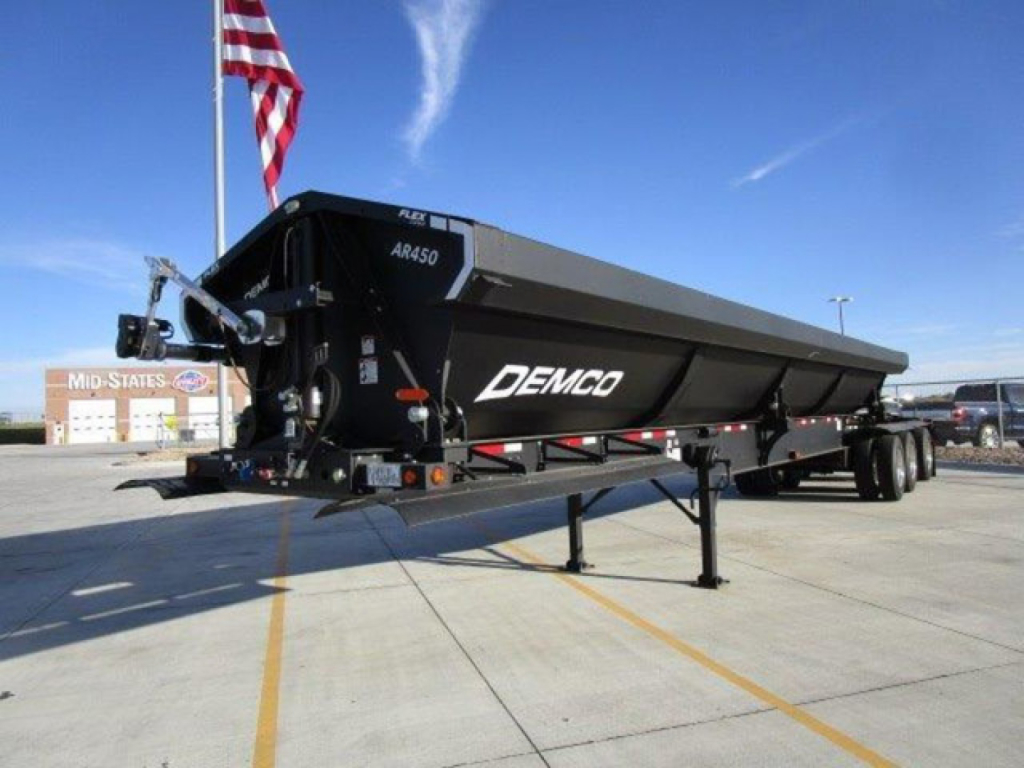
New 2026 trailers typically include dry vans, refrigerated trailers, flatbeds, lowboys, double drops, and other specialized hauling platforms. Dry vans are used for enclosed general freight, reefers are built for temperature-sensitive cargo, flatbeds handle side-loaded and oversized freight, and lowboys or double drops are designed for taller or heavier equipment. The right category depends on cargo dimensions, weight, loading method, and legal route requirements.
What specs matter most when comparing new dry van and reefer trailers?
For dry vans and reefers, the most important specs usually include length, width, inside height, door opening, axle configuration, kingpin setting, tandem slide length, floor rating, and suspension type. Buyers should also look at sidewall construction, scuff liner design, roof material, brake package, and tire inflation systems. On reefers, insulation, floor design, and airflow characteristics are critical because they affect temperature consistency and cargo protection.
How do I choose between a flatbed, lowboy, and double drop trailer?
A flatbed is best for freight that can ride at standard deck height and be loaded from the side or top, such as steel, lumber, or palletized machinery. A lowboy is intended for taller and heavier equipment that needs a much lower deck height and greater concentrated load capacity. A double drop is useful when extra cargo well depth is needed but the freight does not require the same heavy-haul rating as a lowboy. Deck height, capacity, axle count, and loading style should drive the decision.
Is air ride suspension better than spring ride on a new trailer?
Air ride is the preferred choice for many over-the-road applications because it protects freight better, improves ride quality, and is common on vans, reefers, and many specialized trailers. Spring ride can still be a practical option for severe-duty work, certain construction applications, or operations that prioritize simplicity and lower initial cost. The better choice depends on cargo sensitivity, road conditions, maintenance practices, and the trailer's duty cycle.
Why do features like tire inflation systems, galvanized components, and disc brakes matter on a new trailer?
These features improve durability, safety, and operating efficiency over the life of the trailer. Automatic tire inflation systems help maintain proper pressure and reduce irregular tire wear. Galvanized rear frames, bumpers, and other exposed components resist corrosion and extend service life, especially in northern climates and high-moisture operations. Disc brakes can improve stopping performance and reduce brake service time, which matters for fleets focused on uptime and maintenance control.