
New 2026 Vacuum Trailers For Sale
Shop new 2026 vacuum trailers with common specs, tank sizes, pump options, axle setups, and application insights for fluid hauling.
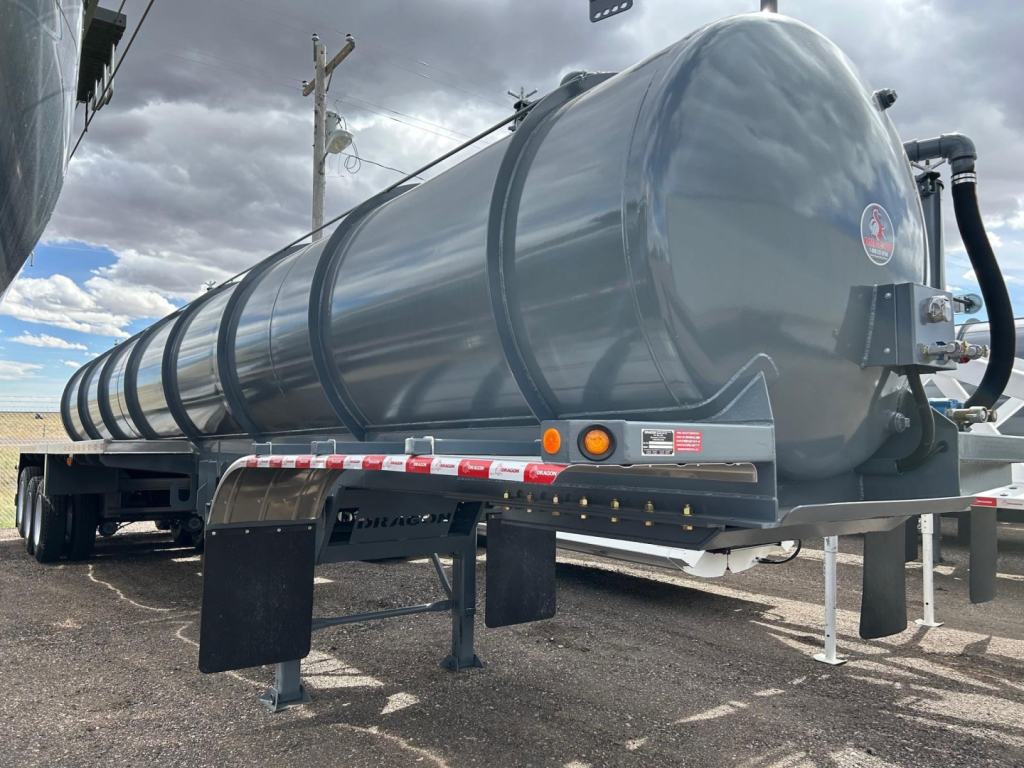
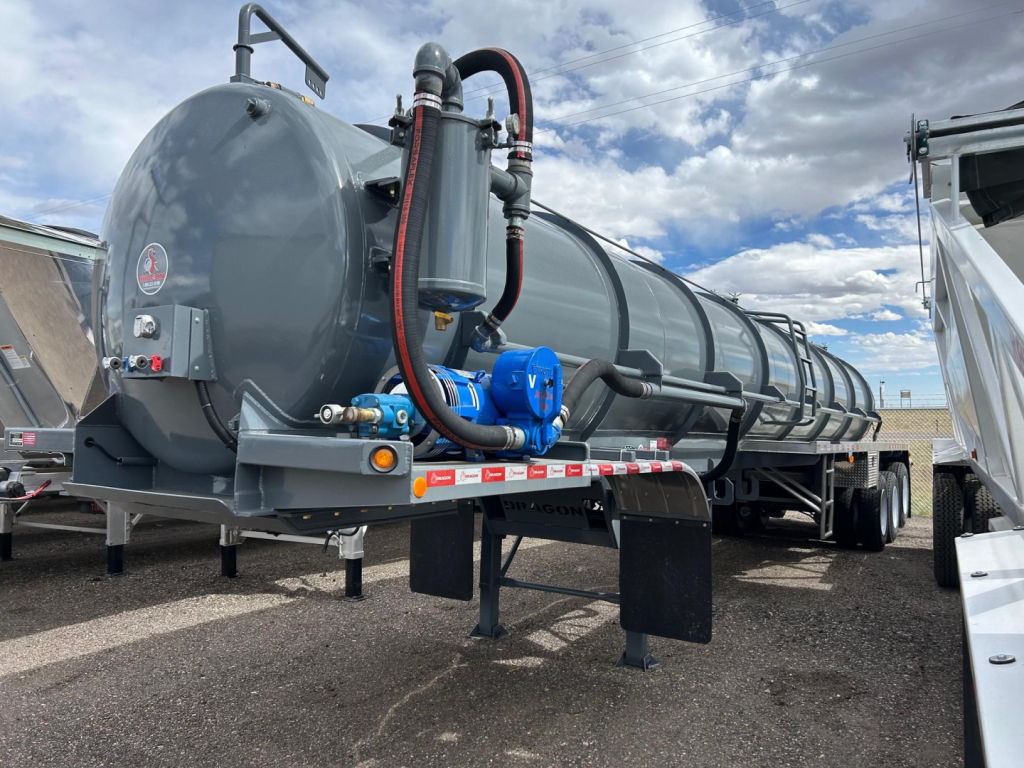
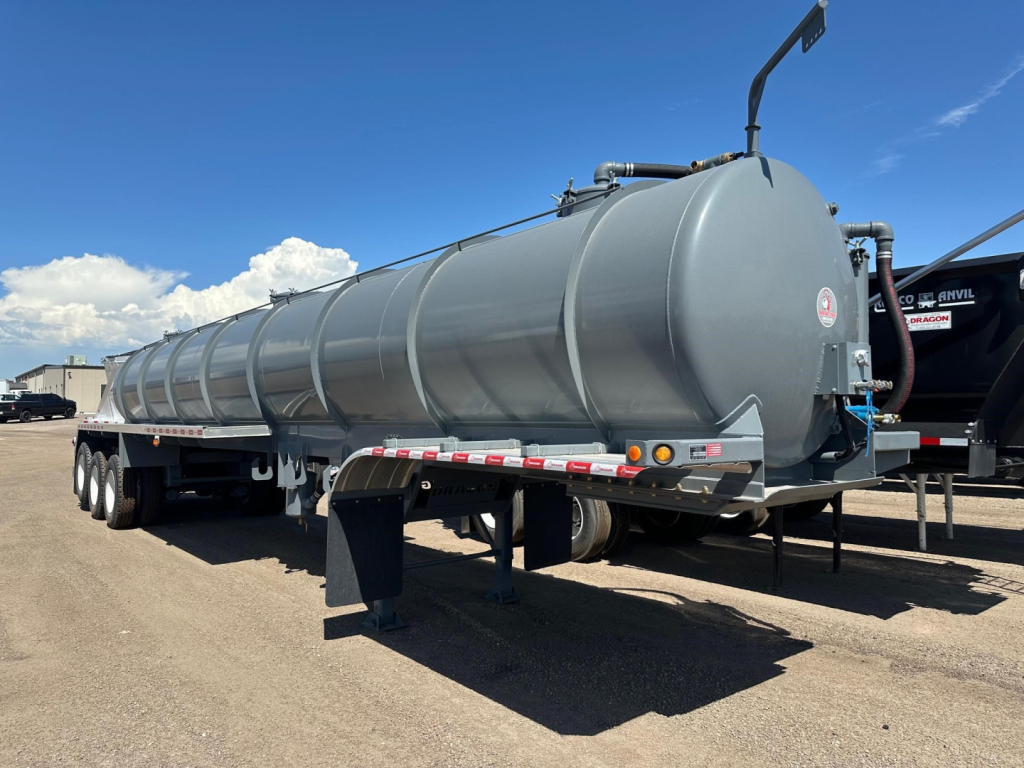
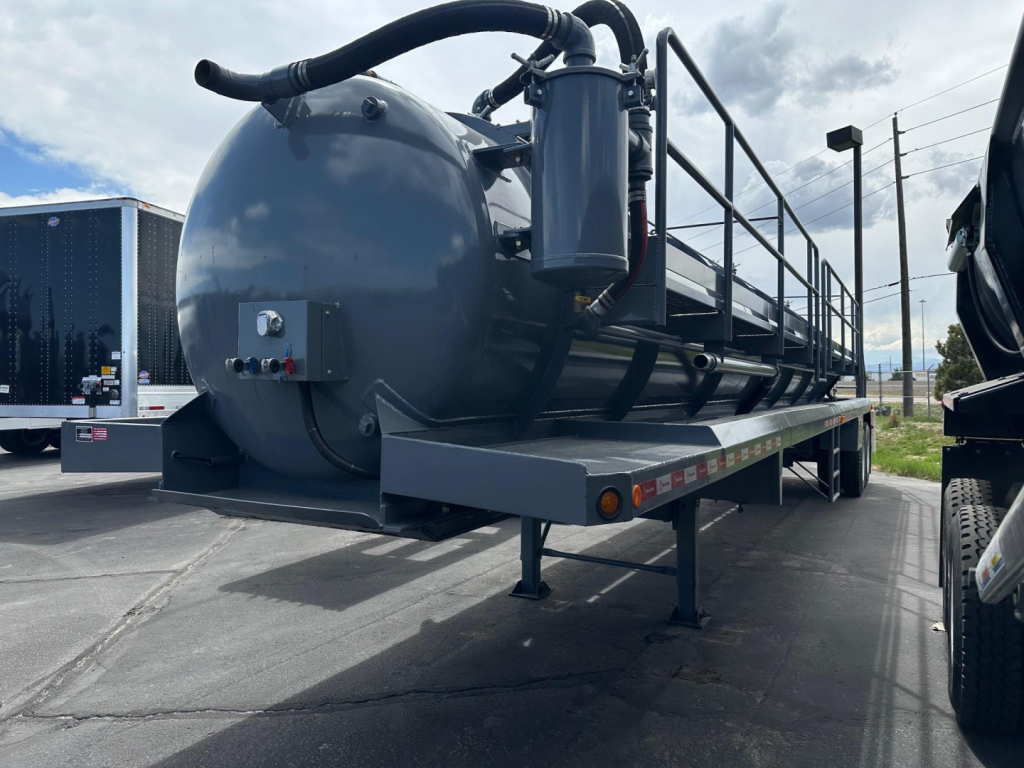
Selling a new 2026 vacuum trailer? List your new 2026 vacuum trailer for sale and reach thousands of commercial buyers.
New 2026 Vacuum Trailers
Frequently Asked Questions about New 2026 Vacuum Trailers
What size vacuum trailer is best for my operation?
The right size depends on haul distance, legal weight, product density, and loading access. Common vacuum trailer sizes in this category include 130 BBL, 150 BBL, and 165 BBL. Lighter products and longer haul routes may favor larger barrel capacity, while heavier liquids can push a trailer to gross weight limits before the tank is full. Buyers should calculate payload using the specific gravity of the product, local bridge laws, and axle configuration before deciding on tank size.
What is the difference between a non-code vacuum trailer and a DOT-spec tank trailer?
A non-code vacuum trailer is generally built for vacuum service and low-pressure operation but is not intended for products that require a DOT specification cargo tank. Many non-code units are used for produced water, septic, sludge, and other non-hazardous liquids. A DOT-spec tank trailer is built and certified to federal cargo tank standards for regulated materials. If the application involves hazardous materials or regulated commodities, the buyer should verify the required tank specification, pressure rating, test documentation, and placarding rules before purchase.
Should I choose an aluminum or steel vacuum trailer?
Aluminum vacuum trailers are popular because they reduce tare weight and improve payload potential, which can be a major advantage on water and waste routes. They also offer good corrosion resistance in many service environments. Steel trailers can be preferred for certain duty cycles, abuse resistance, repair familiarity, or lower acquisition cost. The best choice depends on what is being hauled, the corrosive nature of the product, the operating region, and how important empty weight is to the business model.
What pump and plumbing features matter most on a vacuum trailer?
Pump brand and output have a direct impact on loading speed, unloading efficiency, and serviceability. Buyers should look at the vacuum pump model, hydraulic or PTO drive arrangement, suction and discharge valve sizes, scrubber or secondary shutoff protection, relief valves, and rear discharge setup. A common setup includes 4-inch butterfly valves, sight glasses, pressure and vacuum gauges, and primary and secondary shutoff protection. Matching the pump package to the expected product viscosity and daily cycle count is more important than simply choosing the largest tank.
How do I choose between tandem axle and tri-axle vacuum trailers?
Tandem axle vacuum trailers are common in mid-capacity applications and can offer a simpler, lighter setup with fewer tires and components to maintain. Tri-axle configurations, sometimes with a lift axle, are often selected for larger barrel capacities or operations that need better weight distribution under heavier payloads. The decision should be based on state weight laws, the density of the liquid being hauled, the roads traveled, and tire and suspension maintenance considerations.