
New 2026 Dragon Vacuum Trailers For Sale
Shop new 2026 Dragon vacuum trailers, including 130 and 165 BBL vacuum tankers with air ride suspensions and oilfield-ready configurations.
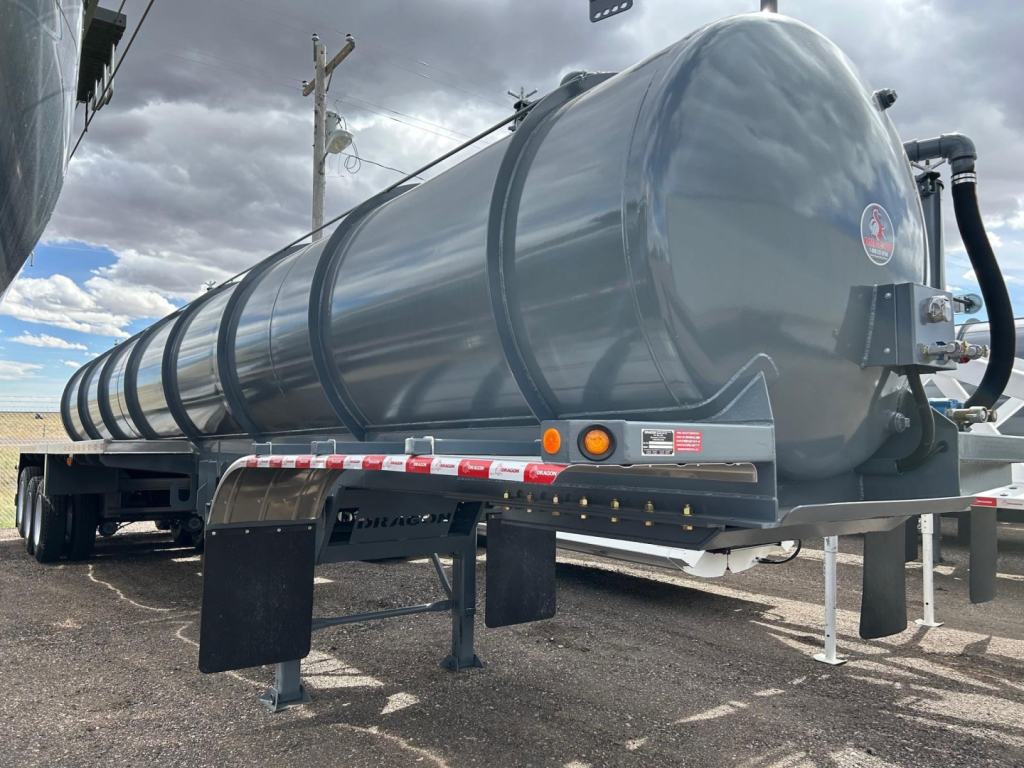
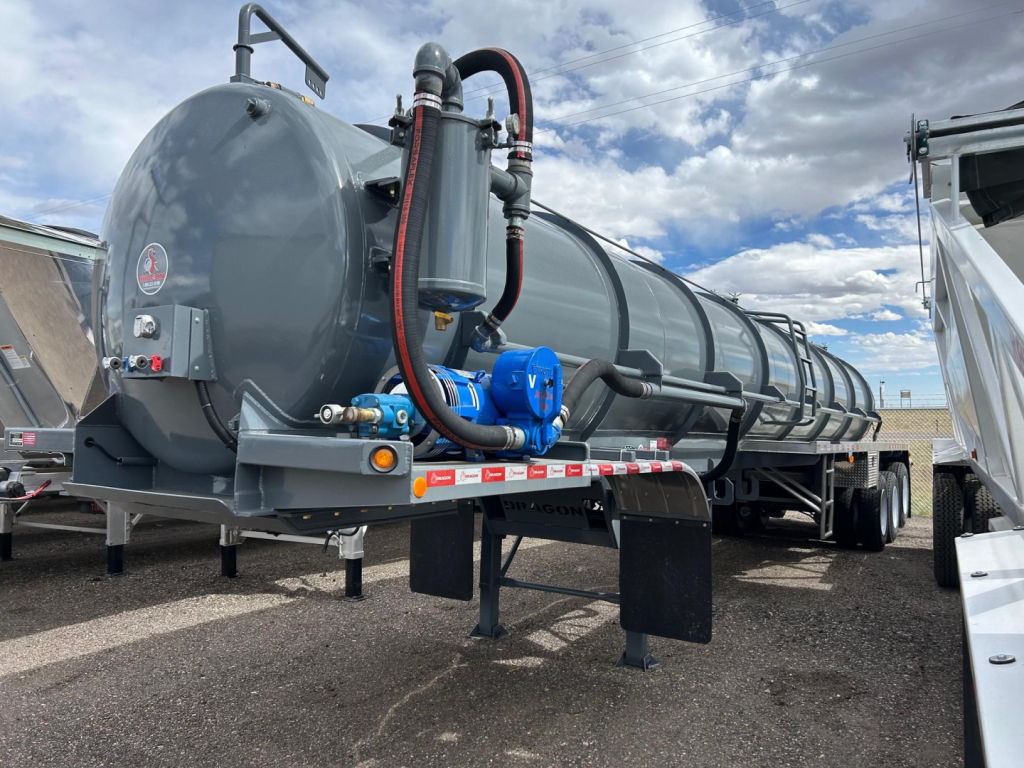
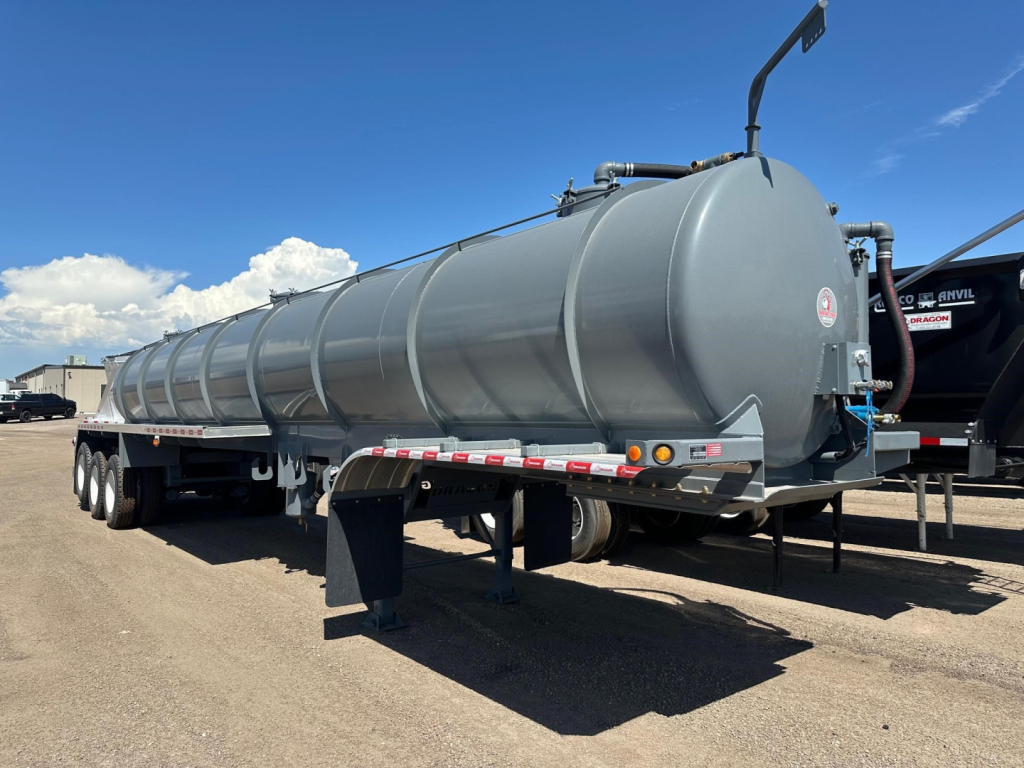
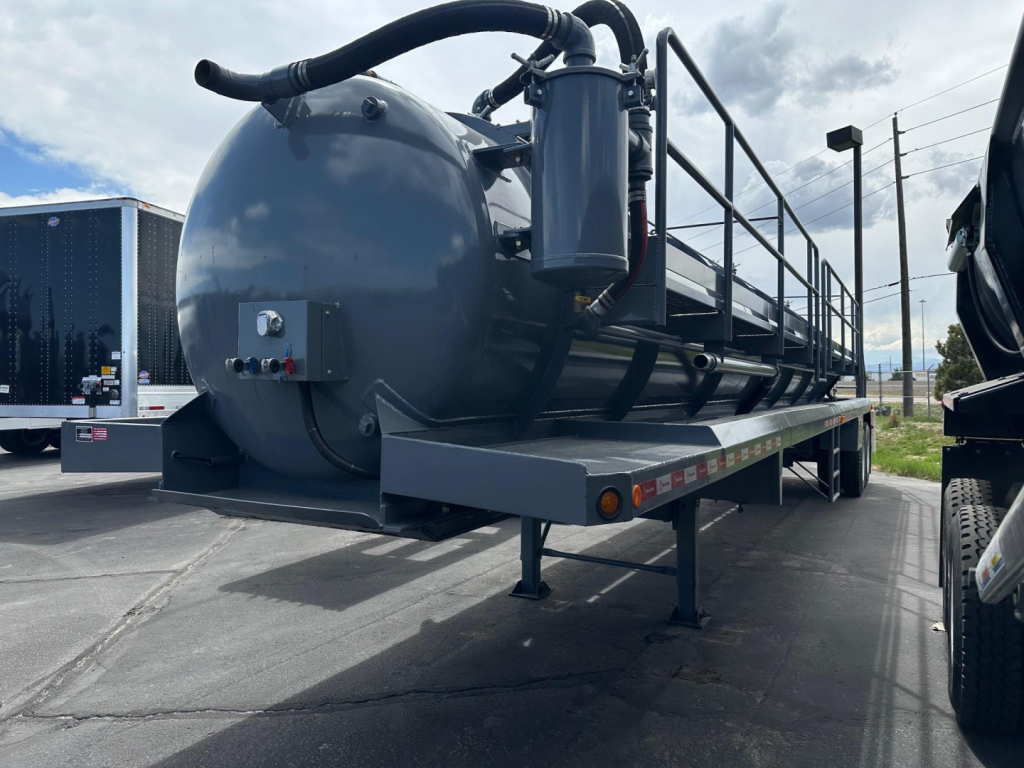
Selling a new 2026 dragon vacuum trailer? List your new 2026 dragon vacuum trailer for sale and reach thousands of commercial buyers.
New 2026 Dragon Vacuum Trailers
Capacity and axle layout are usually the first decisions. A 130 BBL vacuum trailer is a common fit for operators balancing payload, maneuverability, and shorter overall length, often around the 42-foot range. A 165 BBL vacuum trailer pushes volume higher and is often paired with a longer 46-foot tank and tri-axle running gear, sometimes with a rear lift axle to manage tire wear and bridge distribution. Air ride suspension is a frequent choice because it helps protect the tank structure, improves ride quality on rough access roads, and can reduce shock loading compared with spring ride setups.
Pump spec matters as much as barrel count. Many buyers look for proven vacuum systems such as Fruitland pumps for dependable loading performance and serviceability. Tank details like single-compartment construction, internal baffles, dome lids, hose troughs, manual dump valves, level gauges, catwalks with safety rails, and work lights all affect how the trailer performs in the field and how safely crews can operate it during loading, transport, and unloading. Closed tandem and tri-axle configurations, steel wheels, 11R24.5 tires, ICC bumpers, tow hooks, chain hangers, fenders, and landing gear are all practical spec points that should be matched to route conditions and service demands.
For buyers comparing new Dragon vacuum tank trailers, the key is matching the trailer to the fluid type, legal weight targets, and jobsite access limitations. Non-code water vacuum trailers are typically selected for non-hazardous fluid service, so intended product and regulatory requirements should be confirmed before purchase. Pay close attention to barrel capacity, overall trailer length, pump brand, baffle count, dome lid access, suspension type, and axle configuration, because those choices drive uptime, maintenance costs, and how efficiently the trailer can cycle loads across a full workday.
Frequently Asked Questions about New 2026 Dragon Vacuum Trailers
What are the most common capacities for Dragon vacuum trailers?
Common capacities in this category are 130 BBL and 165 BBL. A 130 BBL vacuum trailer is often chosen for a more compact overall setup and easier maneuvering, while a 165 BBL trailer is typically selected when maximizing fluid volume per trip is the priority. The right size depends on legal weight limits, haul distance, road conditions, and how much room is available at the loading and disposal sites.
What is a non-code water vacuum trailer used for?
A non-code water vacuum trailer is generally used for non-hazardous fluid service such as produced water, wash water, and other oilfield-related liquid handling applications where DOT code tank certification for hazardous materials is not required. Buyers should verify the exact product they plan to haul, because tank code requirements depend on the commodity, operating region, and applicable state and federal regulations.
Why does axle configuration matter on a vacuum trailer?
Axle configuration affects payload distribution, tire wear, maneuverability, and compliance with bridge and road weight limits. A tandem axle setup may suit lighter or shorter-capacity trailers, while a tri-axle configuration is common on higher-capacity units such as 165 BBL tanks. A rear lift axle can add flexibility by helping manage loaded weight while reducing drag and tire scrub when the extra axle is not needed.
What features should buyers focus on when comparing new vacuum tank trailers?
The most important features are tank capacity, pump brand and vacuum performance, trailer length, suspension type, number of compartments, baffle design, and unloading setup. Buyers should also look closely at practical field features such as hose troughs, dome lids, catwalks with safety rails, work lights, landing gear, toolboxes, tow hooks, fenders, and level gauges. These details have a direct effect on daily usability, maintenance access, and operator safety.
Is air ride suspension worth it on a vacuum trailer?
Air ride is a popular choice because it improves ride quality and helps reduce vibration and impact stress on the tank and running gear, especially on rough lease roads and uneven jobsite approaches. It can also help protect the load and trailer structure over time. For operators running long distances or mixed road conditions, air ride is often a practical upgrade for durability and driver comfort.