
New 2026 Load King Trailers For Sale
New 2026 Load King trailers for sale, including lowboy and heavy haul configurations built for demanding construction and specialized transport.
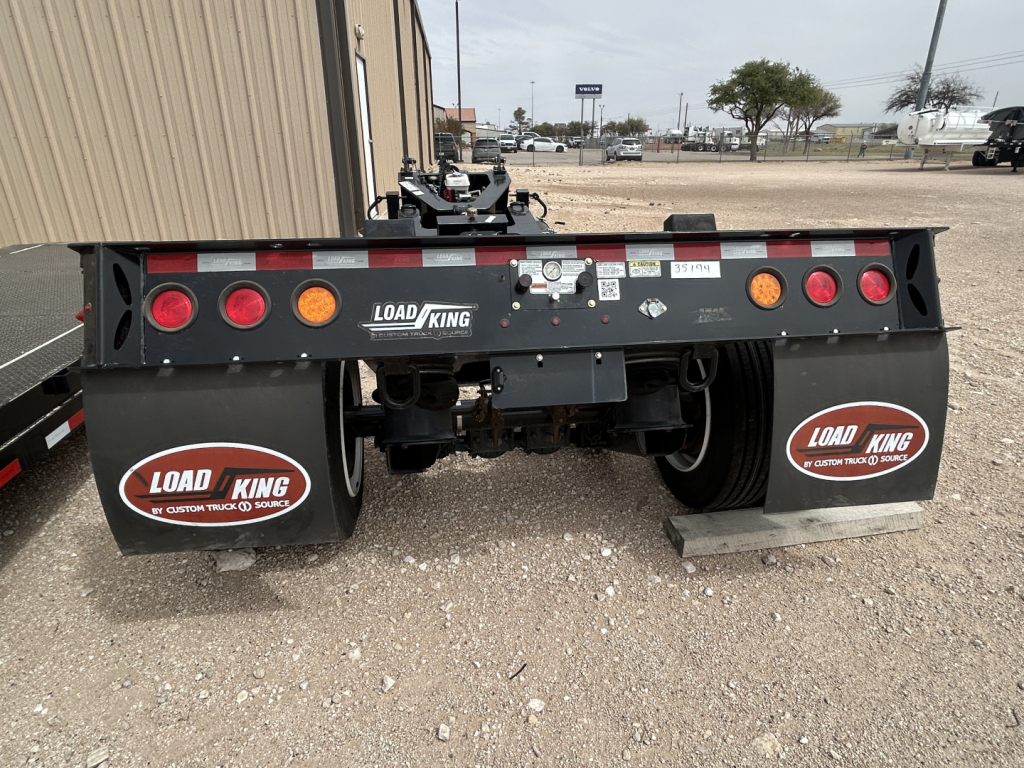
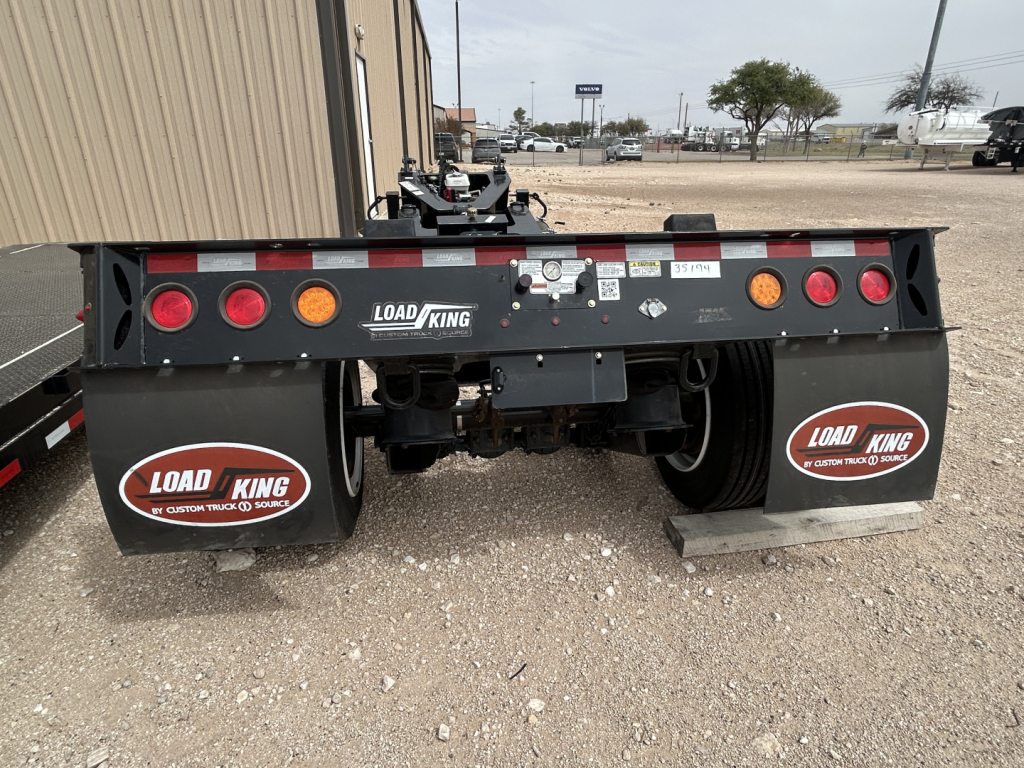
Selling a new 2026 load king trailer? List your new 2026 load king trailer for sale and reach thousands of commercial buyers.
New 2026 Load King Trailers
A lot of the buying decision comes down to how the trailer is going to be worked. Load King lowboys are commonly spec'd with hydraulic detachable necks, low loaded deck heights, excavator deck packages, backhoe troughs, and reinforced crossmember designs for concentrated machine weight. Features such as air ride suspension, lift axles, aluminum outer wheels, heavy-duty wheel covers, and flip ramps are common in this category because they directly affect loading ease, ride quality, service life, and permit flexibility. Buyers hauling excavators, dozers, pavers, crushers, or other high point-load equipment should pay close attention to load concentration ratings in 10-foot or 12-foot sections, not just the gross ton rating.
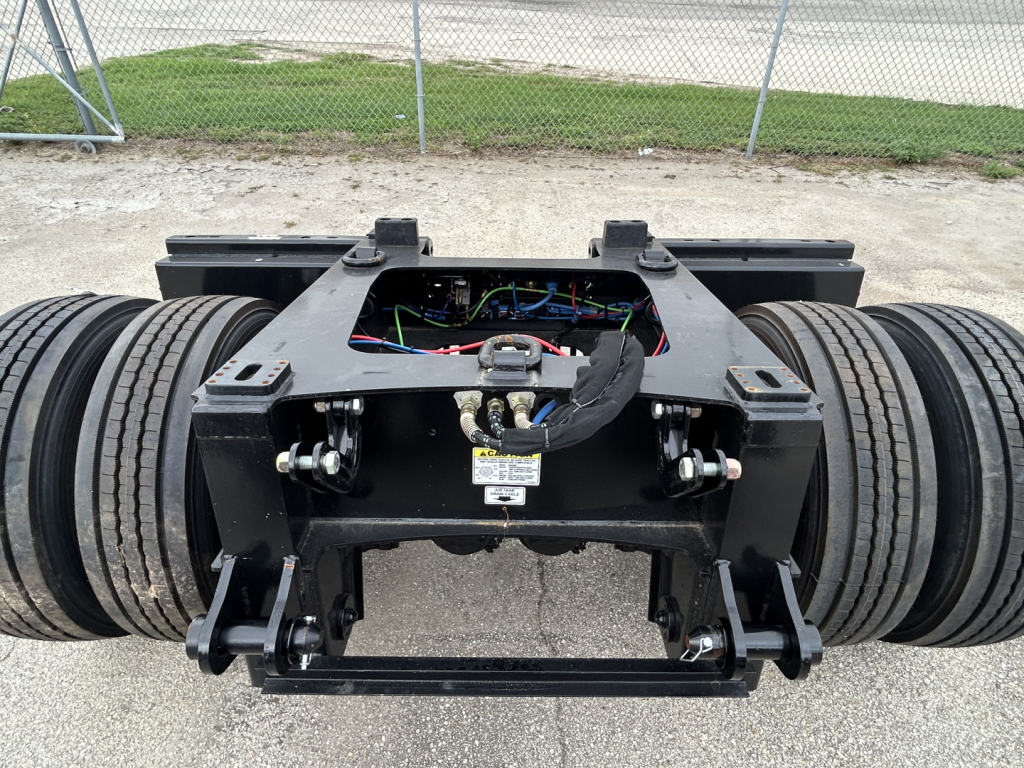
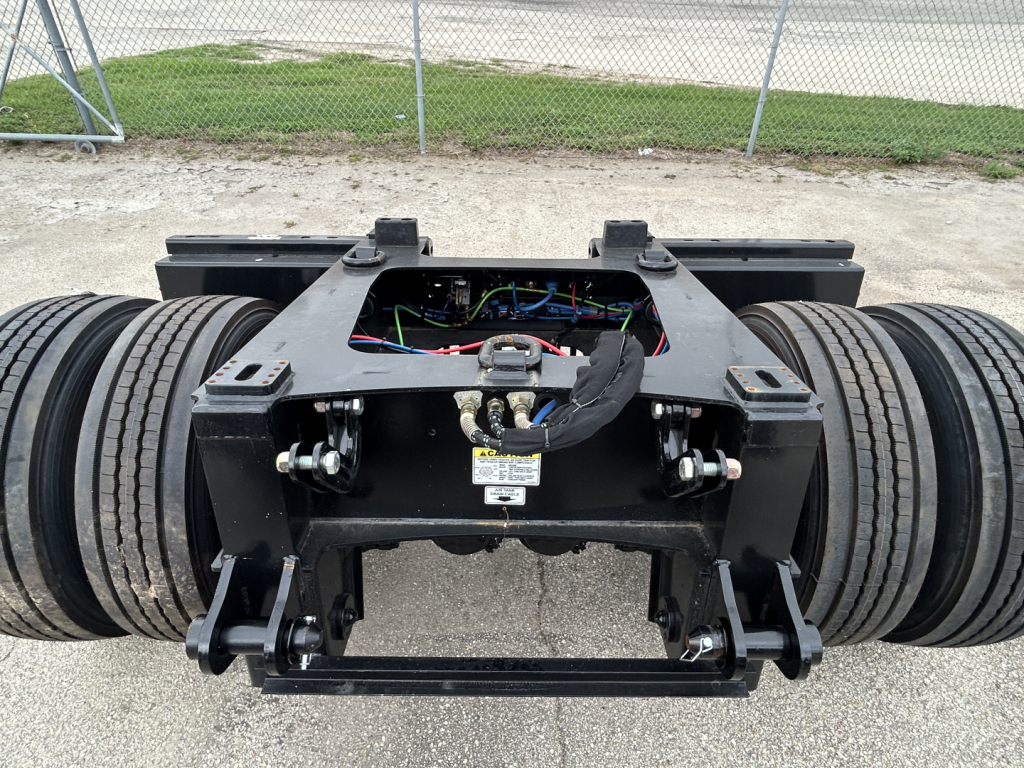
For operators running multi-state heavy haul, the supporting trailer components matter almost as much as the main trailer. Load King spreader bars and flip axles are used to extend axle spacing, improve weight distribution, and adapt a trailer for higher-capacity or more permit-friendly configurations. Axle spacing, future stinger prep, air and electrical provisions, ride height adjustment, and deck width all affect how usable the trailer will be across different jobs and jurisdictions. An 8-foot-6 or 9-foot-wide trailer, 18-inch to 24-inch loaded deck height, and the ability to add one or two flip axles can make a major difference in legal routing and loading clearance.
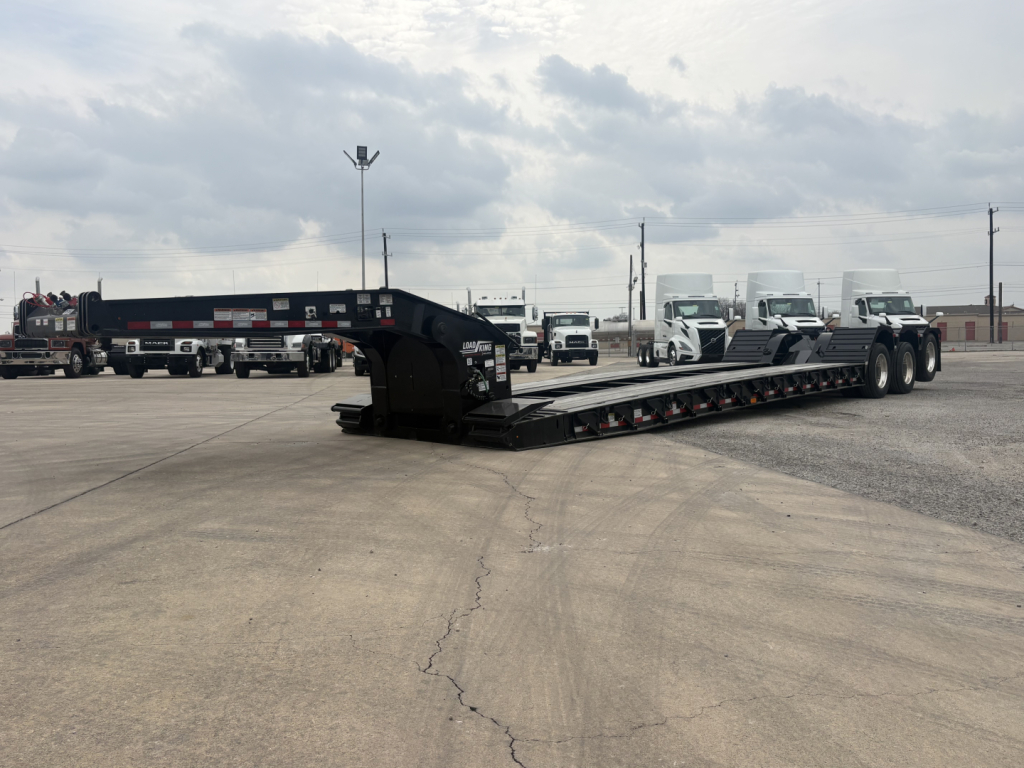
New-model Load King trailers tend to appeal to buyers who want a purpose-built heavy haul platform rather than a general freight trailer. The brand is commonly associated with lowboy trailers, detachable goosenecks, and heavy equipment hauling systems designed for severe-duty use. When comparing listings, focus on axle count, suspension type, neck geometry, deck construction, outriggers, tie-down package, brake spec, and how the trailer is prepared for future attachments. Those details determine whether the trailer will stay productive with changing load profiles, permit demands, and fleet growth.
Frequently Asked Questions about New 2026 Load King Trailers
What are Load King trailers commonly used for?
Load King trailers are commonly used for heavy equipment hauling, especially in construction, roadbuilding, utility, and specialized transport work. Their lowboy and hydraulic detachable gooseneck designs are well suited for excavators, dozers, loaders, pavers, and other tall or concentrated loads that need a low deck height and strong load concentration ratings.
What should I look at first when comparing a Load King lowboy trailer?
Start with rated capacity, load concentration, deck height, axle configuration, and neck design. A trailer may have a strong overall ton rating, but the more important number for many machines is how much weight it can carry in a 10-foot or 12-foot section. After that, review deck length, axle spacing, suspension type, and whether the trailer is set up for flip axles, spreader bars, or future stinger use.
Why do flip axles and spreader bars matter on heavy haul trailers?
Flip axles and spreader bars help distribute weight over a longer footprint, which can improve bridge compliance and permit options. They are especially important for operators hauling heavier machines across multiple states, where axle spacing and weight distribution rules can change by jurisdiction. A trailer that can accept one or two flip axles gives more flexibility as hauling requirements change.
What is a hydraulic detachable gooseneck trailer?
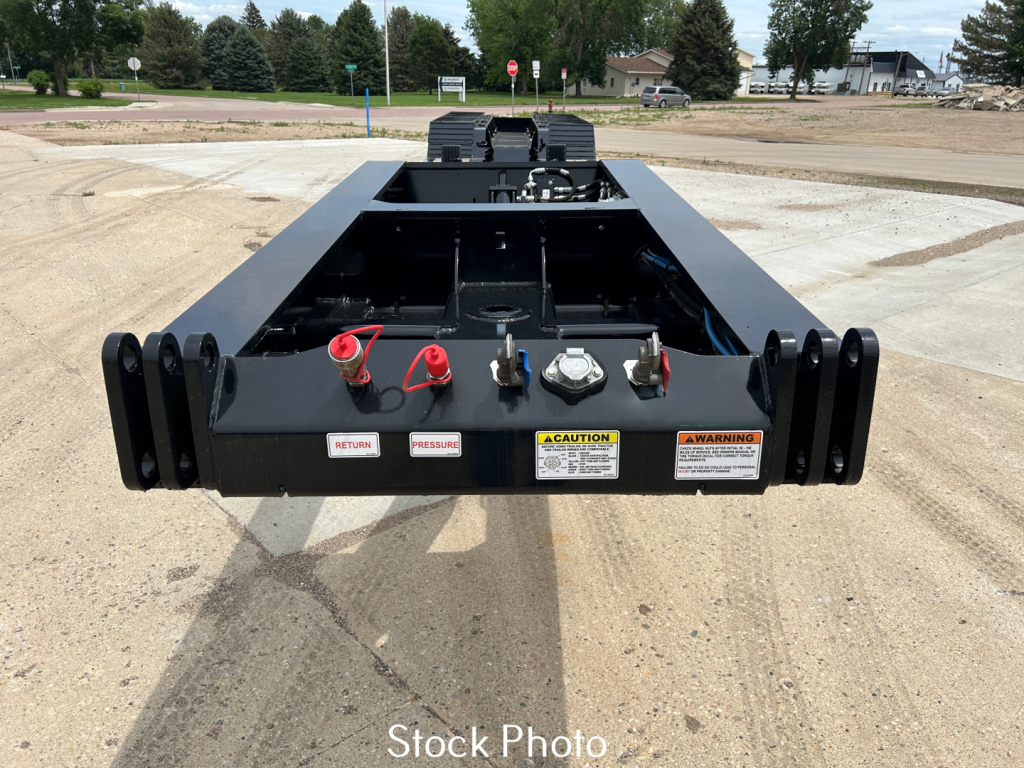
A hydraulic detachable gooseneck trailer, also called an HDG or RGN in some applications, allows the front neck section to detach so equipment can be driven or pulled onto the deck from the front. This design improves loading efficiency for tracked and wheeled equipment and is a common choice in heavy haul because it combines low deck height with easier loading than many fixed-neck trailers.
Which specs affect day-to-day usability the most on a new Load King trailer?
Deck height, deck length, deck width, ride height adjustment, suspension, ramp configuration, and tie-down equipment all affect daily operation. Features like swingout outriggers, chain slots, bent D-rings, lift axles, and air ride suspension can make the trailer easier to load, safer to secure, and more adaptable to different machines. Buyers should also consider brake type, tire size, and service access because those details affect maintenance cost and uptime.