
New 2026 Load King Flips/Converter Dollies/Jeeps Trailers For Sale
New 2026 Load King flip axles, converter dollies, and jeeps for heavy haul setups. Built to add capacity, spacing, and legal payload flexibility.
Selling a new 2026 load king flips/converter dollies/jeeps trailer? List your new 2026 load king flips/converter dollies/jeeps trailer for sale and reach thousands of commercial buyers.
New 2026 Load King Flips/Converter Dollies/Jeeps Trailers
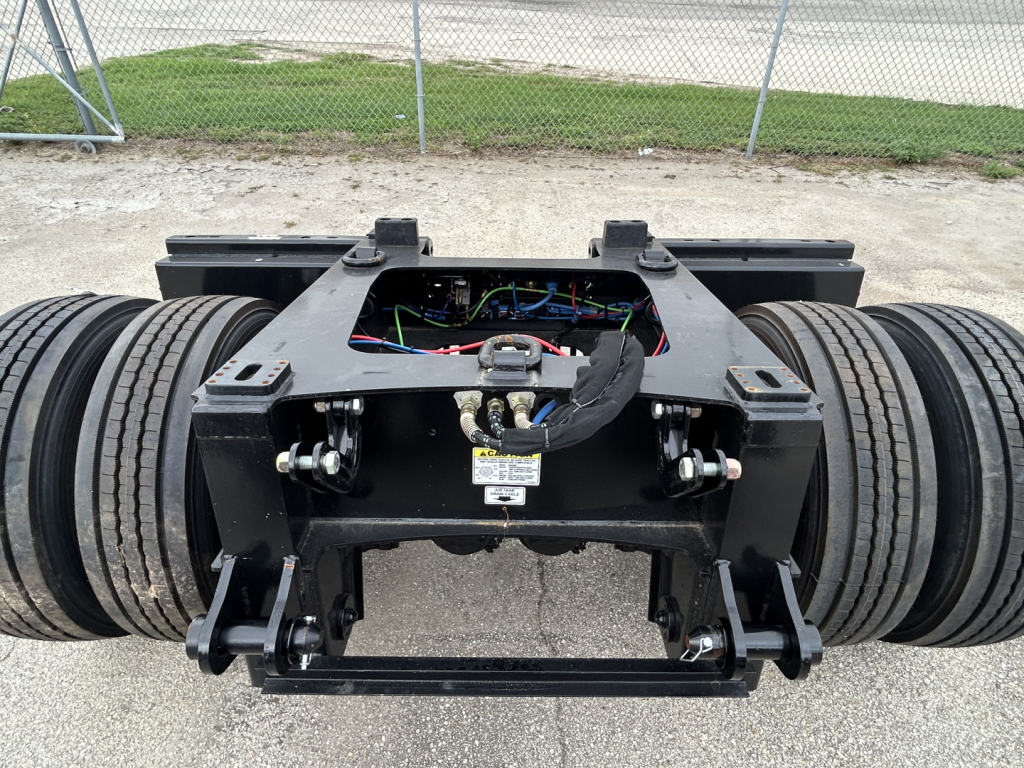
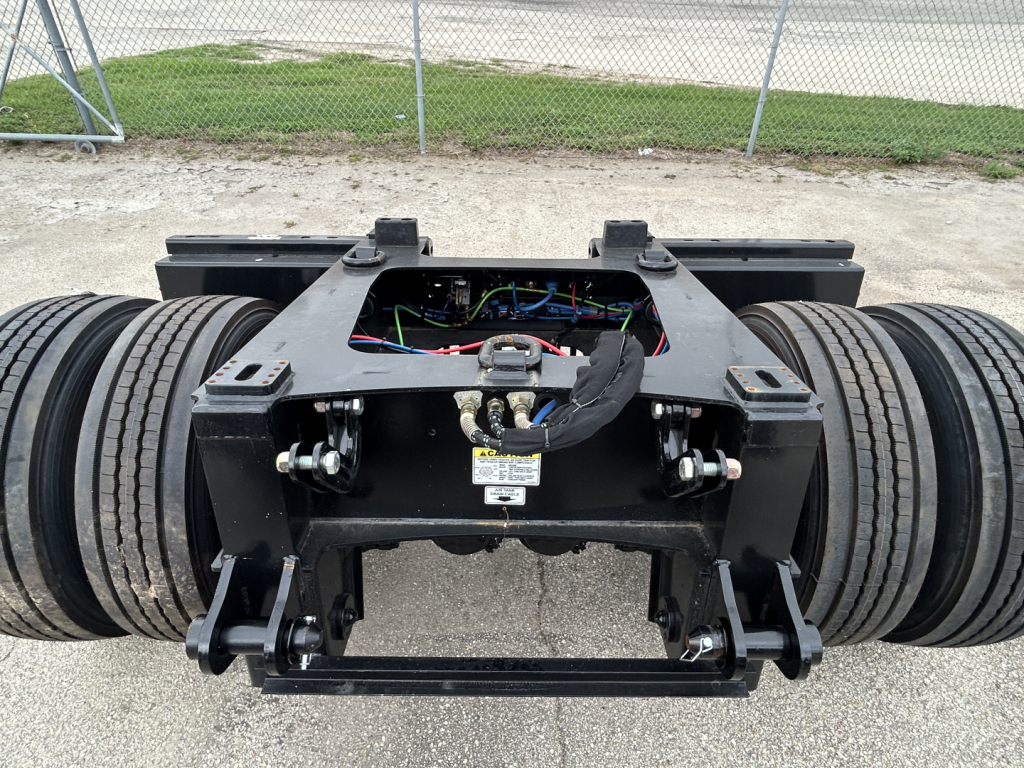
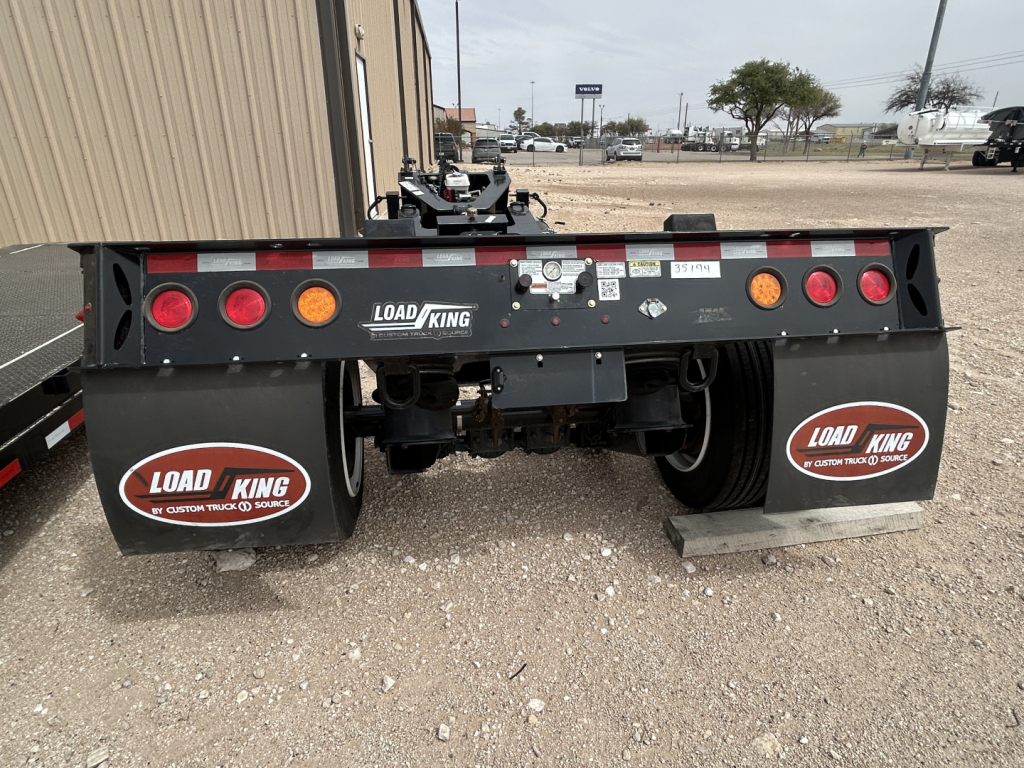
On current Load King configurations, the details that deserve the closest look are width, axle spacing, suspension type, tire size, and axle rating. Sample specs in this class include 102-inch and 108-inch widths, 54.5-inch or 60-inch axle spacing, single 27,500-pound axles, and 255/70R22.5 or 275/70R22.5 rubber. Air ride suspensions, including Hendrickson air ride on some setups, are common because they help manage loaded ride quality and keep the added axle working correctly under changing deck loads. Outside aluminum wheels are also a frequent spec on new units, balancing weight savings with durability. On intermediate flip axles, features like independent leveling valves, isolation kits, support brackets, and 4-way electrical plugs can make a real difference in day-to-day hookup and load stability.
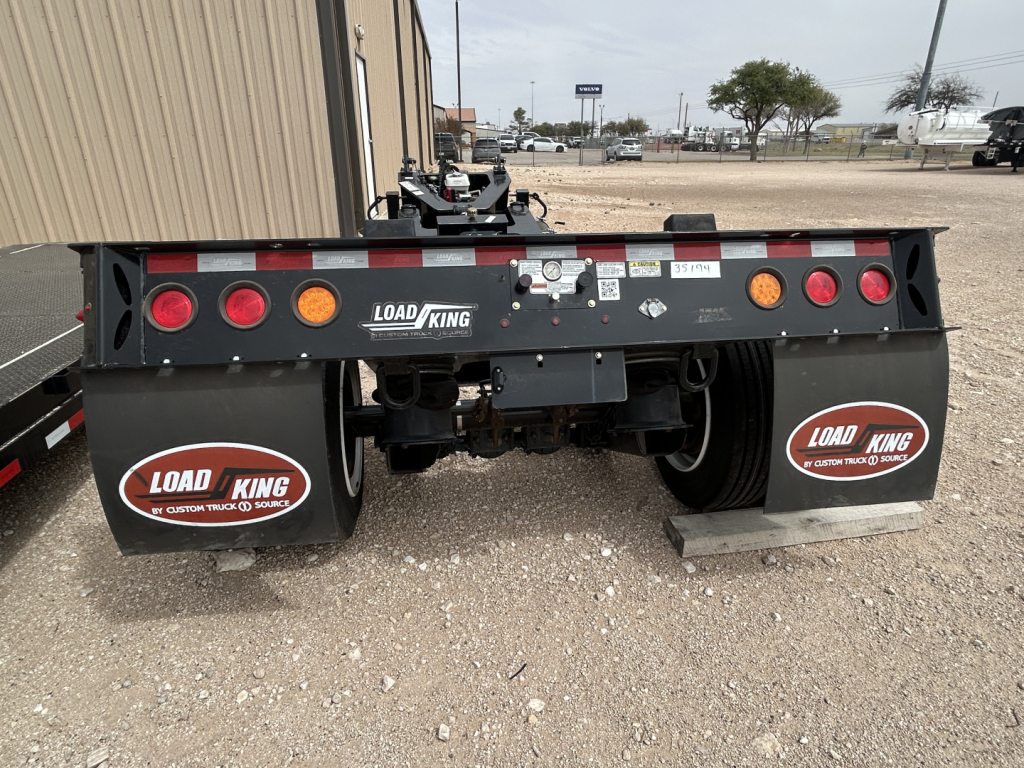
For buyers comparing new 2026 Load King units, the main decision is not simply 55 ton versus 60 ton. It is how the attachment will behave in your permitting environment and with your existing trailer. A rear flip axle can be the right solution when you need to increase legal capacity without committing to a permanently longer configuration. A jeep or converter dolly becomes more relevant when you need to shift kingpin load, change axle spreads, or build a multi-piece heavy haul combination that works across states with different bridge formulas and permit rules. Lighting packages, including third tail light packages, strobes, and battery backup systems, also matter because these trailers spend their lives in oversize and overweight service where visibility and compliance are part of the job.
New Load King components in this category appeal to fleets that want current-spec braking, suspension, tires, and electrical systems instead of rebuilding older auxiliary gear to match newer trailers. The value is in getting a unit that integrates correctly with the trailer it was built for and supports the type of loads you actually move, from construction iron and machinery to concentrated industrial freight. Buyers should verify trailer-series fitment, loaded deck height impact, axle grouping, connection hardware, and state-by-state legality before purchase. On heavy haul auxiliary equipment, the best spec sheet is the one that matches the trailer, the route, and the permit book.
Frequently Asked Questions about New 2026 Load King Flips/Converter Dollies/Jeeps Trailers
What is the difference between a flip axle, a jeep, and a converter dolly?
A flip axle is an auxiliary axle group that attaches to the rear of a lowboy or specialized trailer to increase capacity and improve load distribution. A jeep is positioned between the tractor and trailer to shift part of the load forward and create additional axle spacing, often helping with bridge compliance and steer axle loading. A converter dolly generally connects one trailer section to another or converts the towing arrangement, depending on the application. In heavy haul, each one serves a different purpose in the overall axle layout, so the right choice depends on the trailer configuration and the permit requirements for the loads being hauled.
How do I know if a Load King flip axle will fit my trailer?
Fitment starts with the trailer series and the exact rear connection design, not just the brand name. Buyers need to confirm the intended trailer family, deck width, axle spacing, ride height, electrical connections, and the rated capacity the trailer was designed to accept with that auxiliary axle. Details like 102-inch versus 108-inch width, 54.5-inch versus 60-inch axle spacing, and the proper tire size all affect compatibility. The safest approach is to match the flip axle to the original trailer specification and verify pinning, plumbing, and lighting connections before purchase.
Why does axle spacing matter on flips and jeeps?
Axle spacing directly affects bridge law calculations, load distribution, and permit eligibility. A unit with 54.5-inch spacing may serve a different legal or practical purpose than one with 60-inch spacing, even if both have similar axle ratings. In heavy haul work, spacing can determine whether a configuration is accepted in a given state and how much payload can be legally carried on each axle group. It also influences tracking, turning behavior, and how the suspension carries a concentrated load.
Are air ride suspensions preferred on new flip axles?
Air ride is common on newer flip axles because it helps maintain more consistent load sharing and generally offers better ride quality for both the trailer and the cargo. Systems from suppliers such as Hendrickson are widely recognized in this segment. On specialized trailers, air ride can also make hookup and loaded behavior more predictable, especially when paired with features like independent leveling valves. The main advantage is not comfort alone, but better axle performance under changing heavy haul conditions.
What should I verify before buying a new heavy haul auxiliary axle assembly?
The most important checks are rated capacity, trailer-series compatibility, axle spacing, deck width, suspension type, tire and wheel spec, lighting package, and the exact connection hardware required to make the unit legal and functional. Buyers should also review how the added axle or jeep changes loaded overall length, kingpin load, rear overhang, and state permit strategy. A new unit can be well built and still be the wrong spec if it does not match the trailer and the routes where it will operate.