
New 2026 Load King Trailers For Sale in Texas
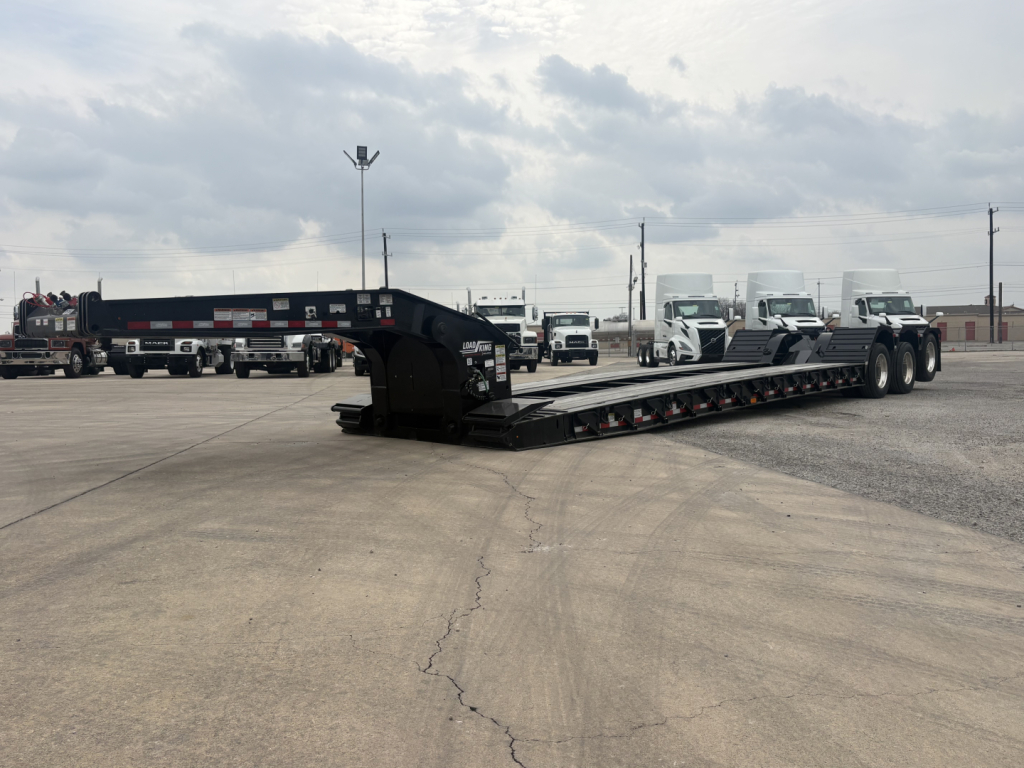
Shop new 2026 Load King trailers in Texas, including heavy haul lowboy configurations with detachable goosenecks, low deck heights, and high-capacity axles.
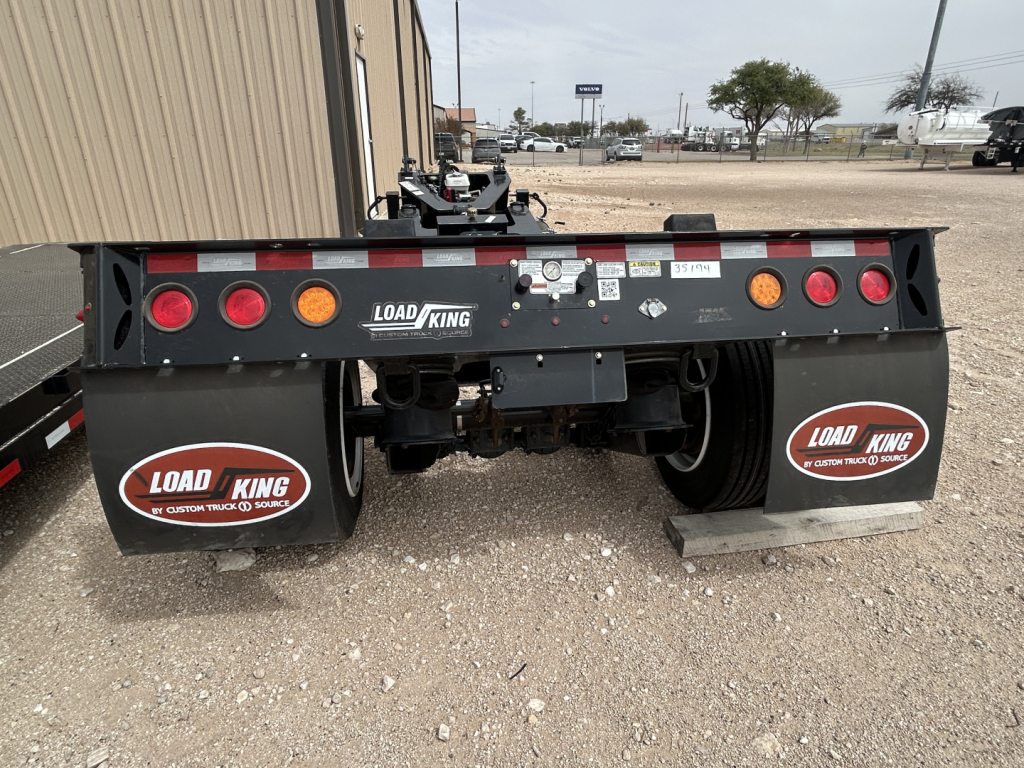
Selling a new 2026 load king trailer? List your new 2026 load king trailer for sale and reach thousands of commercial buyers.
New 2026 Load King Trailers in Texas
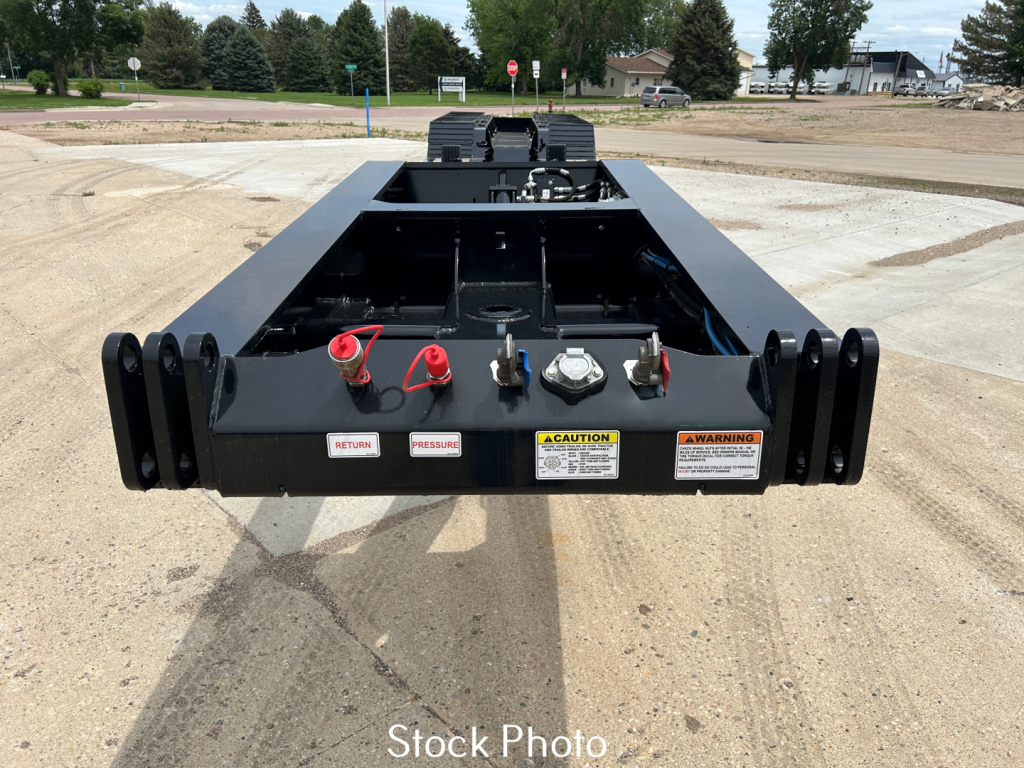
Deck height, deck length, and overall width matter just as much as gross capacity. A low loaded deck height in the 20-inch to 24-inch range helps keep taller machines legal and easier to route, while 26-foot main decks and bucket wells give more room for tracked equipment and machines with uneven weight distribution. Many Load King lowboys use a hydraulic detachable gooseneck, often powered by a pony motor, which speeds loading and unloading compared with fixed-neck designs. Buyers should also pay attention to gooseneck length, swing clearance, and 5th wheel height to make sure the trailer matches the tractor and the freight mix. If your work includes excavators or backhoes, details like an excavator notch plate, backhoe bucket trough, front flip ramps, and reinforced crossmembers are not small options. They directly affect load placement, securement, and long-term deck life.
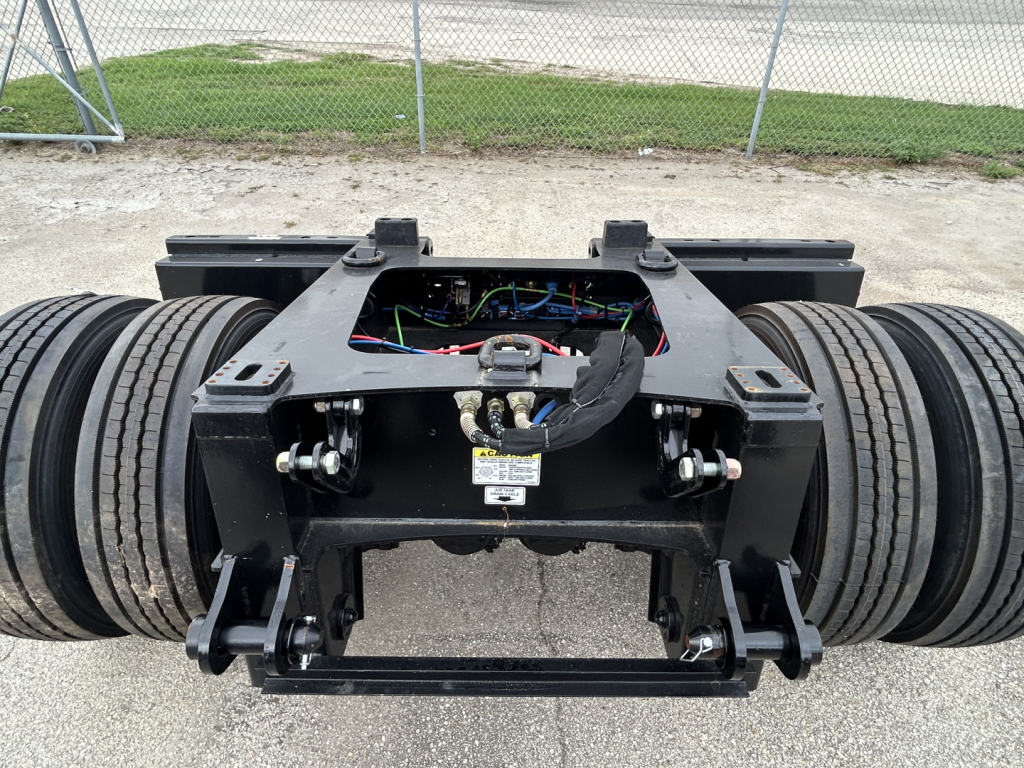
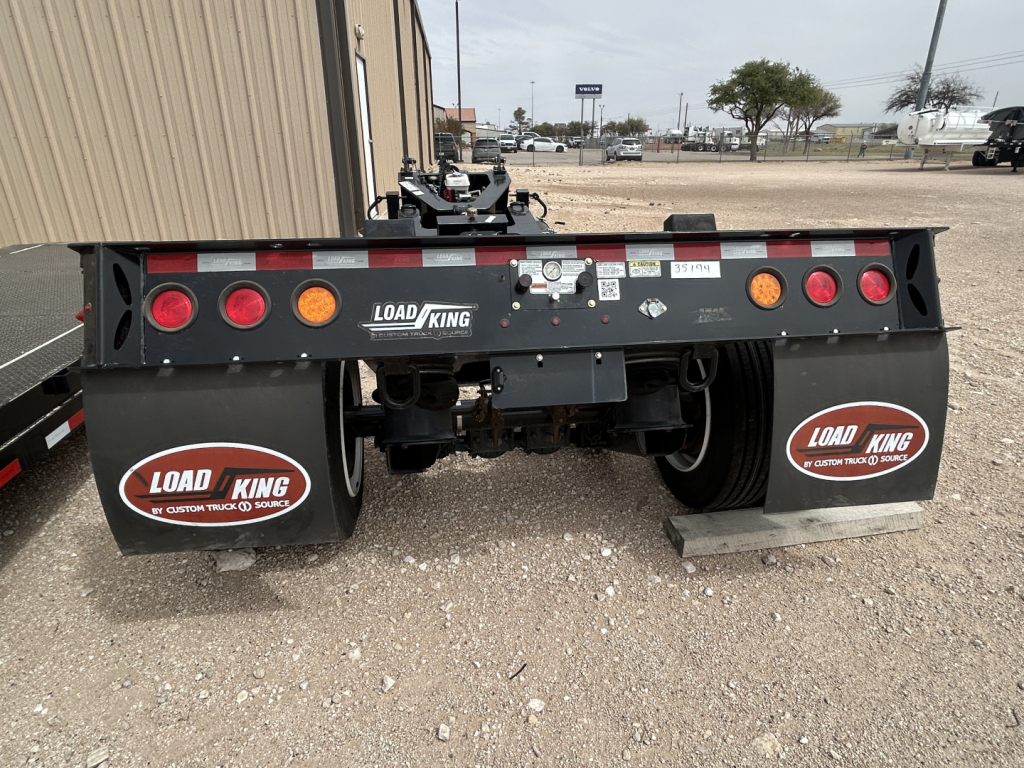
Running gear and suspension specs are another major decision point. Load King trailers in this segment commonly use 27,500-lb axles, air ride suspension, drum brakes, and lift axle arrangements to help with maneuverability and tire wear when empty or lightly loaded. Tire sizes such as 255/70R22.5 or 275/70R22.5 are common on these heavy haul platforms, and aluminum outer wheels are frequently chosen to trim weight and improve serviceability. Practical trailer details also deserve attention, including chain slots, D-rings, removable swingout outriggers, toolboxes, lighting packages, and raise-lower valves. Buyers working in Texas should think through permitted width needs early, since 8-foot-6 and 9-foot-wide trailers can serve very different freight profiles and routing plans.
Load King also builds specialty trailer configurations beyond standard lowboy applications, including spreader bar and other purpose-built heavy haul designs. That matters if your operation handles varying machines, odd axle weight concentrations, or jobs that require adaptable rear configurations. A smart purchase in this category comes down to matching the trailer to real-world loads, not just buying the highest ton rating on paper. Capacity in 12 feet, axle spacing, ground clearance, deck reinforcement, and connections for future axle additions all affect how useful the trailer will be over time. For a buyer comparing new 2026 Load King trailers for sale, the strongest units are the ones specified around the equipment you actually move, the permits you routinely pull, and the tractors already in your fleet.
Frequently Asked Questions about New 2026 Load King Trailers in Texas
What are the most common applications for new Load King trailers?
Load King trailers are commonly used for heavy equipment hauling, especially construction and infrastructure freight such as excavators, dozers, loaders, pavers, and backhoes. Their lowboy and detachable gooseneck configurations are designed to carry tall or concentrated loads while keeping deck height low and load security strong. In Texas, they are also a common choice for oilfield support, aggregate operations, and contractors that move machines between job sites on a regular schedule.
What should I compare first when shopping for a Load King lowboy trailer?
Start with ton rating, loaded deck height, axle configuration, and deck length. A 55-ton or 60-ton rating may sound straightforward, but buyers also need to confirm where that capacity is measured, such as in 12 feet, and how that matches their actual equipment footprint. After that, compare whether the trailer has a hydraulic detachable gooseneck, provisions for a flip axle, the right deck width, and structural features like bucket wells, excavator notch plates, and reinforced crossmembers.
Why does deck height matter on a heavy haul trailer?
Deck height directly affects legal transport height, route flexibility, and the types of machines the trailer can move without forcing more permitting or alternate routing. A loaded deck height around 20 to 24 inches is common on heavy haul lowboys because it helps keep tall equipment lower to the ground. That becomes especially important with excavators, drilling support equipment, and other freight that can quickly push total loaded height beyond practical limits.
Are Load King trailers commonly available with flip axle capability?
Yes. Many heavy haul Load King trailers are spec'd with connections for flip axles or flip boxes so the trailer can be adapted to different bridge law and permitting requirements. This can be important for operators hauling heavier equipment across multiple states or for buyers planning to expand into higher-capacity work later. A trailer with built-in provisions for additional axle configurations can offer more long-term flexibility than a fixed setup.
What features improve everyday usability on a new heavy haul trailer?
The most useful day-to-day features are often the practical ones. Buyers should look for strong securement points like chain slots and D-rings, durable deck materials such as Apitong flooring, front flip ramps for easier loading, air ride suspension for load stability, lift axles for maneuverability, and quality lighting packages for visibility and compliance. Toolboxes, swingout outriggers, and raise-lower suspension controls also make a noticeable difference in loading efficiency and trailer versatility.