
New 2026 Trailers For Sale in New Mexico
Shop new 2026 trailers for sale in New Mexico, including dump, hopper, vacuum, and flatbed trailers built for regional and heavy-duty work.
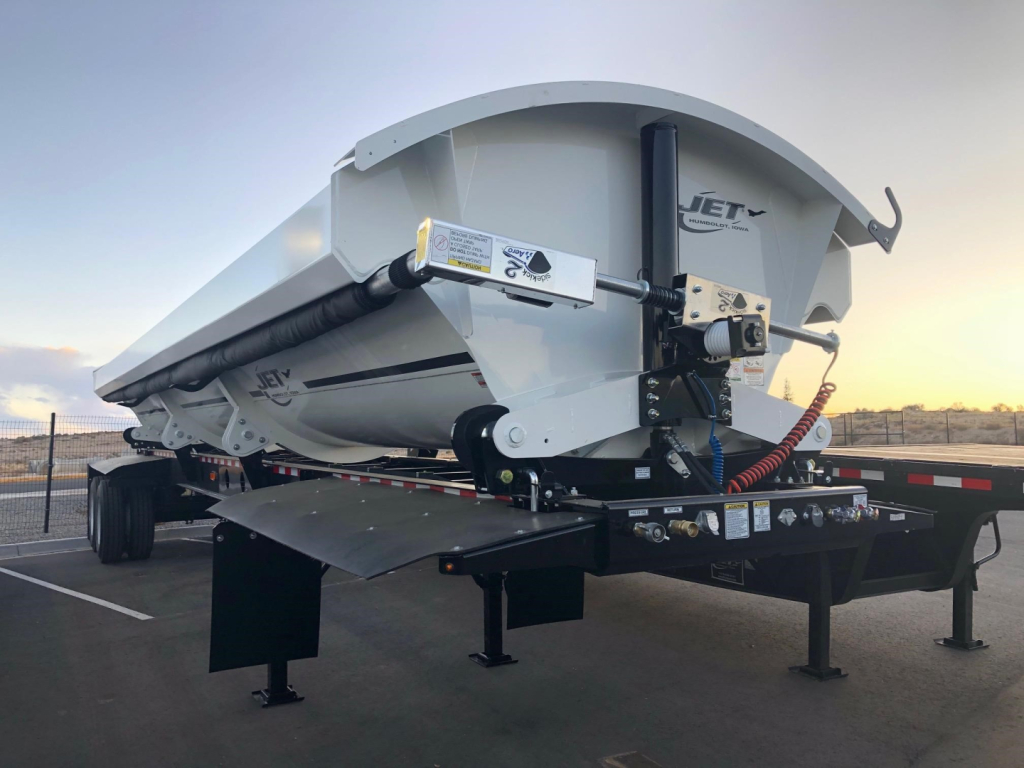
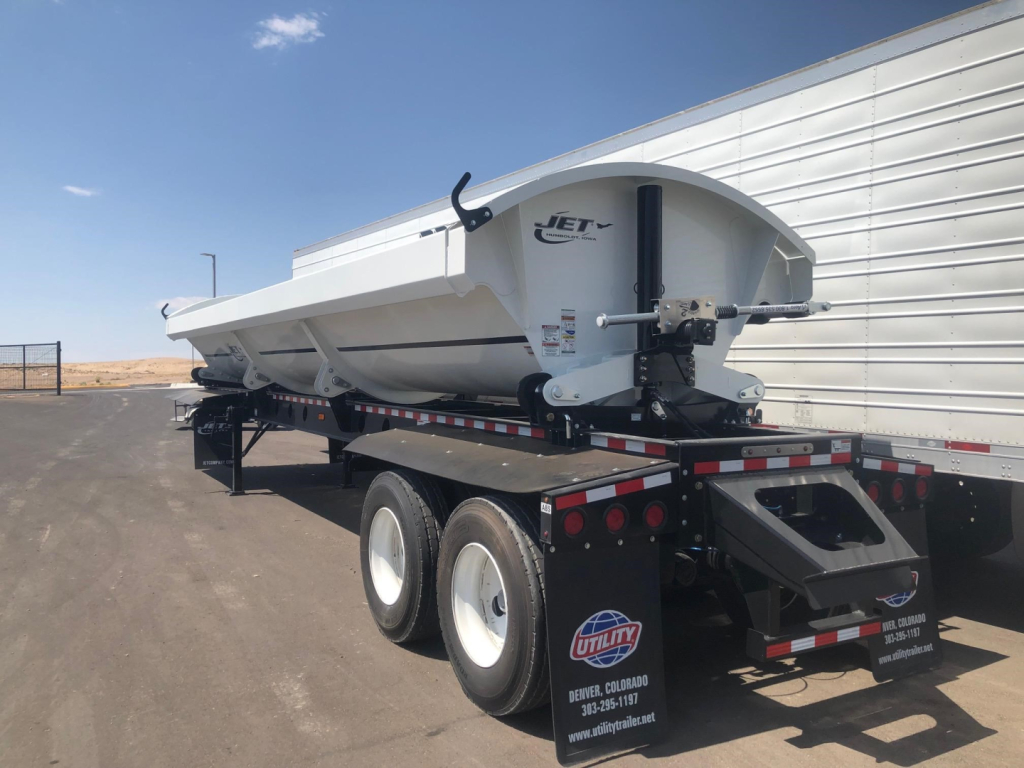
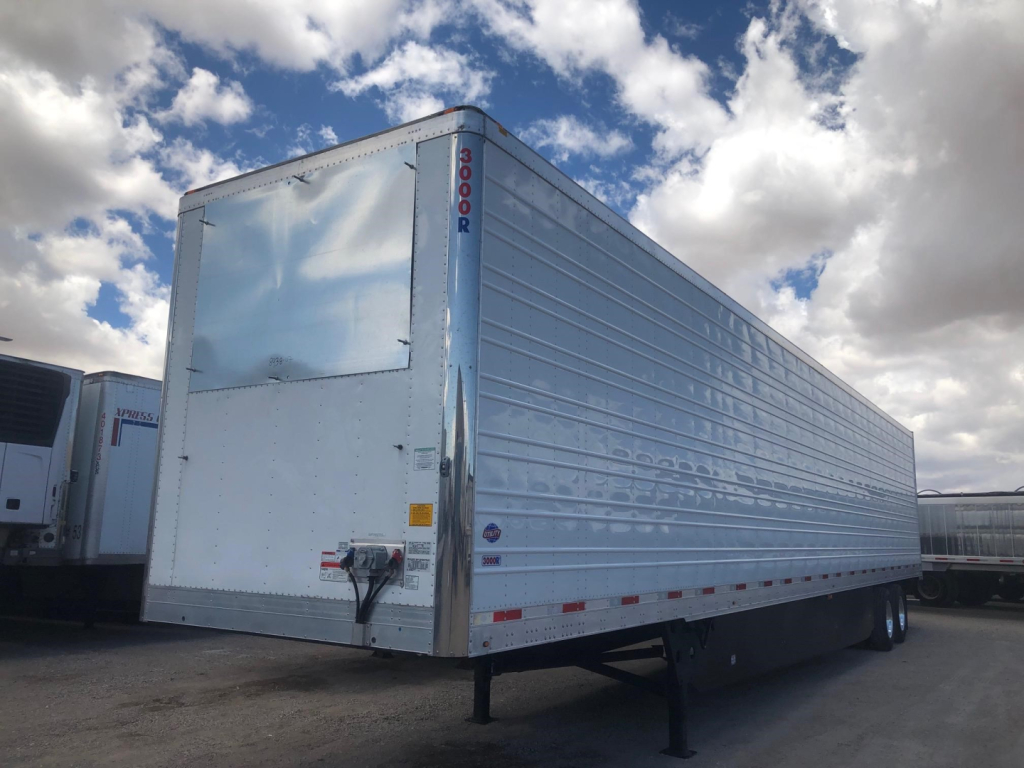
Selling a new 2026 trailer? List your new 2026 trailer for sale and reach thousands of commercial buyers.
New 2026 Trailers in New Mexico
Frequently Asked Questions about New 2026 Trailers in New Mexico
What types of new 2026 trailers are commonly listed in New Mexico?
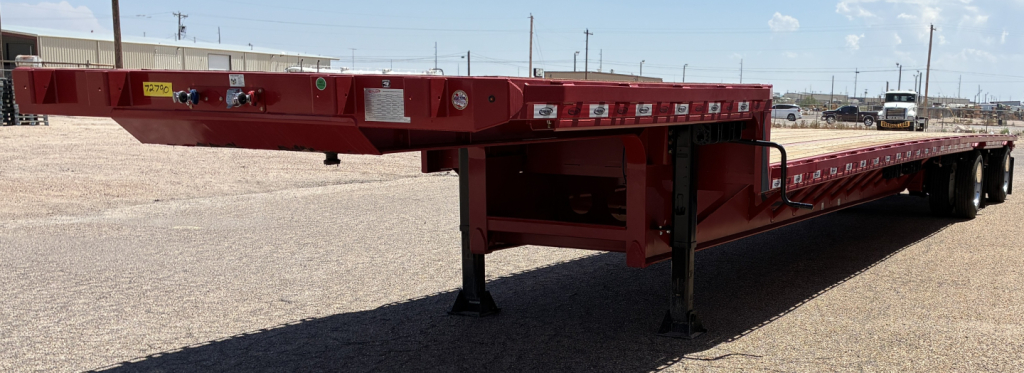
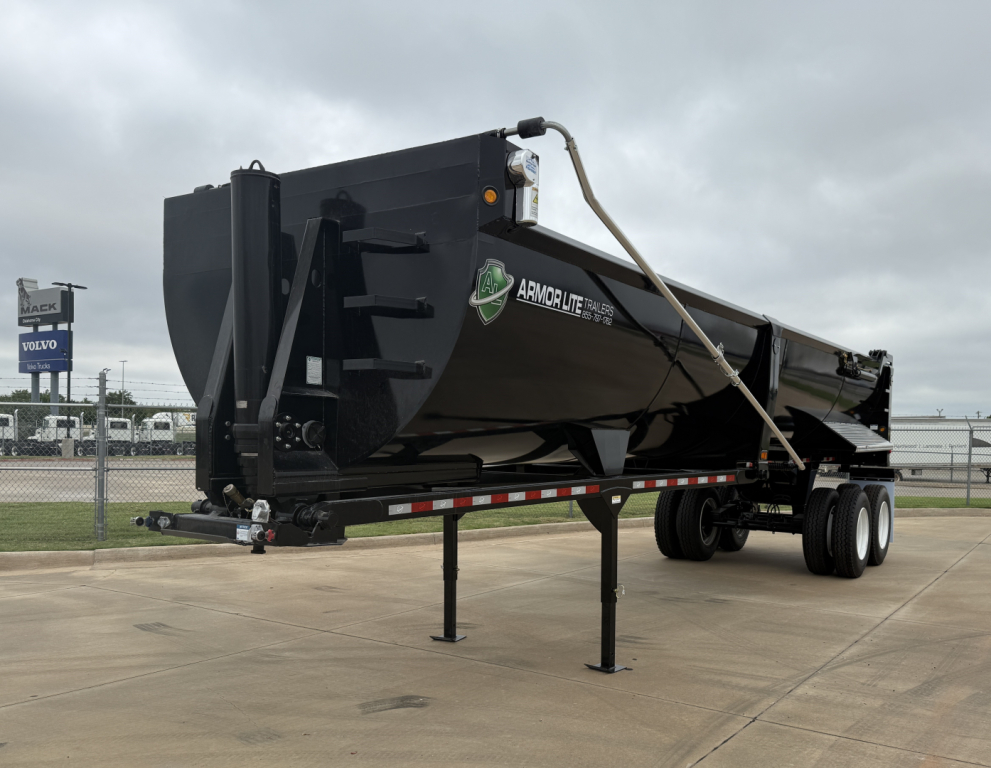
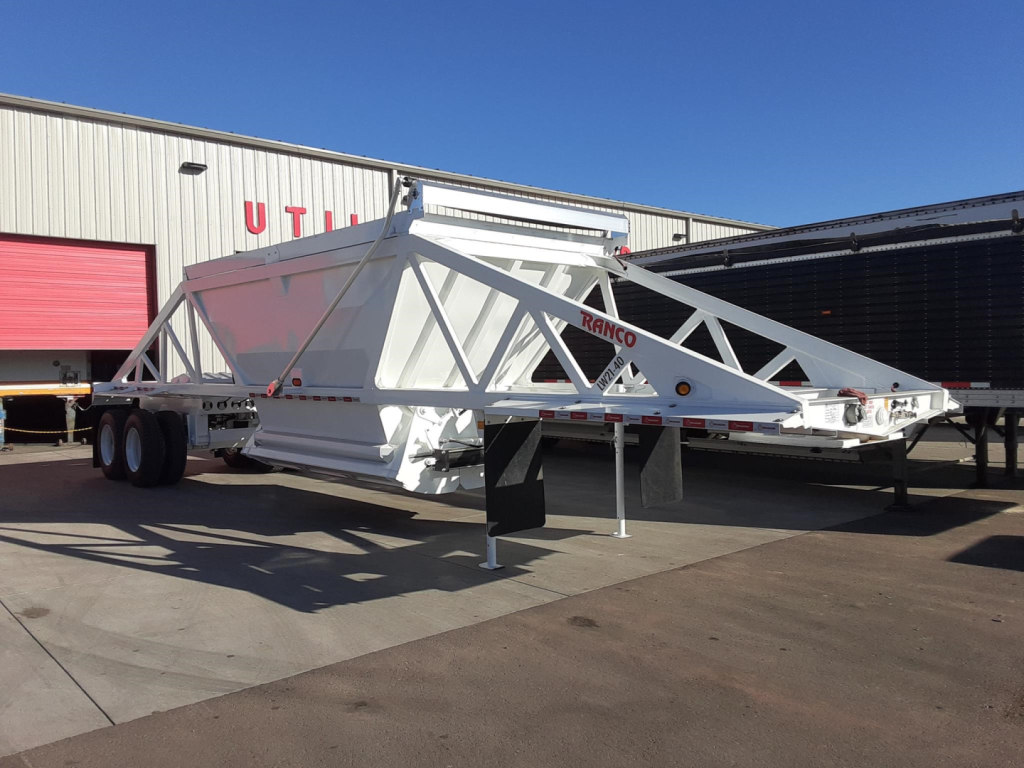
New 2026 trailers in New Mexico commonly include flatbed trailers, hopper trailers, dump trailers, and vacuum trailers. That mix reflects the state's freight lanes, agriculture, construction activity, and oilfield service work. Flatbeds are used for machinery, steel, and building materials. Hopper trailers are common in agricultural hauling. Dump trailers are suited for aggregate and jobsite material movement. Vacuum trailers are typically used in industrial and energy-related applications.
What should I compare first when shopping for a new trailer?
Start with the trailer's intended application and then compare the core structural specs that support that work. Trailer type, overall length, width, suspension, axle configuration, tire size, body material, and cargo-control equipment matter more than cosmetic options. On a flatbed, buyers usually focus on deck construction, coil package rating, winch track placement, stake pockets, and spread versus closed tandem axle layout. On a dump trailer, tub material, top rail design, gate style, tarp system, and suspension are major decision points. On a hopper, look closely at side height, trap design, tarp operation, and weight-saving features. On a vacuum trailer, capacity, code status, sight glasses, and running gear are key.
Are new 2026 trailers in New Mexico typically spec'd for regional or heavy-duty service?
Many are spec'd for heavy-duty regional service, but the exact setup depends on the trailer category. New Mexico buyers often need equipment that can handle long distances, temperature swings, rougher secondary roads, and weight-sensitive hauling. That is why common specs include air ride or heavy spring suspensions, 11R22.5 or 11R24.5 tires, durable wheel-end components, and trailer bodies built for abrasion resistance or weight savings depending on the application. Vocational trailers, especially dump and vacuum units, are usually selected with durability and serviceability ahead of appearance.
What trailer specs matter most for resale and long-term operating cost?
The best resale and lifecycle value usually comes from practical specs that fit common fleet needs. Standard lengths such as 42-foot and 48-foot configurations, common tire sizes, well-supported suspensions, and familiar axle layouts are easier to maintain and easier to resell. Aluminum components can improve payload and corrosion resistance, while steel construction can be preferred for severe-duty work. Buyers also pay attention to tarp systems, lighting, wheel specifications, gate controls, and other daily-use features because those items directly affect uptime, driver acceptance, and repair cost over the life of the trailer.
How does New Mexico usage affect trailer selection?
New Mexico operating conditions push buyers to think about terrain, haul distance, and the specific industries they serve. Agricultural routes may favor hopper trailers with practical tarp systems and ladder access. Construction and material haulers often prioritize dump trailers with hard-wearing tubs, high-lift gates, and chip-resistant tire packages. Open-deck freight operators may lean toward flatbeds with coil packages, sliding winches, and strong cargo-control options. Oilfield and industrial buyers typically focus on vacuum trailers with the right barrel capacity, suspension, and visibility features such as front and rear sight glasses. In all cases, a trailer that matches the route and commodity usually performs better than one chosen only on price.