
New 2026 Dump Trailers For Sale in New Mexico
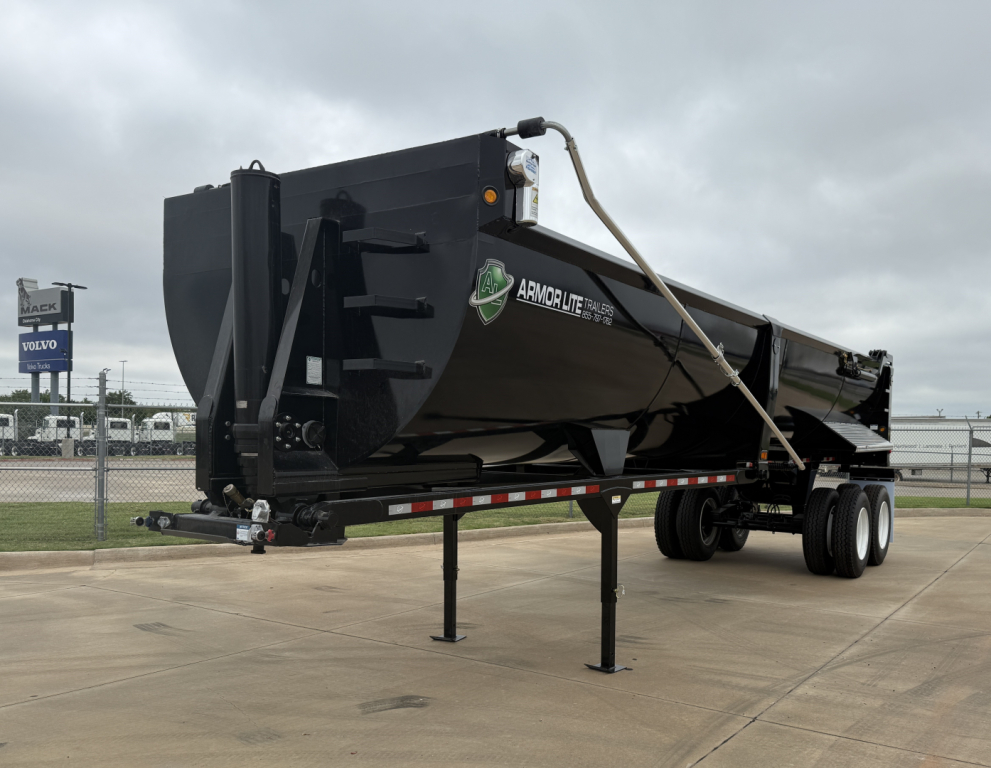
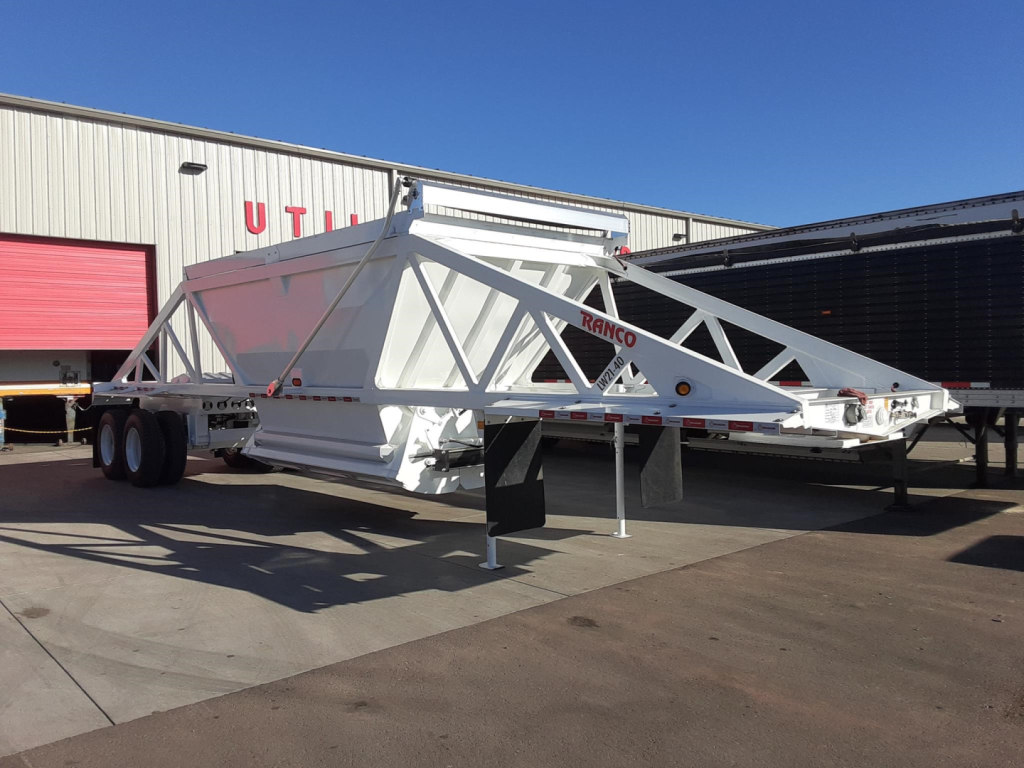
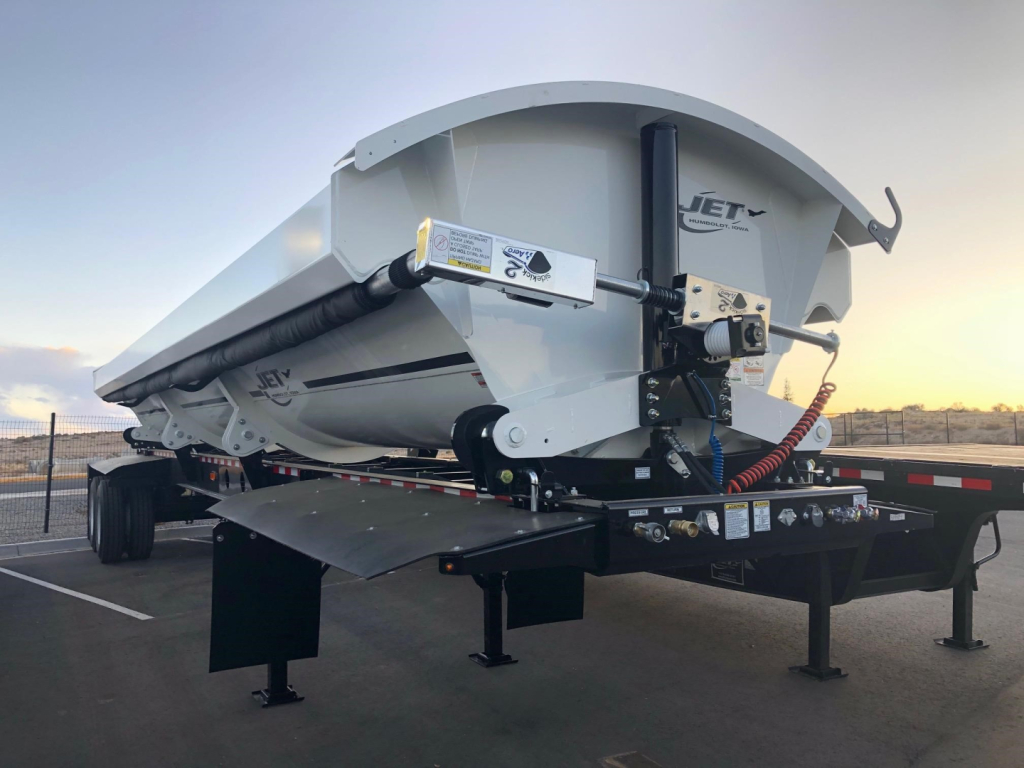
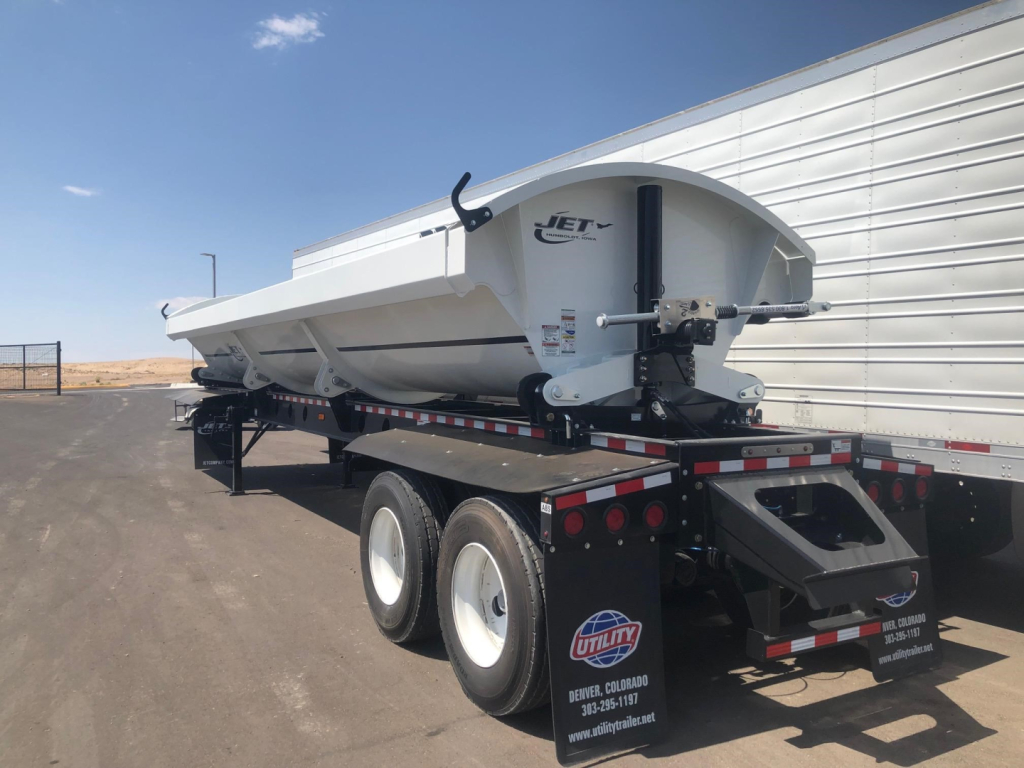
Browse new 2026 dump trailers for sale in New Mexico, including bottom dump and side dump models with air ride, tarp systems, and heavy-duty tubs.
Selling a new 2026 dump trailer? List your new 2026 dump trailer for sale and reach thousands of commercial buyers.
New 2026 Dump Trailers in New Mexico
Tub construction and suspension are two of the biggest spec decisions. Many newer dump trailers use AR400 or other abrasion-resistant steel in the tub to handle rock, sand, and recycled material with less wear. Self-shedding top rails, reinforced corners, high-lift gates, windrow deflectors, push blocks, and fender packages are common details that improve day-to-day use. On the suspension side, air ride is popular for highway stability, load protection, and compatibility with fleet tractor specs, while single-point or other heavy-duty suspension setups still appeal in severe-service applications. Buyers in New Mexico often pay close attention to tire size, wheel type, closed tandem layouts, and overall trailer length because those details affect bridge compliance, maneuverability on job sites, and service life on mixed terrain.
Gate and tarp systems matter more than many first-time buyers expect. Bottom dump trailers may be equipped with pin setting gate limiters, versa valves, or 2-way and 6-way valve arrangements depending on how precisely material needs to be metered. Side dump trailers often pair rollover tarp systems with lockout kits for safer operation and cleaner transport. Electric flip tarps are common on new units because they speed up loading and reduce manual handling. If the trailer will haul wet clay, caliche, or material that tends to bridge, look closely at tub shape, slope design, and discharge geometry. If it will spend most of its life in road work, asphalt support, or aggregate spreading, focus on consistency of gate operation, dump cycle smoothness, and ease of cleaning after each load.
A buyer comparing new dump trailers should also look beyond advertised capacity. Cubic yard ratings can be misleading if the material is dense enough to hit weight limits before volume limits. Check tub length, side height or board height, liner material if equipped, hydraulic layout, gate controls, and any included features such as LED lighting, aluminum diamond-plate fenders, air tanks, quick release valves, and chip-resistant tires. For fleets, standardization across valve controls, tarp systems, tire size, and suspension can simplify training and parts stocking. For owner-operators, resale value usually follows durable tub construction, clean hydraulic routing, and a spec that matches local hauling work in New Mexico rather than a trailer built for a completely different region or commodity.
Frequently Asked Questions about New 2026 Dump Trailers in New Mexico
What is the difference between a bottom dump trailer and a side dump trailer?
A bottom dump trailer releases material through gates underneath the tub, which makes it ideal for laying windrows and controlled spreading in road construction and aggregate work. A side dump trailer unloads to one side of the trailer tub, which gives it a stability advantage on many uneven job sites and allows fast unloading of rock, dirt, and demolition material. The better choice depends on the material, the dump area, and whether you need precision placement or safer unloading in rough conditions.
What tub material is best for a new dump trailer?
For most heavy-duty applications, abrasion-resistant steel such as AR400 is a strong choice because it stands up well to sand, gravel, crushed rock, and other high-wear materials. Hardox and similar wear-resistant steels are also common in premium dump bodies. Buyers hauling lighter or less abrasive products may prioritize payload and tare weight, but for severe service in construction and aggregate hauling, tub durability usually has a direct effect on repair cost and trailer life.
Is air ride a good suspension choice for dump trailers?
Air ride is a common and practical choice for dump trailers that spend significant time on the highway or need better ride quality and load stability. It can reduce shock transfer to the trailer and is often preferred in mixed on-road and job site service. In harsher off-road environments or severe-duty hauling, some buyers still prefer heavy-duty mechanical or single-point suspension designs because of their simplicity and ruggedness. The right suspension depends on haul distance, road conditions, and maintenance preference.
How should I compare dump trailer capacity?
Start with legal payload, not just cubic yard capacity. A trailer may be rated for a high volume of material, but dense commodities like sand, aggregate, or millings will often reach gross weight limits before the tub is full. Compare overall length, tub dimensions, gate design, axle configuration, and trailer tare weight along with the published cubic yard figure. That approach gives a more realistic picture of what the trailer can haul profitably and legally.
What features are most useful on a new dump trailer in New Mexico?
In New Mexico, buyers often value durable steel tubs, reliable tarp systems, LED lighting, chip-resistant tires, and suspension setups that can handle both pavement and rough job access roads. Windrow deflectors, push blocks, high-lift gates, and reinforced tub corners are also useful depending on the work. Regional conditions such as dust, heat, and mixed terrain make ease of maintenance, dependable hydraulics, and strong wear components especially important.