
New 2026 Dump Trailers For Sale
Shop new 2026 dump trailers including end dumps and side dumps with current specs, capacities, suspension options, and jobsite-ready features.
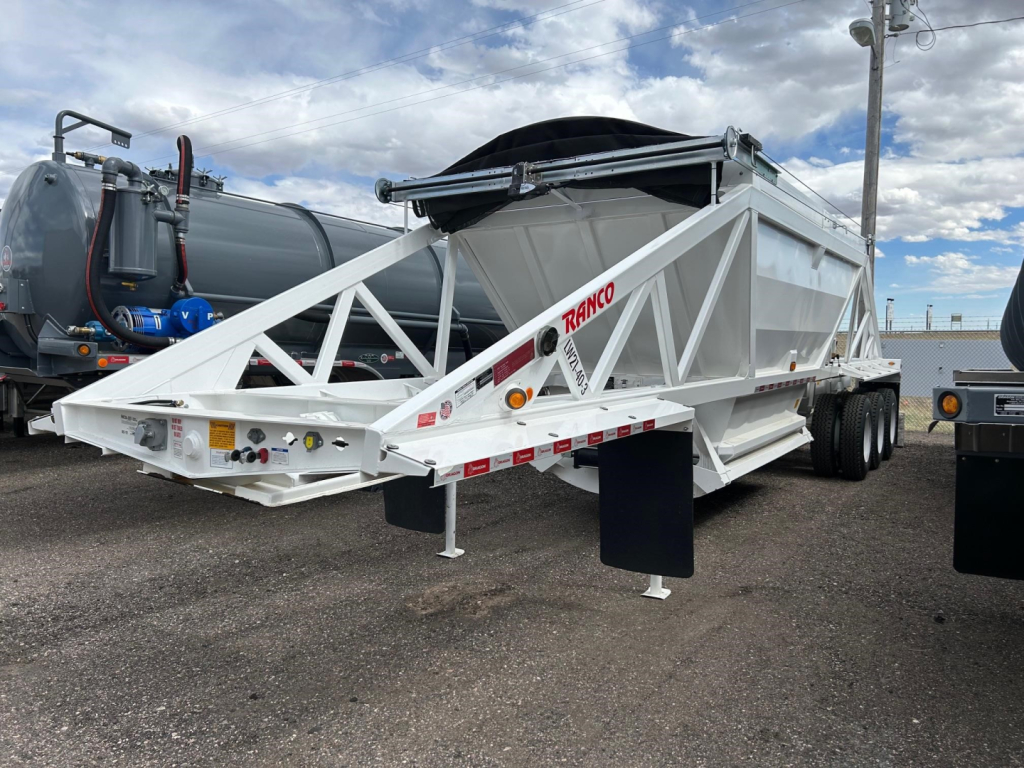
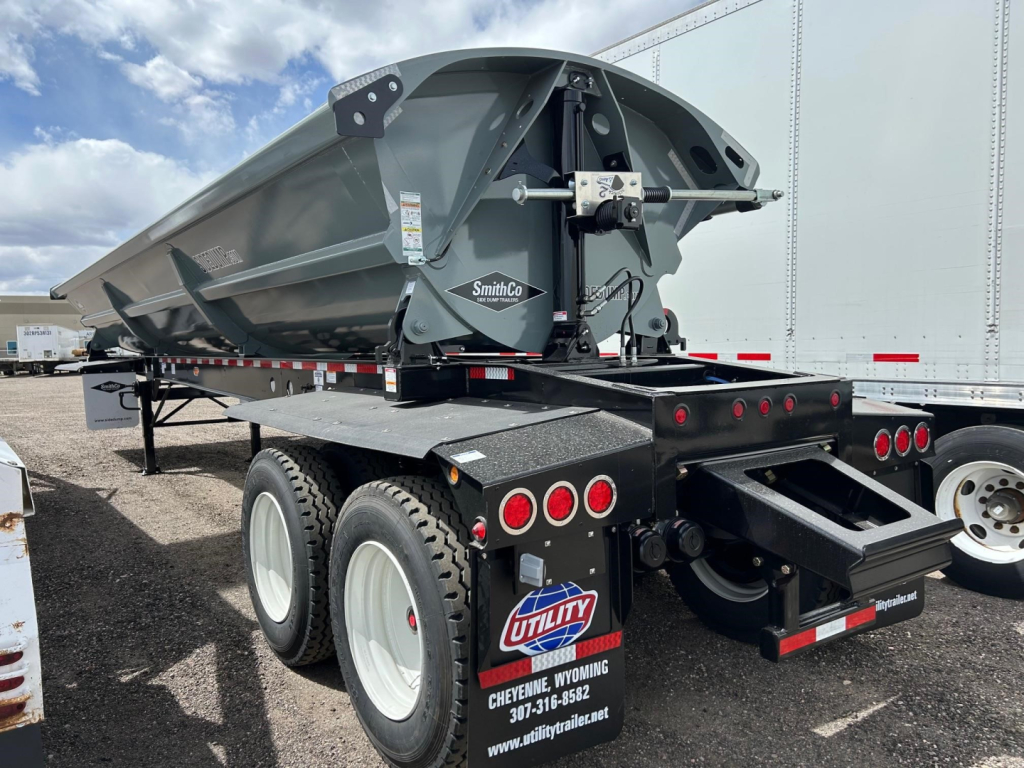
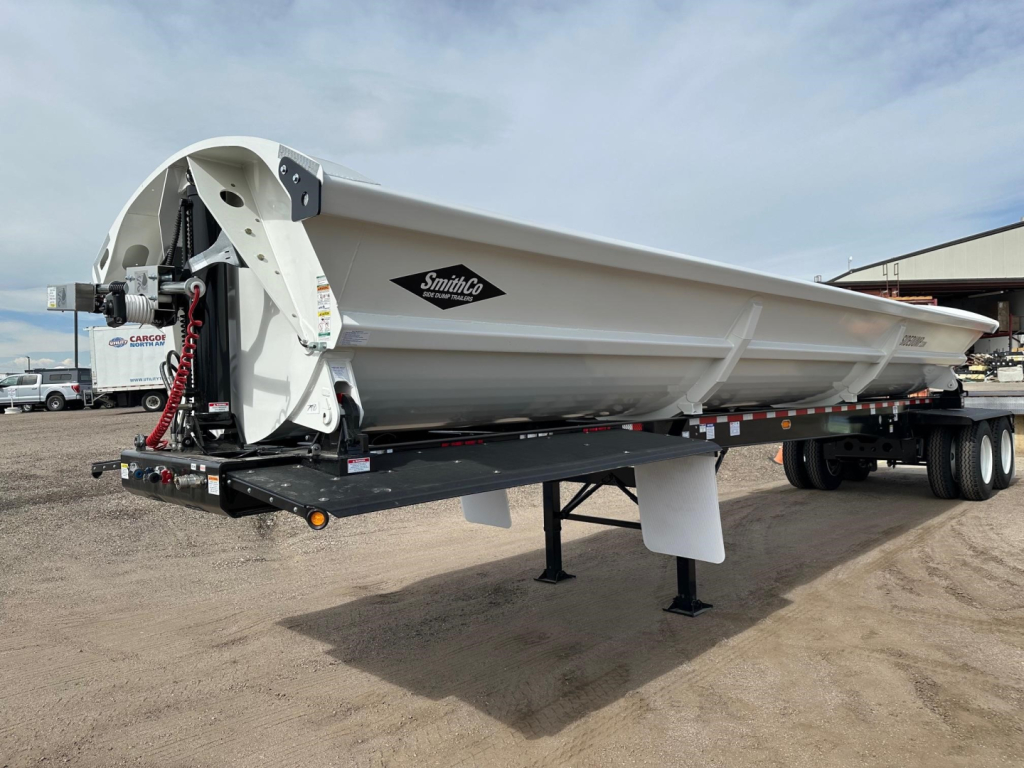
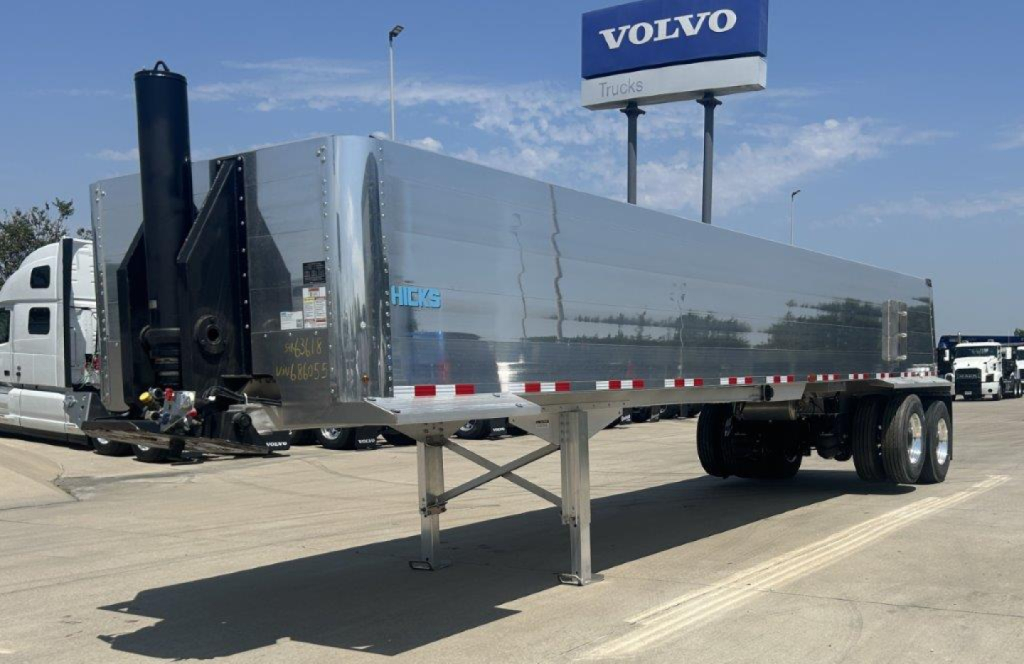
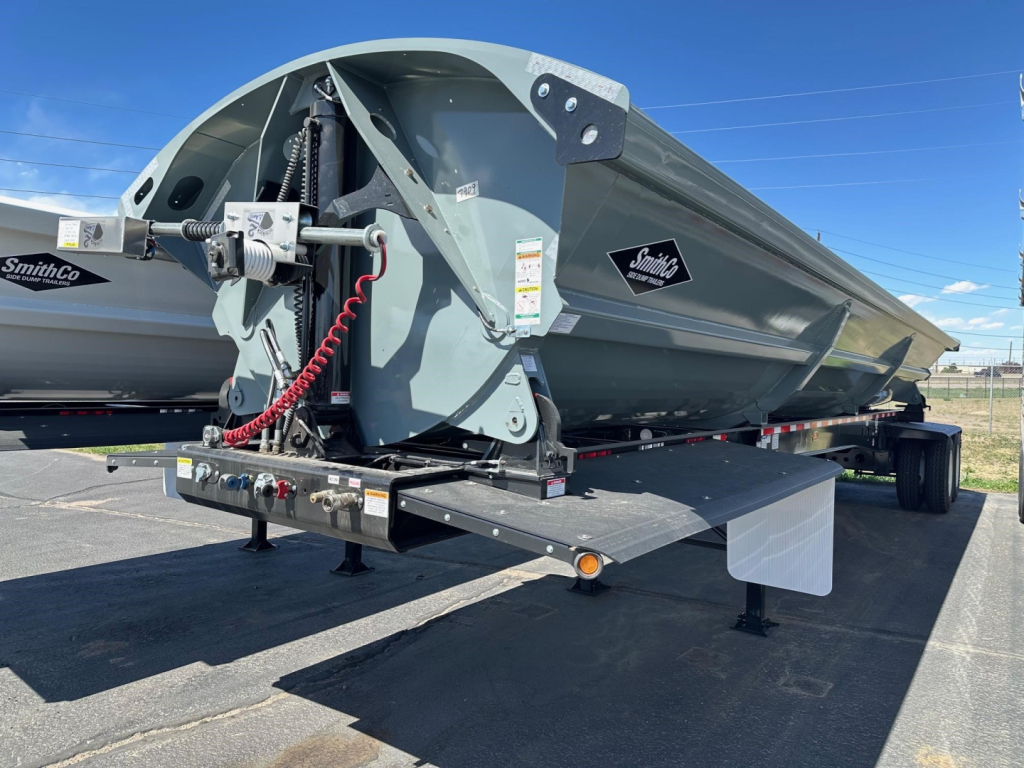
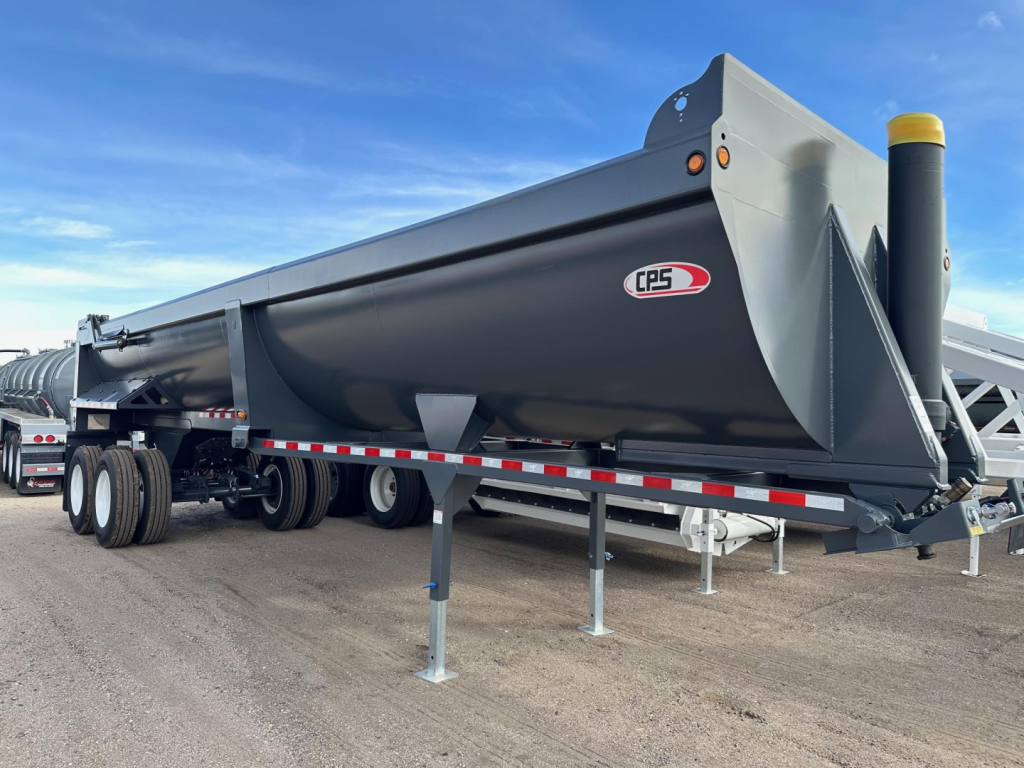
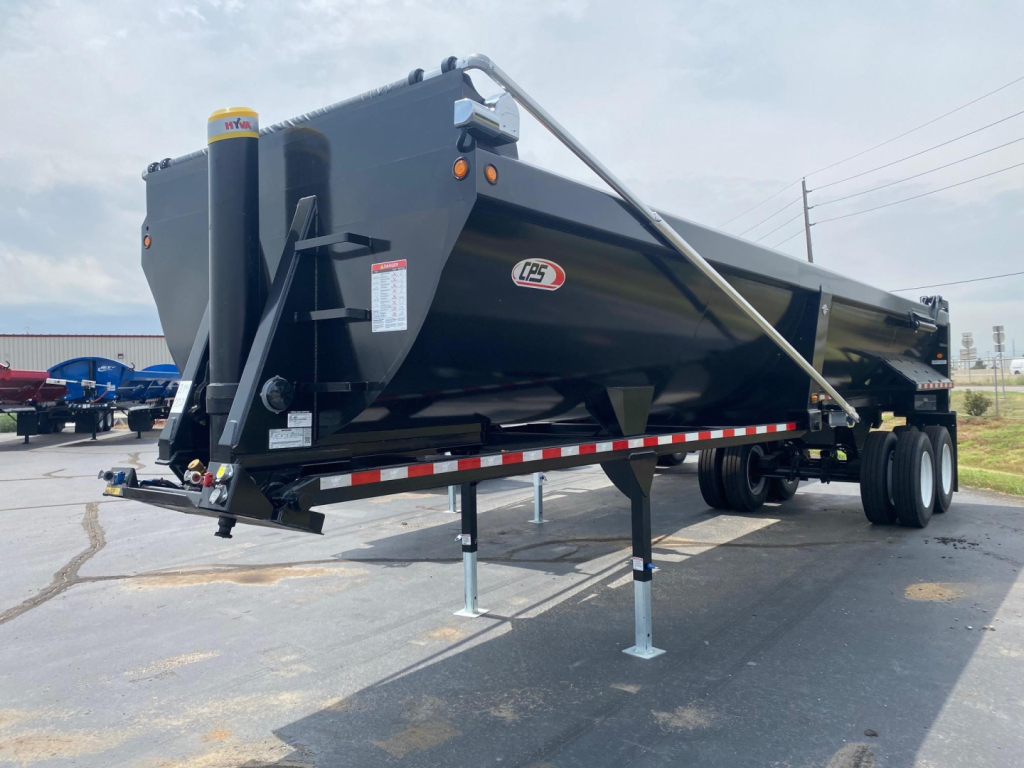
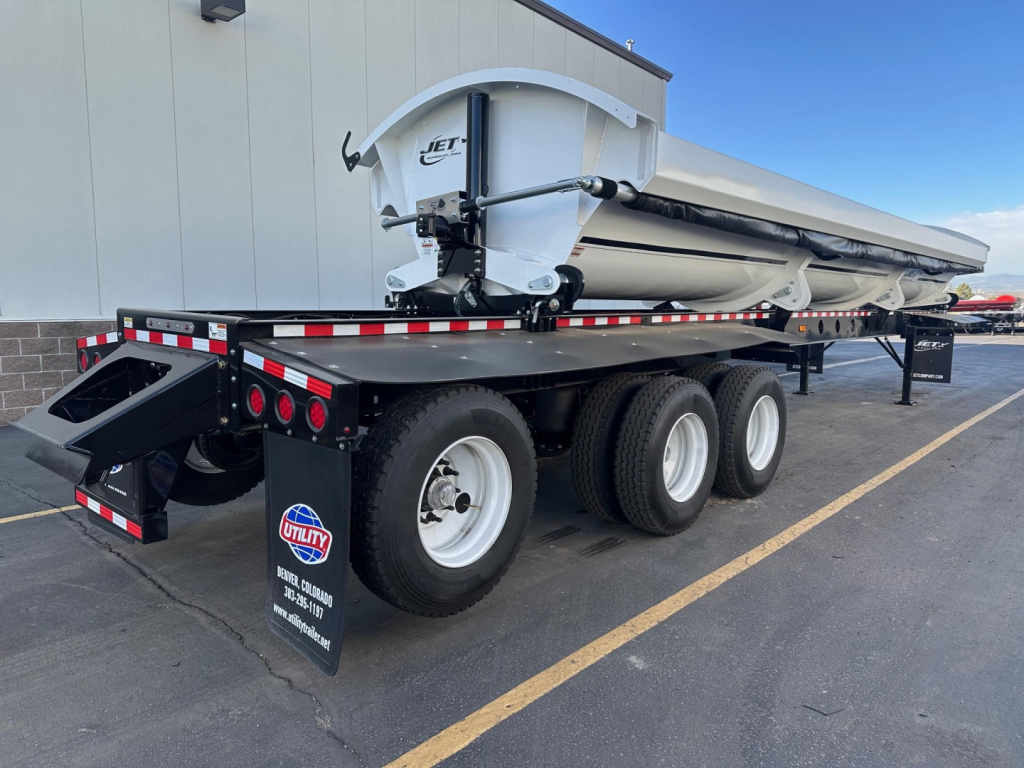
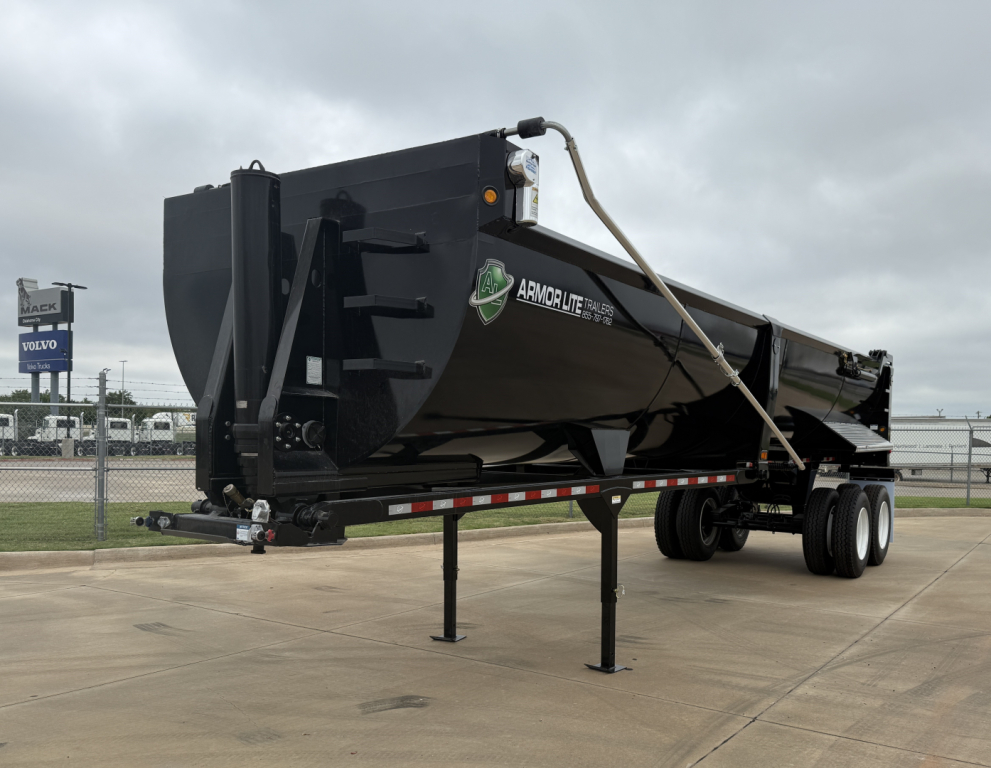
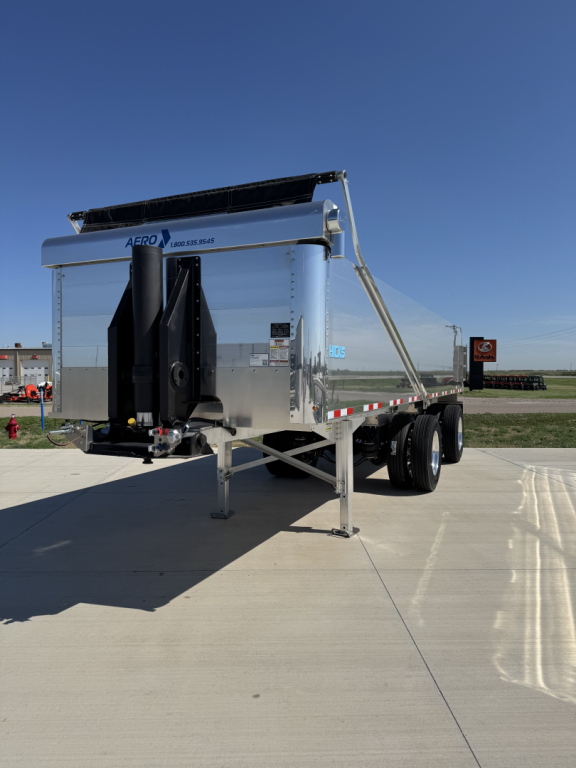
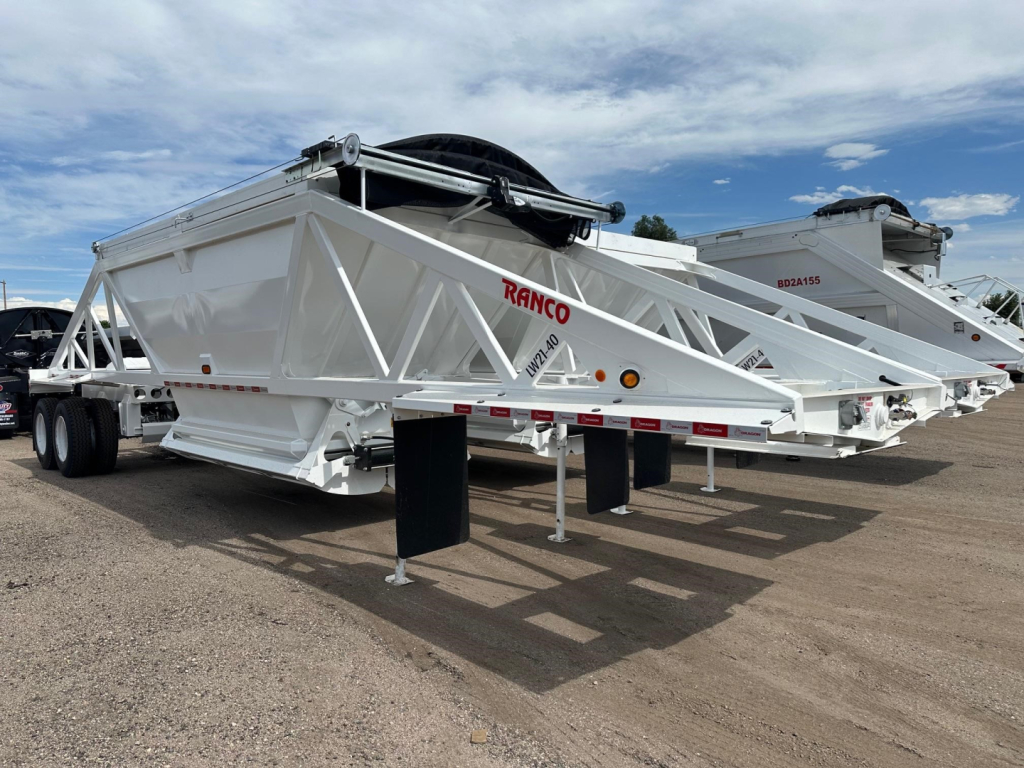
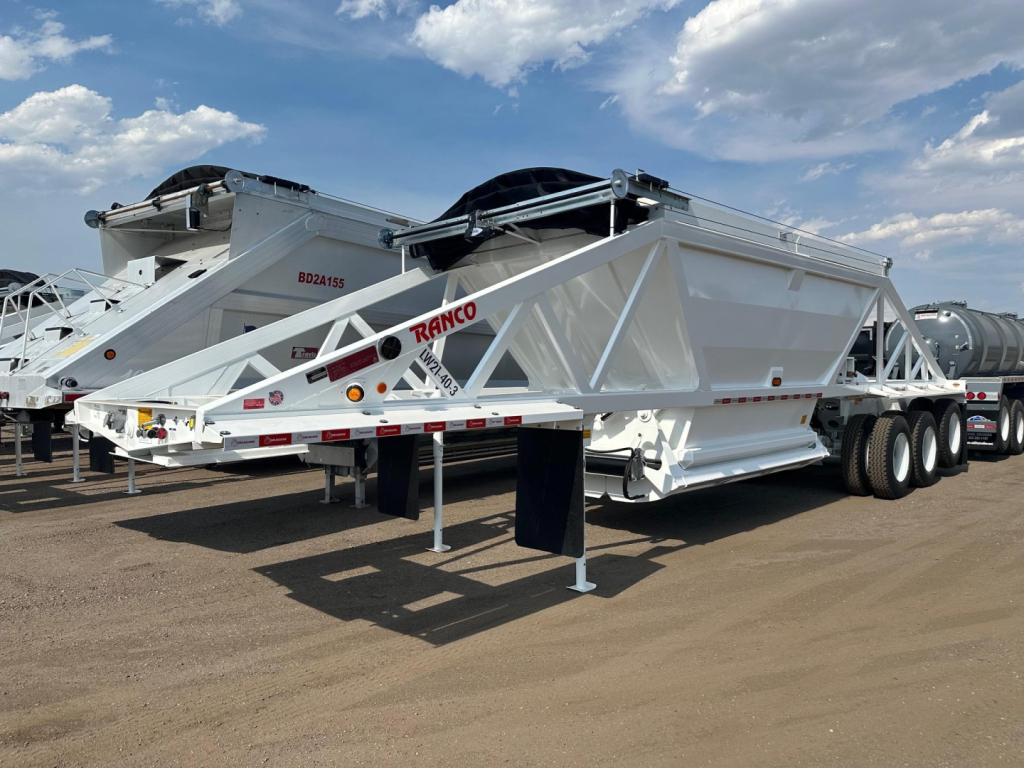
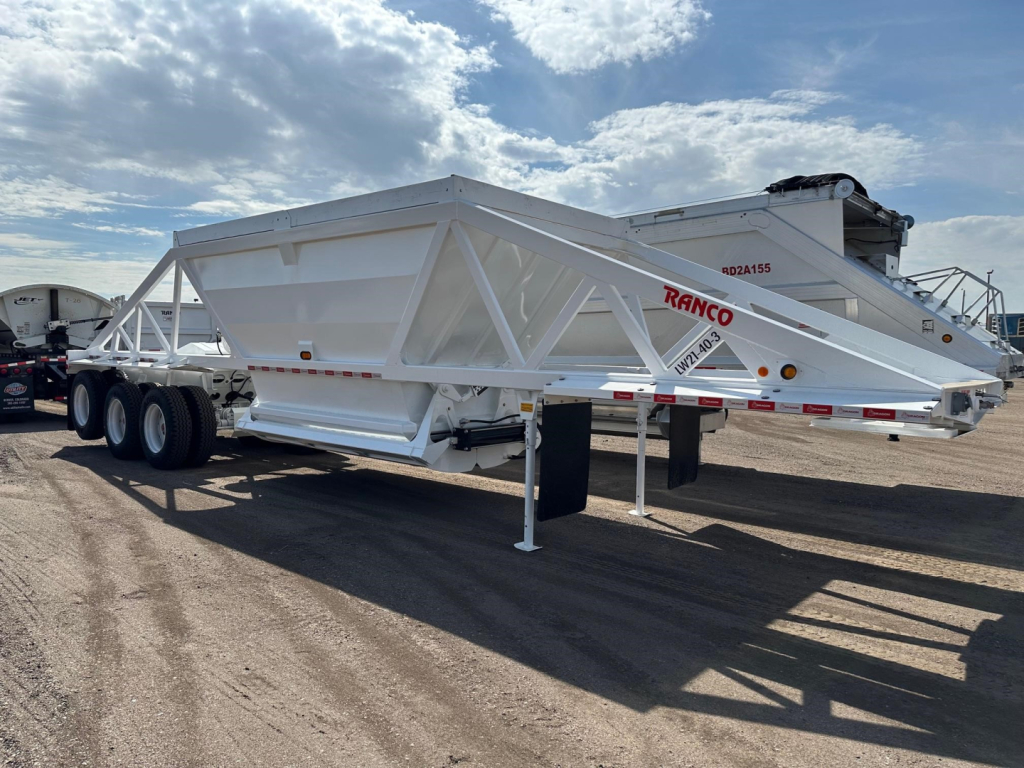
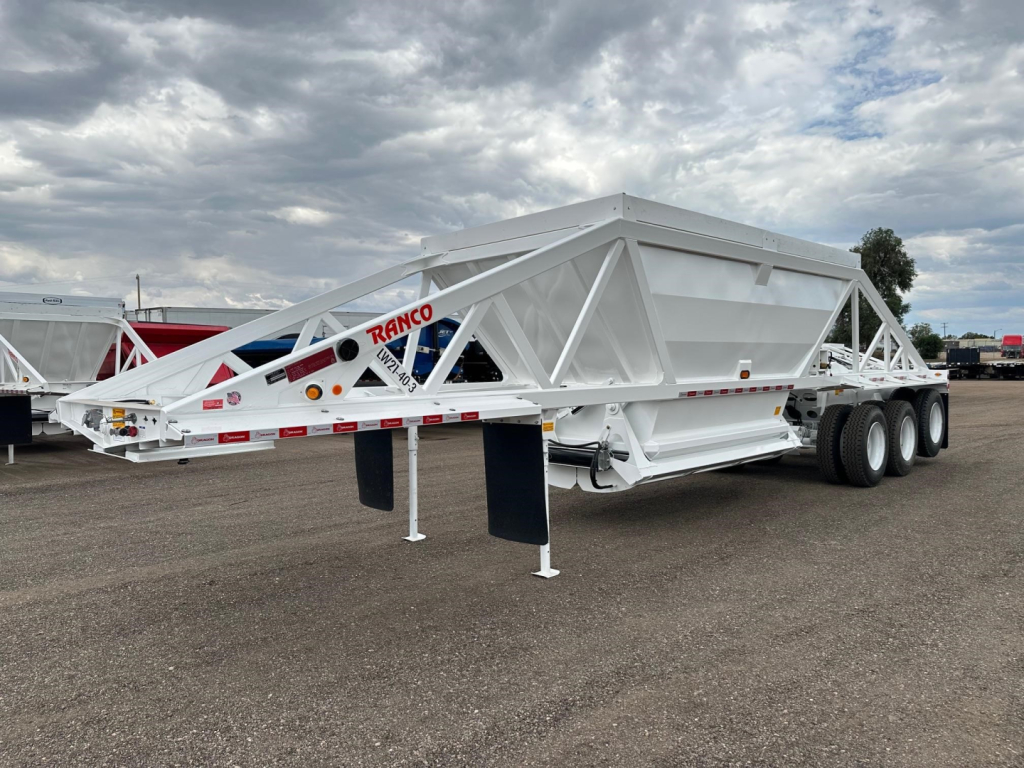
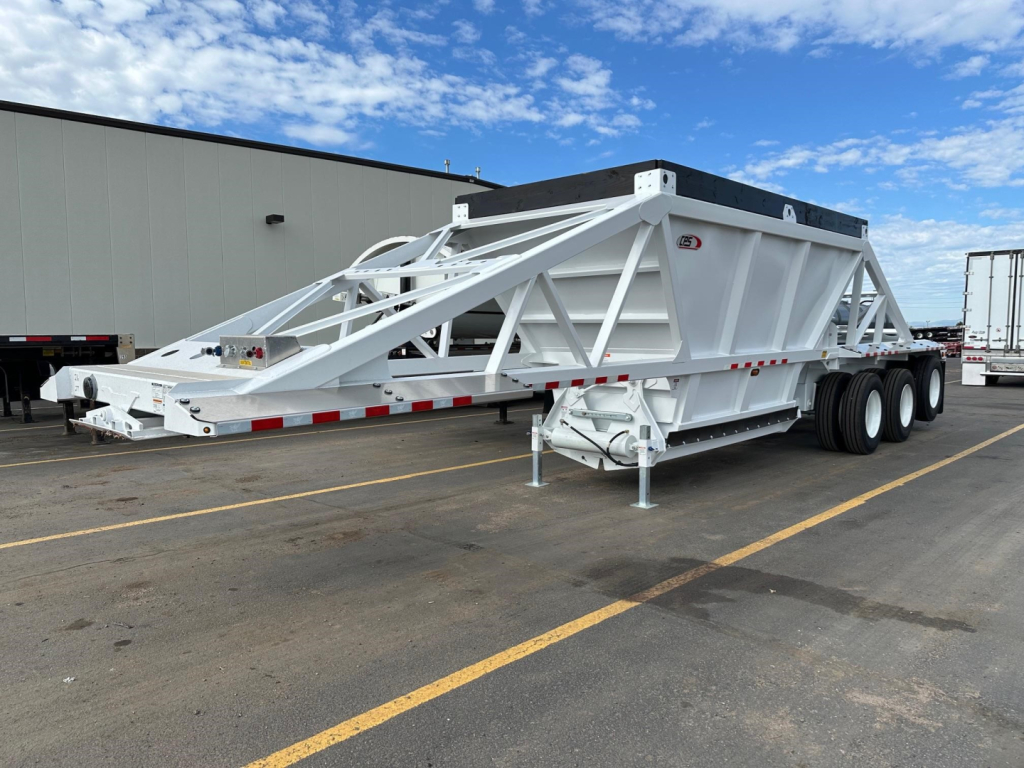
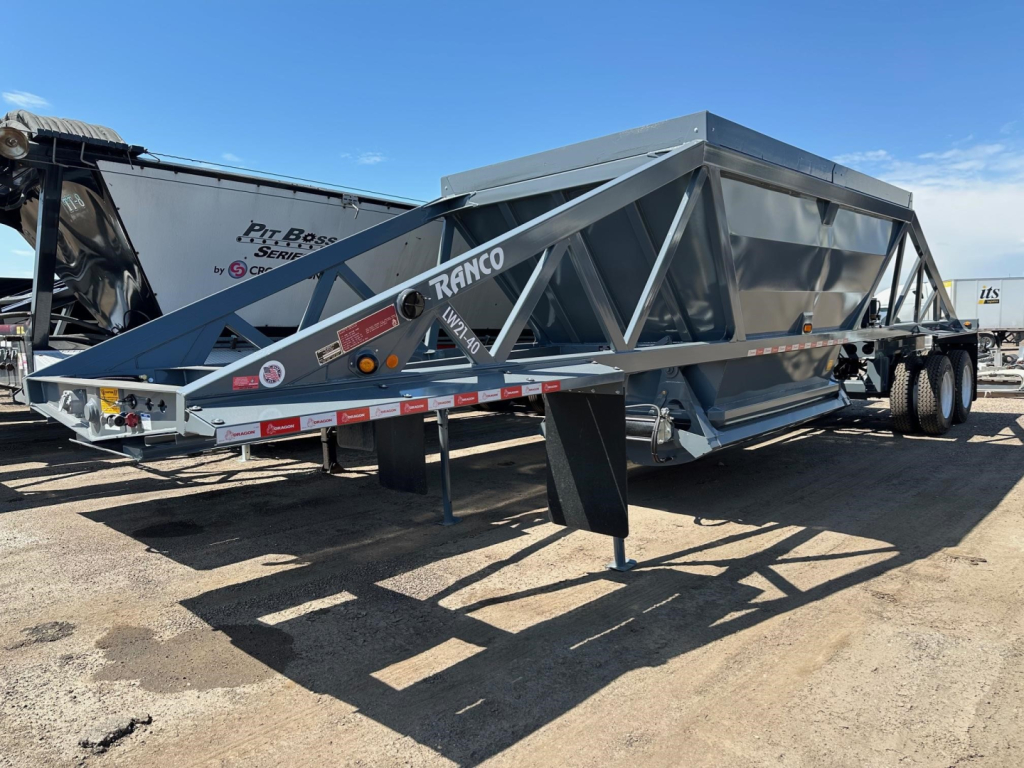
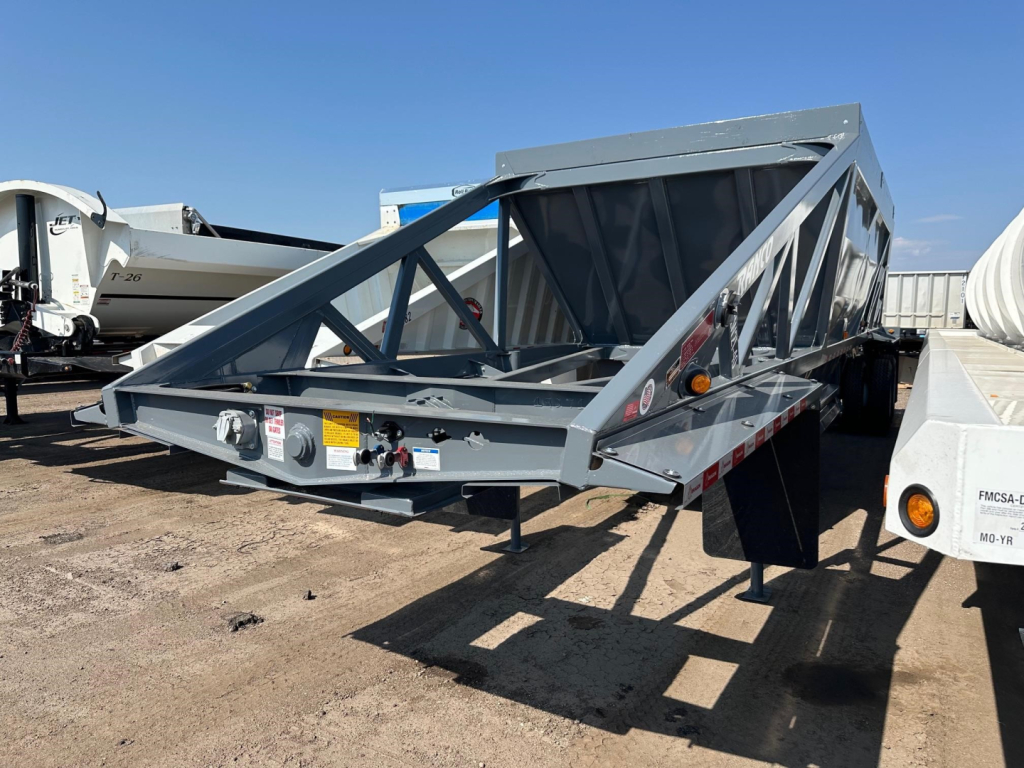
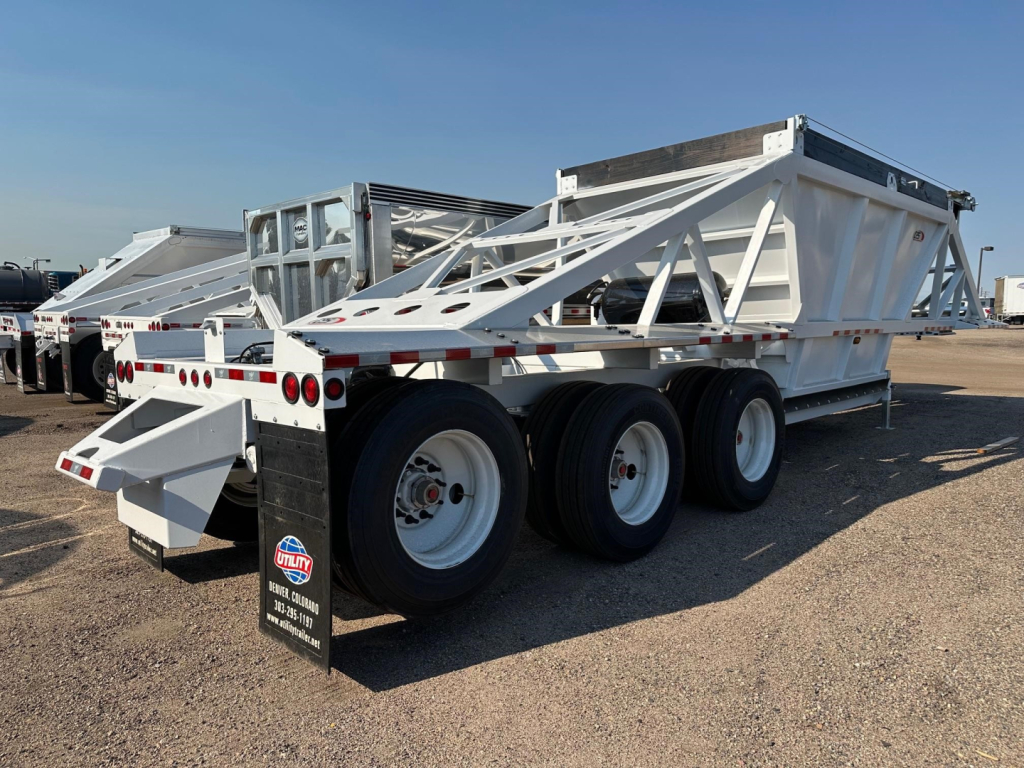
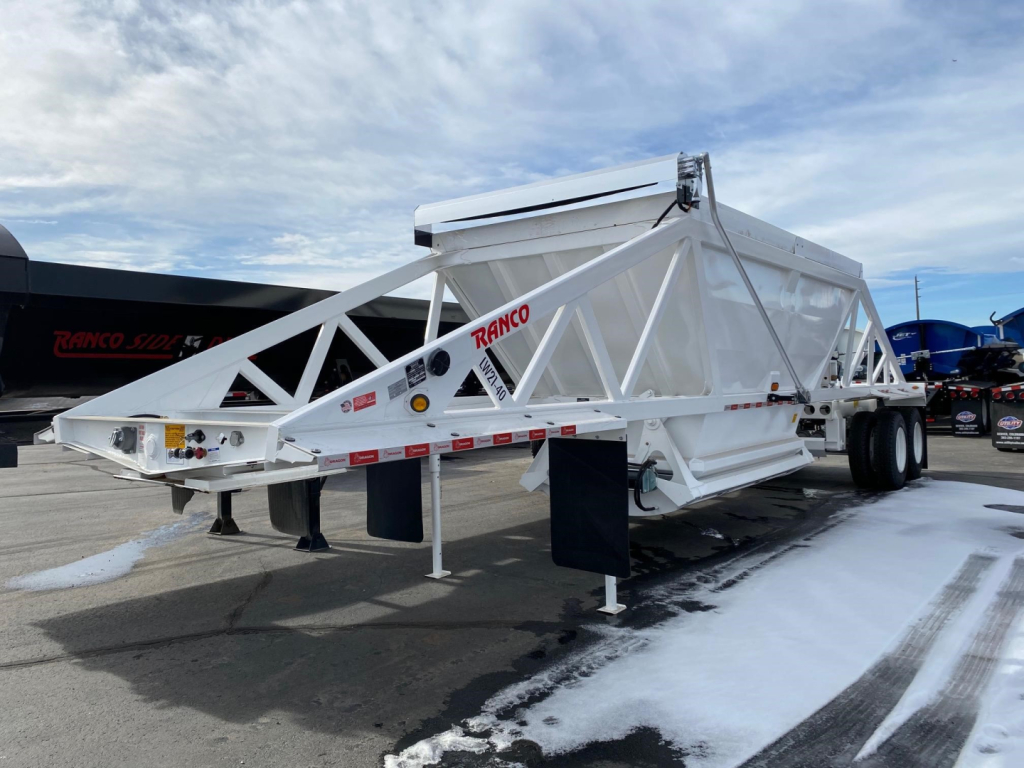
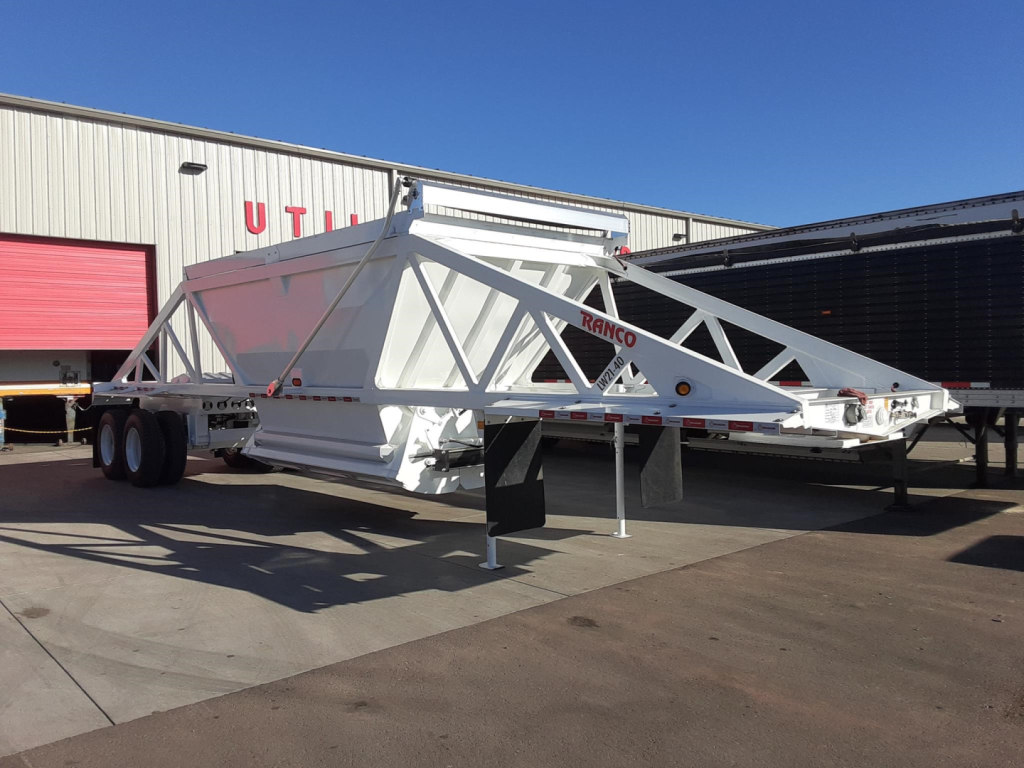
Showing 1 to 28 of 66 results
Selling a new 2026 dump trailer? List your new 2026 dump trailer for sale and reach thousands of commercial buyers.
New 2026 Dump Trailers
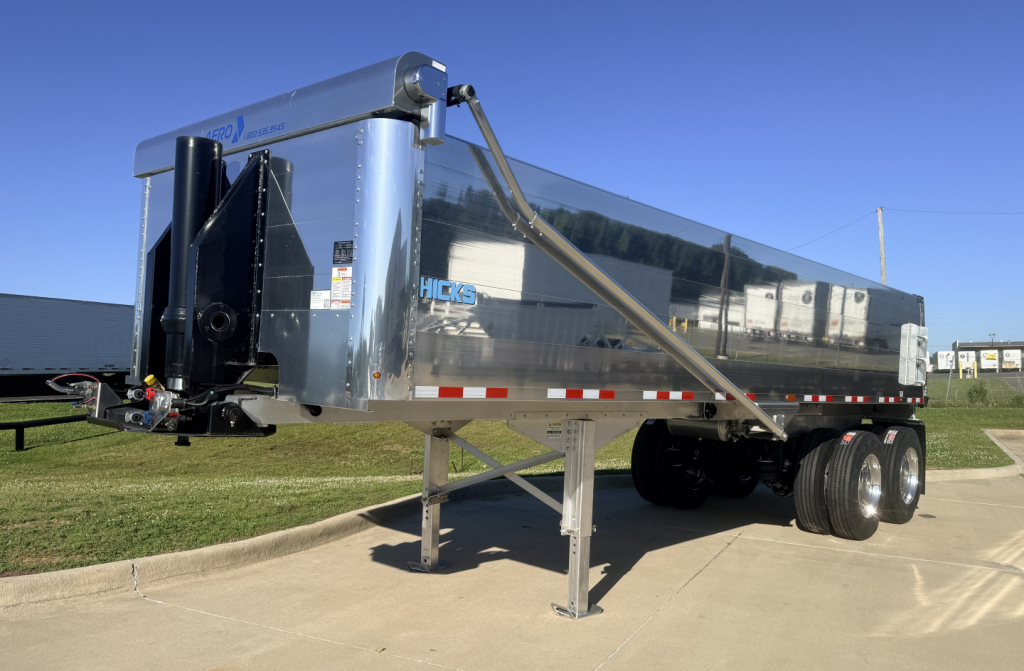
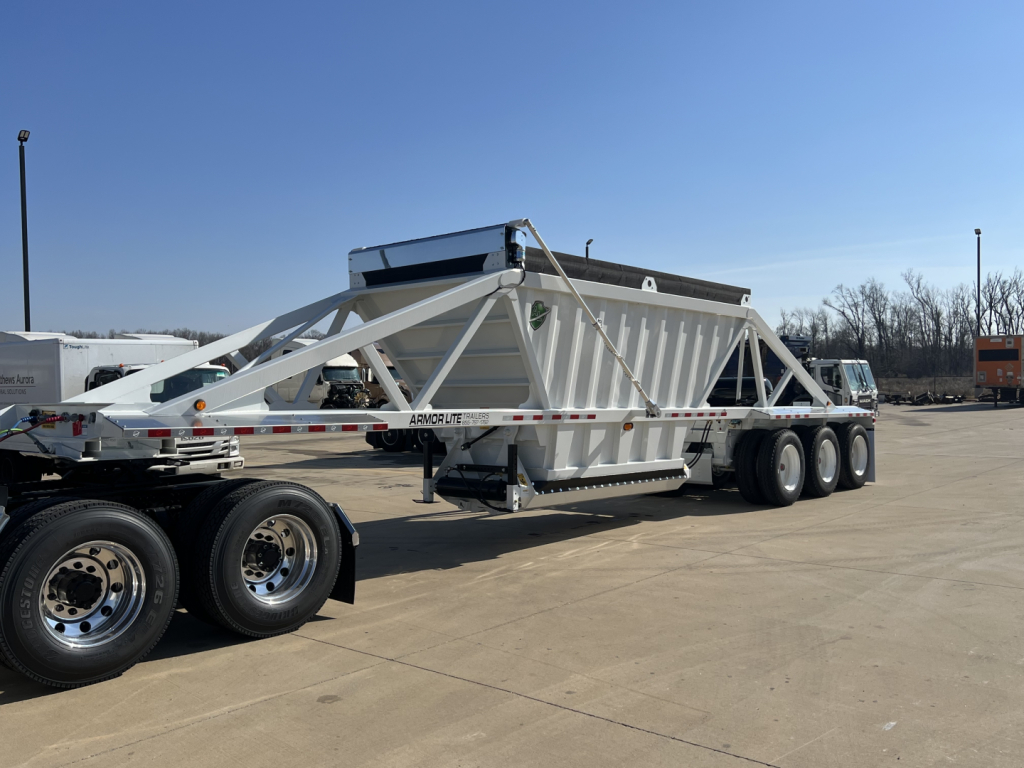
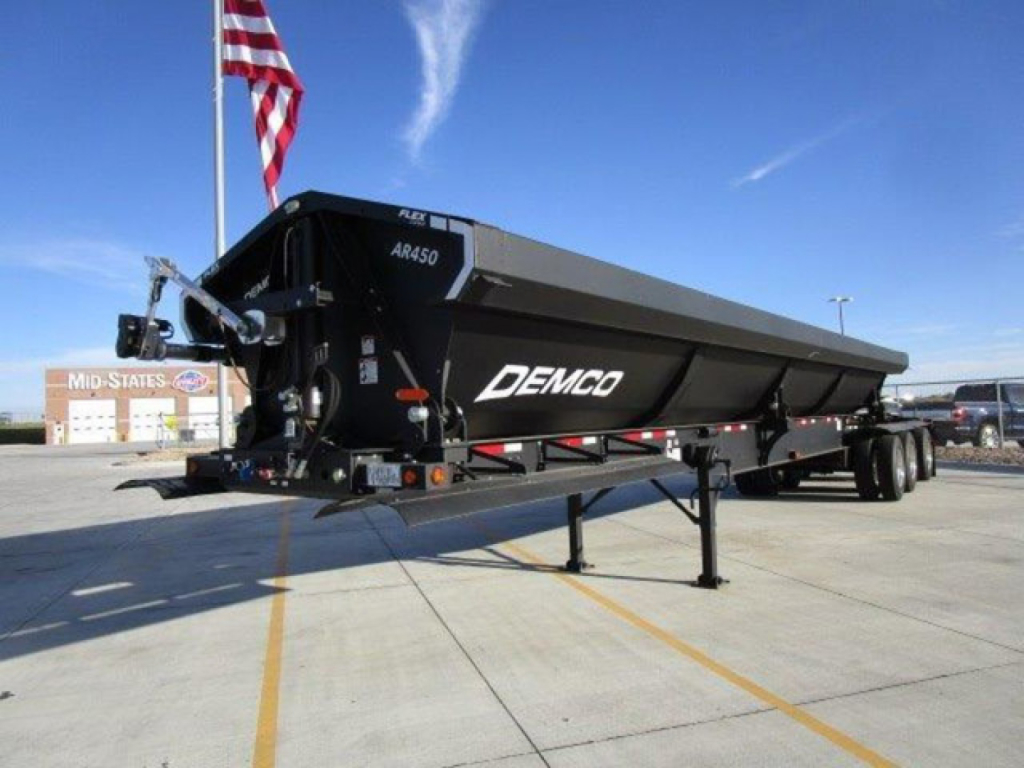
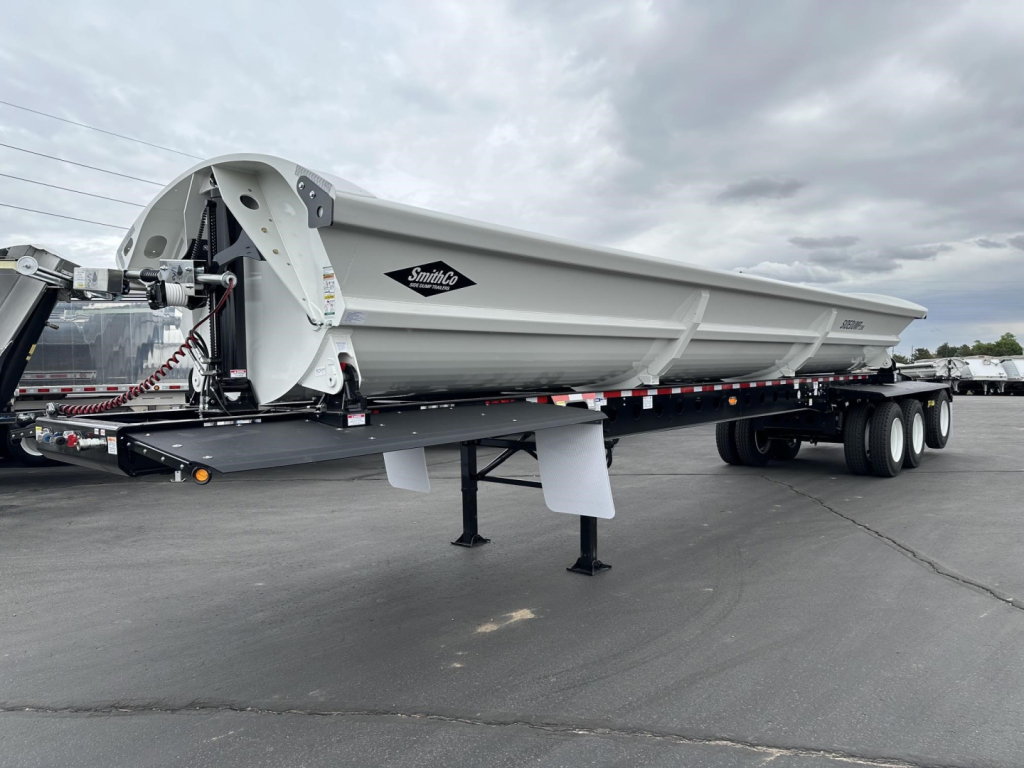
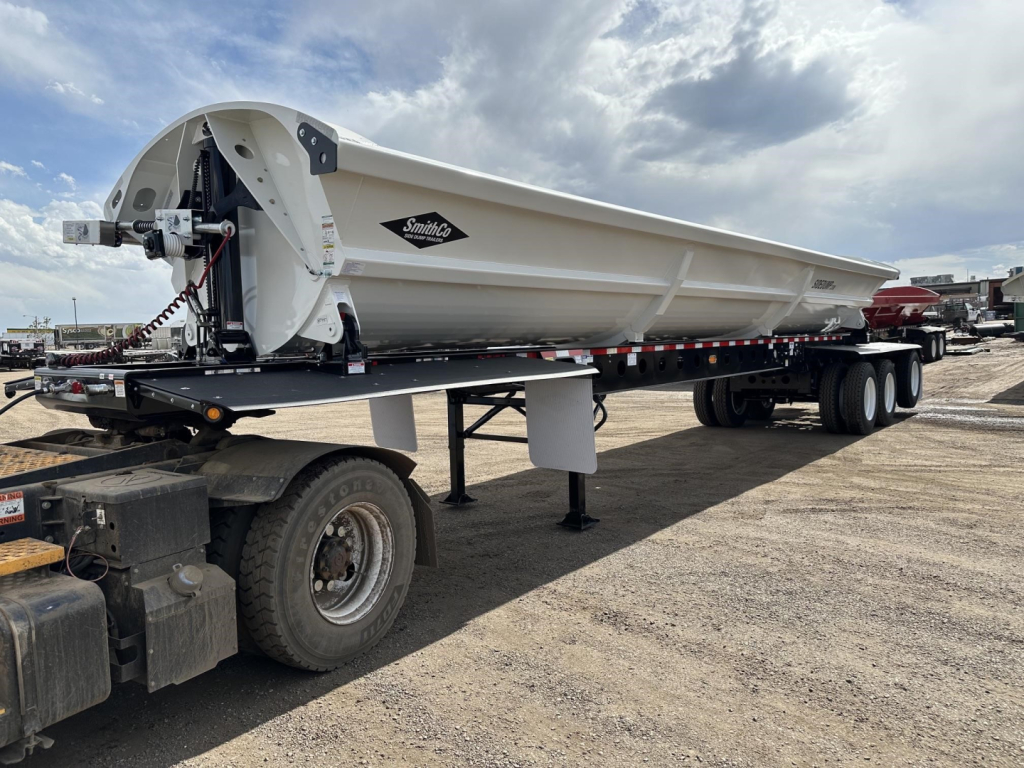
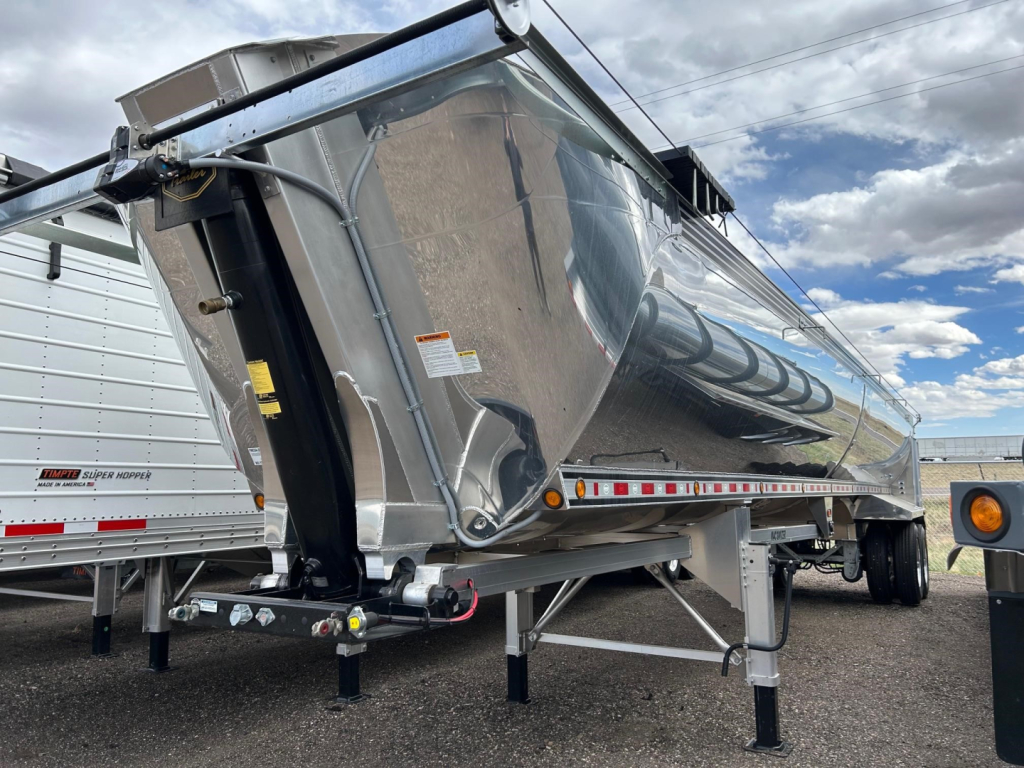
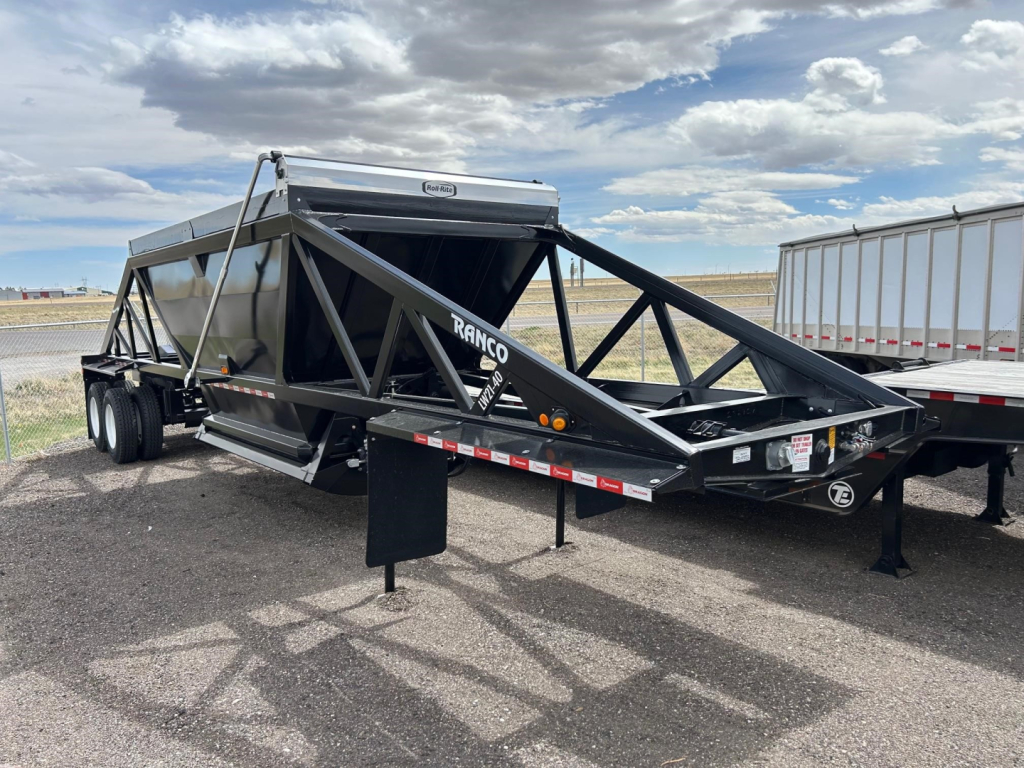
Body construction matters more than the paint color or trim package. Many new dump trailers in this class use abrasion-resistant steel such as AR400 in the tub, often in 1/4-inch material for rock, demolition debris, and other abrasive loads. Side dump designs may include round-bottom tubs, multiple pivot points per side, and inverted or trunnion-mounted cylinders to improve dump control and reduce frame stress. On end dumps, pay attention to sidewall height, slope sheets, hoist design, floor thickness, and crossmember spacing. Capacity is usually driven by tub length, side height, and legal axle layout, so a 40-foot trailer can be set up very differently depending on whether the target is aggregate, asphalt, scrap, or lighter bulk material.
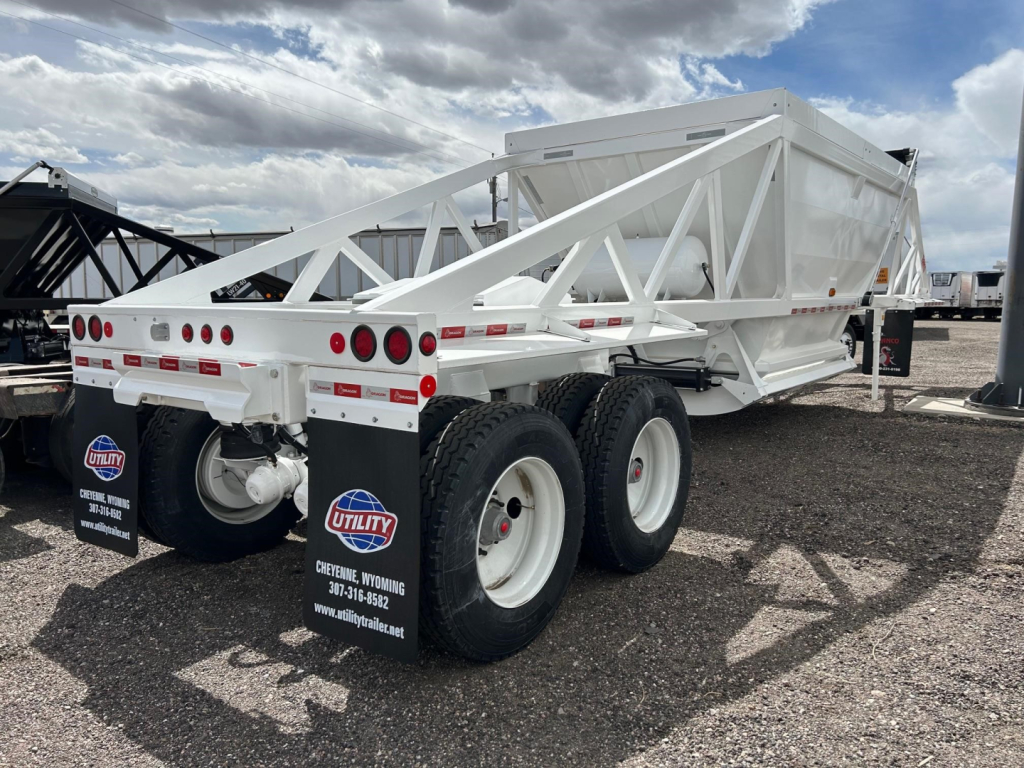
Suspension, axle spacing, and tire package should match both the route and the payload. Air ride is popular for higher-road-speed work and improved ride quality, while spring ride still appeals to fleets that want simplicity and durability in severe service. Tandem axles can be lighter and easier to maneuver, while tri-axle dump trailers help distribute weight and improve legal payload in the right states and applications. Common wheel and tire setups include 22.5-inch rubber with steel or aluminum wheels. Buyers should also look closely at kingpin setting, push block configuration, fender coverage, brake spec, air tank capacity, and tarp system details, because those features affect compatibility with the tractor and day-to-day jobsite efficiency.
A good 2026 dump trailer spec is the one that fits the material, the haul distance, and the terrain. Rock and riprap work generally call for heavier tub construction and reinforced corners. Asphalt and paving operations may prioritize smooth unloading, tarp performance, and weight control. Agricultural and lighter bulk applications may focus more on cubic capacity than brute durability. If the trailer will spend time off-road, stability during unloading and ground clearance deserve extra attention. If it will stay mostly on the highway, empty weight, suspension choice, and tire wear tend to matter more. The best comparison between listings is not just price or brand, but how the trailer is built for the exact duty cycle.
Frequently Asked Questions about New 2026 Dump Trailers
What is the difference between a side dump trailer and an end dump trailer?
A side dump trailer unloads by rolling the tub to the left or right side, which keeps the center of gravity lower during the dump cycle and improves stability on uneven jobsites. An end dump trailer raises the front of the body to discharge material out the rear, which is a proven design for bulk hauling but requires more overhead clearance and firmer ground during unloading. Side dumps are often favored in construction and aggregate work where speed and stability matter, while end dumps are commonly selected for higher-volume bulk material hauling.
What tub material is best for a dump trailer hauling rock or abrasive material?
For rock, demolition debris, and other abrasive loads, abrasion-resistant steel such as AR400 is a common choice because it resists wear better than standard mild steel. Buyers should consider not only the material grade but also floor and side thickness, corner reinforcement, and overall tub design. A thicker, reinforced steel tub usually adds weight, but it can reduce long-term repair costs in severe-duty applications.
Should I choose air ride or spring ride on a new dump trailer?
Air ride suspension is popular because it generally offers a smoother ride, can be easier on the trailer structure over highway miles, and is often preferred for mixed on-road hauling. Spring ride remains a strong option for operators who want a simpler setup with fewer components and proven durability in rough service. The right choice depends on terrain, road speed, maintenance preference, and how often the trailer runs loaded versus empty.
Is a tandem axle or tri-axle dump trailer better?
A tandem axle dump trailer can be lighter, more maneuverable, and well suited for operations where legal payload limits or tight jobsites make a simpler axle layout attractive. A tri-axle dump trailer can improve weight distribution and may allow more legal payload depending on state bridge laws and axle spacing. The better setup depends on local regulations, the density of the material being hauled, and the type of tractor paired with the trailer.
What features should I check first on a new 2026 dump trailer listing?
Start with dump style, body length, tub material, axle count, suspension type, and cubic yard capacity because those factors determine whether the trailer fits the intended work. After that, review tarp system, hoist or cylinder design, kingpin setting, tire size, wheel type, brake setup, push block, lighting, and fender configuration. Those details affect daily usability, tractor compatibility, maintenance costs, and unloading performance just as much as brand name.