
New 2026 Dura Haul Dump Trailers For Sale
Shop new 2026 Dura Haul dump trailers including bottom dump and frameless end dump models built for aggregate, paving, and rock hauling.
Selling a new 2026 dura haul dump trailer? List your new 2026 dura haul dump trailer for sale and reach thousands of commercial buyers.
New 2026 Dura Haul Dump Trailers
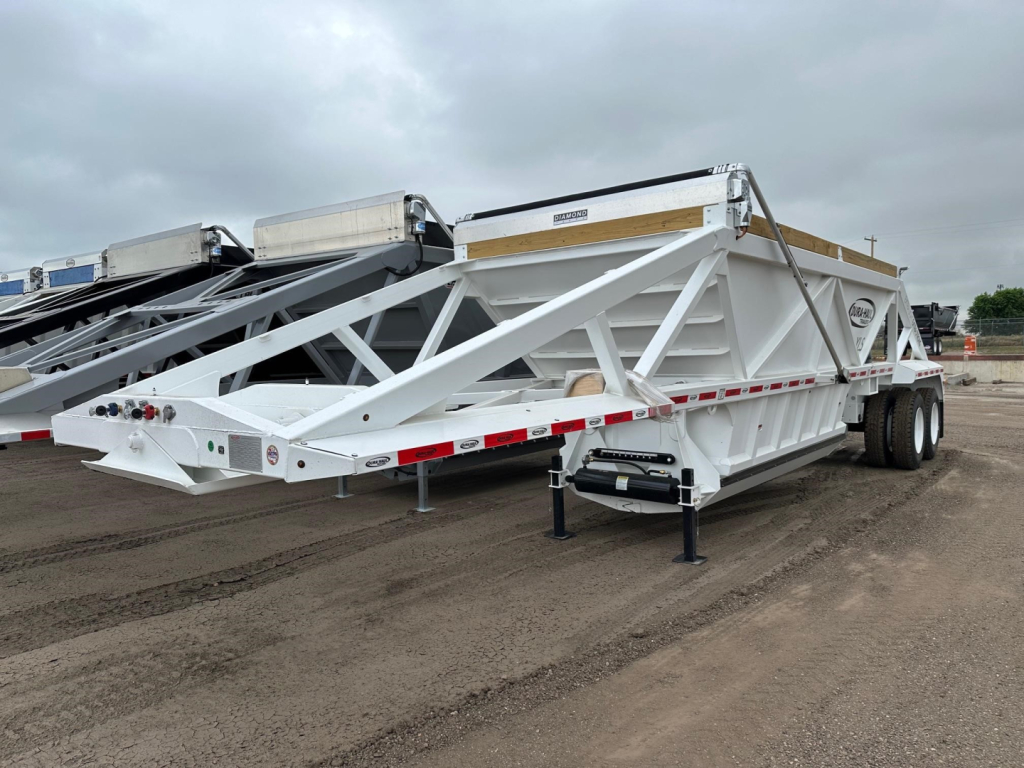
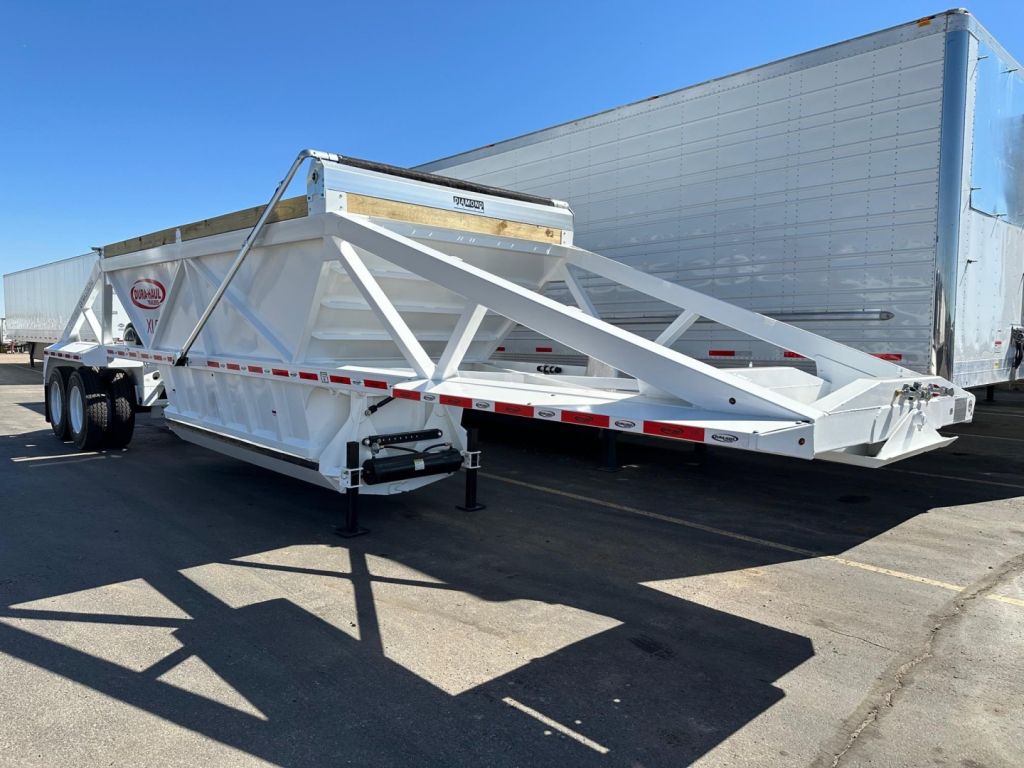
For a buyer comparing specs, the first decision is usually bottom dump versus end dump. A 40-foot bottom dump with a single hopper, gate limiters, windrow deflector, and electric flip tarp is a practical setup for sand, gravel, and asphalt-related work. Air ride suspension is often selected for better load stability and reduced shock transfer, especially on mixed highway and plant routes. Closed tandem axle layouts, 11R24.5 rubber, LED lighting, push blocks, and front and rear fenders are common working specs because they support everyday fleet use and simplify compatibility with standard road tractors.
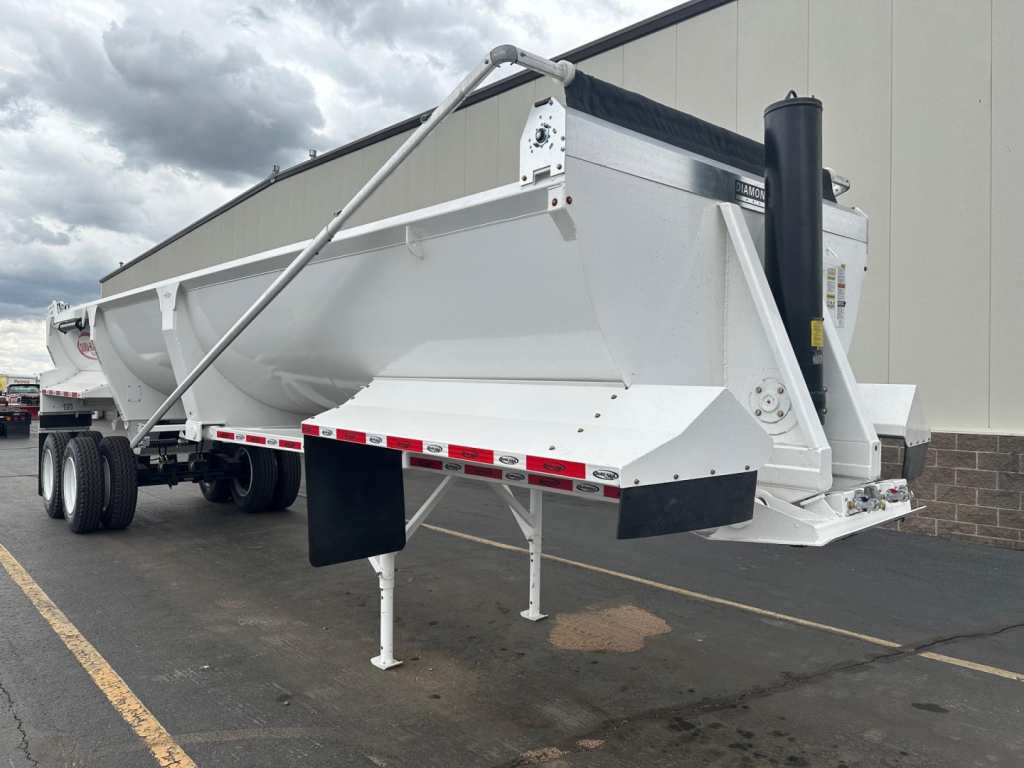
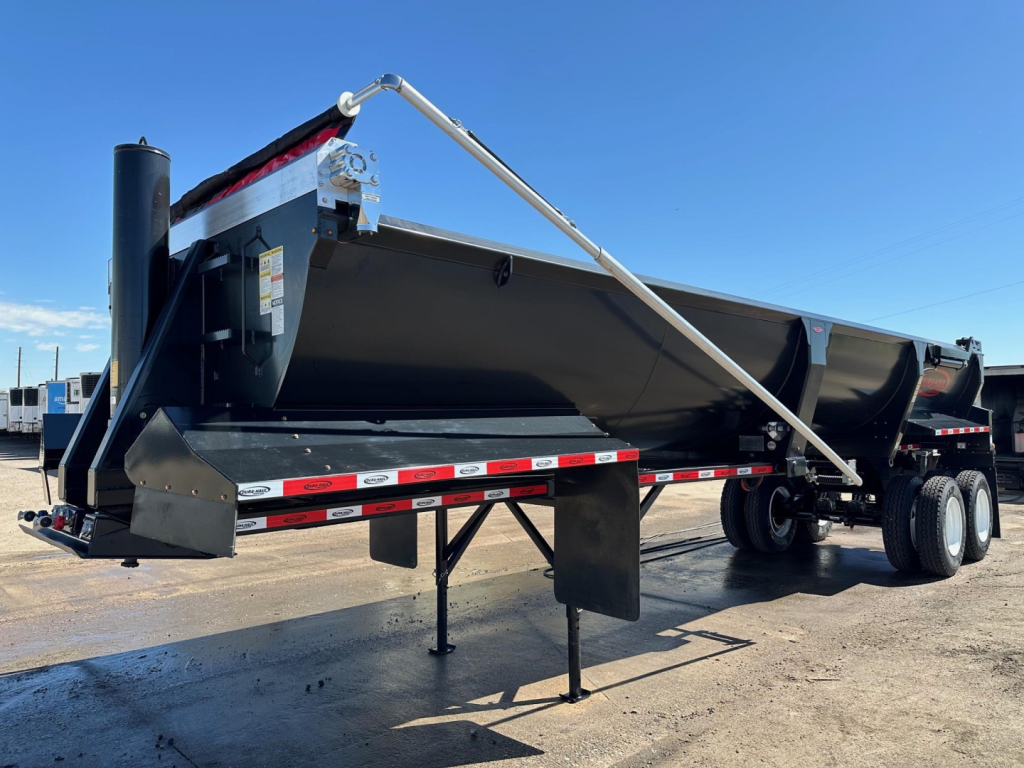
On the end dump side, Dura Haul frameless rock tubs are designed around abrasion resistance and dump performance. A 32-foot half-round tub in AR450 steel is a strong fit for abrasive materials and repeated loading by excavators or wheel loaders. Frameless construction keeps weight down and helps maximize legal payload, but buyers should still match tub material, side height, and gate style to the commodity. A high-lift gate improves discharge for larger rock and broken material, while tarp systems and single-point controls help with faster load securement and simpler operation in the field.
The best Dura Haul dump trailer for sale depends on material density, route conditions, and unloading method. Bottom dumps favor producers and contractors that need precise spreading and high-volume turnaround. Frameless end dumps favor operations that haul blasted rock, riprap, millings, or debris and need a trailer that sheds material cleanly. When comparing listings, pay close attention to tub steel, suspension type, hopper or gate configuration, overall length, tire and wheel package, and any productivity features that affect loading, unloading, and maintenance over the life of the trailer.
Frequently Asked Questions about New 2026 Dura Haul Dump Trailers
What is the difference between a bottom dump trailer and a frameless end dump trailer?
A bottom dump trailer releases material through gates in the bottom of the hopper, which makes it ideal for controlled spreading of aggregate, sand, and similar material while the trailer is moving. A frameless end dump trailer raises the tub to discharge out the rear, which is better for rock, demolition debris, and heavier bulk material that does not need to be metered onto the ground. The right choice depends mainly on how the material must be unloaded and how rough the jobsite conditions are.
What materials are Dura Haul dump trailers commonly used to haul?
Dura Haul dump trailers in this category are commonly used for aggregate, sand, gravel, crushed stone, asphalt millings, riprap, and demolition-related material. Bottom dump models are especially useful for road base, shoulder work, and other spreading applications. Frameless rock tubs are better suited for abrasive, high-impact material because half-round tub designs and AR steel bodies help material flow out while standing up to repeated loading and dumping cycles.
Why does AR450 steel matter in a rock end dump?
AR450 is an abrasion-resistant steel commonly used in dump bodies that see constant contact with rock and other harsh material. In a half-round rock tub, it helps reduce wear from sliding and impact compared with lighter-duty body material. For buyers hauling sharp aggregate or blasted stone, tub material affects long-term durability, repair frequency, and resale value, so it is one of the most important specs to confirm.
Is air ride a good suspension choice for a dump trailer?
Air ride is a popular choice because it improves ride quality, helps protect the trailer from shock loads on the road, and can contribute to better load stability. It is often preferred for operations that run significant highway miles or want to reduce vibration transferred to the trailer structure. Buyers should still consider their exact application, since suspension choice should match load type, road conditions, and maintenance preferences.
What specs should buyers compare first on a new dump trailer?
Start with the dump style, overall length, axle configuration, suspension, body or tub material, and gate setup. For bottom dumps, hopper design, gate limiters, and controls are important because they affect material placement and cycle efficiency. For end dumps, focus on tub shape, steel grade, gate style, and tarp system because those features directly affect discharge, durability, and daily usability. Tires, wheel package, fenders, lighting, and push block equipment also matter because they influence operating cost and fleet compatibility.