
New Dura Haul Dump Trailers For Sale
Shop new Dura Haul dump trailers including end dumps and bottom dumps built for aggregate, asphalt, demolition, and jobsite hauling.
Selling a new dura haul dump trailer? List your new dura haul dump trailer for sale and reach thousands of commercial buyers.
New Dura Haul Dump Trailers
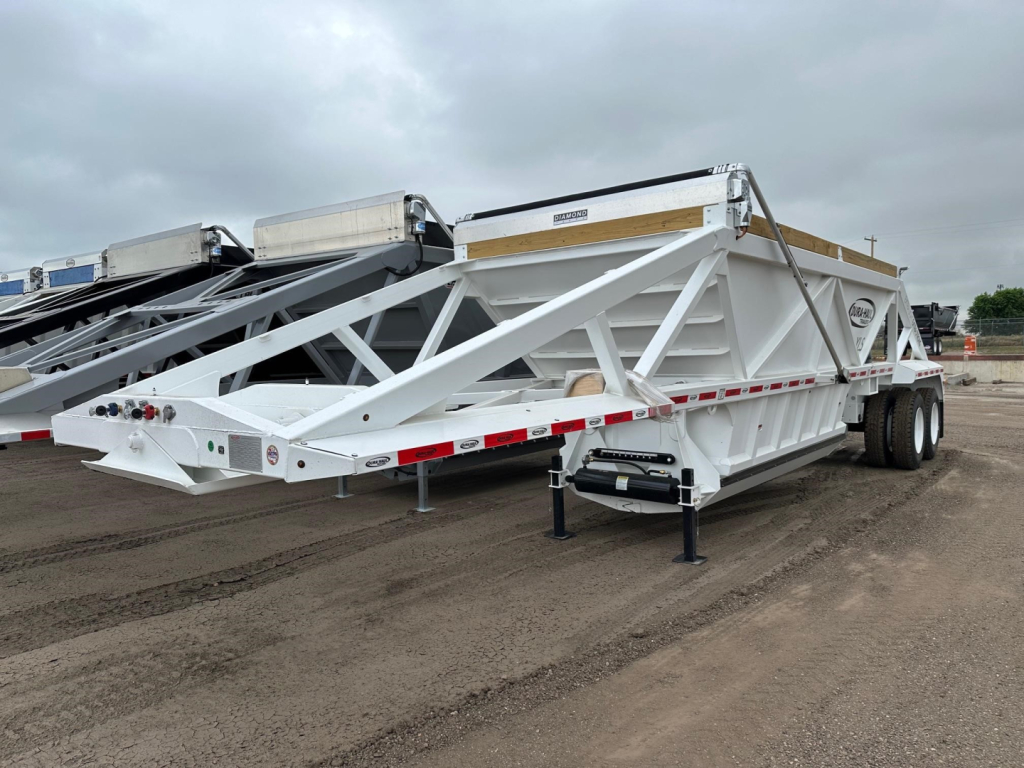
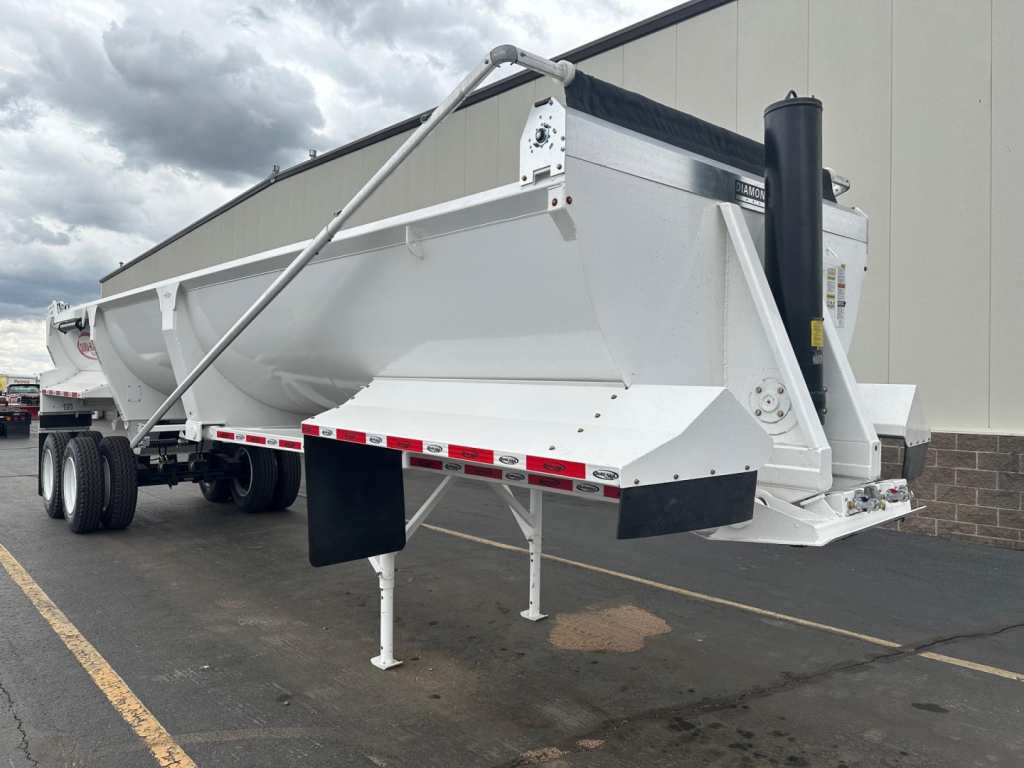
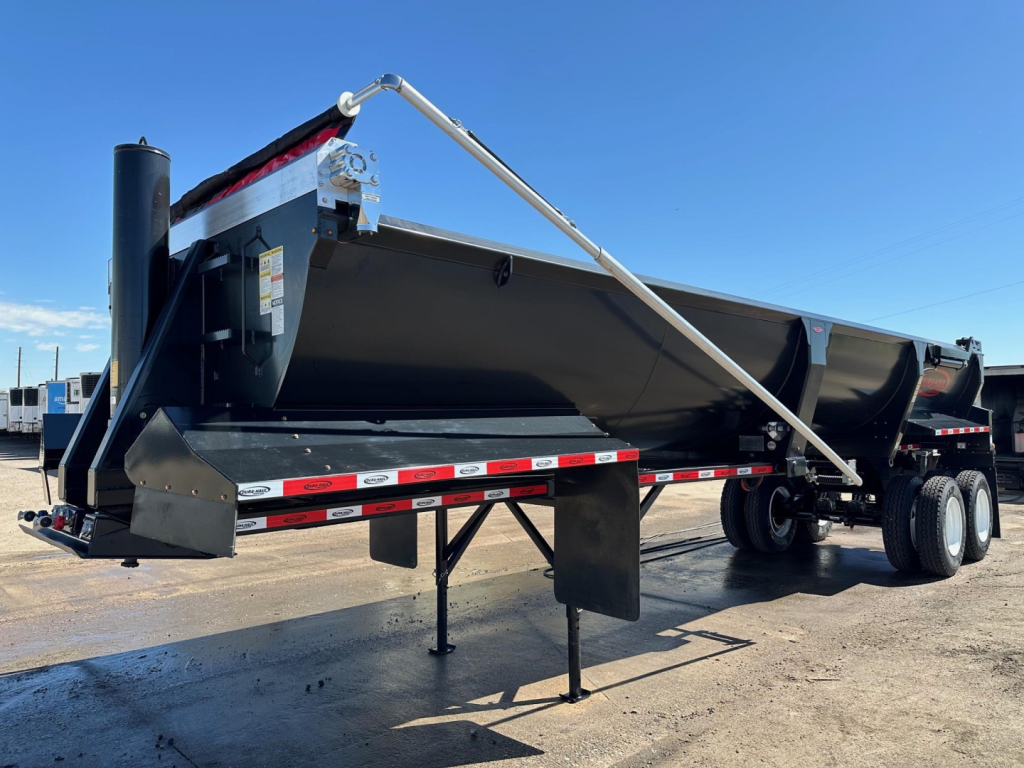
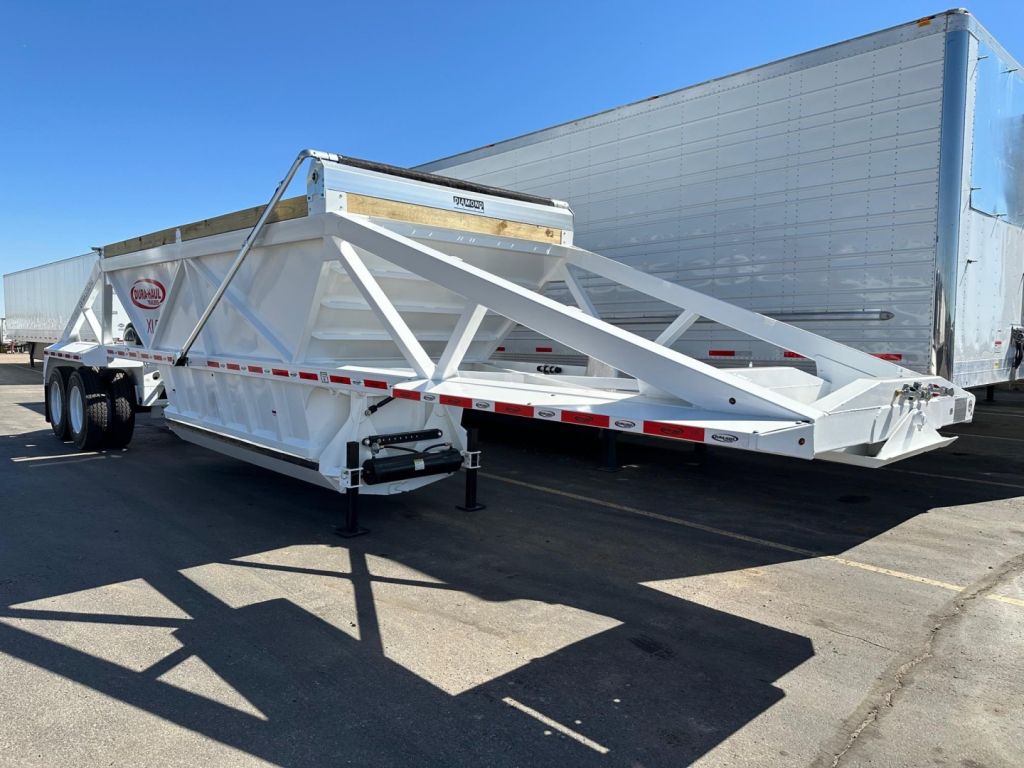
Body construction matters as much as capacity. Dura Haul end dumps in this class are often spec'd with AR450 steel half-round tubs for abrasion resistance and better material flow, especially with rock and abrasive aggregate. Frameless designs reduce empty weight and can increase payload, but they also put more importance on tractor match, fifth wheel settings, and operating conditions. Bottom dumps are commonly seen in 40-foot configurations with air ride suspensions, closed tandem layouts, gate limiters, and windrow deflectors. Those details affect stability, spread control, tire wear, and how precisely the trailer handles different material densities.
A buyer should pay close attention to gate style, tarp system, suspension, wheel-end spec, and tire package. High-lift gates on end dumps improve discharge clearance for larger rock and bulky material. Single-point gate controls simplify operation. Electric flip tarps are a common spec for faster load covering and better compliance on paved roads. On bottom dumps, Foreman-style controls, hopper configuration, and gate limiter setup have a direct impact on metering and consistency. Steel wheels and 11R24.5 rubber remain a common vocational spec because they are familiar, durable, and easy to support across mixed fleets.
The right Dura Haul dump trailer depends on haul road conditions, material type, and unloading environment. End dumps offer versatility and straightforward rear discharge, but they require attention to ground conditions and trailer stability during raises. Bottom dumps reduce tip-over risk during unloading and shine on paving and road-building jobs where continuous placement matters. Buyers comparing new Dura Haul dump trailers should focus on body type, liner and steel grade, suspension, gate controls, tarp design, and overall trailer length to match the work instead of buying on cubic capacity alone.
Frequently Asked Questions about New Dura Haul Dump Trailers
What is the difference between a Dura Haul end dump and a Dura Haul bottom dump?
A Dura Haul end dump unloads by raising the body and discharging material out the rear gate, which makes it a strong choice for rock, demolition debris, and general bulk material hauling. A Dura Haul bottom dump, also called a belly dump, releases material through hopper gates in the floor while the trailer is moving or staged, which makes it better for controlled spreading of aggregate, road base, and similar materials. The decision usually comes down to how the material needs to be placed at the jobsite and what ground conditions the trailer will face during unloading.
Why do many Dura Haul end dumps use a half-round AR450 steel body?
A half-round AR450 steel body is popular because it improves material flow and stands up well to abrasion from rock, gravel, and other hard materials. The curved half-round shape helps reduce material hang-up compared with some square-body designs, and AR450 steel provides higher wear resistance than standard mild steel. For buyers hauling aggregate or demolition material, this type of body can support longer service life and lower maintenance in high-abuse applications.
Is a frameless dump trailer better than a frame-type dump trailer?
A frameless dump trailer is often chosen for lower tare weight and higher potential payload, which can be a real advantage in aggregate work. The tradeoff is that frameless trailers place more load transfer responsibility on the tractor and can be more sensitive to fifth wheel position, suspension setup, and uneven dumping surfaces. A frame-type trailer may offer different durability characteristics depending on the application, but many buyers in rock and construction hauling prefer frameless designs for payload efficiency.
What specs matter most when buying a new bottom dump trailer?
The most important bottom dump specs usually include overall length, hopper design, gate limiters, control system, suspension type, axle spacing, and tire package. Gate limiters and controls affect how consistently material is metered, while air ride suspension can improve ride quality and protect the trailer on mixed road conditions. Buyers should also consider windrow deflectors, push blocks, top boards, and tarp systems because those details influence jobsite flexibility, legal compliance, and day-to-day efficiency.
Are bottom dumps safer than end dumps during unloading?
Bottom dumps generally reduce the rollover risk associated with raising a loaded body because they unload through the hopper gates instead of tipping upward. That makes them especially attractive on uneven surfaces or in operations where fast, continuous unloading is important. End dumps are still widely used and highly effective, but they require disciplined operating practices, stable ground, and attention to load shift when the body is elevated.