
New Dura Haul Dump Trailers For Sale in Colorado
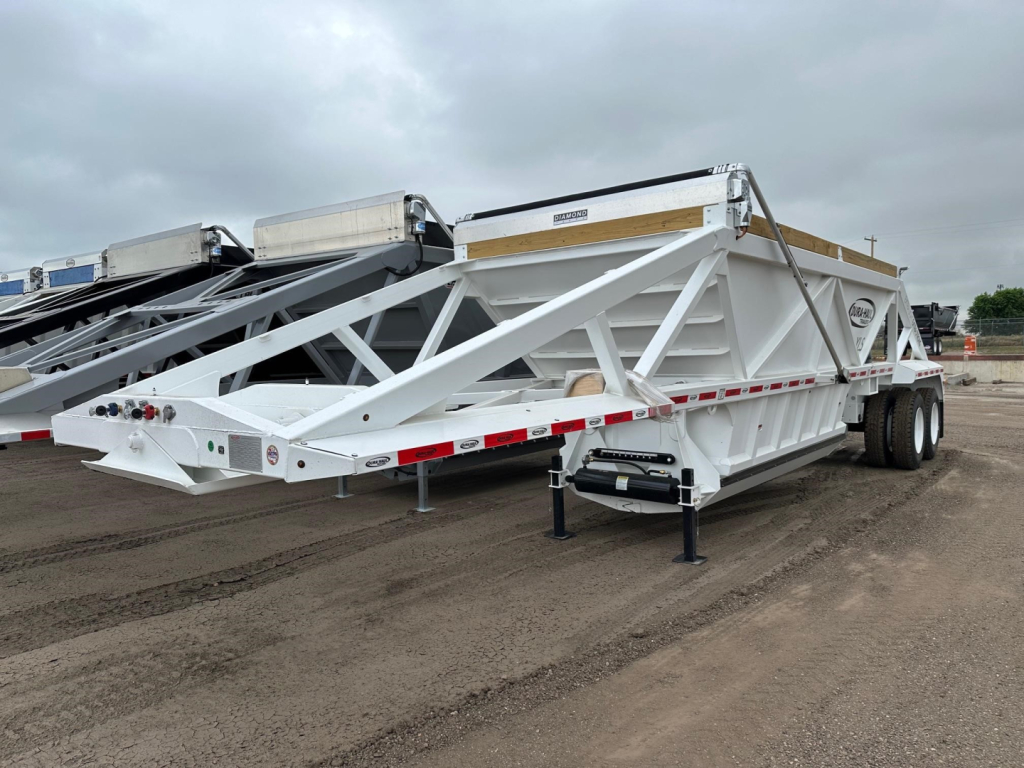
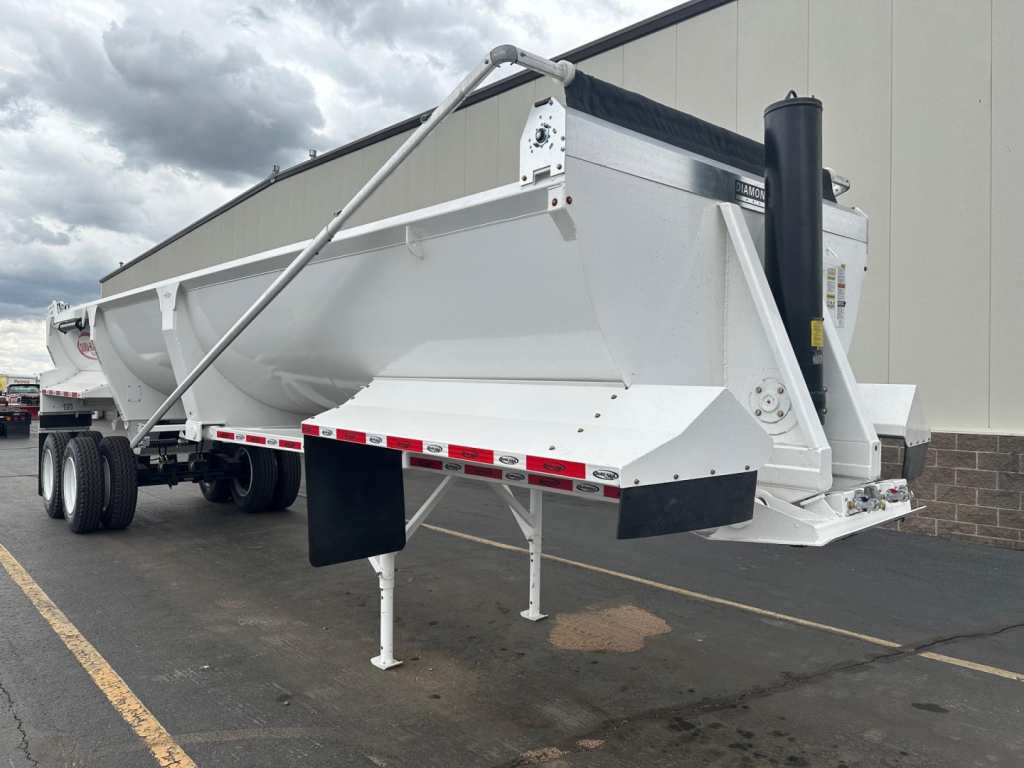
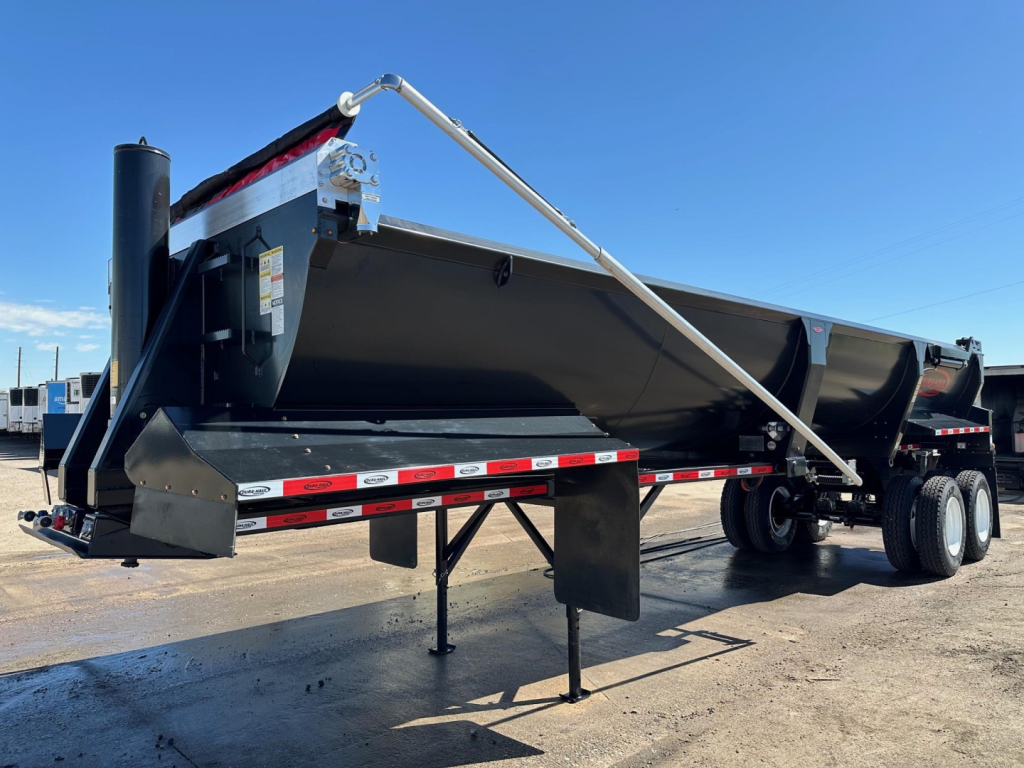
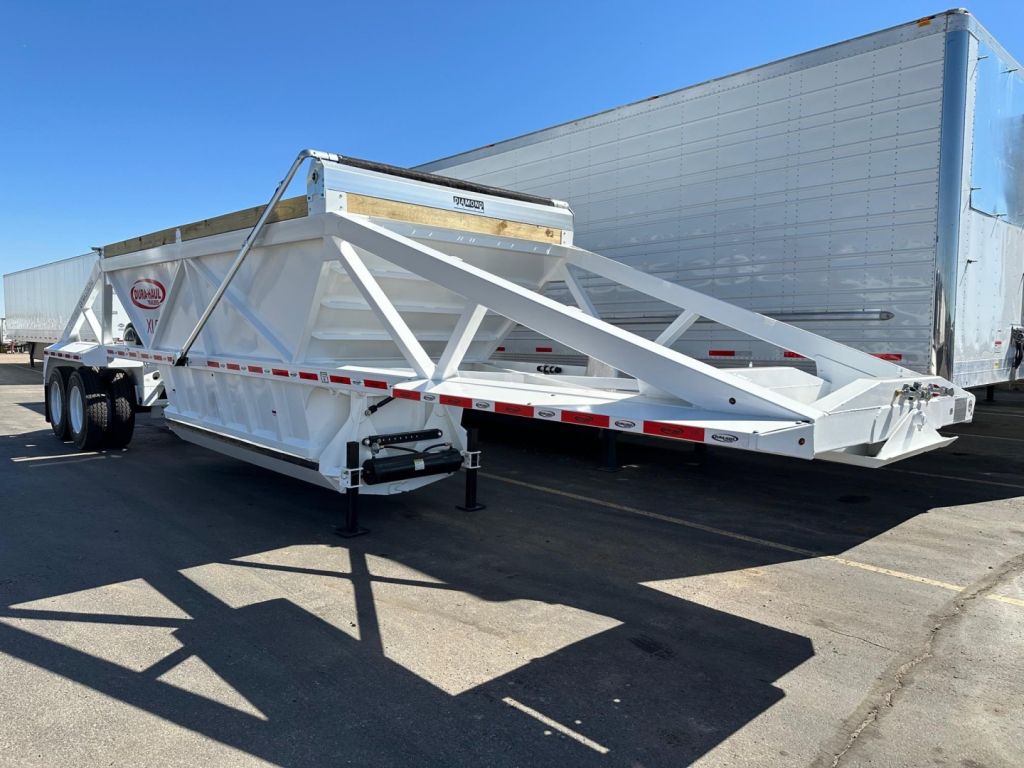
New Dura Haul dump trailers for sale, including bottom dumps and frameless end dumps built for aggregate, paving, dirt, and rock hauling.
Selling a new dura haul dump trailer? List your new dura haul dump trailer for sale and reach thousands of commercial buyers.
New Dura Haul Dump Trailers in Colorado
On Dura Haul bottom dumps, the details that usually drive a buying decision are trailer length, hopper design, gate controls, suspension, and tarp setup. A 40-foot configuration with a single hopper is a familiar setup in western markets, especially for sand, gravel, and asphalt-related work. Features like gate limiters, windrow deflectors, push blocks, electric flip tarps, and Foreman-style controls matter because they affect how precisely material can be laid down and how efficiently the trailer works with paving and road crews. Closed tandem air ride suspension is also a key spec for fleets that want better ride quality, reduced shock to the structure, and more consistent handling on mixed highway and jobsite routes.
For buyers focused on rock and demolition service, Dura Haul frameless half-round end dumps are designed around impact resistance and tub longevity. A half-round AR450 steel body is a common choice because it sheds material well and stands up better to abrasive loads than lighter construction bodies. High-lift gates, single-point tailgate latching, mesh flip tarps, fenders, and 11R24.5 tire packages are all practical specs in this class. Frameless construction generally saves weight and can improve payload, but the trailer still needs to be matched carefully to the tractor wheelbase, fifth wheel height, and intended terrain. If the work involves uneven pits, soft access roads, or off-camber dump sites, suspension setup and body geometry deserve as much attention as body material.
In Colorado, application fit matters as much as brand. Bottom dumps are strong performers for highway work and aggregate distribution across longer distances, while end dumps tend to be the better tool for quarry, excavation, and heavy rock service. Buyers should compare body steel, tub shape, gate style, tarp operation, axle spread, suspension type, tire size, and overall trailer weight before deciding. The right Dura Haul dump trailer is the one that matches the material being hauled, the unloading method required by the job, and the tractor spec already in the fleet.
Frequently Asked Questions about New Dura Haul Dump Trailers in Colorado
What is the difference between a bottom dump trailer and a frameless end dump trailer?
A bottom dump trailer unloads through gates in the floor of the hopper, which allows controlled spreading of aggregate while the trailer is moving. That makes it a strong choice for road base, sand, gravel, and paving support. A frameless end dump raises the body and discharges out the rear, which is better suited for rock, demolition debris, dirt, and bulk material that needs fast full-load unloading rather than metered placement.
Is air ride a good choice on a dump trailer?
Air ride can be a very good choice when the trailer spends significant time on the highway or when ride quality and structural shock reduction are priorities. It generally helps protect the trailer from harsh vibration and can improve handling with mixed on-road and jobsite use. For severe off-road applications, some buyers still prefer other suspension setups, so the best choice depends on haul distance, terrain, and how rough the loading and dumping environment is.
Why does AR450 steel matter on a rock tub end dump?
AR450 is an abrasion-resistant steel commonly used in heavy-duty dump bodies that haul rock and other aggressive materials. It offers better wear resistance than standard steel, which helps extend body life in abrasive service. On a half-round rock tub, AR450 also supports cleaner unloading because the body shape and material work together to reduce material hang-up and resist damage from repeated impact loading.
What dump trailer specs matter most for Colorado work?
In Colorado, buyers often need to account for mountain grades, changing weather, and a mix of highway and unimproved jobsite conditions. Trailer empty weight, suspension type, tire size, tarp system, and body construction all affect how the trailer performs in those conditions. A lighter trailer can help payload, but durability and stability still matter, especially when hauling rock, working in pits, or running uneven access roads.
How do I choose the right dump trailer for my material?
Start with the material and the unload method. If the job requires controlled spreading of aggregate or asphalt-related material, a bottom dump is usually the better fit. If the work involves large rock, demolition material, excavated dirt, or loads that need to be dumped in a pile, a frameless end dump is often the better tool. After that, compare body steel, gate configuration, tarp type, suspension, axle layout, and total weight to make sure the trailer matches both the tractor and the job.