
Dura Haul Dump Trailers For Sale
Shop Dura Haul dump trailers including frameless end dumps and bottom dumps with steel bodies, tandem axles, tarp systems, and jobsite-ready specs.
Selling a dura haul dump trailer? List your dura haul dump trailer for sale and reach thousands of commercial buyers.
Dura Haul Dump Trailers
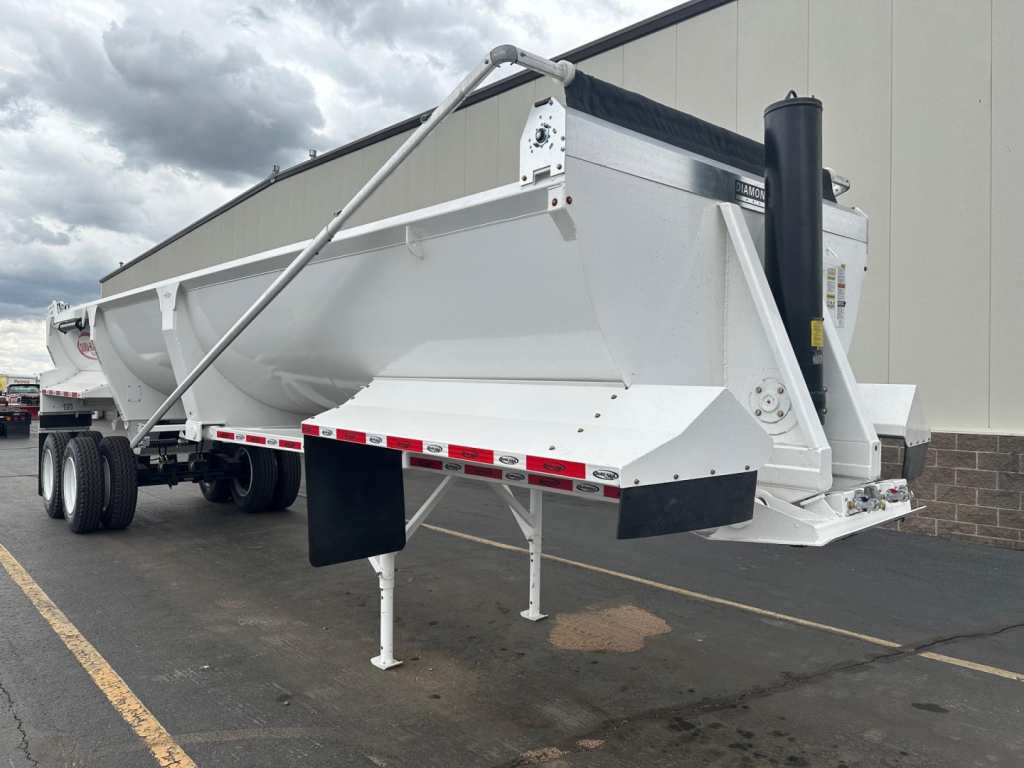
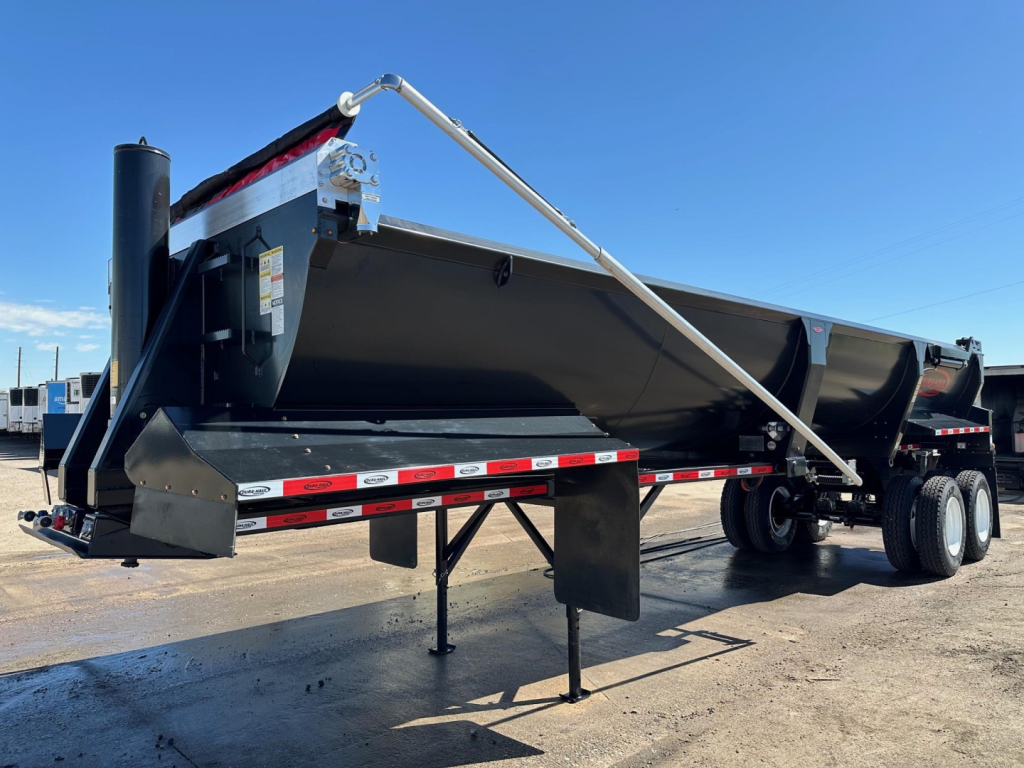
On Dura Haul end dumps, common specs include tandem axles, steel construction, half-round tubs, and heavy-duty wear materials such as AR450 steel in the tub. A half-round body is preferred by many rock haulers because it sheds material cleanly and reduces hang-up compared with square-body designs. Frameless construction saves weight and increases payload potential, but it also puts more emphasis on cylinder geometry, suspension condition, and kingpin area integrity. Many units in this class are set up with single-point or similar severe-service suspensions, 11R24.5 tires, all-steel wheels, electric flip tarps, top-hinged gates, and high-lift or air-operated gate arrangements. Those are practical features for quarry work and uneven dump sites where reliability matters more than unnecessary complexity.
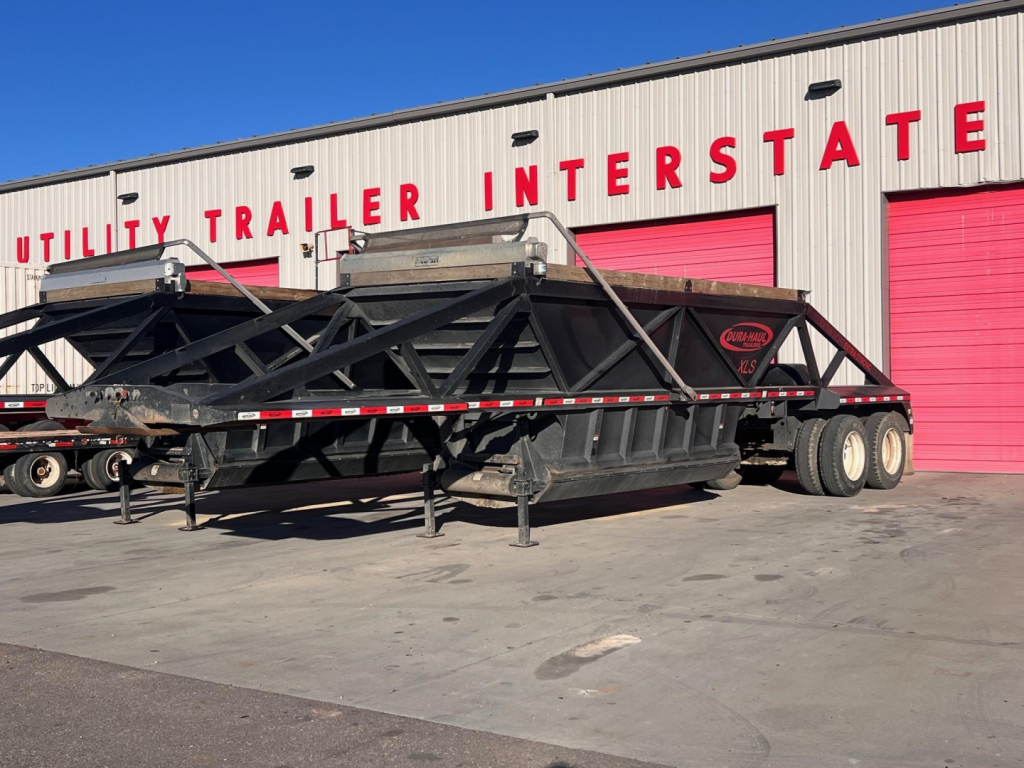
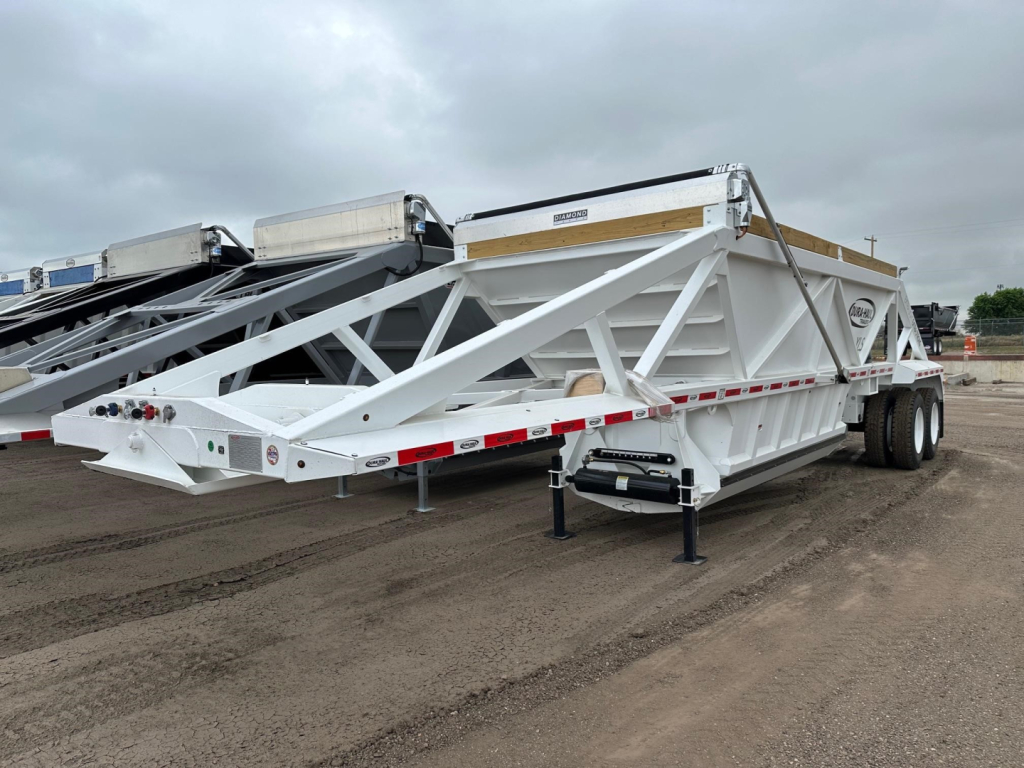
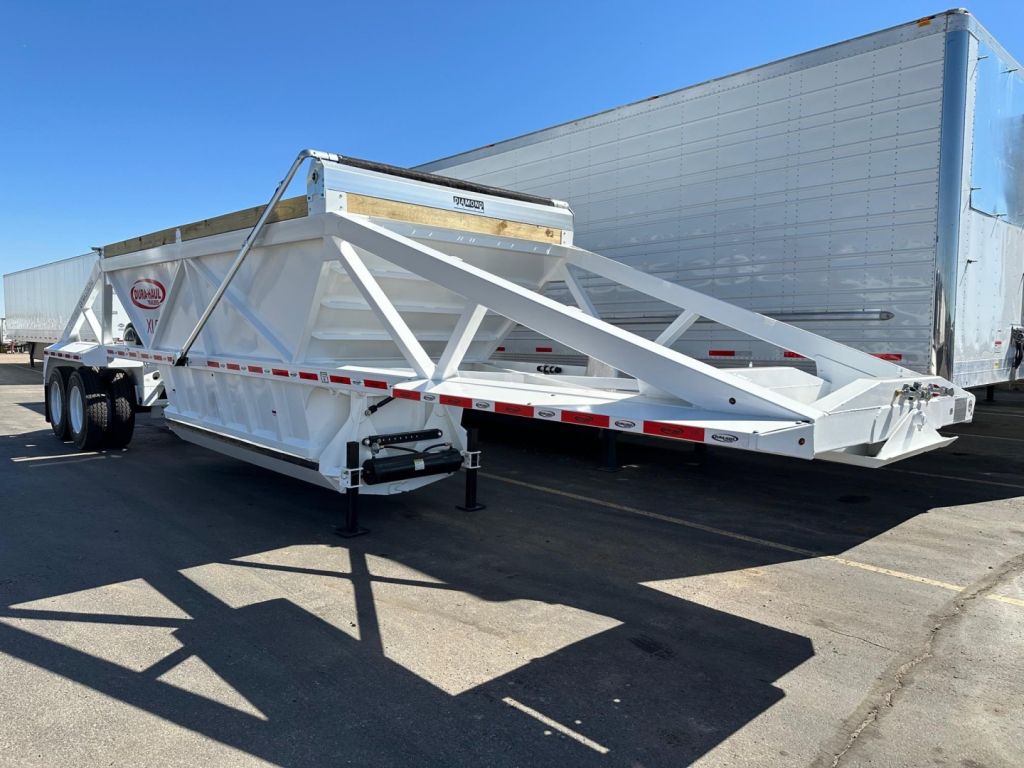
Dura Haul bottom dumps, often seen in 40-foot tandem axle layouts, are typically spec'd for controlled discharge rather than vertical dumping. Features such as gate limiters, foreman-style controls, windrow deflectors, push blocks, bang boards, and air ride suspension point to road-building and material spreading applications. Buyers comparing bottom dumps should pay close attention to hopper design, gate actuation, discharge consistency, and how the trailer tracks under load. Closed tandem configurations, tarp systems, LED lighting, and front and rear fenders are common details that affect day-to-day service life, cleanup time, and compliance. Capacity is important, but gate control and structural durability usually determine long-term value in this segment.
When evaluating a Dura Haul dump trailer, focus on body material, suspension type, tub or hopper design, gate setup, and the kind of material the trailer has been built to move. Steel bodies remain the standard for severe-duty rock and construction service because they tolerate impact and abrasion better than lightweight alternatives, though tare weight will be higher. On used units, inspect the tub floor, hinge points, crossmember areas, hoist or gate systems, top rail condition, and signs of twist or cracking around the draft arms and landing gear structure. The best trailer is the one matched to the material, the route, and the unloading environment, not simply the one with the highest listed capacity.
Frequently Asked Questions about Dura Haul Dump Trailers
What is the difference between a Dura Haul end dump and a Dura Haul bottom dump?
A Dura Haul end dump unloads by raising the body and discharging material out the rear, which makes it a strong choice for rock, demolition debris, and other bulk materials that need a steep dump angle and fast unload. A Dura Haul bottom dump releases material through gates in the hopper floor, which gives the operator much better control over spread pattern and flow rate. Bottom dumps are commonly used in road construction, shoulder work, and aggregate spreading where a consistent windrow is required.
Why do many Dura Haul rock end dumps use a half-round AR450 steel tub?
A half-round tub helps material slide out with less carryback, especially with rock, wet aggregate, and abrasive loads. AR450 steel is a high-wear material that stands up well to impact and abrasion, so it is a practical spec for severe-duty hauling. For buyers, that combination usually means better cleanout, longer body life, and less downtime for floor and sidewall repairs compared with lighter-duty body materials.
Is a frameless dump trailer better than a framed dump trailer?
A frameless dump trailer is often chosen for payload efficiency because it eliminates the full underframe and can reduce tare weight. It is common in rock and aggregate hauling, but it transfers more stress through key structural areas, so condition and build quality matter. A framed trailer may offer different durability characteristics depending on the application, but in heavy bulk hauling, many operators prefer frameless designs for their weight savings and body geometry. The right choice depends on material type, road conditions, and how often the trailer will dump on uneven ground.
What specs matter most when comparing Dura Haul dump trailers?
The most important specs are body type, body material, length, axle configuration, suspension, gate design, and intended material. For end dumps, buyers should focus on tub construction, hoist geometry, gate style, and suspension durability. For bottom dumps, hopper layout, gate controls, windrow equipment, and discharge consistency are critical. Tire size, wheel type, tarp system, fenders, and lighting also matter because they affect maintenance cost, compliance, and daily usability.
What should I inspect on a used Dura Haul dump trailer?
Start with the tub or hopper for thin floor sections, patches, cracks, and signs of impact damage. Then inspect the suspension, axle alignment, kingpin area, hinge points, gate hardware, tarp assembly, and wiring. On frameless end dumps, pay close attention to the upper rail, cylinder mounts, landing gear structure, and any evidence of twisting from off-level dumping. On bottom dumps, check gate seals, linkages, controls, and wear in the hopper discharge areas because those parts directly affect material flow and repair cost.