
2026 Dura Haul Dump Trailers For Sale
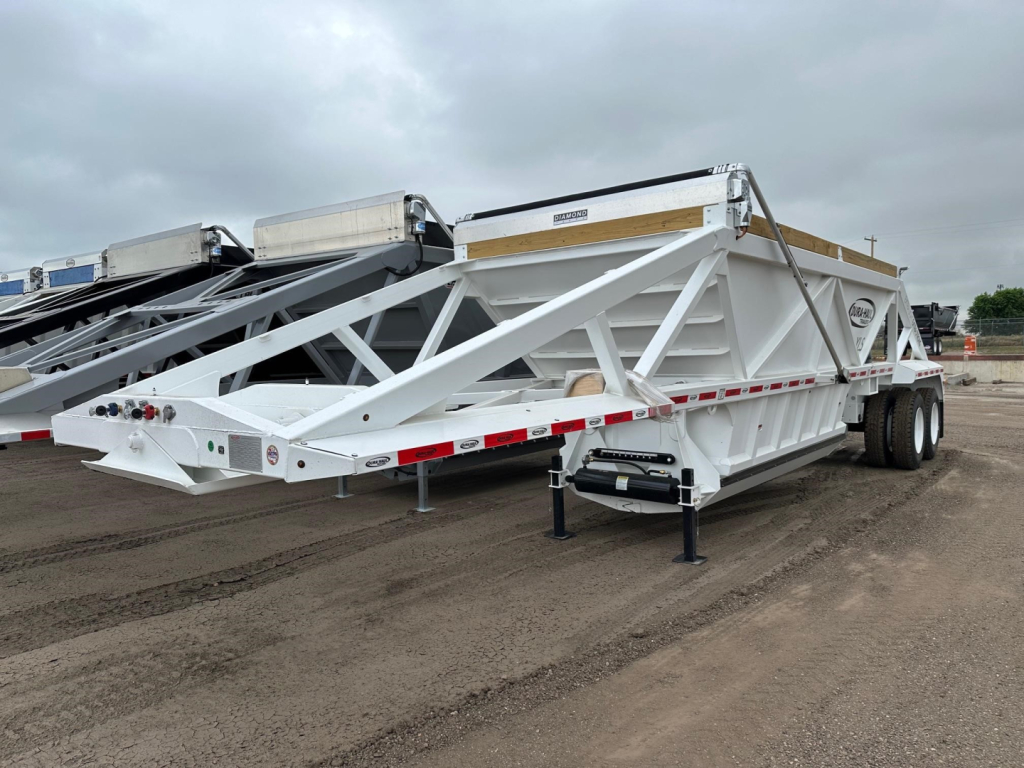
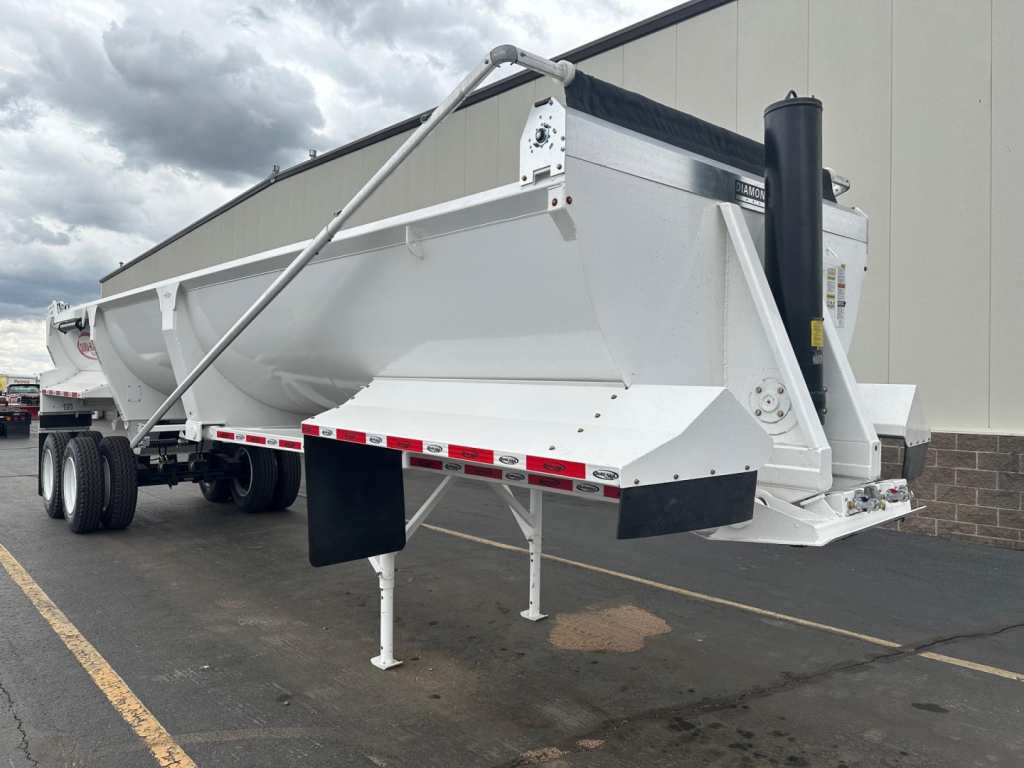
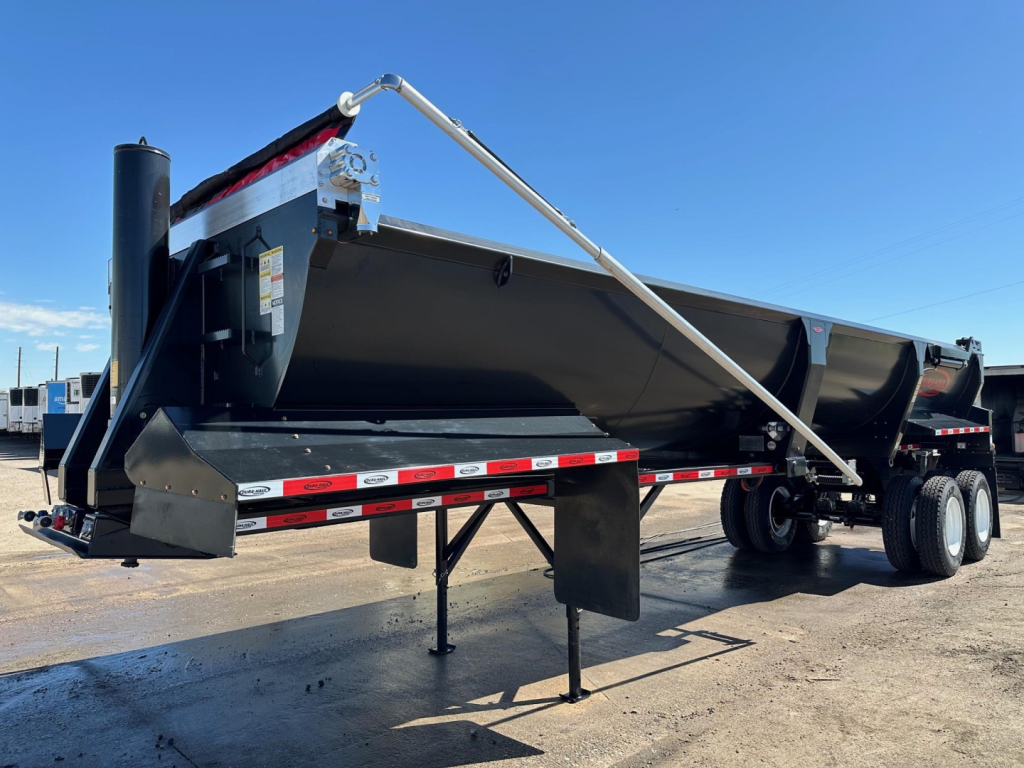
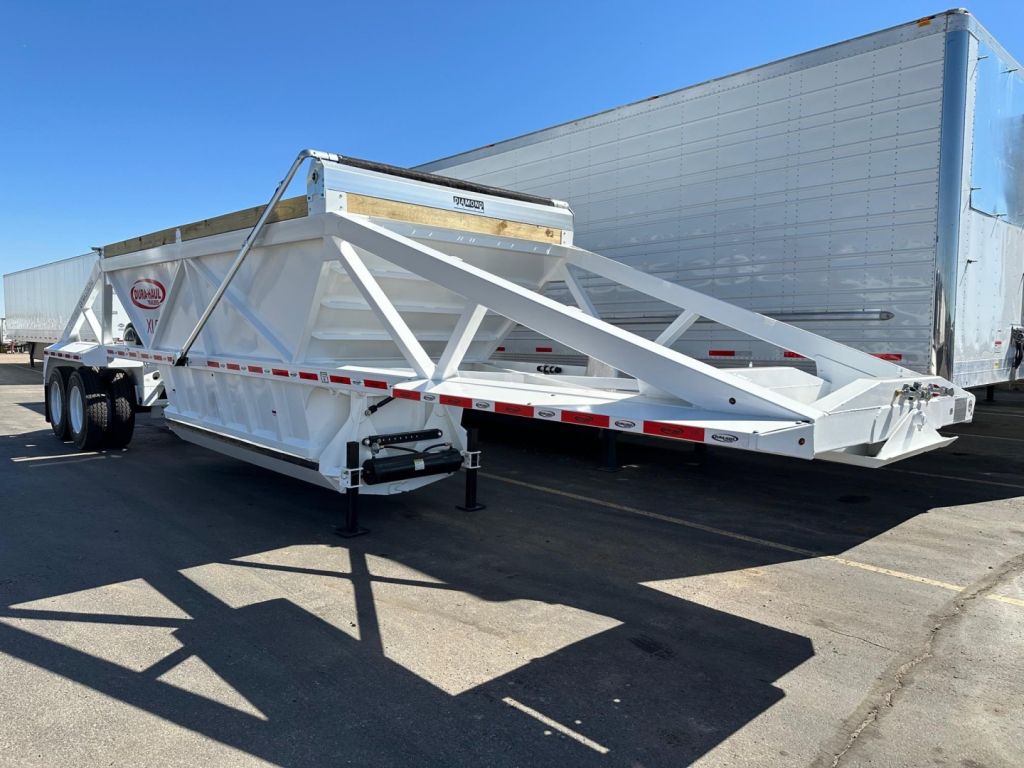
Shop 2026 Dura Haul dump trailers, including bottom dumps and frameless end dumps built for aggregate, paving, dirt, and rock hauling.
Selling a 2026 dura haul dump trailer? List your 2026 dura haul dump trailer for sale and reach thousands of commercial buyers.
2026 Dura Haul Dump Trailers
Frequently Asked Questions about 2026 Dura Haul Dump Trailers
What is the main difference between a Dura Haul bottom dump and a Dura Haul end dump?
A bottom dump trailer releases material through gates in the belly of the trailer, which makes it ideal for controlled spreading of sand, gravel, road base, and similar aggregate. An end dump trailer raises the body and discharges out the rear, which is better for bulk unloading of dirt, rock, asphalt millings, and demolition debris. On Dura Haul trailers in this category, bottom dumps are often set up with a single hopper, gate limiters, and windrow-focused controls, while frameless end dumps use a rock tub body and rear gate configuration for heavy material.
What specs matter most when comparing 2026 Dura Haul dump trailers?
The most important specs are body style, overall length, suspension type, body material, gate setup, tarp system, axle configuration, and tire size. Buyers should also pay attention to whether the trailer uses air ride, closed tandem suspension, AR450 steel in the tub, a high lift gate, push block, fenders, and the type of controls installed. On bottom dumps, gate precision and hopper design directly affect how cleanly the trailer spreads material. On end dumps, body shape, steel grade, and gate design affect both payload handling and cleanout.
Why would a buyer choose air ride on a dump trailer?
Air ride suspension can improve ride quality, reduce shock transfer to the trailer structure, and help protect the load and running gear on rough jobsite-to-highway cycles. It is commonly preferred when a trailer sees mixed pavement and construction use, or when consistent handling at speed is important. On a bottom dump, air ride can also help maintain better trailer composure during loaded travel and discharge operations. Suspension choice should still be matched to haul routes, maintenance preferences, and how aggressively the trailer will be used off-road.
Is a frameless rock end dump a good choice for heavy aggregate work?
A frameless rock end dump is a strong choice for hauling rock and other dense materials because the frameless design can reduce empty weight and improve payload capacity, while the half-round tub helps material flow during unloading. Many buyers look for abrasion-resistant steel such as AR450 in the body because it stands up better to repeated loading with sharp or heavy material. The tradeoff is that end dumps require attention to unloading conditions, especially on uneven ground, because trailer stability during body raise is a critical operating factor.
What features are useful on a bottom dump used in paving and road work?
For paving support and road material placement, useful features include gate limiters, responsive trailer controls, a windrow deflector, electric flip tarp, bang top boards, and a push block when the trailer will work with paving operations. These features help the operator control flow rate, keep material contained in transit, and place aggregate or base material more consistently. Front and rear fenders, LED lighting, and common tire sizes such as 11R24.5 also matter because they affect serviceability and day-to-day uptime.