
New 2026 Dump Trailers For Sale in Wyoming
Browse new 2026 dump trailers for sale in Wyoming, including end dumps, bottom dumps, and side dumps built for aggregate, dirt, and paving work.
Selling a new 2026 dump trailer? List your new 2026 dump trailer for sale and reach thousands of commercial buyers.
New 2026 Dump Trailers in Wyoming
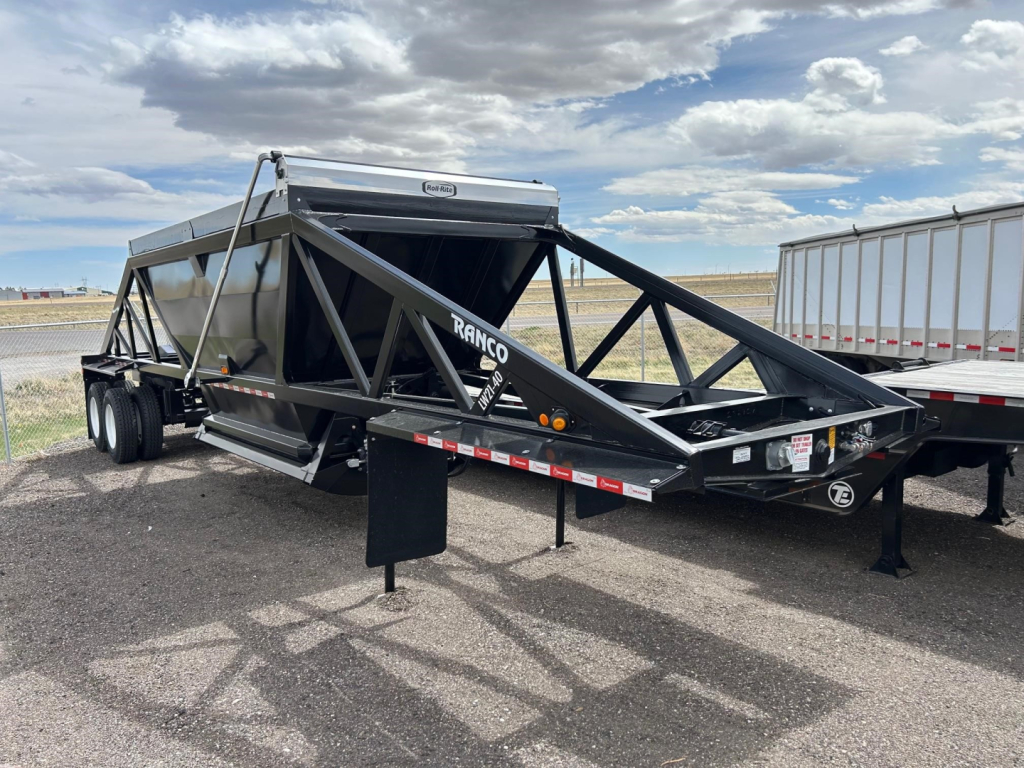
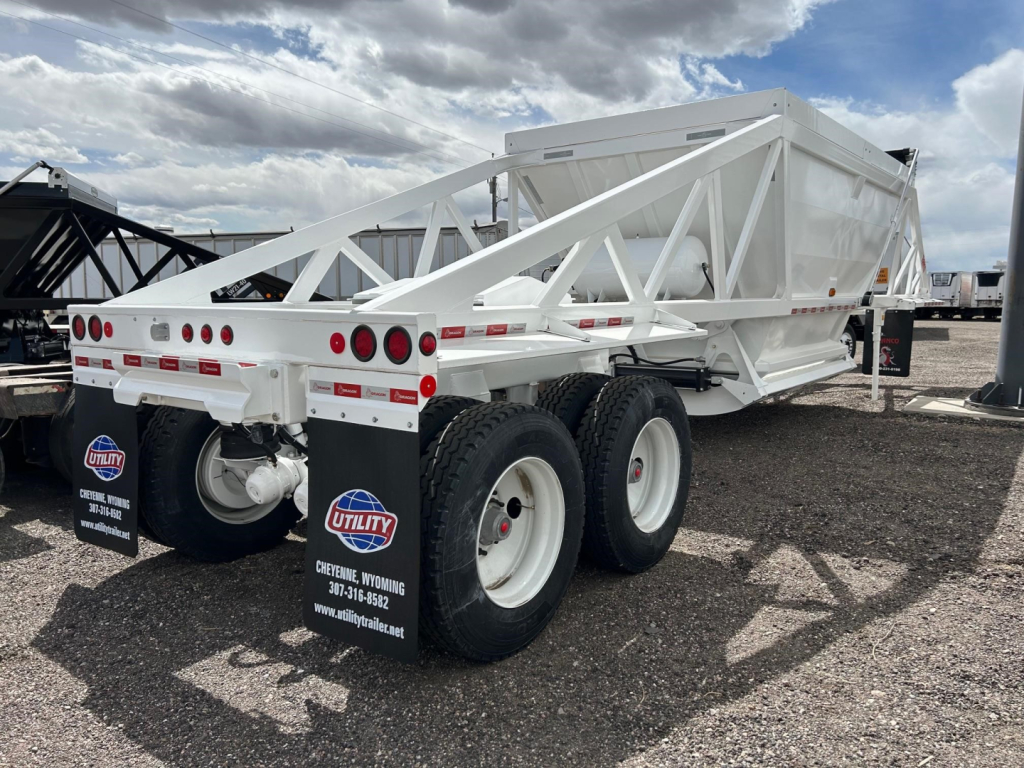
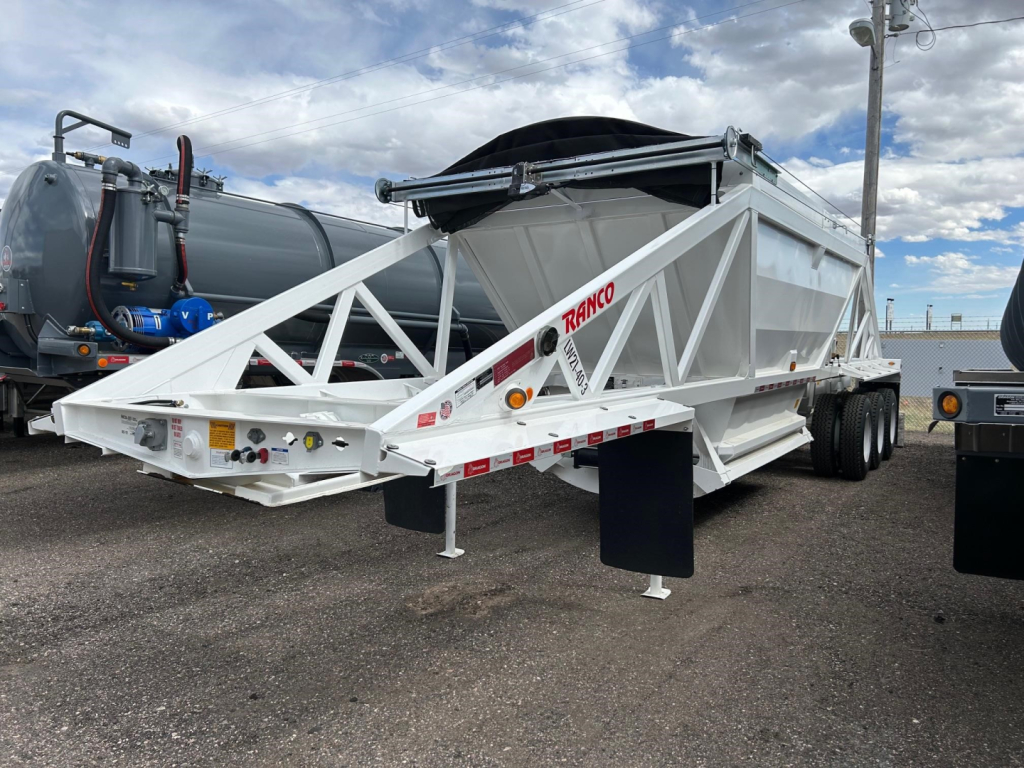
A bottom dump trailer, also called a belly dump, is a strong fit for Wyoming road work and aggregate operations because it can lay material in a windrow while staying in motion. Common specs include 40-foot lengths, single-hopper or multiple-hopper configurations, gate limiters, windrow deflectors, electric flip tarps, and air ride or single-point suspensions. Buyers should pay close attention to gate control systems, kingpin setting, axle spacing, and whether the trailer includes a lift axle, push block, or pintle hitch setup for pulling a pup. Tire size, wheel material, and fender coverage also matter when the trailer will spend long days on mixed highway and jobsite routes.
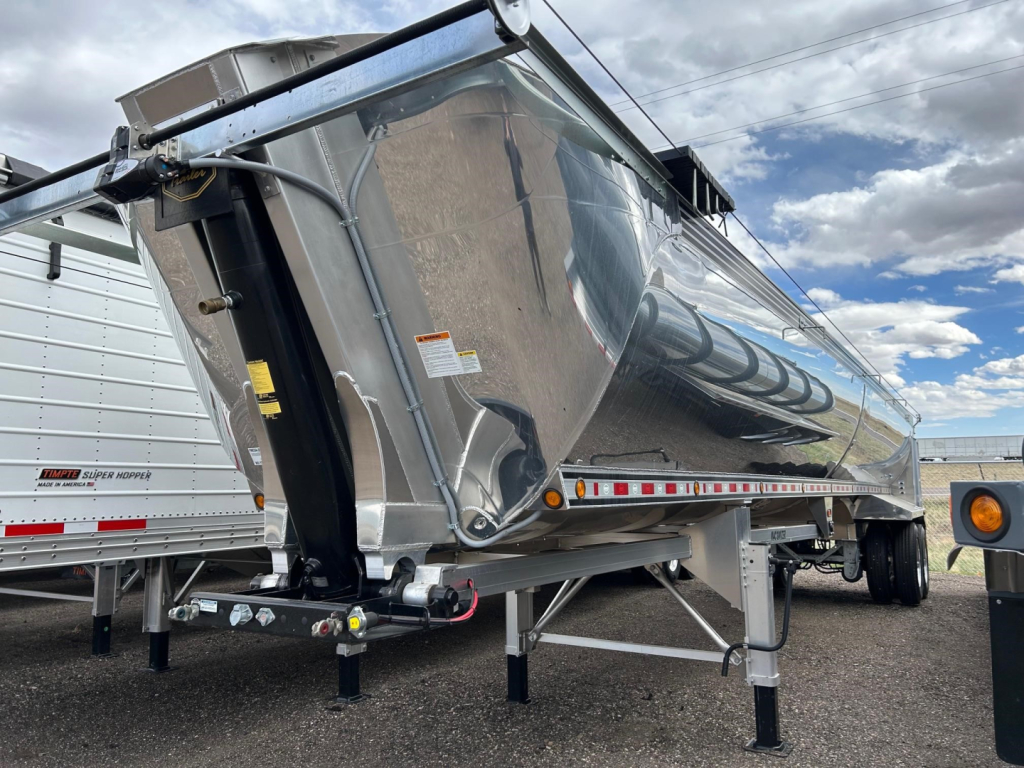
For end dumps, the main decisions usually center on body style, material, and liner package. Frameless aluminum half-round trailers are popular when payload is the goal and the material is relatively free-flowing, while heavier steel bodies and wear-resistant liners make more sense for abrasive rock, demolition debris, or hard-packed material. Capacity is often discussed in cubic yards, but that number only matters when matched to legal axle weights and the density of the material being hauled. Suspension type, gate style, side height, tarp system, and hoist geometry all affect how the trailer performs over time. A factory liner, sealed gate, and well-matched suspension can reduce carryback, improve cleanout, and help control maintenance costs.
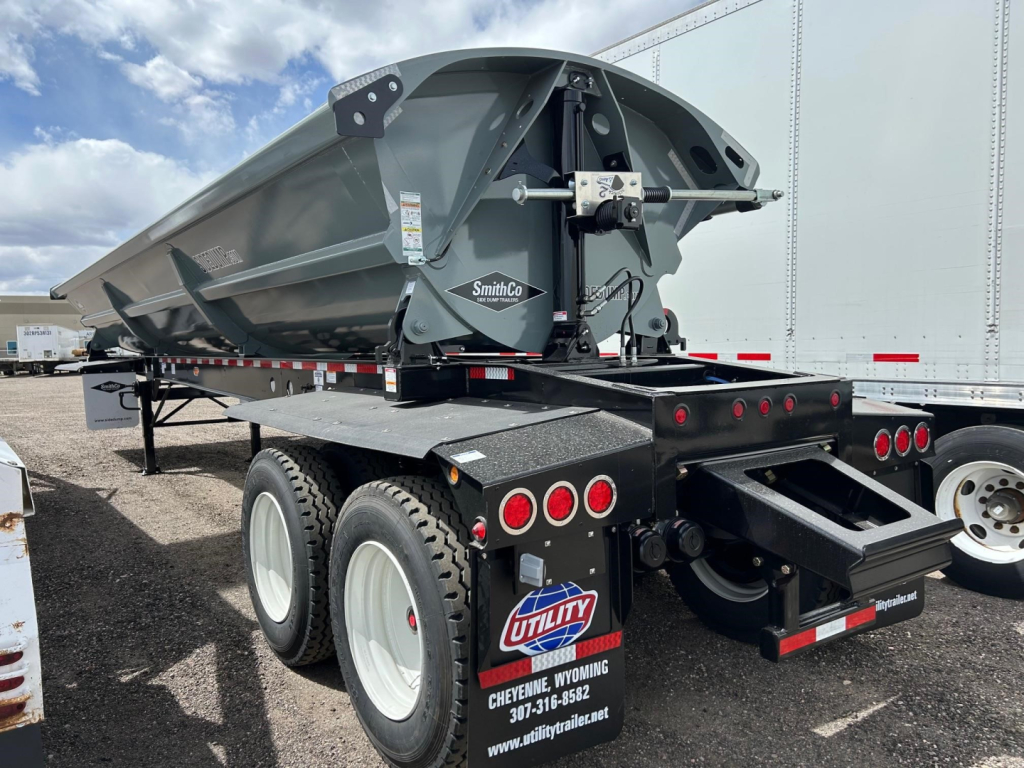
Side dump trailers bring a different advantage set. They are often selected for uneven terrain, tight cycle times, and applications where material needs to be placed off to one side without raising the center of gravity as high as an end dump. On newer specs, buyers often look for heavy-duty cylinders, rock tubs, rollover tarps, dump valves, and scale options for payload visibility. Across all dump trailer types, Wyoming buyers should think about weather, road conditions, and haul profile. Corrosion protection, cold-weather air system reliability, lighting, tarp durability, and brake component access all become important when the trailer will see winter work, long rural runs, and frequent loading from crushers or hard banks. The best 2026 dump trailer spec is the one matched closely to material type, legal payload target, terrain, and unload method.
Frequently Asked Questions about New 2026 Dump Trailers in Wyoming
What is the difference between a bottom dump, end dump, and side dump trailer?
A bottom dump trailer releases material through gates in the belly of the trailer and is commonly used for controlled spreading of gravel, sand, and base material. An end dump raises the body and discharges out the rear, which makes it a common choice for bulk hauling and high-capacity dump cycles. A side dump uses hydraulic cylinders to roll the tub and unload to one side, which can improve stability on uneven ground and speed up certain jobsite operations. The right choice depends on the material, the unloading method, and the terrain.
Which type of dump trailer is best for aggregate and road work in Wyoming?
Bottom dump trailers are often a strong choice for Wyoming aggregate and road work because they can place material in a controlled windrow while moving, which is useful for highway and base applications. Side dumps also perform well on rougher jobsites where stability during dumping is a concern. End dumps remain a common option for general bulk hauling, but they require more attention to ground conditions during unloading. Buyers should match the trailer to the material, route conditions, and whether the job requires spreading, stockpiling, or off-road placement.
Should I choose aluminum or steel for a new dump trailer?
Aluminum dump trailers are typically chosen when low empty weight and higher legal payload are the priority. They are common in frameless end dump applications hauling sand, grain byproducts, or other free-flowing materials. Steel bodies usually make more sense for abrasive rock, demolition debris, or severe-duty work because they offer better resistance to impact and abrasion. Many buyers also look at liner options, such as wear-resistant steel or factory-installed liners, to balance payload with durability.
What specs matter most when comparing new 2026 dump trailers?
The most important specs usually include trailer type, body material, length, cubic-yard capacity, axle configuration, suspension, tarp system, tire size, and gate design. Buyers should also evaluate kingpin setting, frame style, lift axle options, hoist or cylinder design, liner package, and whether the trailer is built for legal payload in the states where it will run. Practical details such as lighting, fenders, brake access, and push block or pintle hitch provisions can affect daily productivity and long-term service costs.
Is air ride suspension a good choice on a dump trailer?
Air ride suspension is popular on many dump trailer specs because it can improve ride quality, help protect the trailer and tractor from vibration, and support better handling on highway runs. It is especially common on bottom dumps and many side dump and end dump applications that split time between paved roads and jobsites. The tradeoff is that suspension choice should still match the duty cycle, axle layout, and maintenance expectations. For severe off-road use, some buyers compare air ride with mechanical or other suspension designs based on durability, articulation, and serviceability.