
New 2026 CPS Dump Trailers For Sale
Shop new 2026 CPS dump trailers, including bottom dump and end dump designs built for aggregate, paving, scrap, demolition, and heavy hauling.
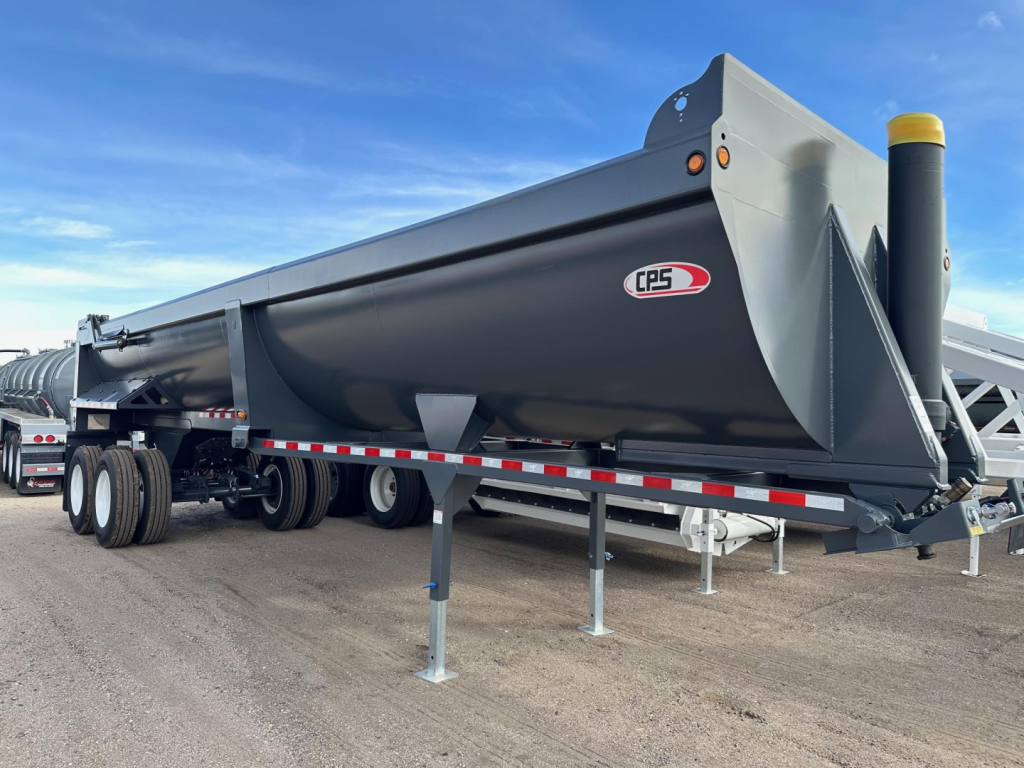
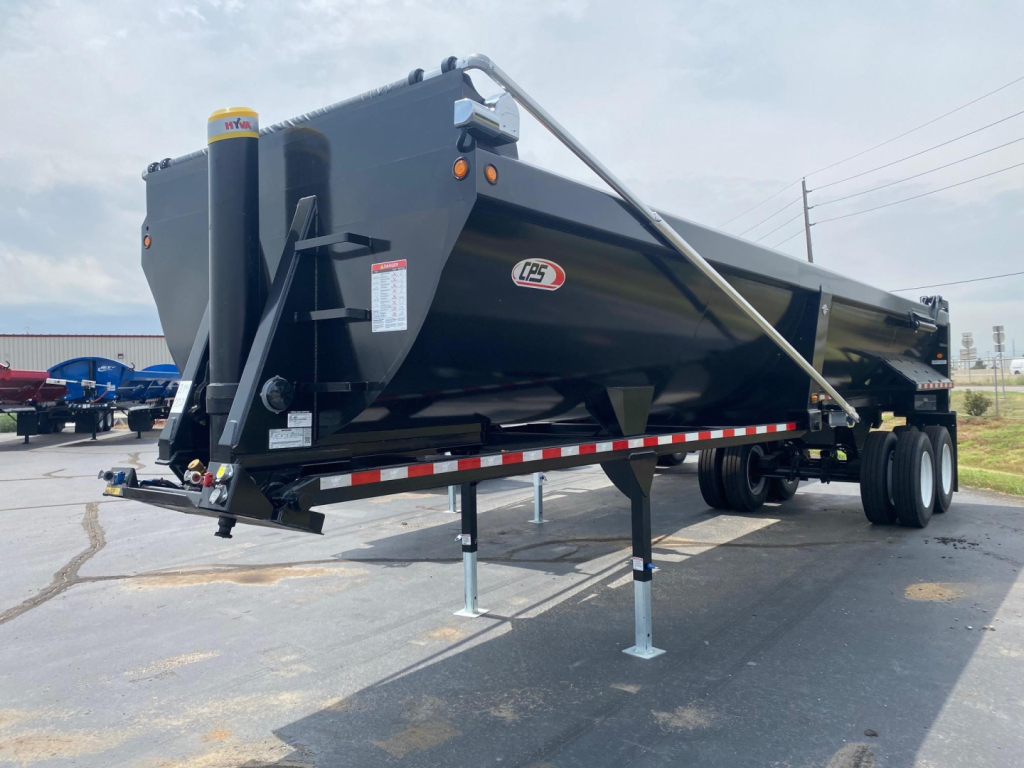
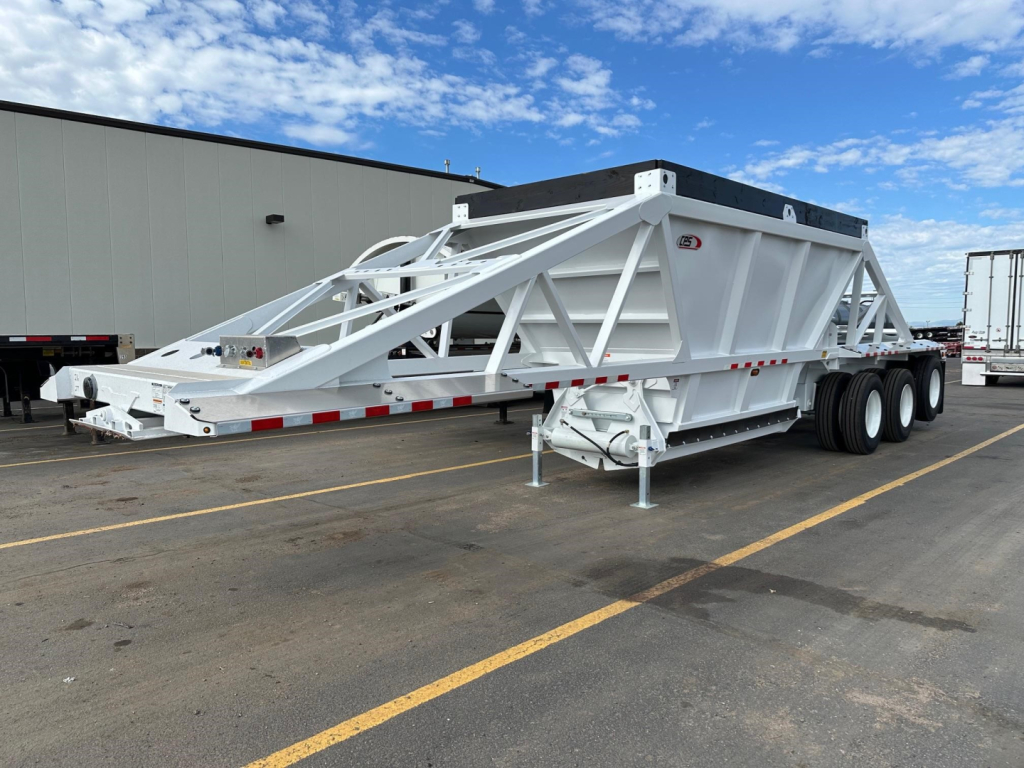
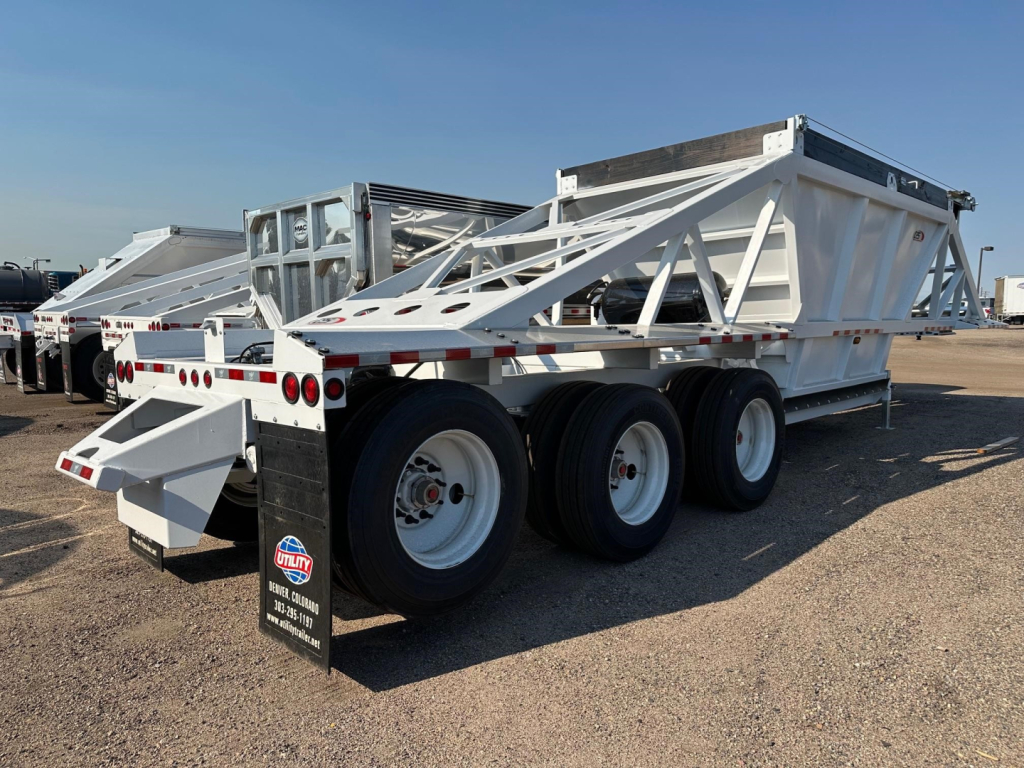
Selling a new 2026 cps dump trailer? List your new 2026 cps dump trailer for sale and reach thousands of commercial buyers.
New 2026 CPS Dump Trailers
On the bottom dump side, CPS trailers commonly show up in 40-foot to 42-foot configurations with single hopper layouts, bang boards, windrow deflectors, pin-setting gate limiters, and valve systems designed for precise gate control. These trailers are often spec'd with air ride suspension, tandem or tri-axle setups, and in some cases a rear lift axle to help manage bridge laws and axle weights. A 23 cubic yard tri-axle bottom dump with a 95,000 GVWR is a good example of the type of capacity many contractors target for aggregate and paving operations. Details like push blocks, electric slide tarps or flip tarps, LED lighting, bolt-on fenders, and 11R24.5 rubber are common practical specs that affect daily uptime more than buyers sometimes expect.
For scrap, demolition, and higher-volume material movement, CPS frameless end dumps and high-cube half-round tubs are a different animal. A steel end dump with a 40-foot half-round AR450 rock tub, 100-inch sides, and capacity in the upper 80 cubic yard range is built for lighter bulk material, scrap, and demolition debris where cube often matters as much as axle loading. Frameless construction helps reduce tare weight and improve dump efficiency, while tub material and body design affect wear life with abrasive loads. Gate style is another important checkpoint. Barn door swing gates fit certain scrap and demolition applications well, while other operations may prefer high-lift or combination gates depending on material flow and site clearance.
A serious buyer should also evaluate how the trailer will run day to day, not just its advertised capacity. Air ride can help protect the trailer and improve stability on mixed pavement routes, but suspension choice, wheel spec, tire size, liner or tub material, tarp setup, and kingpin setting all need to match the tractor, route profile, and load type. On bottom dumps, gate control consistency and windrow performance are critical. On end dumps, body strength, rollover resistance, center of gravity, and hoist compatibility are major concerns. CPS dump trailers are typically chosen by buyers who need purpose-built construction for aggregates, paving support, scrap, demolition, and other heavy vocational work where a correct spec pays off every day.
Frequently Asked Questions about New 2026 CPS Dump Trailers
What is the difference between a CPS bottom dump trailer and a CPS end dump trailer?
A CPS bottom dump trailer releases material through hopper gates in the floor, making it ideal for controlled spreading of aggregate, road base, and similar products. A CPS end dump trailer raises the body and discharges out the rear, which is better suited for bulk unloading, scrap, demolition debris, and other materials where precise windrow placement is not the priority. The right choice depends on whether the job requires spread control or maximum dump-body volume and traditional rear discharge.
What specs matter most when buying a new 2026 CPS dump trailer?
The most important specs are body style, length, cubic yard capacity, axle configuration, suspension type, and body material. Bottom dumps often require close attention to hopper count, gate controls, tarp system, and windrow accessories such as bang boards and deflectors. End dumps require focus on tub design, side height, steel grade, gate type, and how the trailer's tare weight balances against durability. Tire size, wheel spec, kingpin setting, and push block design also matter because they affect compatibility with the tractor and daily operating efficiency.
Are tri-axle CPS bottom dump trailers better than tandem models?
A tri-axle CPS bottom dump can be a strong choice when higher legal payload, bridge compliance, or route flexibility is important. Many tri-axle setups include a lift axle, which helps distribute weight when loaded and reduce tire scrub when empty or in tighter maneuvering situations. Tandem models are often lighter and simpler, which can make sense for certain regional applications. The better setup depends on local weight laws, haul distance, material density, and how often the trailer runs in confined jobsites.
What materials are CPS dump trailers commonly used to haul?
CPS dump trailers are commonly used for sand, gravel, crushed stone, asphalt millings, road base, scrap, demolition debris, and other bulk materials. Bottom dumps are especially common in aggregate and paving support because they can lay material in a controlled line. End dumps and scrap trailers are more common where large-volume rear discharge is needed. Material type matters because abrasive products may require harder body steel, and lighter debris loads may justify a high-cube body to maximize volume.
Why do features like electric tarps, gate limiters, and windrow deflectors matter on a bottom dump trailer?
These features directly affect productivity and load control. An electric tarp speeds loading and covering cycles while helping with compliance and material retention on the road. Gate limiters help the operator control flow rate and repeat discharge settings from load to load. Windrow deflectors and bang boards improve how material is placed during unloading, which is especially important in road work and aggregate applications where consistent spread width and volume save time and reduce rework.