
New CPS Dump Trailers For Sale
Shop new CPS dump trailers, including bottom dumps and end dumps built for aggregate, paving, demolition, and high-volume hauling.
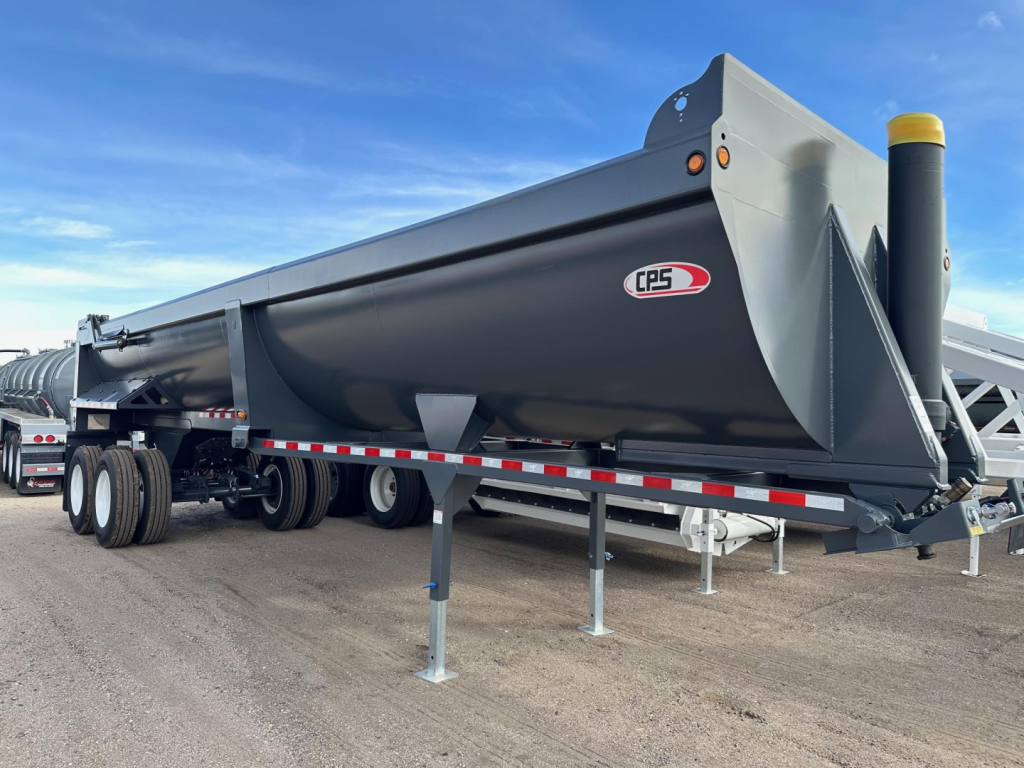
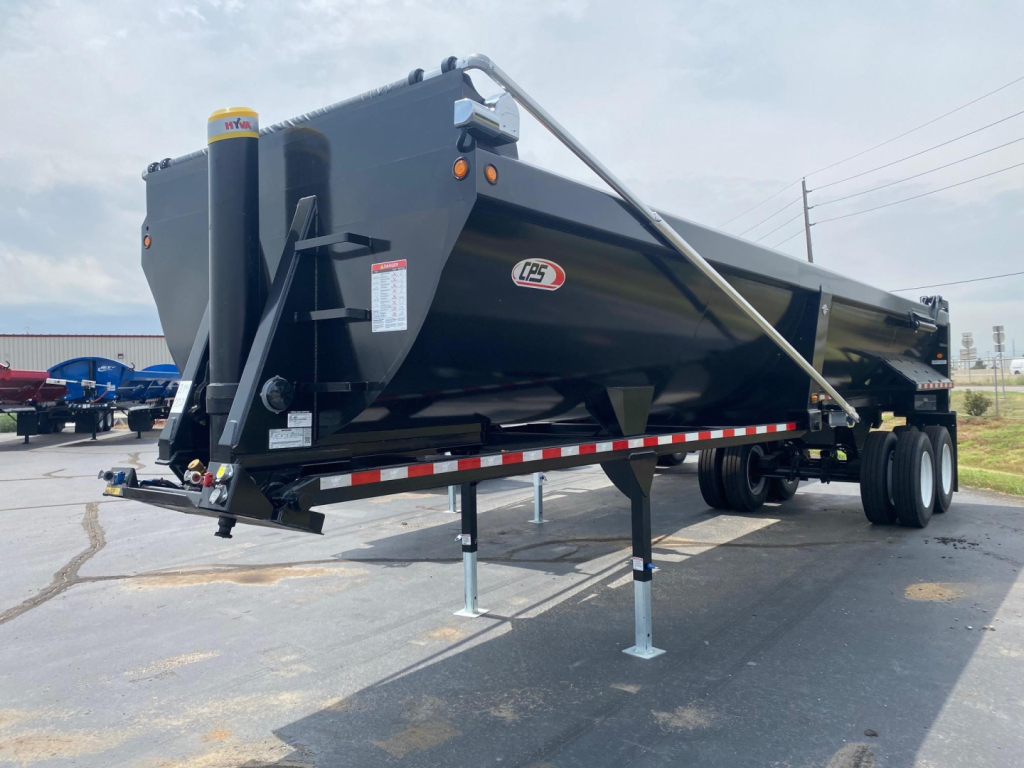
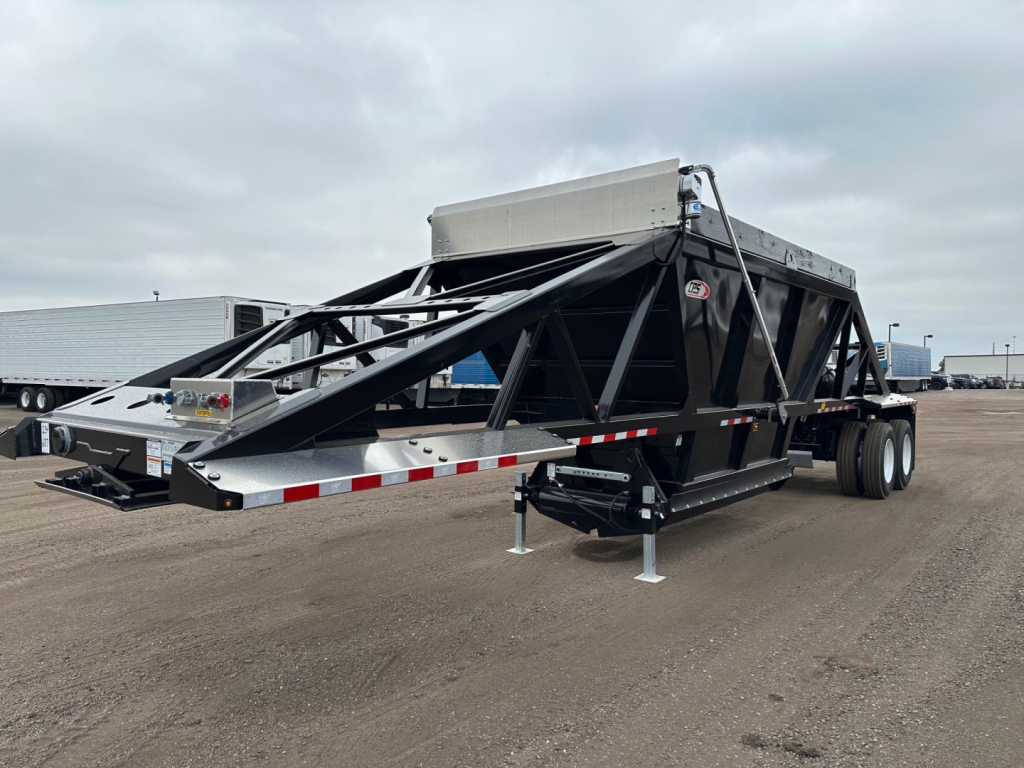
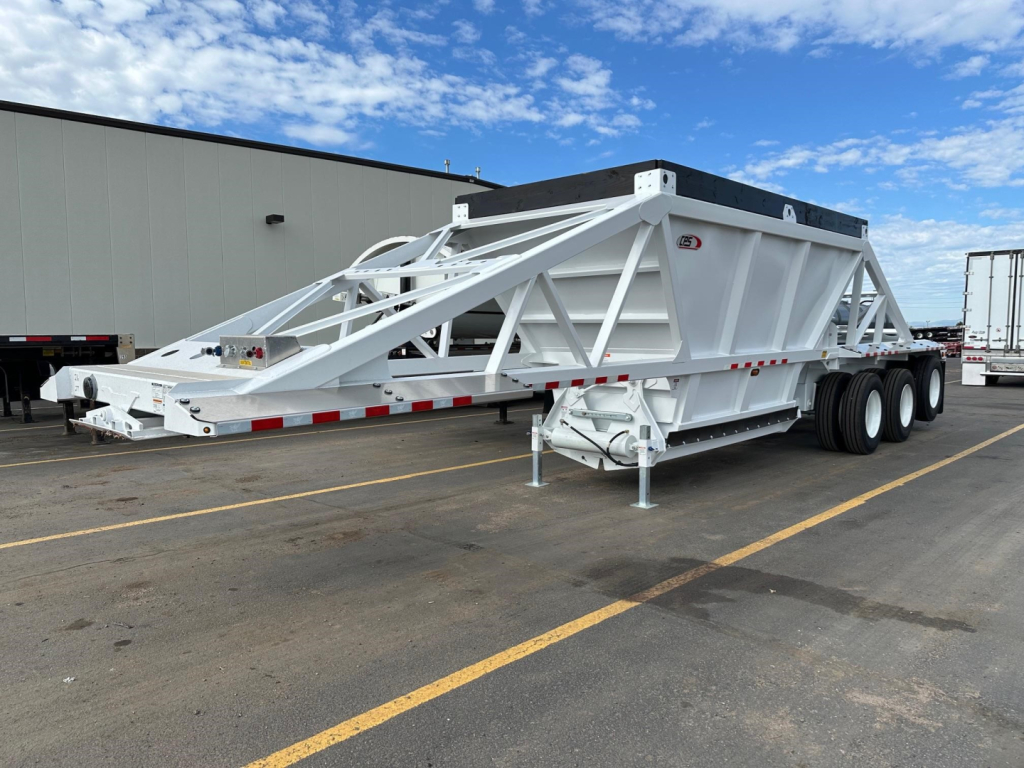
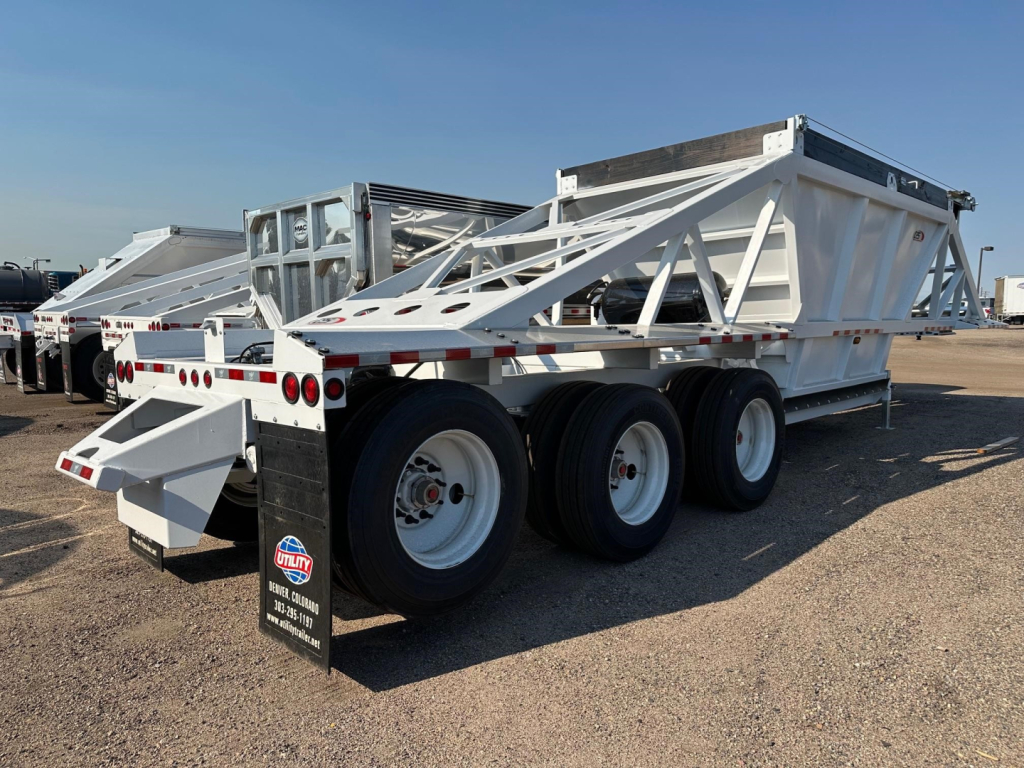
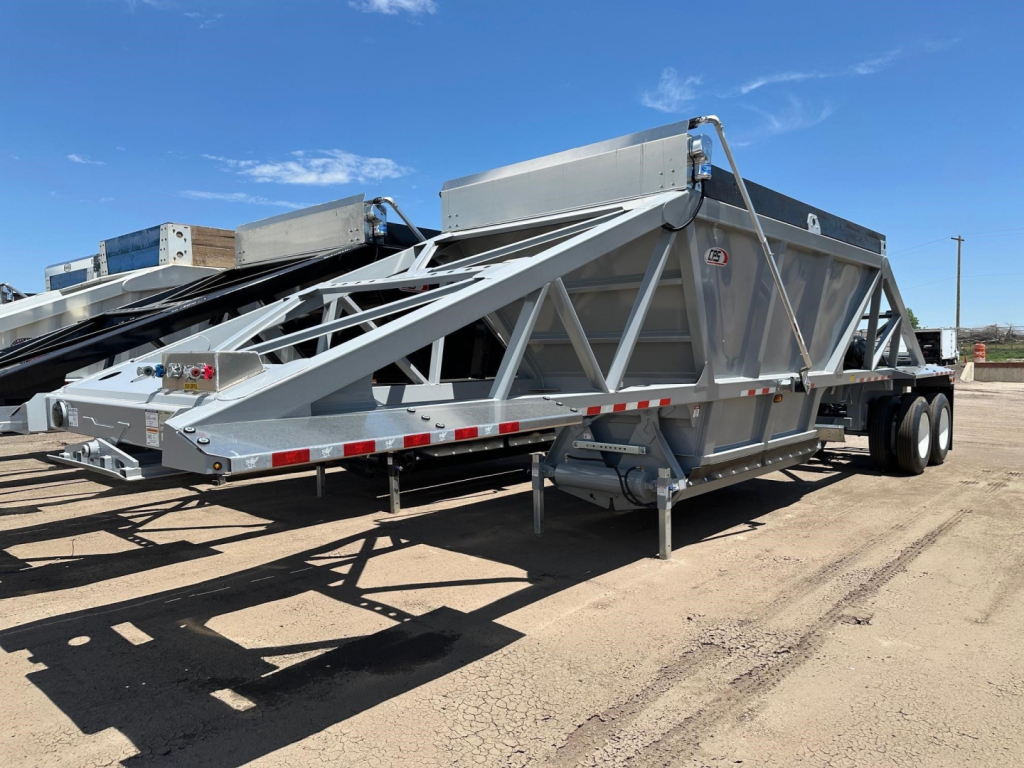
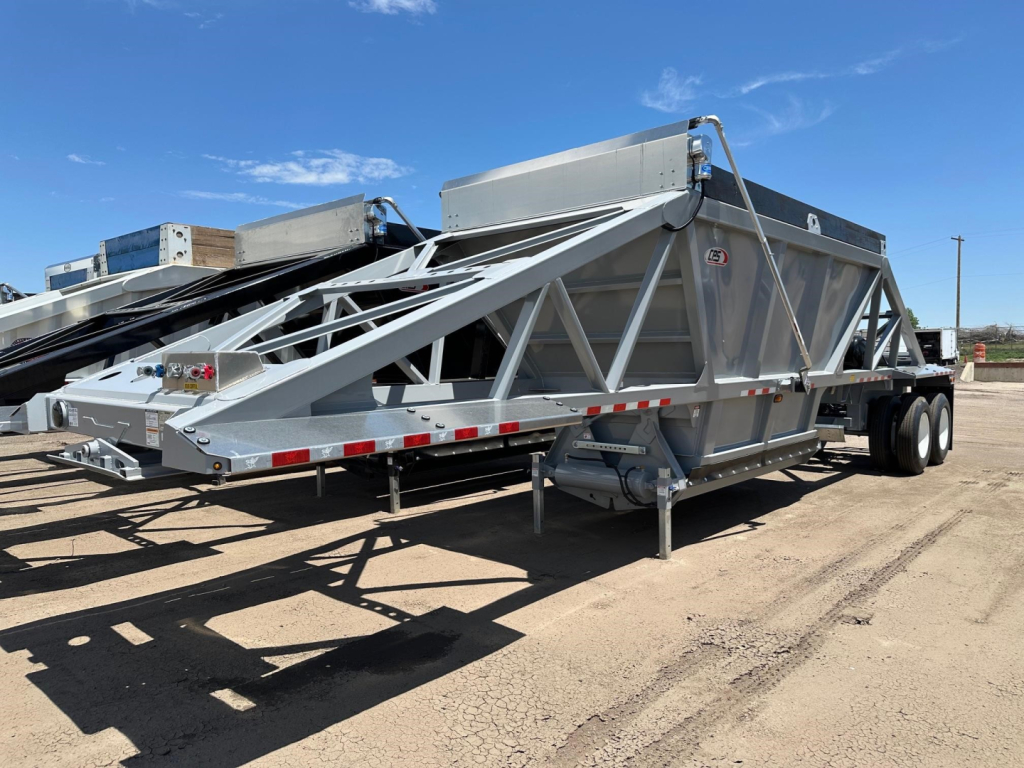
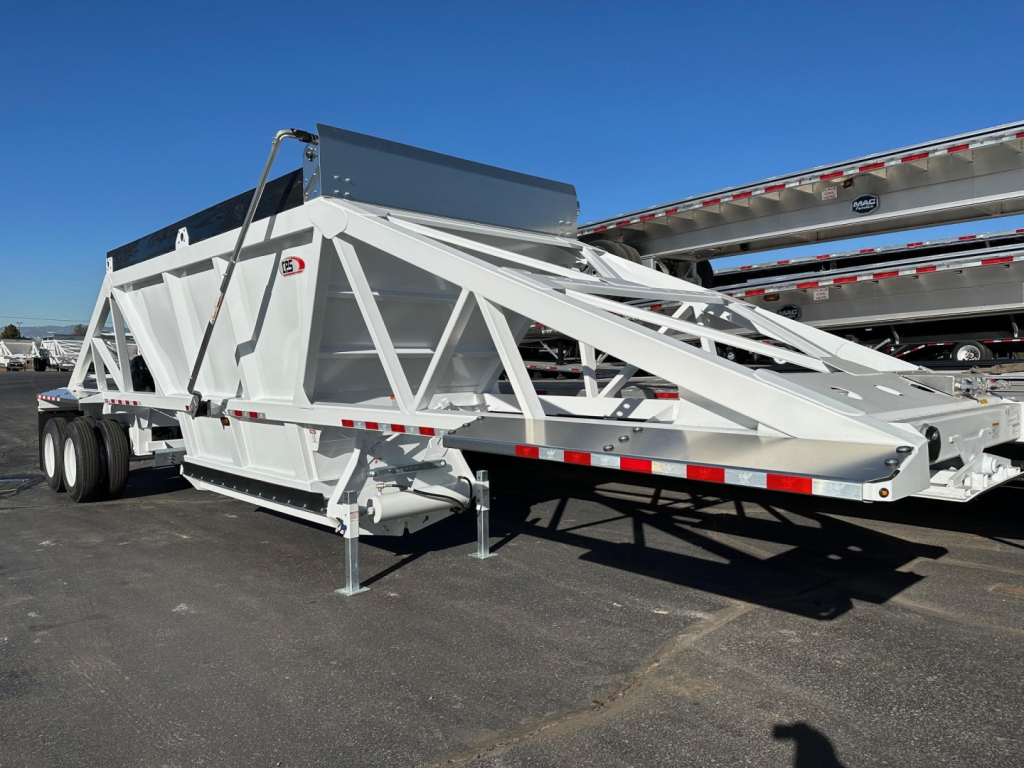
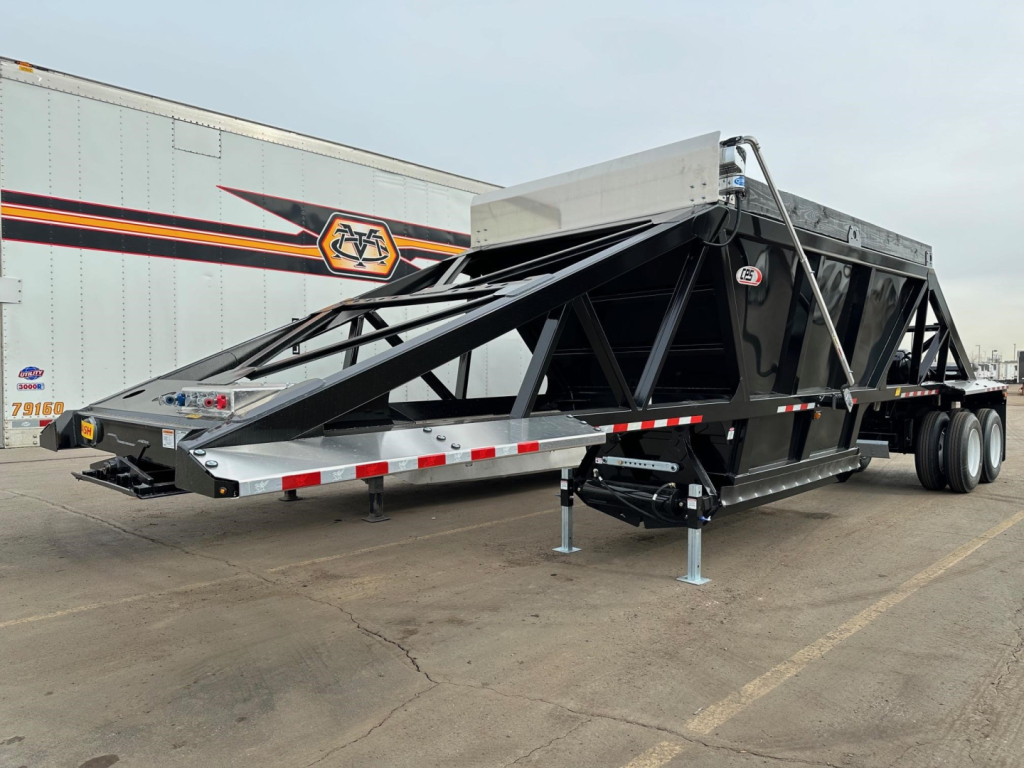
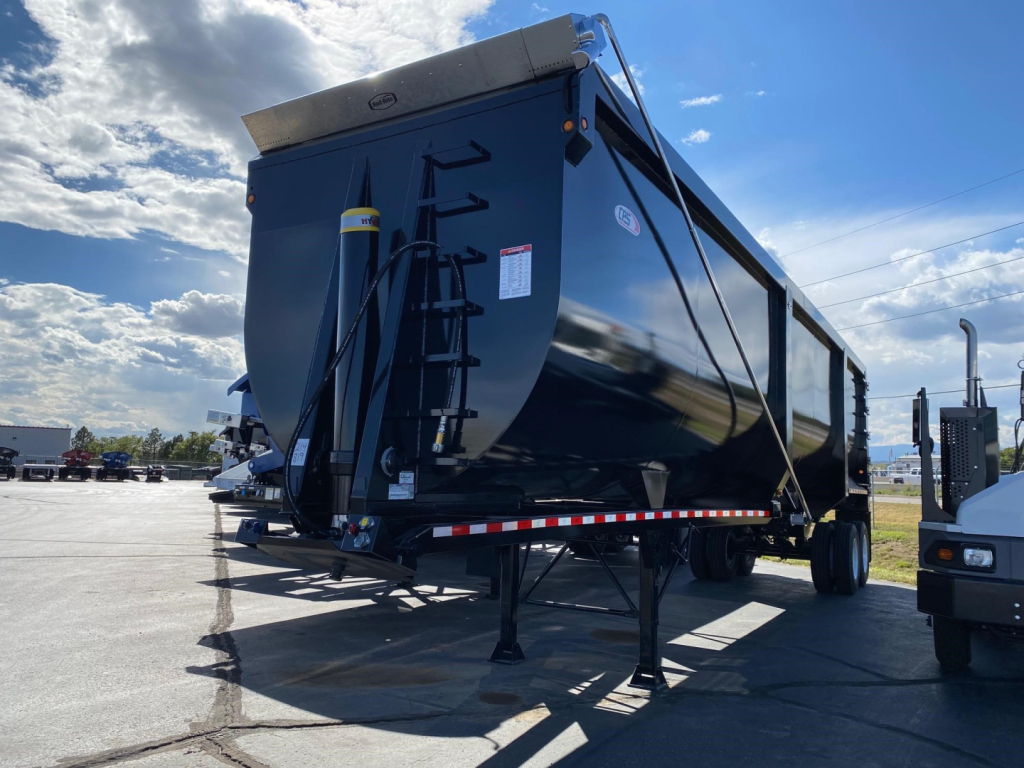
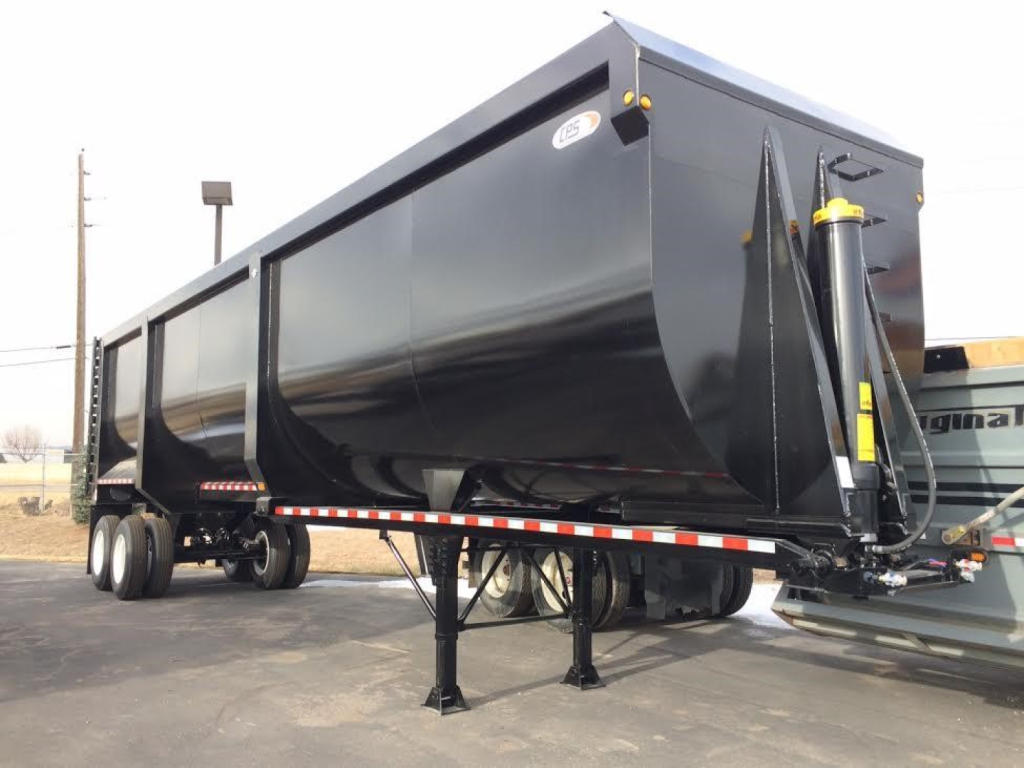
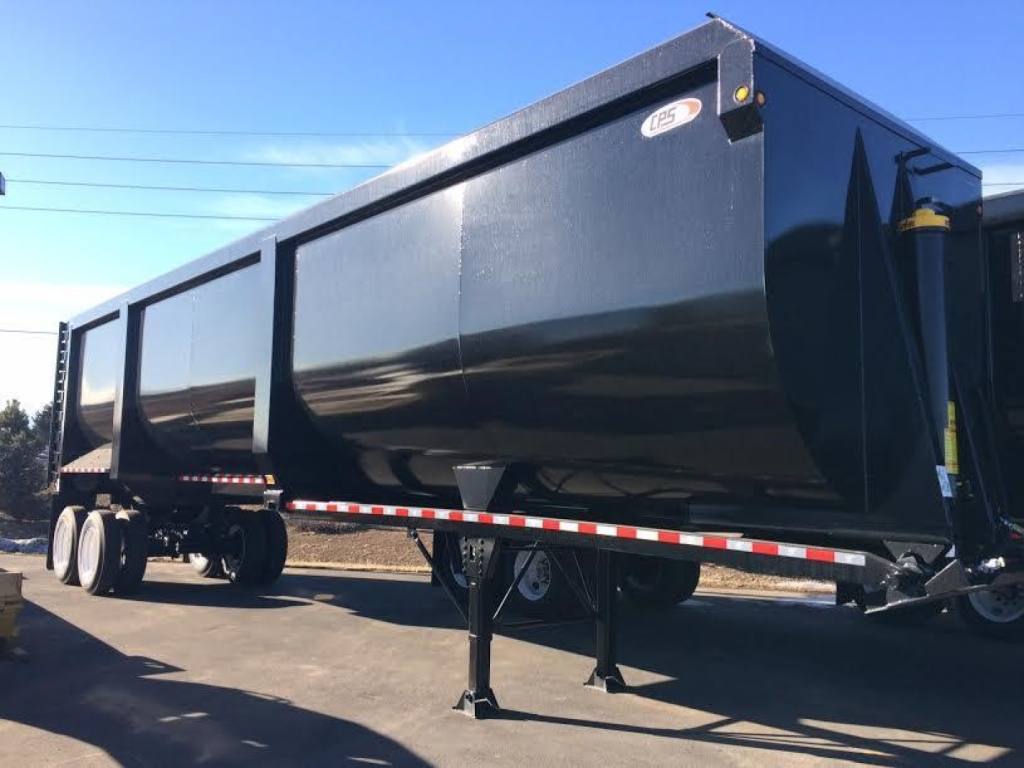
Selling a new cps dump trailer? List your new cps dump trailer for sale and reach thousands of commercial buyers.
New CPS Dump Trailers
CPS bottom dump trailers are commonly set up in 40-foot to 42-foot lengths with single hopper configurations, air ride suspensions, and tandem or tri-axle layouts. Features often seen on this type of trailer include pin setting gate limiters, Versa valve controls, windrow deflectors, bang boards, electric flip tarps, and push blocks. These trailers are popular in road building, shoulder work, and aggregate delivery because they can lay material in a controlled line without raising the body. A lightweight bottom dump helps maximize payload, but buyers still need to look closely at cubic yard rating, gate operation, kingpin setting, suspension type, and tire spec such as 11R24.5 to make sure the trailer matches the tractor and the route.
CPS end dump trailers, including frameless steel and half-round designs, are a different tool. They are often chosen for scrap, demolition, rock, and other abrasive or bulky loads that need full body dump capability. On heavier-duty units, AR450 steel tubs, high sidewalls, barn door swing gates, single point suspension systems, and mesh electric tarps are common. Capacity can vary widely, and a high-cube end dump may prioritize volume for lighter material while a heavier-spec build may be aimed at rock or demolition work where body strength and wear resistance matter more than tare weight. If the trailer will see uneven ground or landfill work, body design, hoist geometry, frame style, and center-of-gravity considerations are just as important as nominal cubic yard capacity.
Across the CPS dump trailer category, buyers should pay attention to GVWR, axle spacing, lift axle configuration, fender construction, liner or body material, lighting, and tarp system reliability. Air ride is often preferred for ride quality and material control, while steel wheels, heavy-duty push blocks, and LED lighting remain common on vocational specs. The right trailer is the one that fits the material flow, not just the highest advertised capacity. A bottom dump can be the more productive choice for continuous spread applications, while an end dump is usually the better fit for demolition, scrap, and off-road style unloading where precise metering is not the priority.
Frequently Asked Questions about New CPS Dump Trailers
What is the difference between a CPS bottom dump trailer and a CPS end dump trailer?
A CPS bottom dump trailer discharges material through gates in the bottom of the hopper, which allows controlled spreading while the trailer is moving. That makes it a strong choice for aggregate, asphalt-related work, road base, and shoulder material. A CPS end dump trailer raises the body and unloads out the rear, which is better for scrap, demolition debris, rock, and bulk material that does not need a metered spread pattern.
What should I look for when buying a new CPS bottom dump trailer?
Focus on hopper configuration, gate controls, suspension, axle count, cubic yard capacity, and overall weight. Features such as pin setting gate limiters, Versa valve controls, windrow deflectors, electric flip tarps, and push blocks directly affect day-to-day productivity. Buyers should also confirm kingpin setting, tire size, and axle layout so the trailer works with the intended tractor and stays legal on the routes where it will operate.
Are CPS dump trailers used mainly for aggregate hauling?
Many CPS dump trailers are well suited for aggregate hauling, but the category is broader than that. Bottom dumps are widely used in paving support, road building, and sand or base material delivery. End dumps are often used in scrap, demolition, construction debris, and rock hauling. The right application depends on discharge method, body construction, and how much material control is needed at the jobsite.
Why does body material matter on a new dump trailer?
Body material affects tare weight, durability, and long-term wear resistance. A lightweight trailer can improve payload and efficiency, especially in aggregate service. Heavier steel bodies, including AR450-spec tubs on some end dumps, are better suited for abrasive or impact-heavy material such as demolition debris, scrap, or rock. Buyers should match the body construction to the actual material stream rather than choosing only by empty weight.
Is air ride a good choice on a dump trailer?
Air ride is a common choice because it improves ride quality and can help with material stability and trailer control on the road. It is often seen on bottom dump configurations where smooth material flow and predictable handling matter. The best suspension still depends on the application, axle law, and operating environment, so buyers should compare air ride, axle arrangement, and any lift axle setup as a complete package rather than as separate options.