
New CPS Dump Trailers For Sale in Colorado
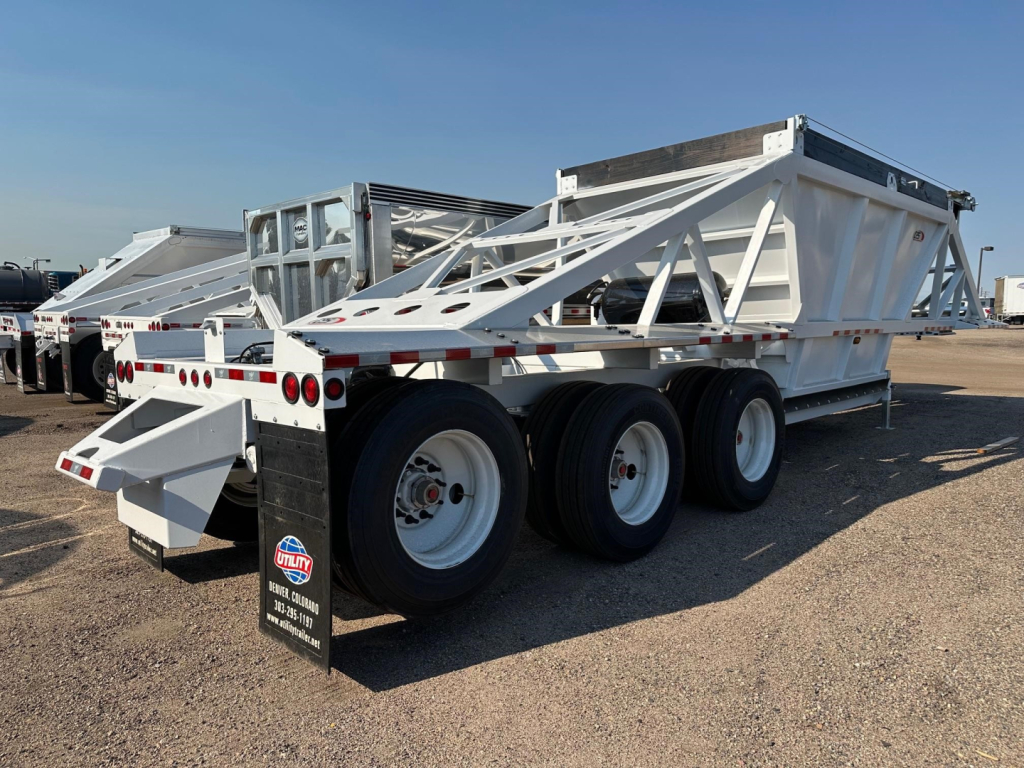
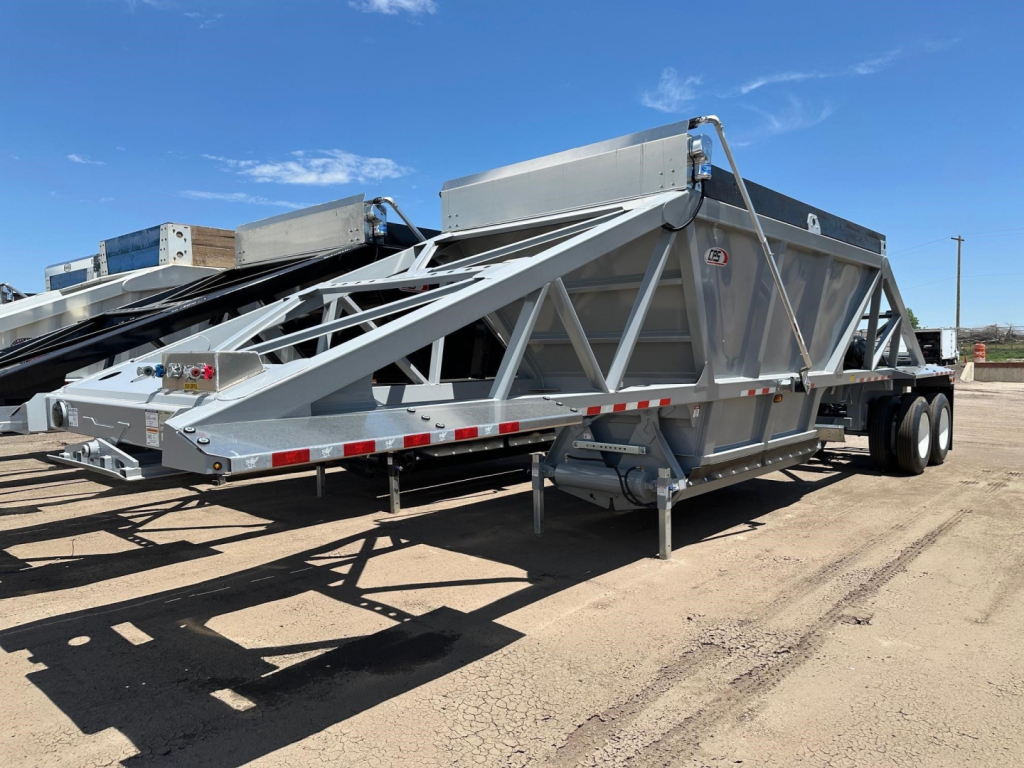
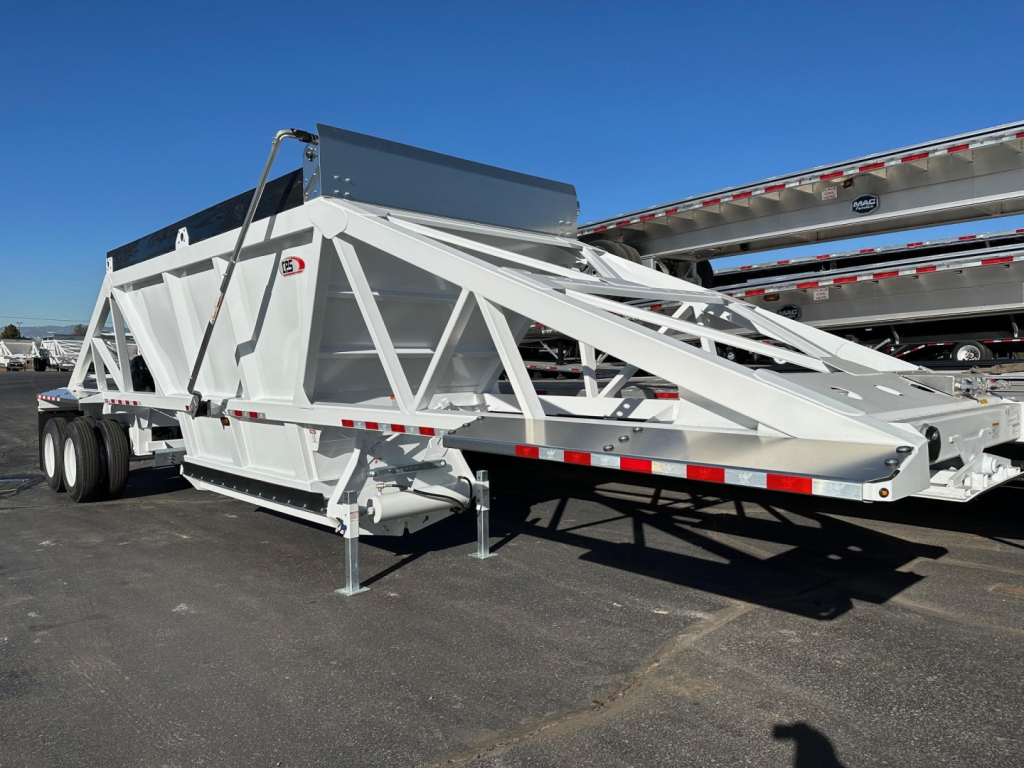
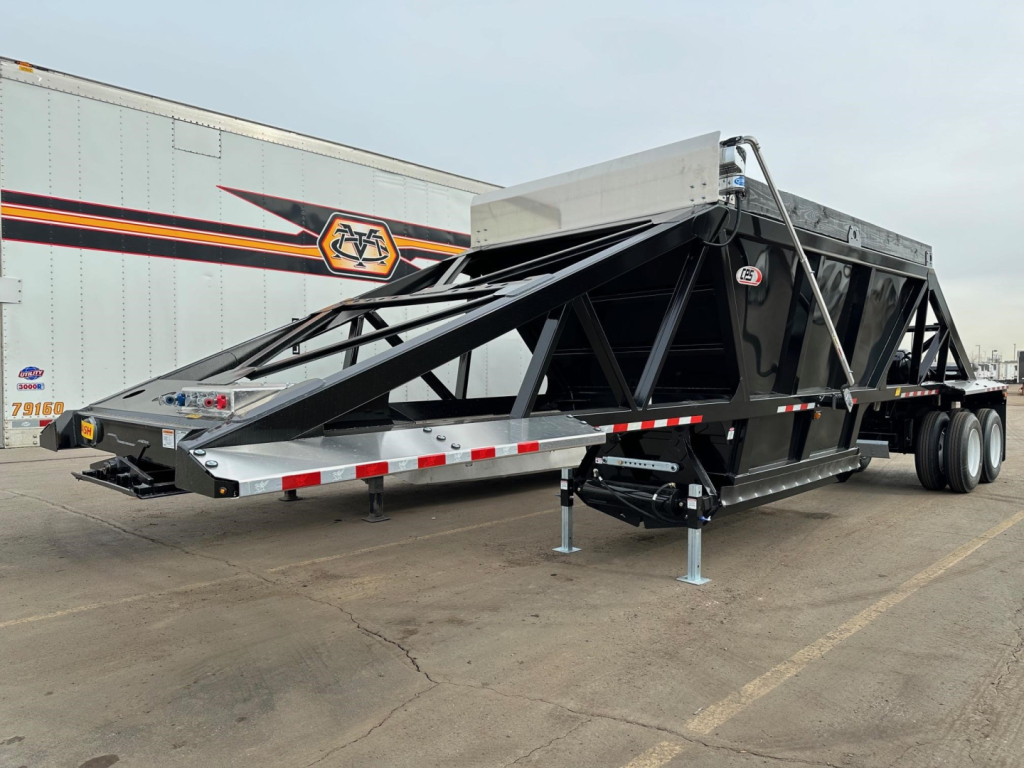
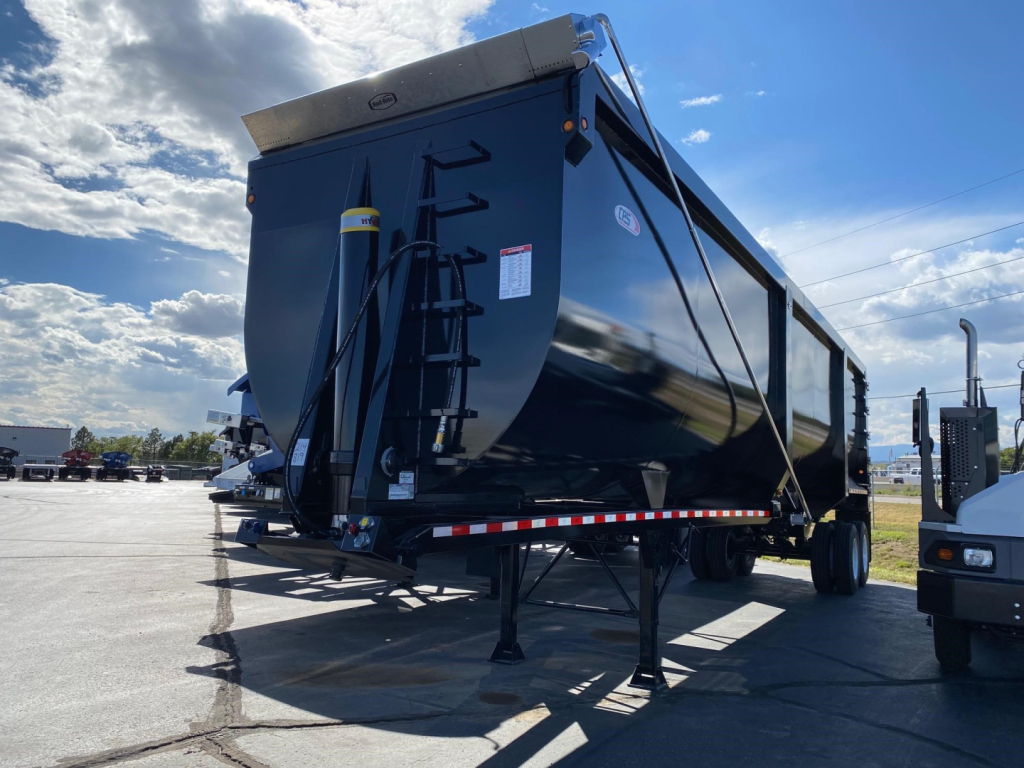
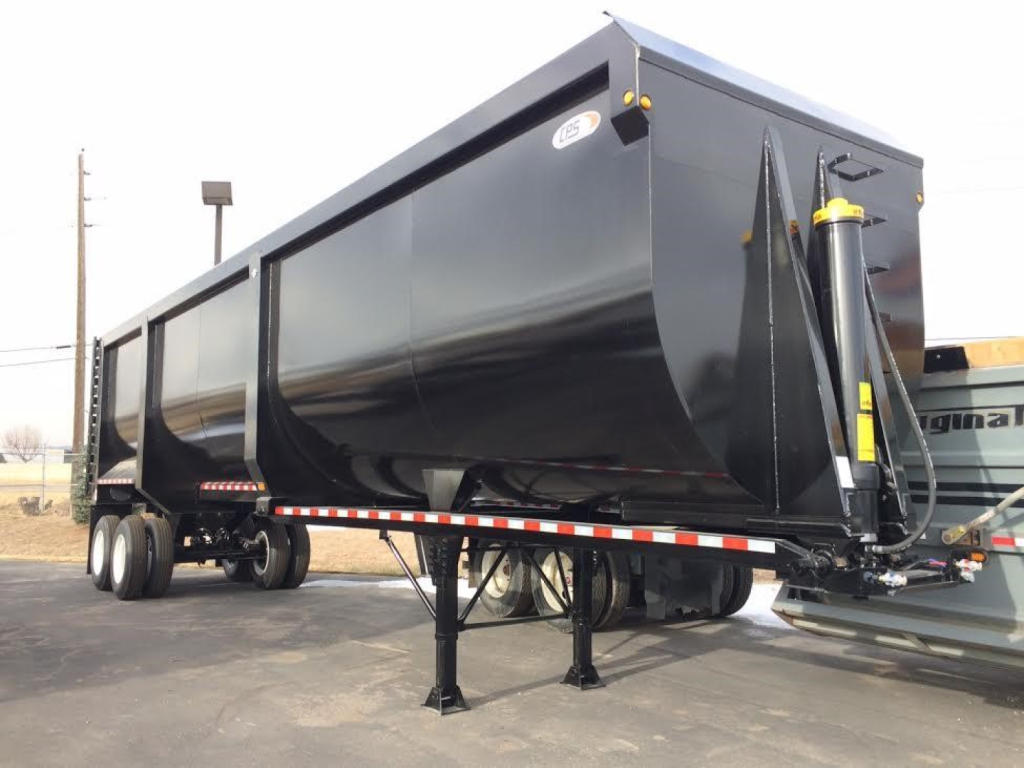
New CPS dump trailers for sale in Colorado, including bottom dumps and frameless end dumps for aggregate, scrap, demolition, and paving work.
Selling a new cps dump trailer? List your new cps dump trailer for sale and reach thousands of commercial buyers.
New CPS Dump Trailers in Colorado
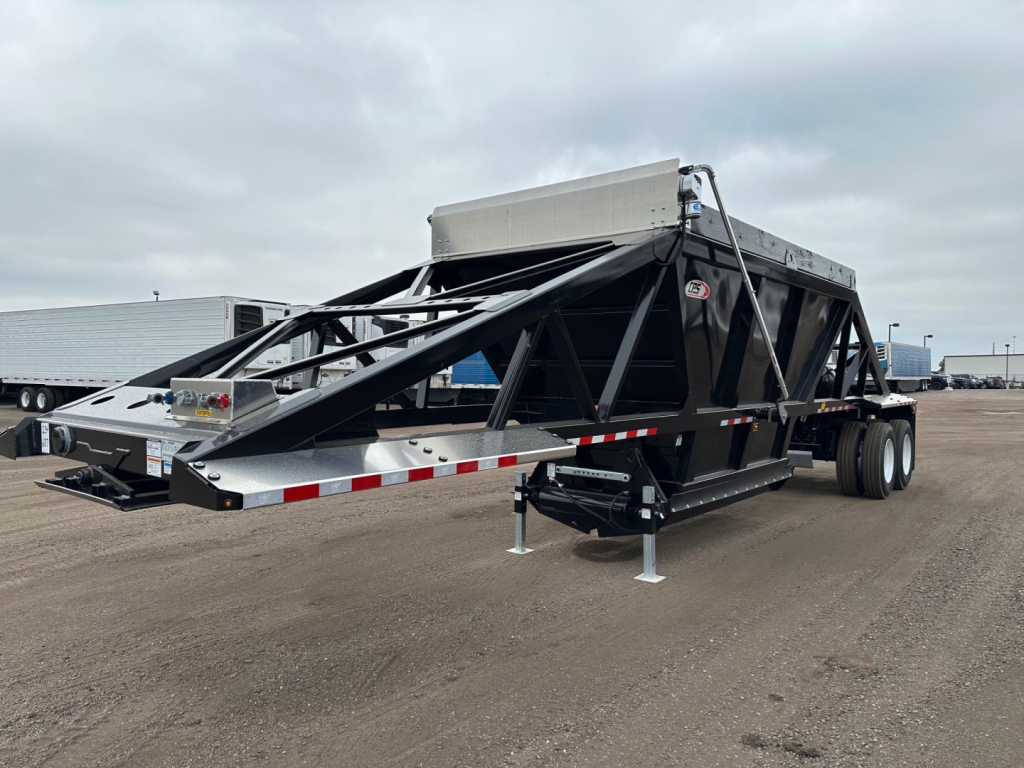
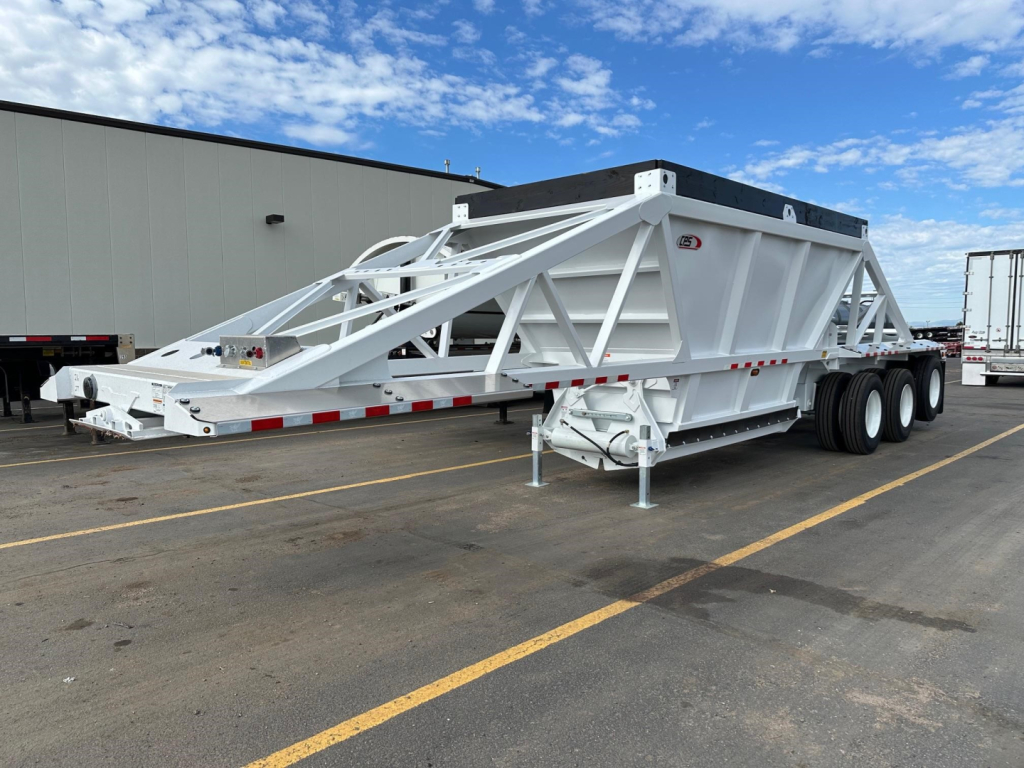
If your work is material placement on the move, a bottom dump trailer is often the better tool than a traditional end dump. It can lay material in a windrow without stopping to raise the body, which helps on road work, shoulder repair, and large aggregate spreads. Buyers should pay close attention to gate control, hopper design, kingpin setting, suspension type, and axle spread because those details influence discharge consistency, bridge compliance, and maneuverability. In Colorado, terrain and haul profile matter. Air ride can help protect the trailer and improve ride quality on mixed surfaces, while proper tarp and fender setup becomes important when weather, dust control, and highway travel are part of the routine.
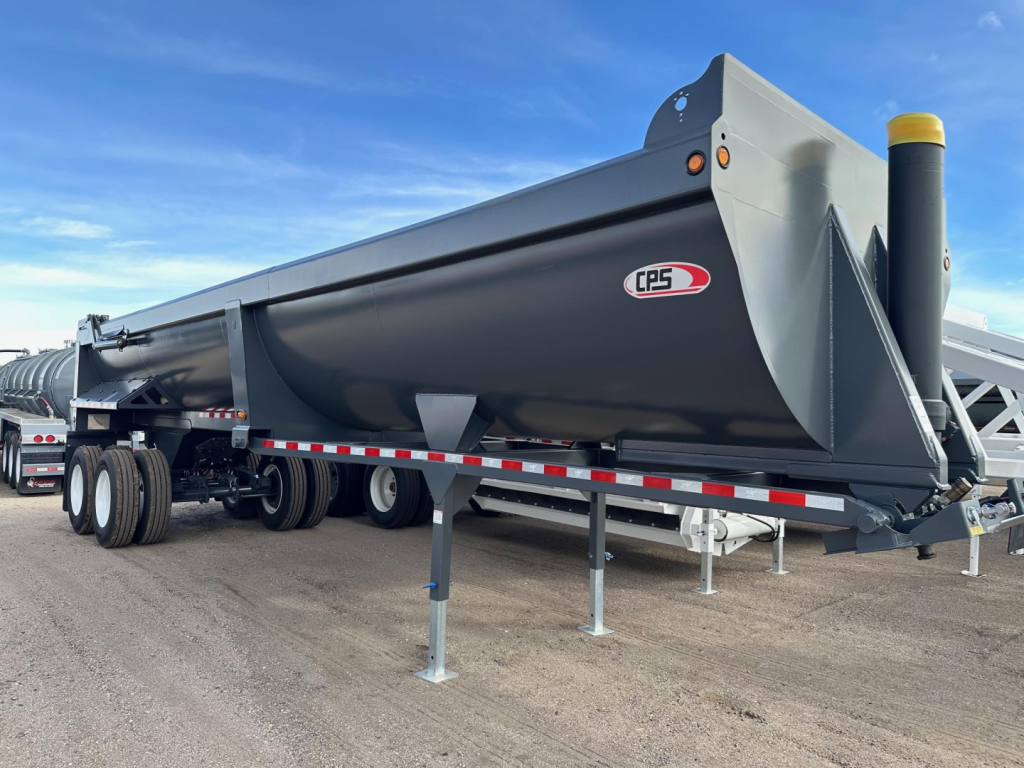
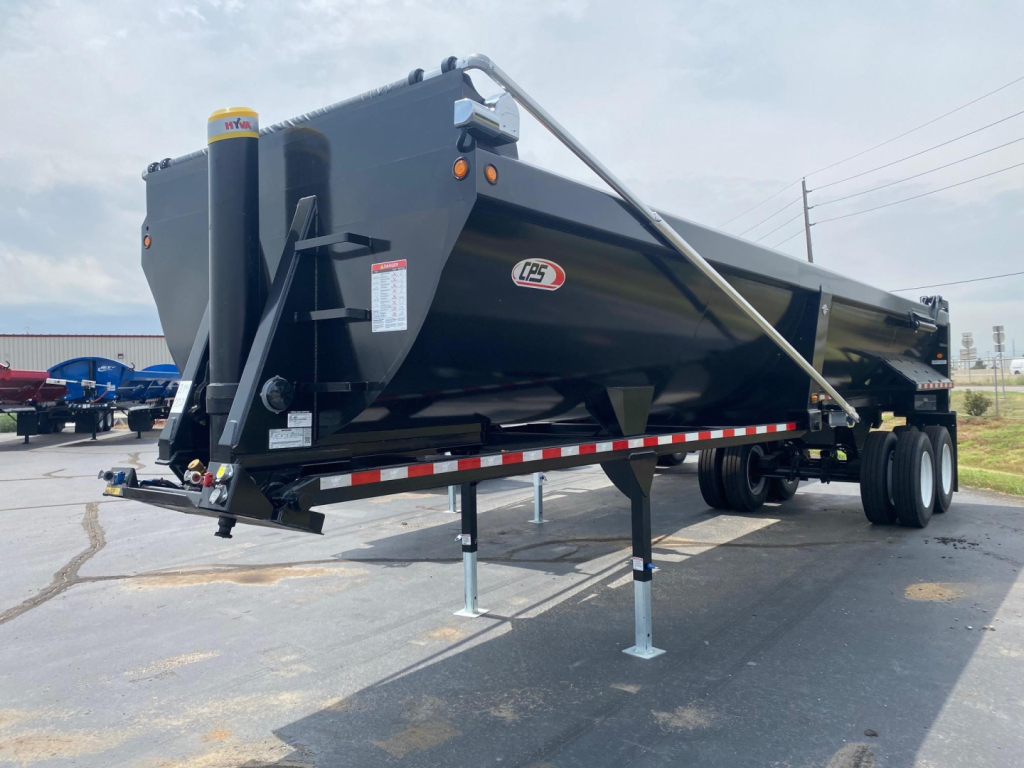
CPS frameless end dumps are aimed at tougher material and higher-volume hauling. Listings in this category often include half-round AR450 steel tubs, high-lift gates or barn door swing gates, single-point suspension setups, and high-cube bodies for rock, scrap, demolition debris, and construction waste. AR450 steel is a key spec because it adds abrasion resistance for severe-duty loads. Half-round tubs also help material clean out more efficiently than square bodies when hauling sticky or irregular commodities. Typical overall lengths in this category range from shorter rock tubs around 34 feet OAL to large scrap and demolition trailers around 42 feet OAL with side heights approaching 100 inches and capacities reaching into the upper cubic-yard range.
For a buyer comparing new CPS dump trailers, the real decision comes down to material, unloading method, and operating environment. Bottom dumps favor aggregate fleets that need speed and precise spread control. Frameless end dumps favor rock, scrap, and demolition fleets that need payload, durability, and simple unload cycles. Review tub material, gate style, tarp setup, ladder placement, suspension, tire size, and wheel spec as working features rather than add-ons. On a new trailer, those choices determine empty weight, structural life, loading compatibility, and how efficiently the trailer fits your daily routes and jobsite conditions.
Frequently Asked Questions about New CPS Dump Trailers in Colorado
What is the difference between a CPS bottom dump trailer and a CPS end dump trailer?
A CPS bottom dump trailer releases material through gates in the floor, making it ideal for controlled spreading of aggregate, sand, and road base while the trailer is moving. A CPS end dump trailer raises the tub to discharge from the rear, which makes it better suited for bulk unloading of rock, demolition debris, scrap, and other materials that do not require precision placement. The right choice depends on whether your work is production spreading or conventional dump-and-go unloading.
Why does AR450 steel matter on a dump trailer?
AR450 steel is an abrasion-resistant material commonly used in severe-duty dump tubs because it stands up better to rock, scrap, and demolition loads than standard steel. On a frameless end dump, AR450 can help reduce wear in the tub, extend service life, and improve long-term value in high-impact applications. It is especially relevant for fleets hauling abrasive commodities where body damage and material hang-up are common concerns.
What should I look for in a new bottom dump trailer for Colorado hauling?
For Colorado operations, focus on suspension type, gate control, axle configuration, tarp system, and overall weight. Air ride can improve ride quality and reduce stress on the trailer over rough roads, while gate limiters, Versa valve controls, and windrow deflectors affect how accurately material is discharged. Buyers should also consider kingpin setting, tire size, and tandem configuration to match bridge laws, maneuverability needs, and typical haul distances.
Are frameless end dumps better than frame-type dump trailers?
A frameless end dump is often preferred when payload is a priority because the design can reduce empty weight compared with a full-frame trailer. Frameless construction is common in rock, aggregate, and demolition applications, but it also places more stress on the tractor and hoist geometry during unloading. Buyers should match a frameless trailer to the tractor spec, fifth-wheel setup, and operating terrain to maintain stability and durability.
What gate and tarp options are most important on a dump trailer?
Gate and tarp choices should match the commodity being hauled and the way the trailer is unloaded. High-lift gates are common for rock and aggregate because they provide clean discharge clearance, while barn door swing gates are often used for scrap or demolition material. Electric flip tarps and mesh tarps help with load containment, highway compliance, and weather protection, and they are especially useful when the trailer will see frequent road travel between jobsites.