
New 2027 CPS Dump Trailers For Sale in Colorado
New 2027 CPS dump trailers for sale, including end dumps and bottom dumps with air ride, heavy-duty tubs, tarp systems, and jobsite-ready specs.
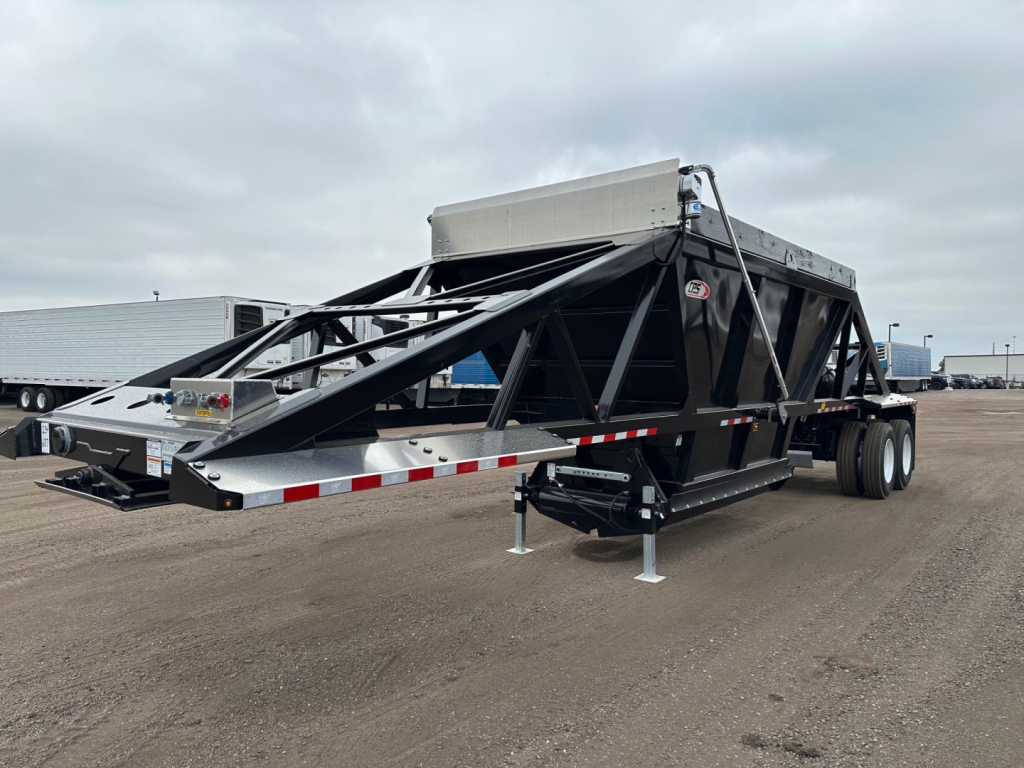
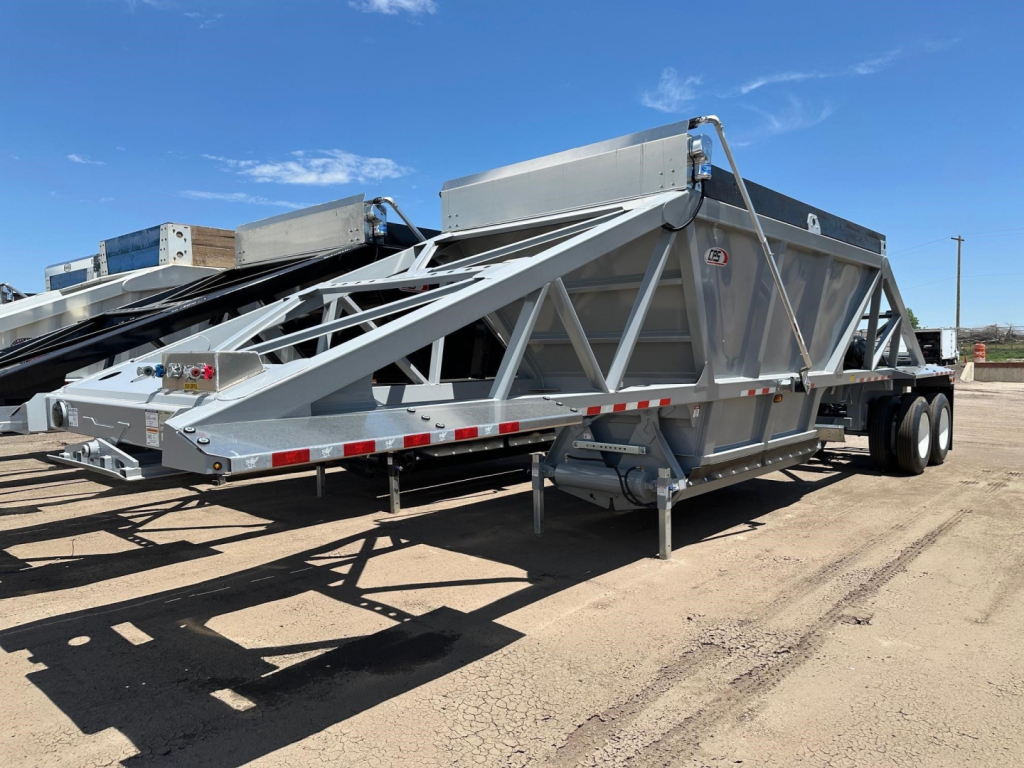
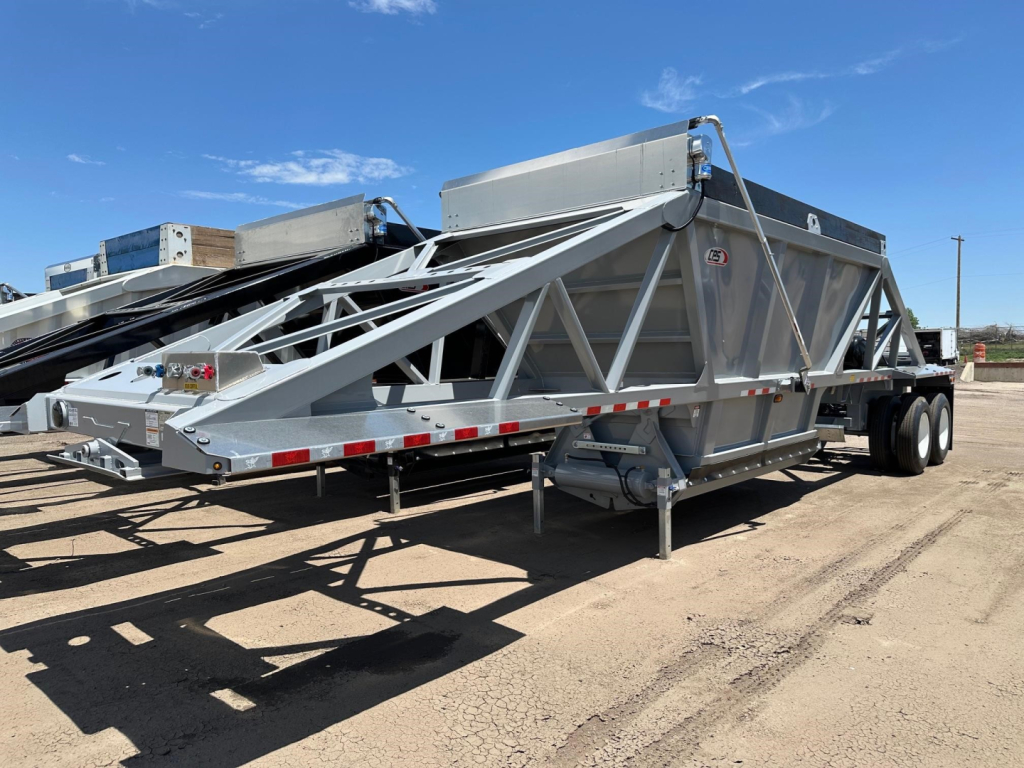
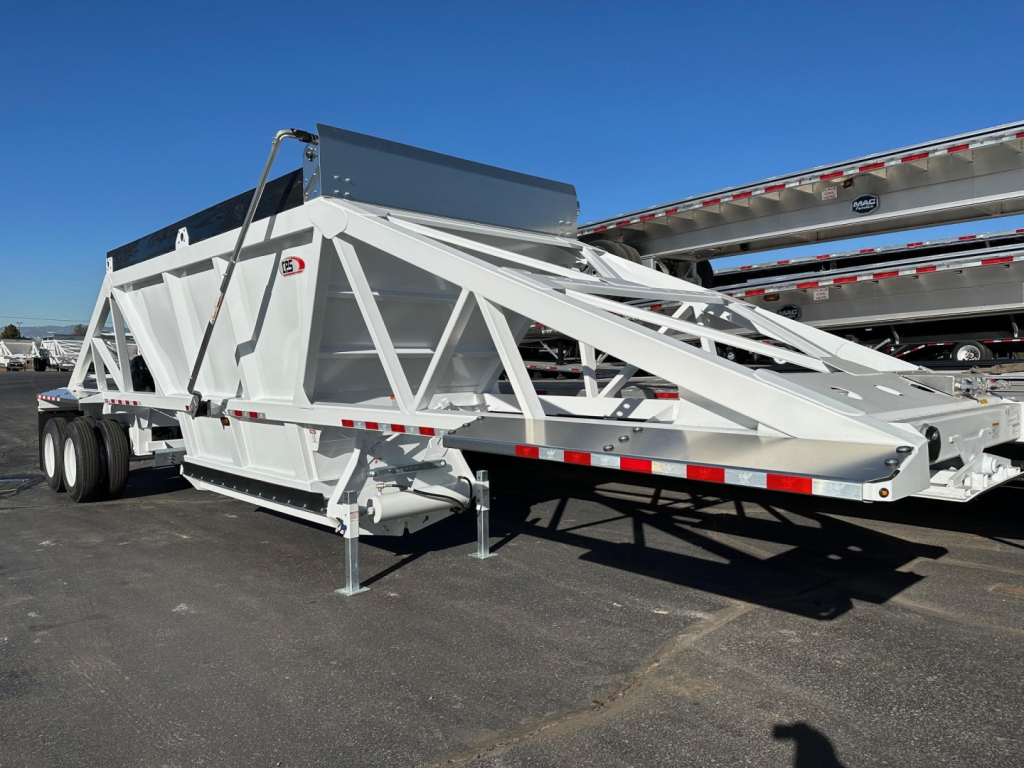
Selling a new 2027 cps dump trailer? List your new 2027 cps dump trailer for sale and reach thousands of commercial buyers.
New 2027 CPS Dump Trailers in Colorado
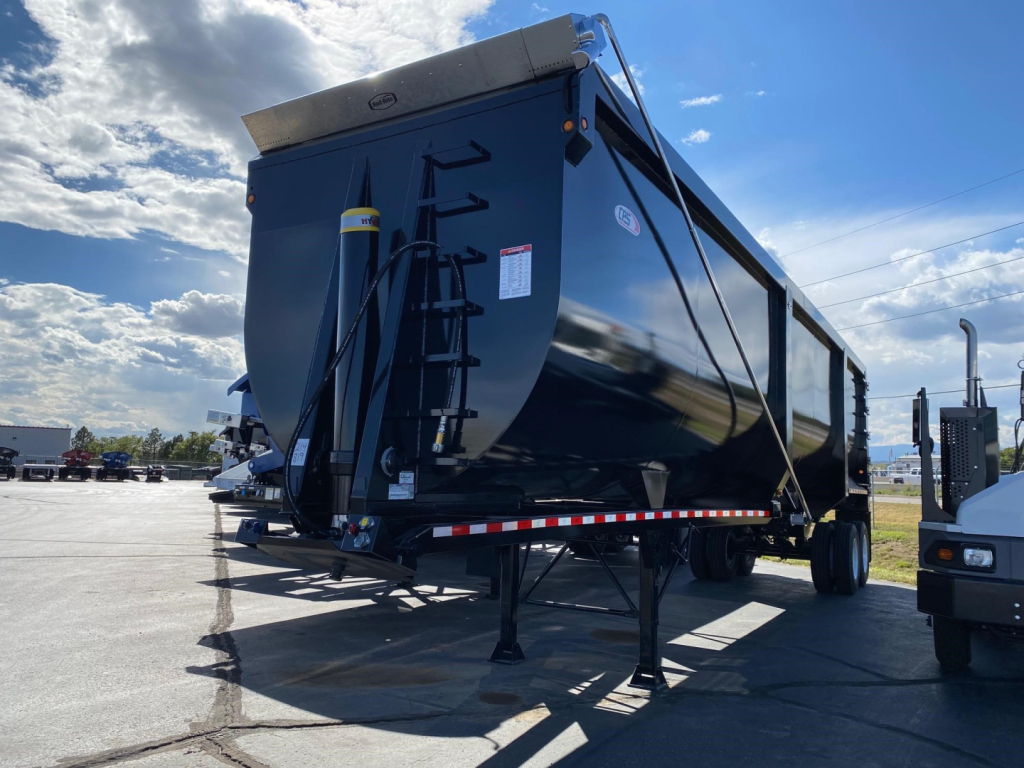
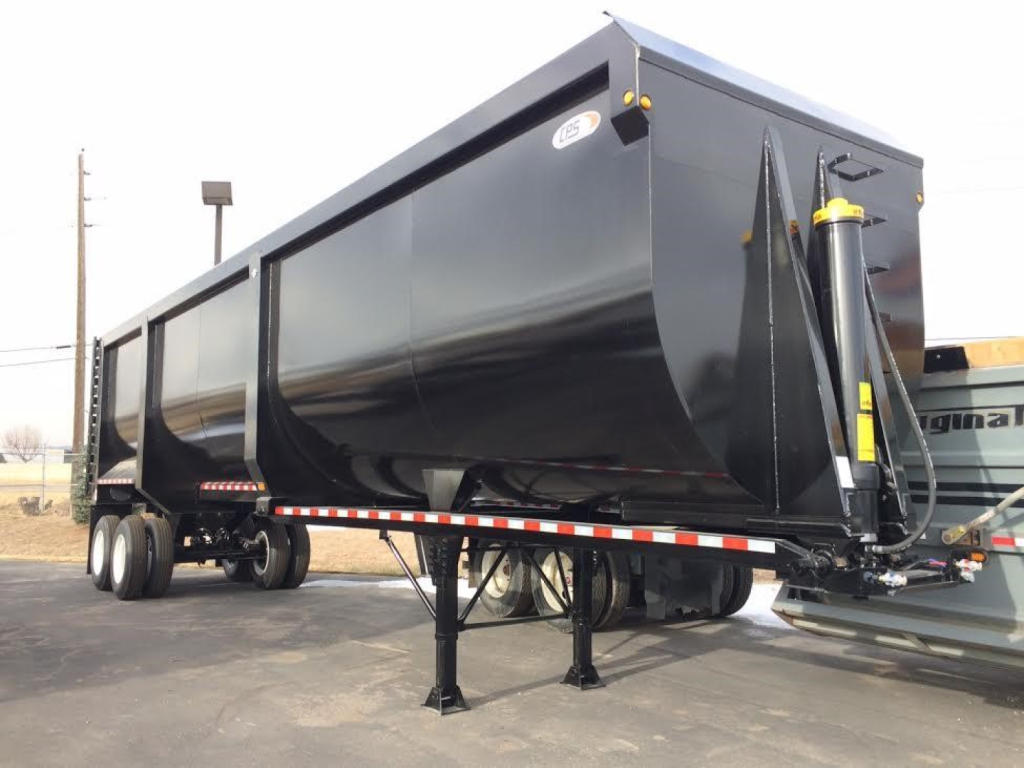
For rock and abrasive material, common CPS end dump specs include a steel half-round tub, often in AR450 or similar wear-resistant steel, around 32 feet of tub length and roughly 34 feet overall. That setup is popular because it balances cubic capacity, empty weight, and stability on uneven job sites. Details like a high-lift gate, rear fenders, ladder access, mesh electric flip tarp, and single-point suspension matter in daily use more than buyers sometimes expect. Gate style affects how well oversized material clears, tarp design affects turnaround and compliance, and suspension choice can influence maintenance cost and off-road durability.
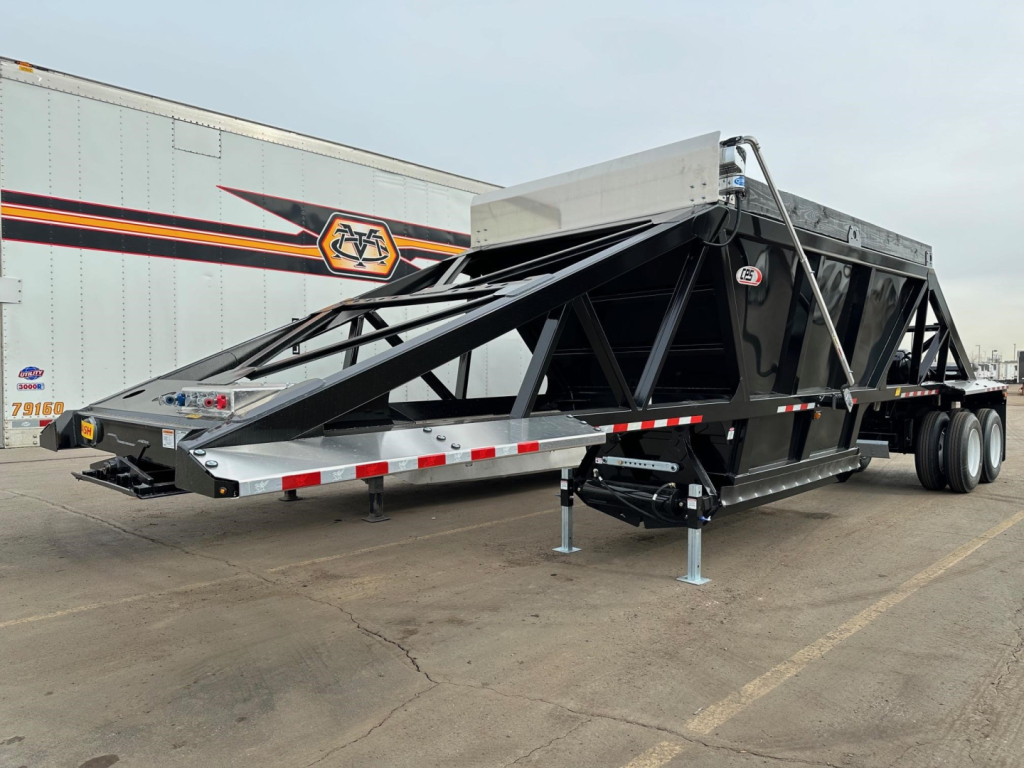
CPS bottom dump trailers are typically selected by contractors and material haulers who need fast, controlled unloading without raising the body. Common configurations in this class include 40- to 42-foot lengths, single hopper layouts, closed tandem or tri-axle arrangements, air ride suspension, 11R24.5 tires, steel wheels, and features such as bang boards, windrow deflectors, push blocks, electric slide or flip tarps, and pin setting gate limiters. Buyers should pay close attention to gate control systems such as a Versa valve, because discharge consistency is a major productivity factor when laying gravel, sand, or road mix. In Colorado, bottom dumps are especially attractive for highway work and higher-wind conditions where low-center-of-gravity unloading adds safety and speed.
The right 2027 CPS dump trailer comes down to payload target, material density, jobsite terrain, and how much control you need at discharge. Heavier steel end dumps usually make more sense for sharp rock and demolition debris, while lightweight bottom dumps can improve legal payload and reduce cycle time in aggregate and paving fleets. It is also worth checking axle layout, GVWR, suspension type, tarp operation, and hopper or tub design against the routes you actually run. A well-matched dump trailer will not just carry more material. It will unload faster, wear better, and stay productive in the conditions your operation sees every day.
Frequently Asked Questions about New 2027 CPS Dump Trailers in Colorado
What is the difference between a CPS end dump trailer and a CPS bottom dump trailer?
A CPS end dump trailer unloads by raising the front of the body and dumping material out the rear gate, which makes it a strong choice for rock, demolition debris, and other bulk loads that do not require precision placement. A CPS bottom dump trailer discharges through gates in the floor, allowing a controlled spread while the trailer stays level. Bottom dumps are commonly used for road base, gravel, sand, and paving support because they unload faster on stable surfaces and can place material in a windrow more consistently.
Why do many buyers choose a frameless steel half-round tub for rock hauling?
A frameless steel half-round tub is popular for rock hauling because the curved body promotes clean discharge and reduces material hang-up, while abrasion-resistant steel such as AR450 stands up better to repeated impact from sharp aggregate. Frameless construction also helps keep weight reasonable for the capacity. For operations moving blasted rock, riprap, or demolition material, body material and tub shape are usually more important than cosmetic features because they directly affect service life and repair frequency.
What specs matter most on a bottom dump trailer?
The most important bottom dump specs usually include hopper configuration, axle layout, suspension type, tire size, gate control system, and tarp design. A single hopper setup can be simpler to operate, while tri-axle or lift axle configurations may help with bridge laws and payload strategy. Air ride suspension is common for road work and higher-speed hauling. Gate limiters, Versa valve controls, and windrow deflectors are especially important because they affect how evenly material is placed and how much cleanup is required after unloading.
Are air ride dump trailers a good fit for Colorado hauling?
Air ride dump trailers can be a very good fit for Colorado, especially for fleets running highway miles, aggregate routes, and paving support work. Air ride generally improves ride quality, can be easier on trailer structure and components over time, and is well suited to bottom dump applications where stable unloading and consistent gate performance matter. For rough quarry access or severe off-road use, some buyers still favor simpler heavy-duty suspension setups, so the best choice depends on how much time the trailer spends on pavement versus uneven job sites.
How should a buyer choose between tandem and tri-axle dump trailer configurations?
The decision usually comes down to legal payload, bridge formula requirements, maneuverability, and the type of work being done. Tandem configurations are often lighter and easier to maneuver in tighter jobsites, which can help maximize payload on certain routes. Tri-axle trailers, including setups with a lift axle, may offer better weight distribution and higher GVWR potential for specific applications. Buyers should compare axle spacing, state weight laws, and the average load they intend to haul instead of assuming one layout is automatically better.