
New 2027 CPS Dump Trailers For Sale
Shop new 2027 CPS dump trailers including bottom dump, rock end dump, and scrap trailers built for aggregate, paving, demolition, and hauling.
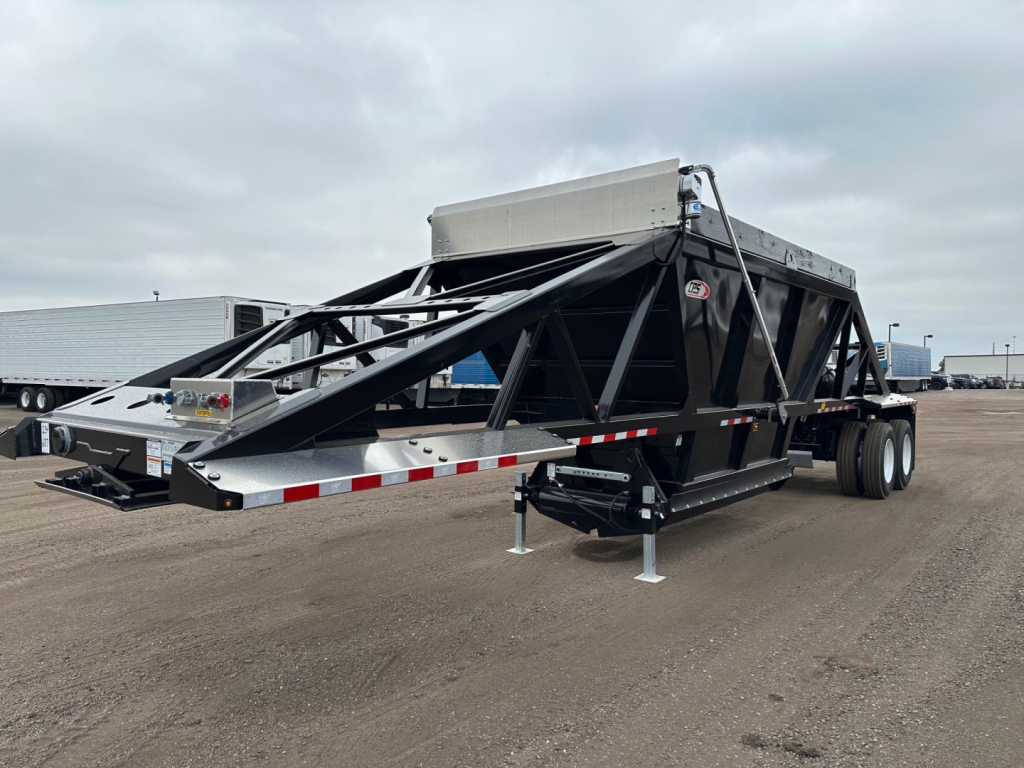
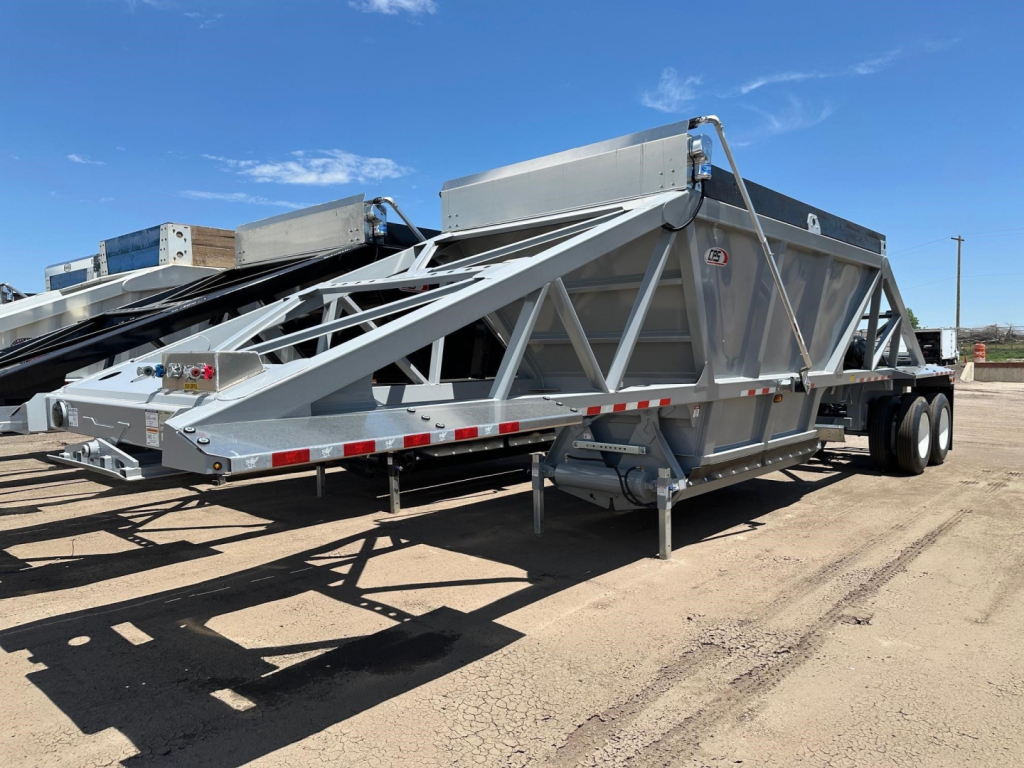
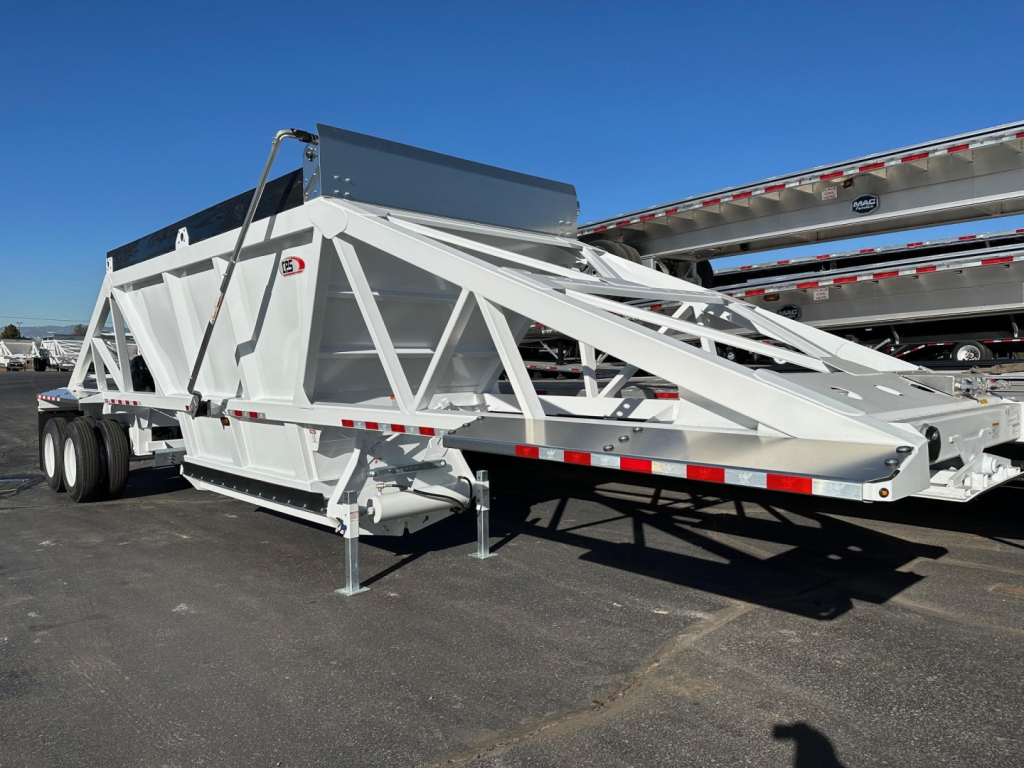
Selling a new 2027 cps dump trailer? List your new 2027 cps dump trailer for sale and reach thousands of commercial buyers.
New 2027 CPS Dump Trailers
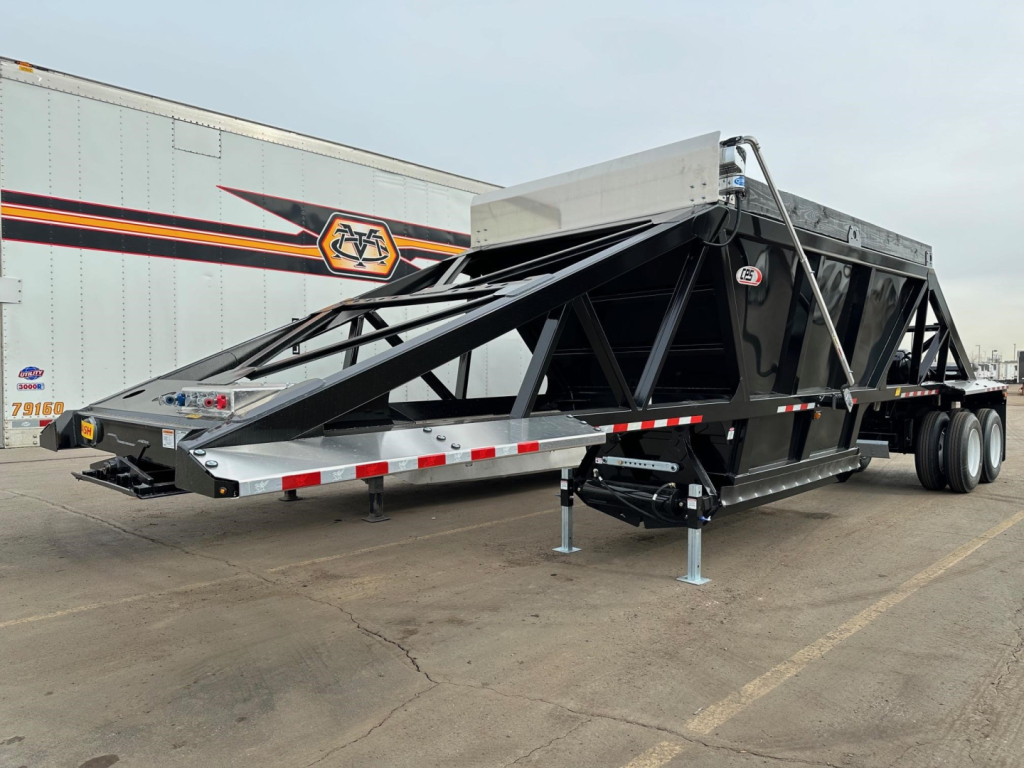
A CPS bottom dump is built for operations that need material laid out in a consistent ribbon rather than piled at the rear. Features like a Versa valve, pin-setting gate limiters, bang boards, and windrow deflectors help fine-tune discharge rate and spread pattern. Closed tandem axle layouts and air ride suspensions are attractive for fleets balancing payload, ride quality, and pavement-friendly performance. If your work is tied to road building, shoulder work, or stockpile management, pay close attention to hopper design, gate actuation, kingpin setting, tare weight, and tarp style because those details directly affect both productivity and legal payload.
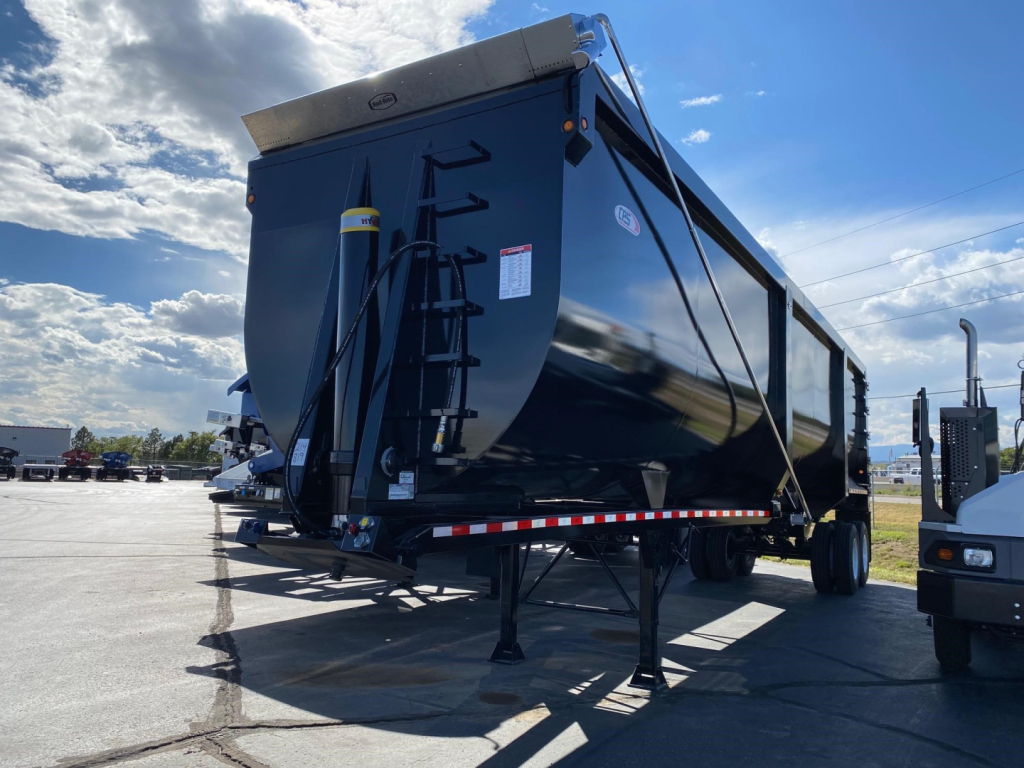
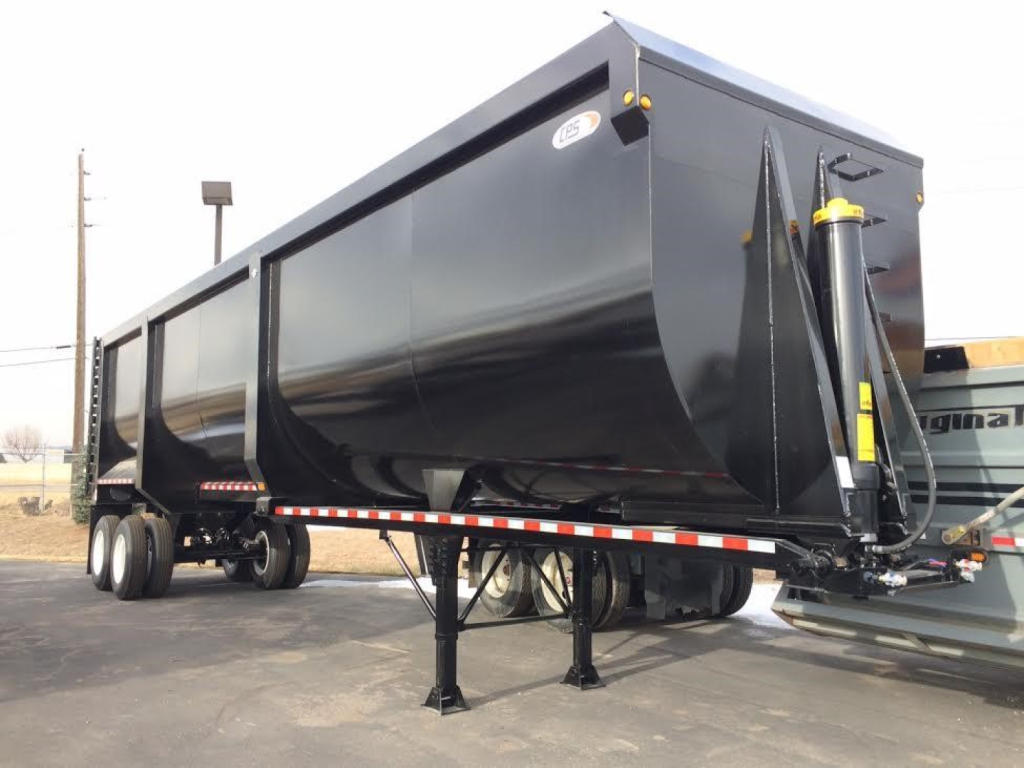
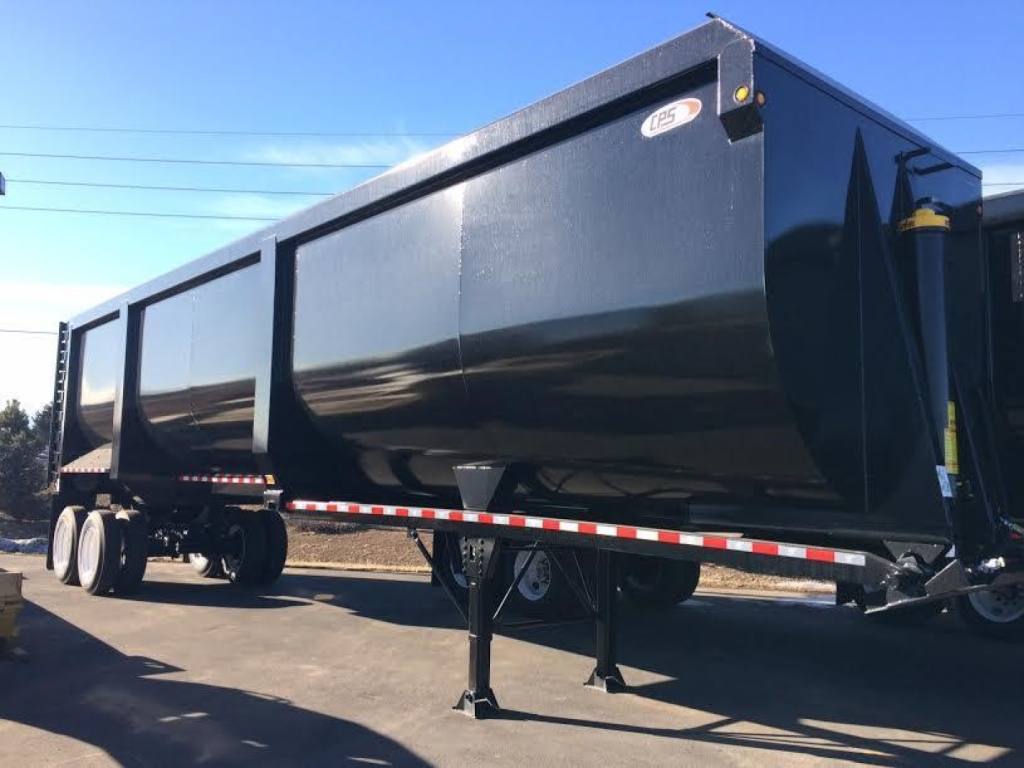
On the end dump side, CPS offerings commonly include frameless steel designs with half-round AR450 tubs for abrasive material and impact resistance. Rock end dumps in the low-30-foot range are a practical fit for quarry work and heavy aggregate, while high-cube scrap and demolition trailers can stretch to roughly 40 feet of tub length with tall sides and large cubic yard capacity. Key buyer checkpoints include tub material and thickness, gate style such as high-lift or barn door swing gate, suspension type, overall trailer height, center of gravity, and how the trailer will match your typical loading equipment. For scrap and demolition work, side height, cubic capacity, and gate sealing matter just as much as structural durability.
CPS dump trailers are generally spec'd for vocational fleets that value straightforward construction, durable steel bodies, and application-specific layouts. When comparing new units, focus less on brand-new paint and more on how the trailer is configured for your material, route, and dump conditions. Suspension choice, wheel and tire package, liner or tub material, tarp system, fenders, ladders, push block, and lighting package all affect uptime and jobsite practicality. A properly matched dump trailer will load easier, unload safer, carry legal weight more efficiently, and hold up better in the exact environment where it earns its keep.
Frequently Asked Questions about New 2027 CPS Dump Trailers
What is the difference between a CPS bottom dump trailer and a CPS end dump trailer?
A CPS bottom dump trailer releases material through gates in the floor, which makes it well suited for controlled spreading of aggregate, sand, and road base. A CPS end dump trailer unloads by raising the tub and discharging out the rear, which is better for rock, demolition debris, scrap, and bulk material that does not need precision placement. The decision usually comes down to material type, unloading surface, and whether your operation values spread control or maximum rear discharge capability.
What materials are CPS dump trailers commonly used to haul?
CPS dump trailers are commonly spec'd for aggregate, crushed stone, sand, asphalt millings, road base, riprap, demolition debris, and scrap. Bottom dumps are more common in paving, road construction, and material placement work. Frameless steel end dumps with AR450 tubs are a stronger match for abrasive rock, impact loading, and high-volume demolition or scrap applications where body durability is a major concern.
Why does AR450 steel matter on a rock or scrap end dump?
AR450 is an abrasion-resistant steel that holds up better than standard steel when the trailer is hauling sharp, dense, or abrasive material. In a rock or scrap trailer, that can mean better resistance to wear in the tub floor and sidewalls, especially under repeated loading from loaders or excavators. It is an important spec for buyers who expect hard use and want a body that can maintain structural integrity and service life under punishing conditions.
Is air ride a good choice on a bottom dump trailer?
Air ride can be a strong choice on a bottom dump trailer because it improves ride quality, can help protect the trailer and tractor from vibration, and may offer advantages on paved routes and highway-heavy operations. It is often preferred by fleets hauling construction materials over mixed road conditions. Buyers should still compare air ride against other suspension setups based on payload goals, maintenance preferences, and the surfaces the trailer will see every day.
What should I check first when comparing new CPS dump trailer listings?
Start with the trailer type, body construction, and discharge method because those determine whether the trailer actually matches your work. Then review overall length, tub or hopper design, side height, cubic capacity, suspension, gate style, tarp system, wheel and tire package, and any features that affect unloading control or durability. For vocational buyers, the best trailer is the one that fits the material, loading method, jobsite conditions, and legal payload requirements of the route.