
New 2026 CPS Dump Trailers For Sale in Colorado
Shop new 2026 CPS dump trailers, including bottom dumps and end dumps, with specs for aggregate, paving, excavation, and heavy haul work.
Selling a new 2026 cps dump trailer? List your new 2026 cps dump trailer for sale and reach thousands of commercial buyers.
New 2026 CPS Dump Trailers in Colorado
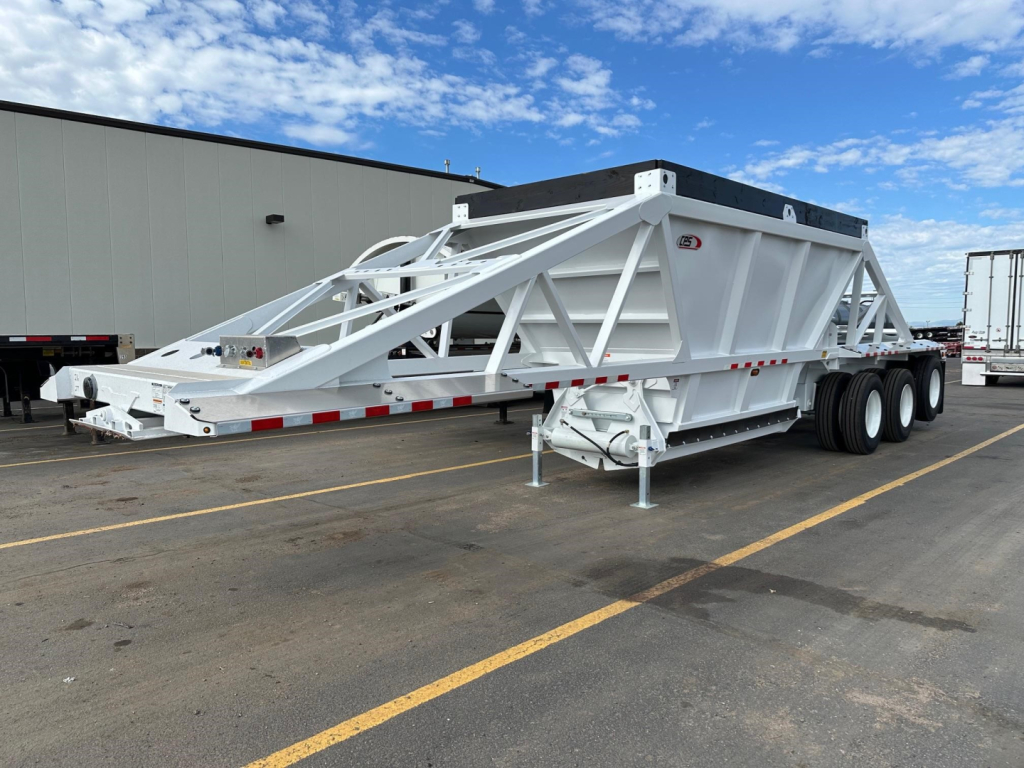
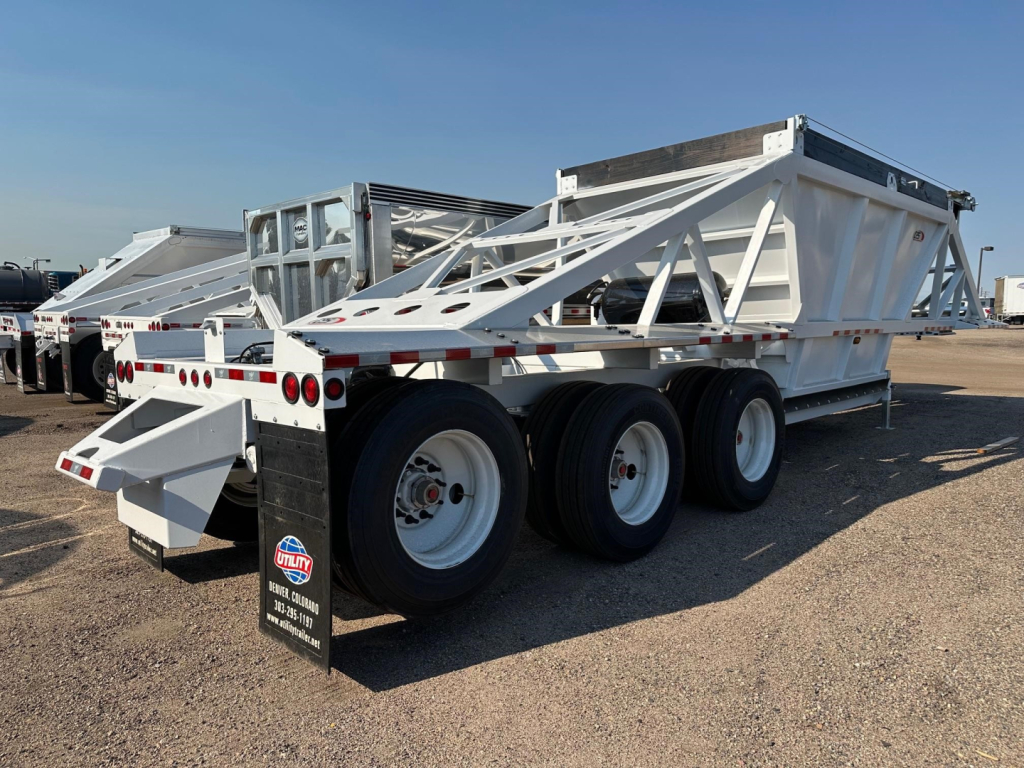
On CPS bottom dumps, the specs that deserve the closest look are trailer length, hopper configuration, cubic yard capacity, axle layout, and gate control setup. Common listings in this group include 40-foot to 42-foot trailers, single hopper designs, tandem or tri-axle layouts, and air ride suspensions. Features like pin setting gate limiters, Versa Valve controls, bang boards, windrow deflectors, and electric tarps are especially relevant for paving crews and aggregate haulers because they directly affect material flow and load containment. In Colorado and other mountain or mixed-terrain markets, tri-axle bottom dumps with a lift axle and 95,000 GVWR can make sense for payload and bridge law flexibility, while lighter closed tandem configurations may fit contractors focused on lower tare weight and simpler maintenance.
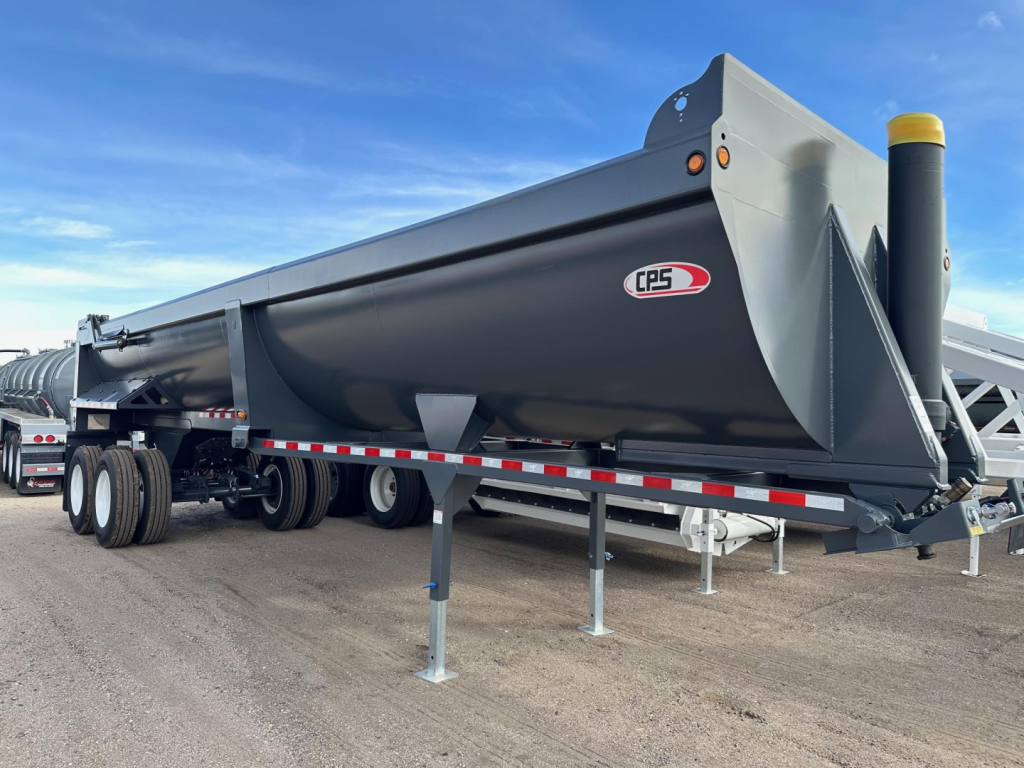
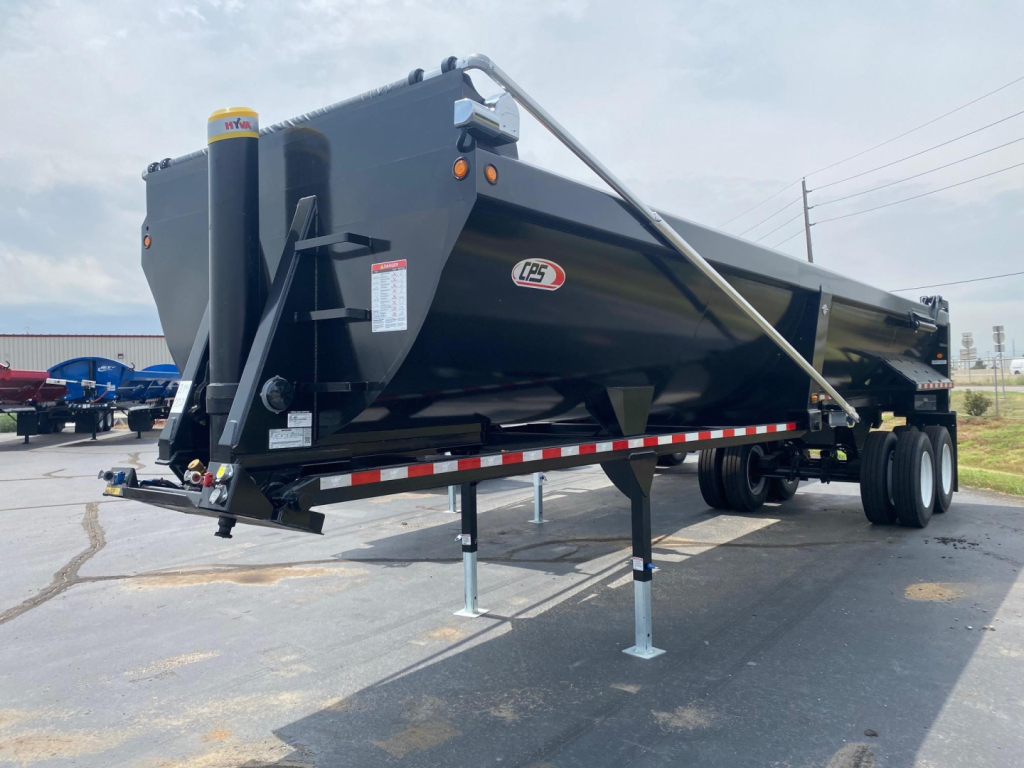
For CPS end dumps, body construction is the first filter. Frameless steel rock end dumps with half-round tubs are common for abrasive material because they promote cleaner unloading and resist wear better than lighter-duty bodies. Buyers should pay attention to steel grade, tub length, overall length, suspension type, gate style, and tarp system. AR450 body material, high-lift gates, ladder access, rear fenders, and mesh flip tarps are all practical features for quarry, excavation, and site prep work. A frameless design can reduce empty weight and improve payload, but it also puts more importance on trailer and tractor spec compatibility, especially fifth wheel height, suspension condition, and operating conditions on uneven ground.
Across the CPS dump trailer line, practical buying decisions usually come down to payload target, discharge method, and operating surface. Bottom dumps are favored when production speed and material placement matter more than maximum dump angle. End dumps are preferred when the load needs to be piled, stockpiled, or dropped in tighter locations. It is also worth checking wheel and tire spec, push block design, fender construction, lighting, and suspension details, since those items affect durability and daily usability as much as body style does. A well-matched 2026 CPS dump trailer should fit the material being hauled, the legal weight environment, and the jobsite conditions it will face every day.
Frequently Asked Questions about New 2026 CPS Dump Trailers in Colorado
What is the difference between a CPS bottom dump trailer and a CPS end dump trailer?
A CPS bottom dump trailer releases material through gates in the belly of the trailer, which allows controlled spreading while the trailer is moving. That makes it a strong choice for aggregate placement, road building, and paving support. A CPS end dump trailer unloads from the rear by raising the body, which is better for stockpiling rock, dirt, demolition debris, and other materials that need to be dropped in one pile rather than spread in a windrow.
What specs matter most when buying a new 2026 CPS bottom dump trailer?
The key specs are length, cubic yard capacity, hopper layout, axle configuration, suspension type, and GVWR. Buyers should also pay close attention to gate controls such as Versa Valve systems and pin setting gate limiters because those components determine how precisely the trailer can meter material. Tarp style, windrow deflectors, bang boards, tire size, and whether the trailer has a lift axle also affect jobsite performance and legal payload strategy.
Why would a buyer choose a tri-axle CPS dump trailer with a lift axle?
A tri-axle setup with a lift axle can help distribute weight more effectively and support higher gross vehicle weight ratings, which is important in heavier aggregate applications. It also gives operators flexibility when empty or lightly loaded by allowing the lift axle to be raised to reduce tire scrub and wear. This configuration is often attractive in regions where payload, bridge formulas, and mixed on-road and off-road use all matter.
Is a frameless CPS rock end dump better than a frame-type dump trailer?
A frameless CPS rock end dump can offer lower empty weight and strong payload potential, which is a major advantage in material hauling. It is often a good fit for rock, sand, gravel, and demolition work when paired with the right tractor and suspension setup. The tradeoff is that frameless trailers place more demand on overall combination spec and operating technique, especially on uneven ground, so buyers should consider stability, fifth wheel height, and jobsite conditions before deciding.
What materials are commonly hauled in CPS dump trailers?
CPS dump trailers are commonly used for sand, gravel, crushed stone, millings, dirt, asphalt-related aggregate, and larger rock depending on body style. Bottom dumps are especially useful for material that needs controlled placement, while steel rock end dumps are better suited to abrasive loads and concentrated unloading. Matching the body design and gate setup to the material type is one of the most important factors in long-term trailer performance.