
New 2026 Dump Trailers For Sale in Colorado
Shop new 2026 dump trailers for sale in Colorado, including end dump, side dump, and bottom dump models for aggregate, scrap, and paving work.
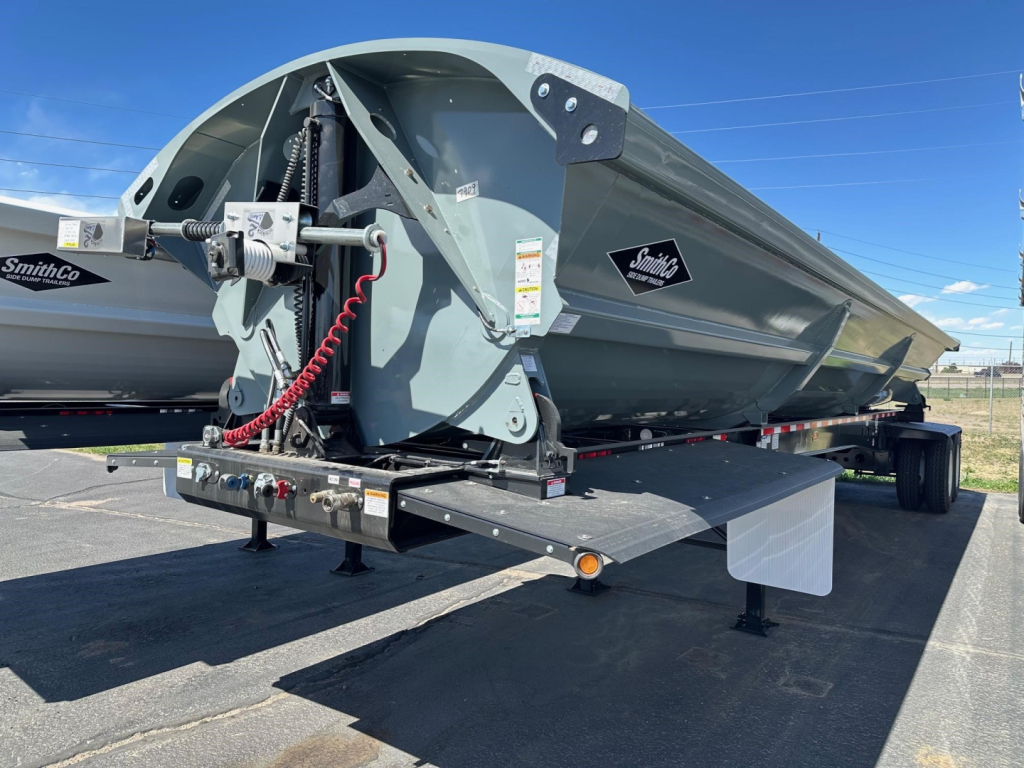
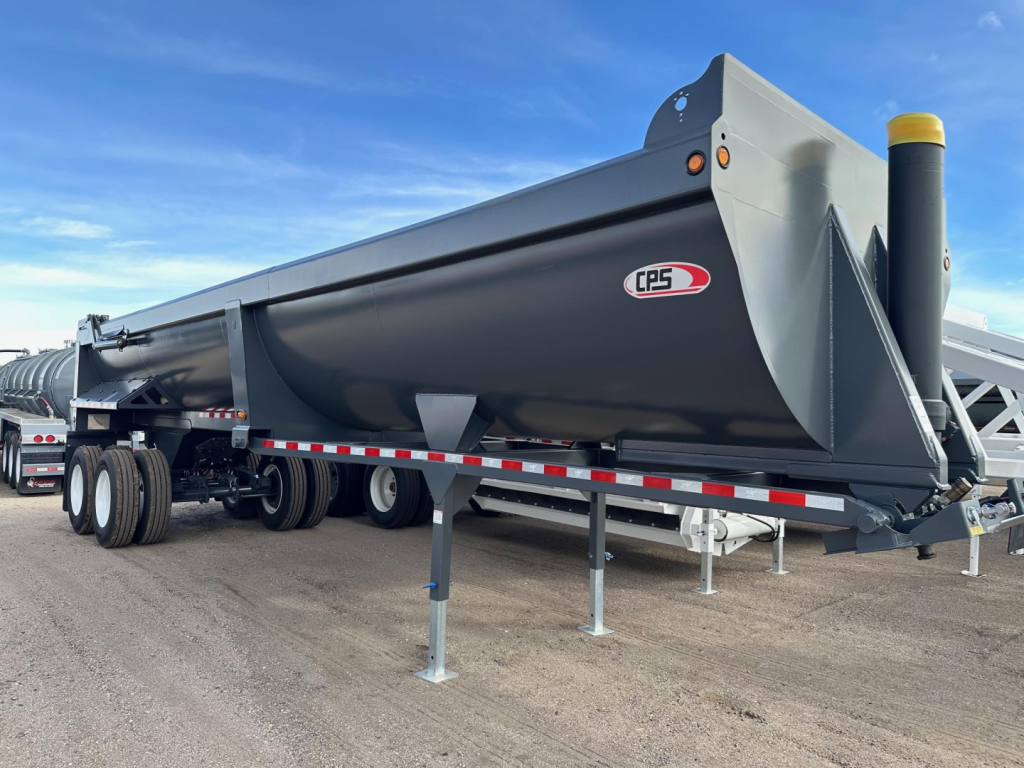
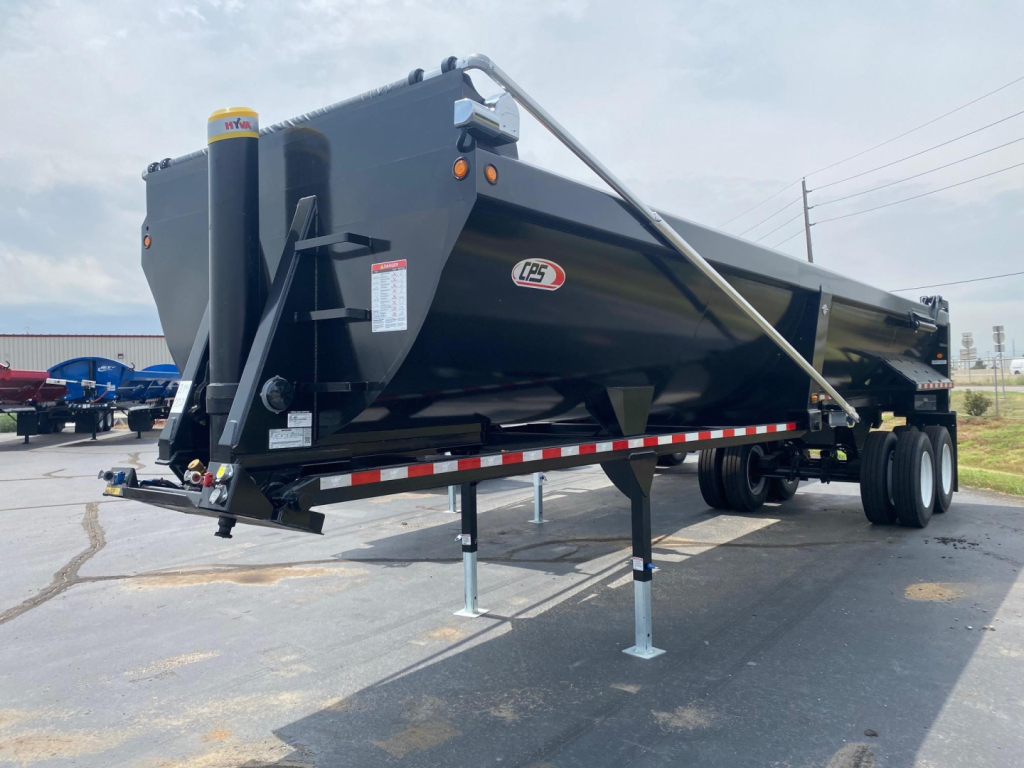
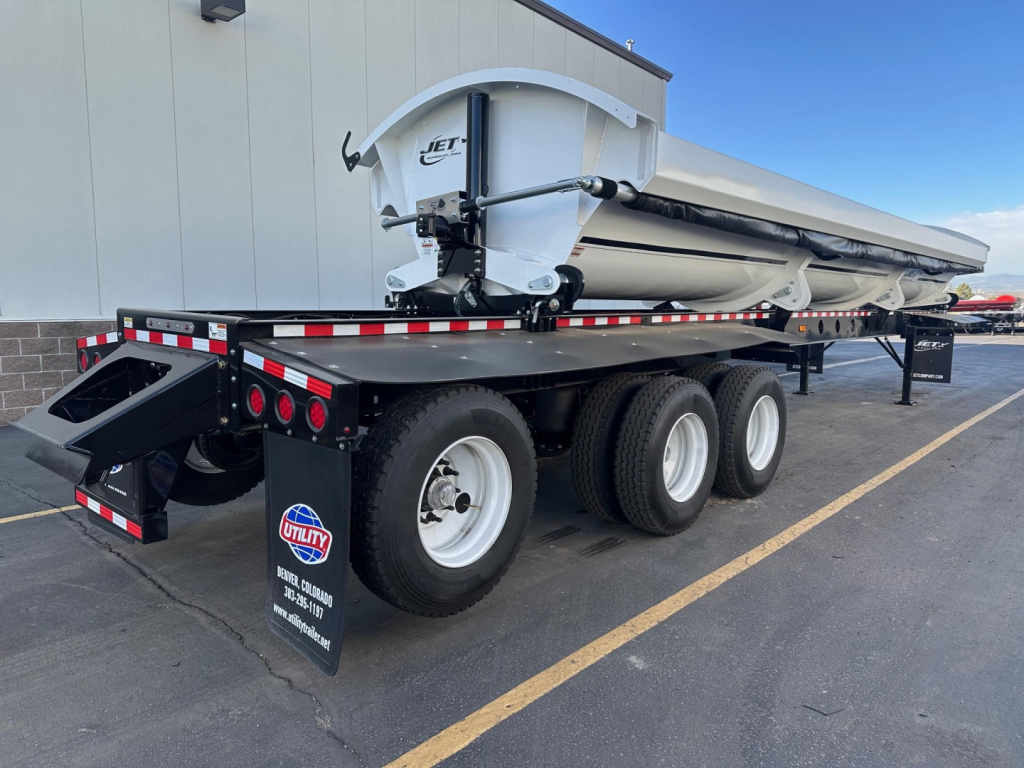
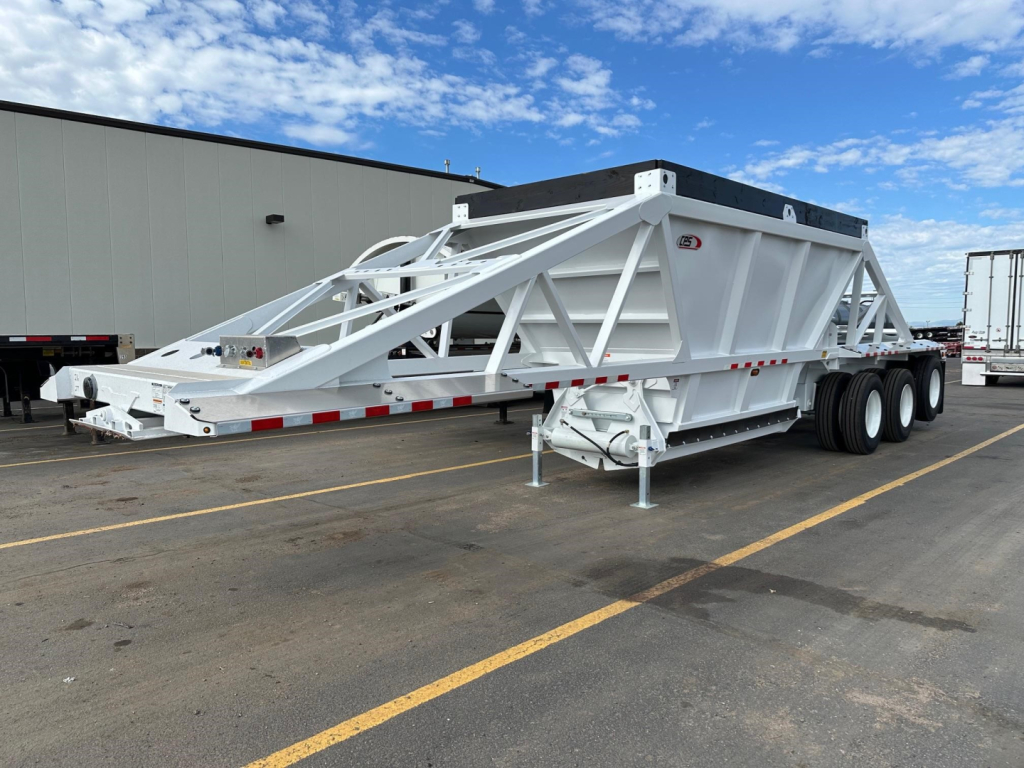
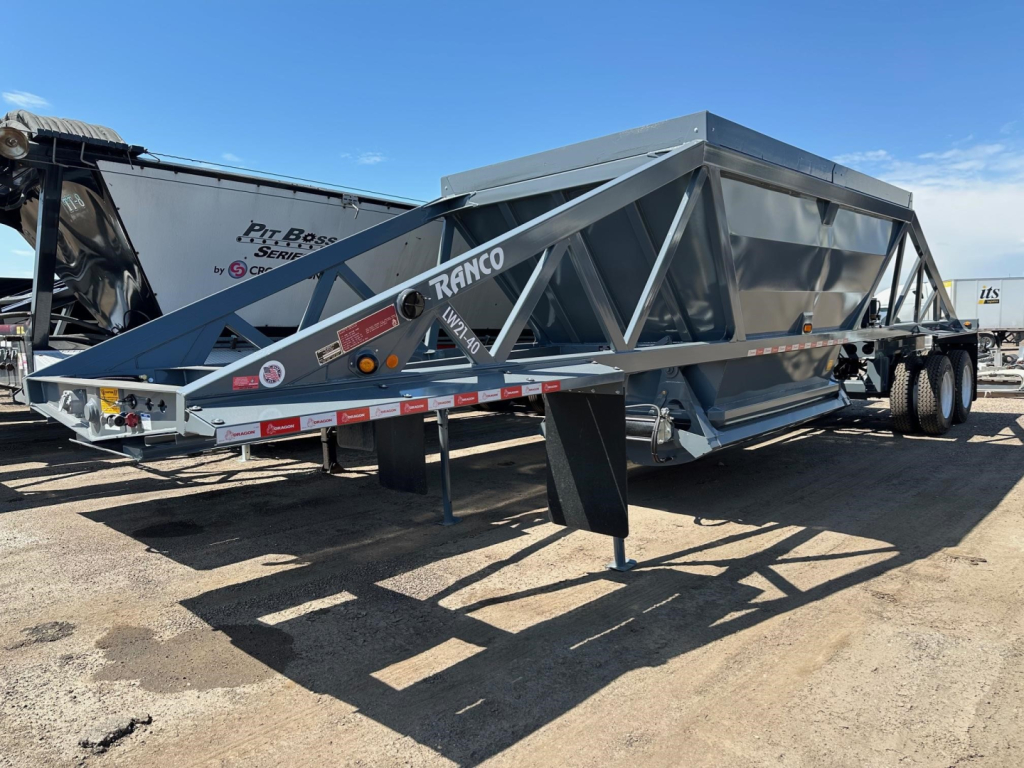
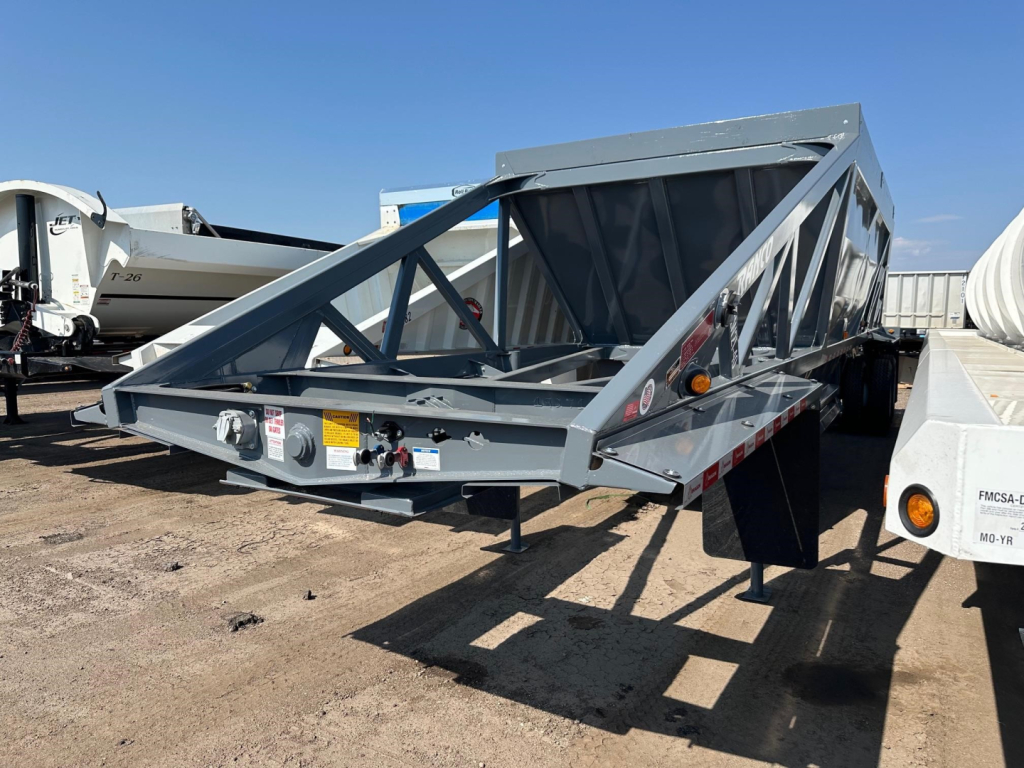
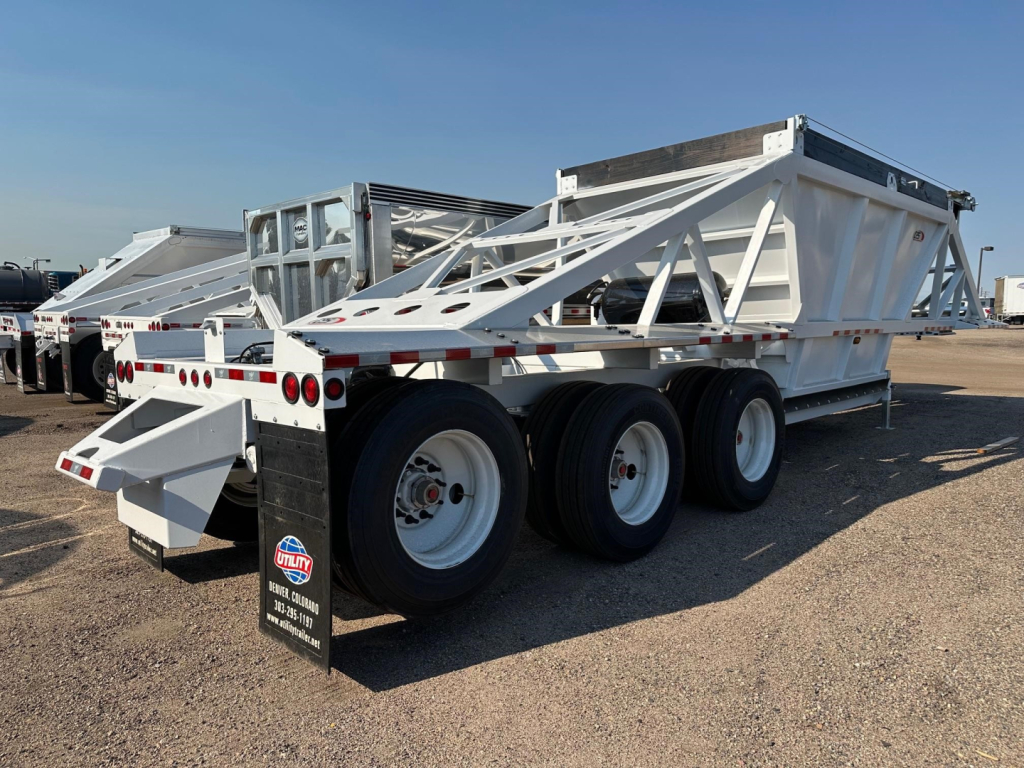
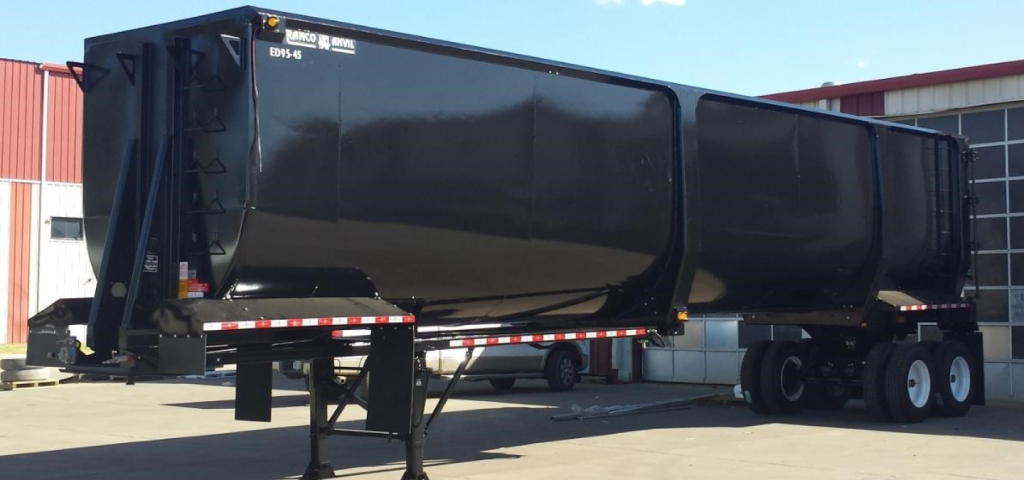
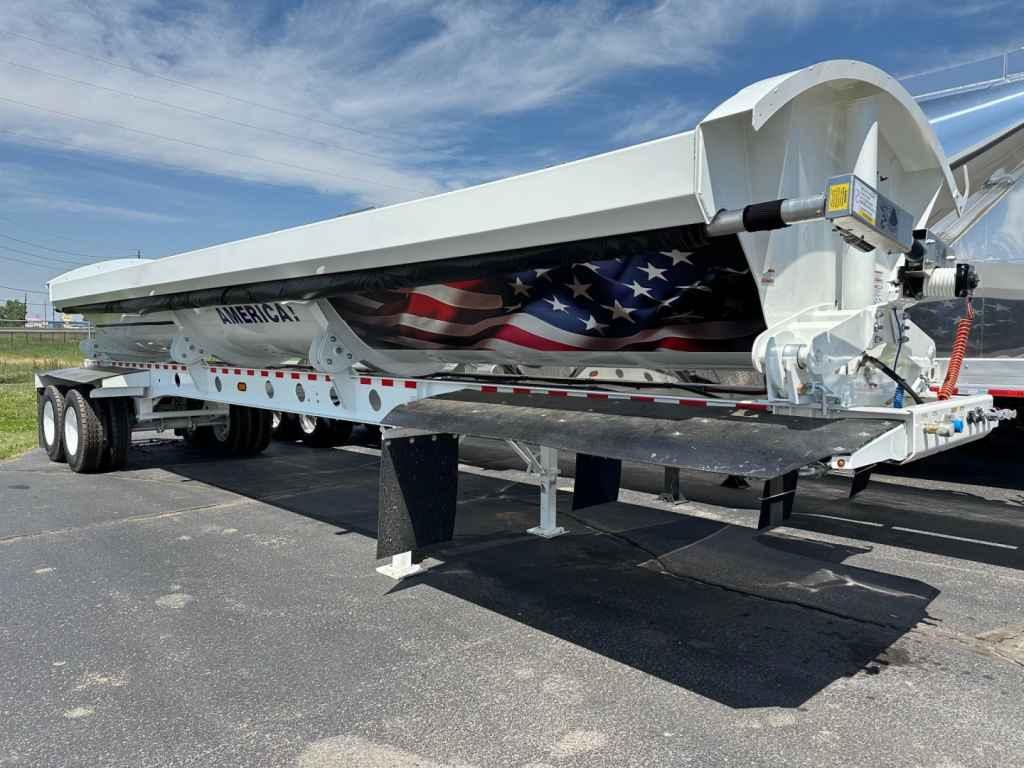
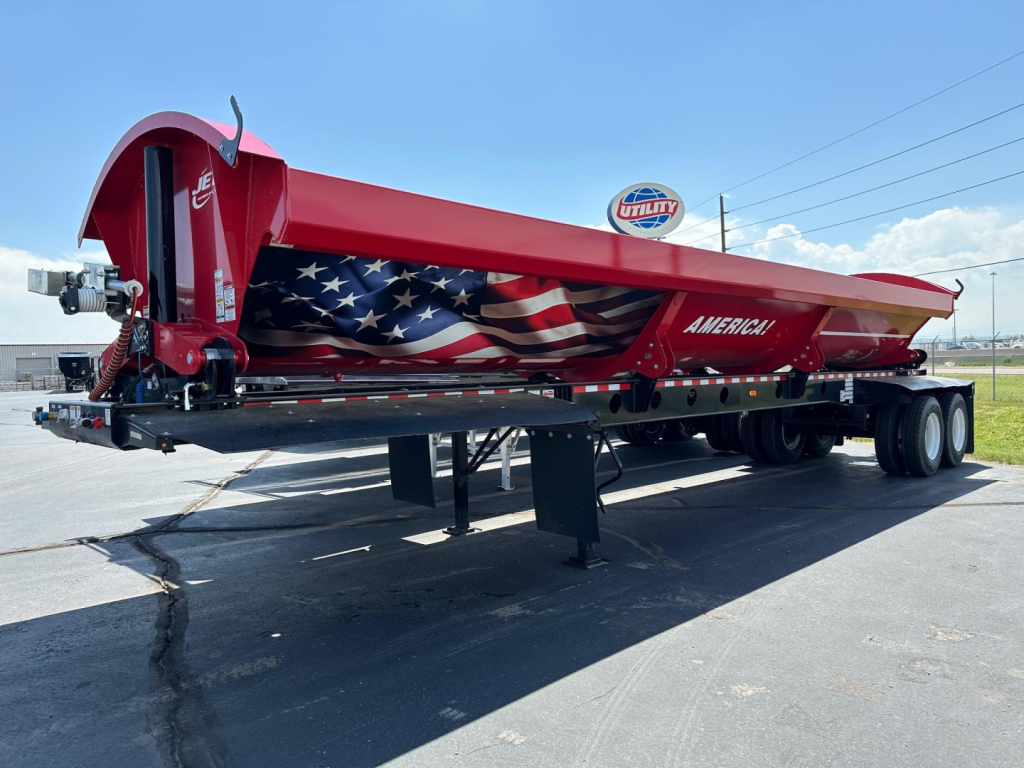
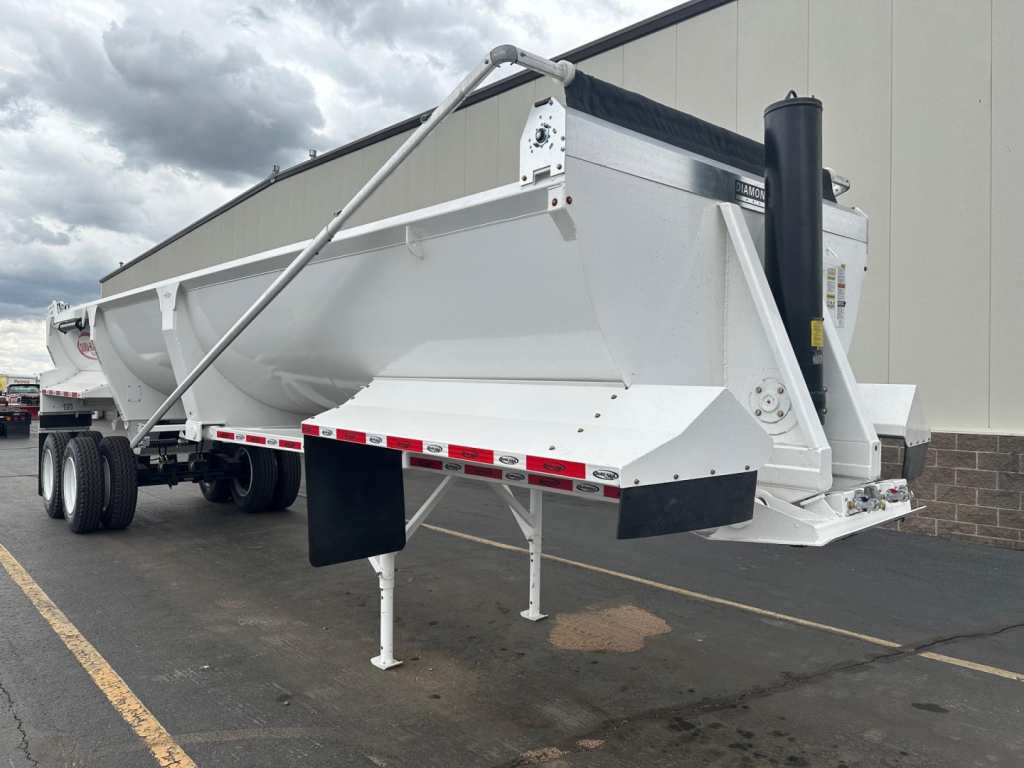
Showing 1 to 28 of 49 results
Have new 2026 dump trailer to sell? List it here to reach thousands of buyers.
New 2026 Dump Trailers in Colorado
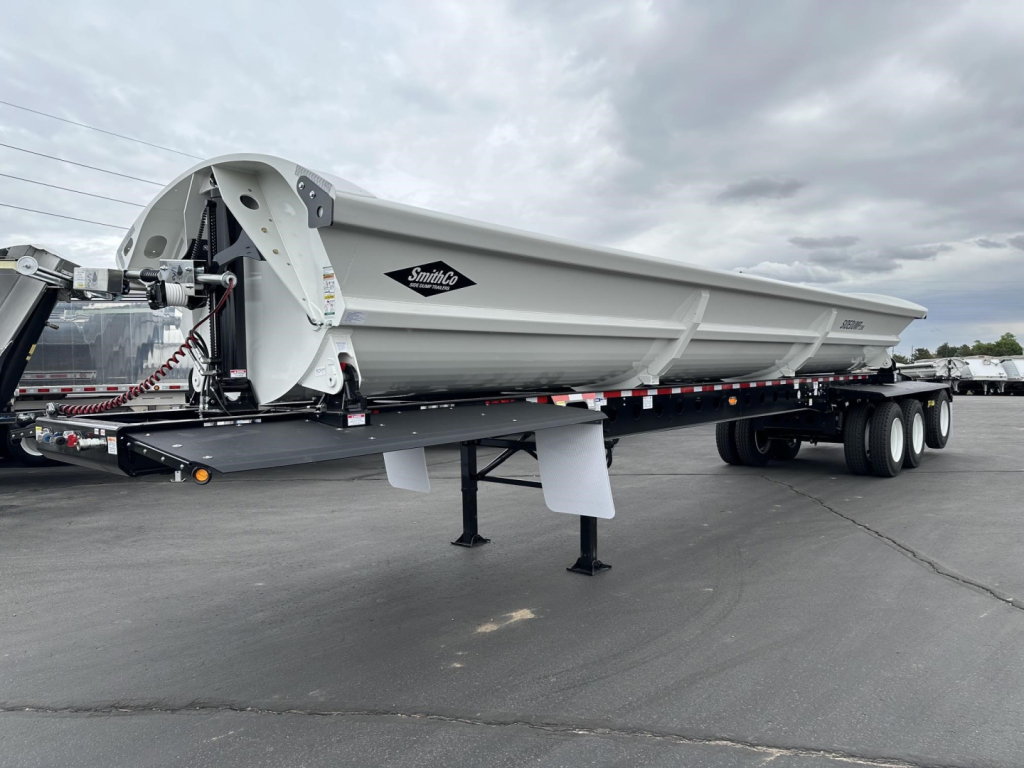
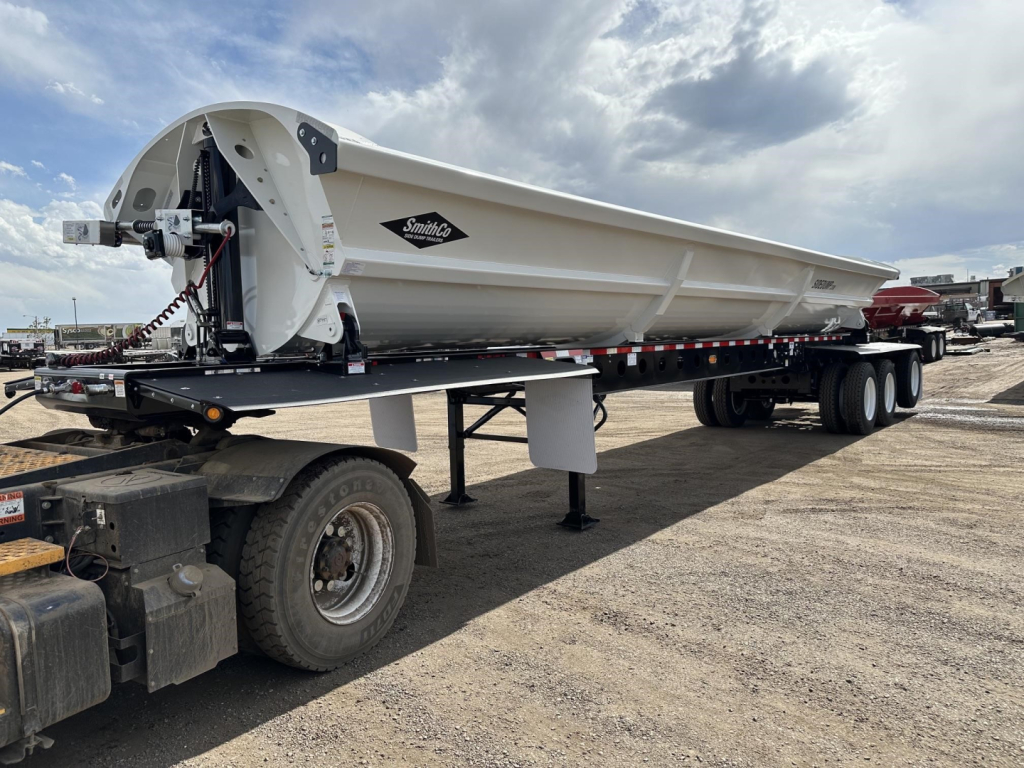
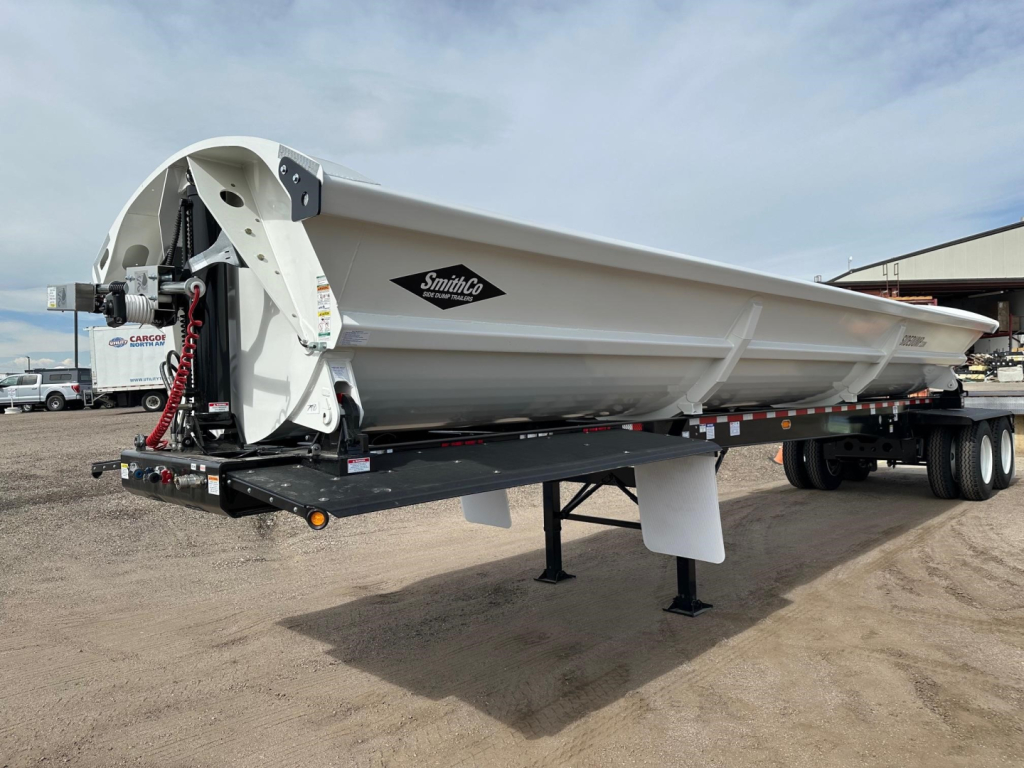
Side dump trailers are a strong fit for uneven ground, shoulder work, and applications where a traditional end dump can be at greater risk during a raised-body unload. Common specs include tandem or tri-axle layouts, air ride suspension, heavy hydraulic cylinders, rear lift axles, push blocks, and electric roll tarp systems. Rock tubs built from AR450 or similar abrasion-resistant steel help reduce wear when hauling shot rock, riprap, or other abrasive material. Pivot-point design, cylinder sizing, and valve setup matter because they affect dump speed, stability, and control. A tri-axle side dump can offer more legal payload flexibility, while a tandem may be easier to maneuver on tighter jobs.
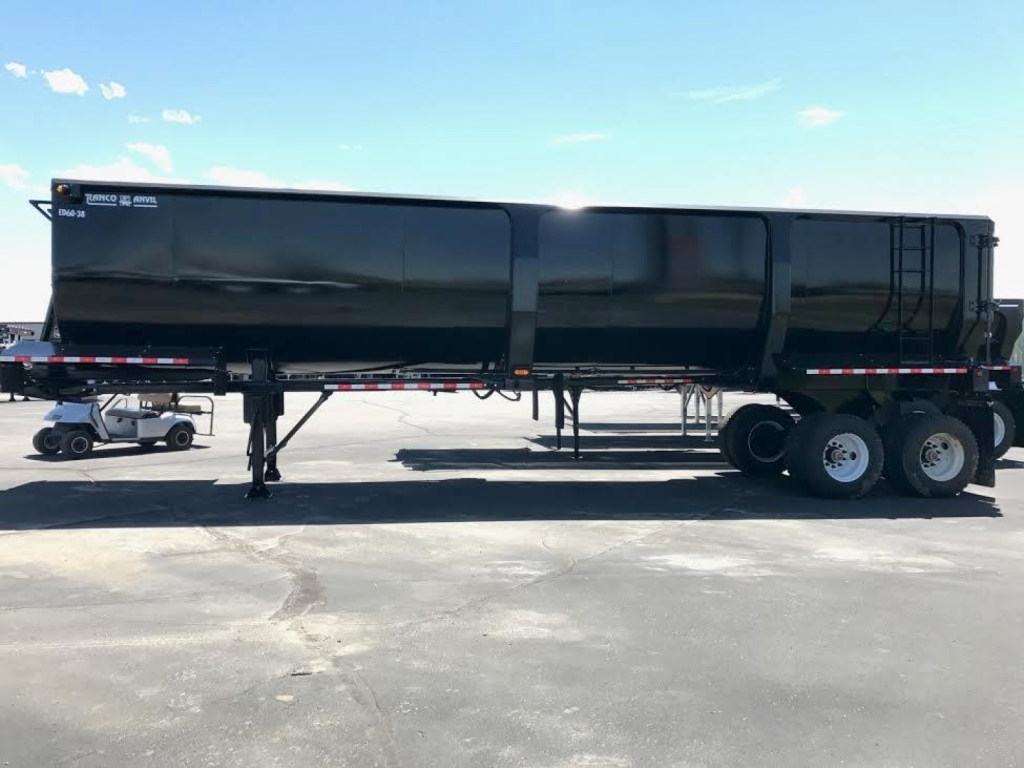
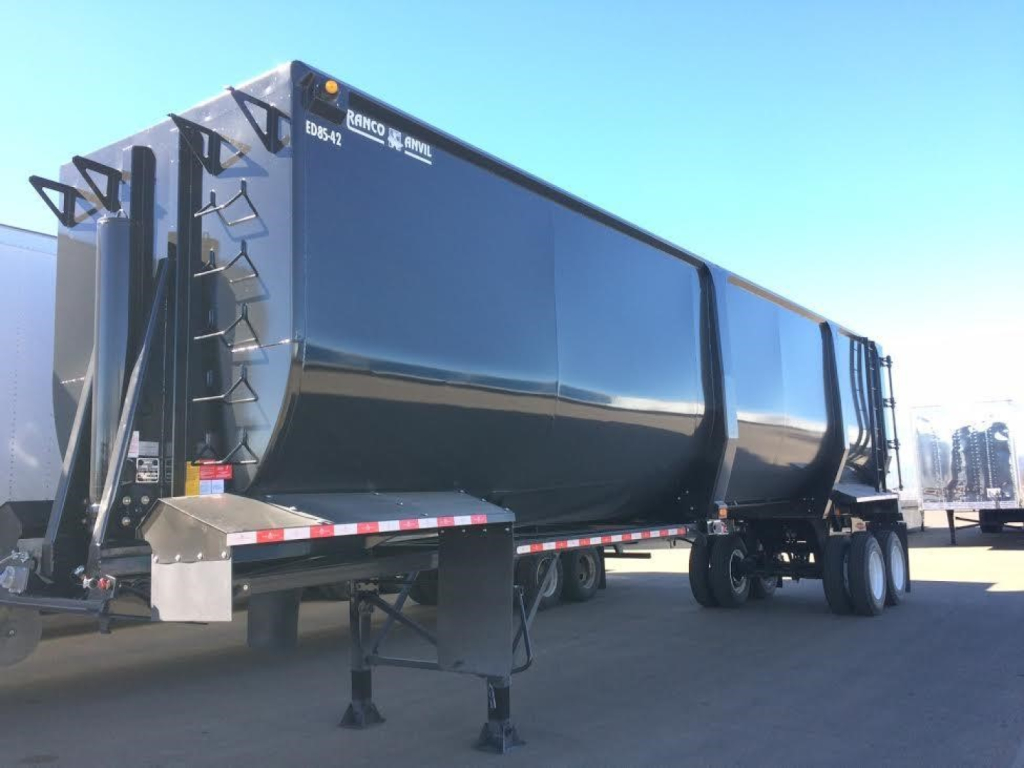
End dump trailers remain the go-to choice when maximum cubic capacity is the priority, especially for scrap, demolition cleanup, and bulk material hauling. Frameless steel end dumps with half-round tubs are common because they shed material well and handle impact loading better than lighter-spec bodies. Buyers should compare tub width, side height, floor and wall thickness, gate style, and overall trailer length. AR400 and AR450 steel are common in rock and demolition tubs because they hold up better under repeated loading. High-cube configurations can move a lot of volume, but payload and center-of-gravity still need to match the work. For steep grades, soft ground, or off-camber dumps, trailer stability and tractor spec are just as important as body capacity.
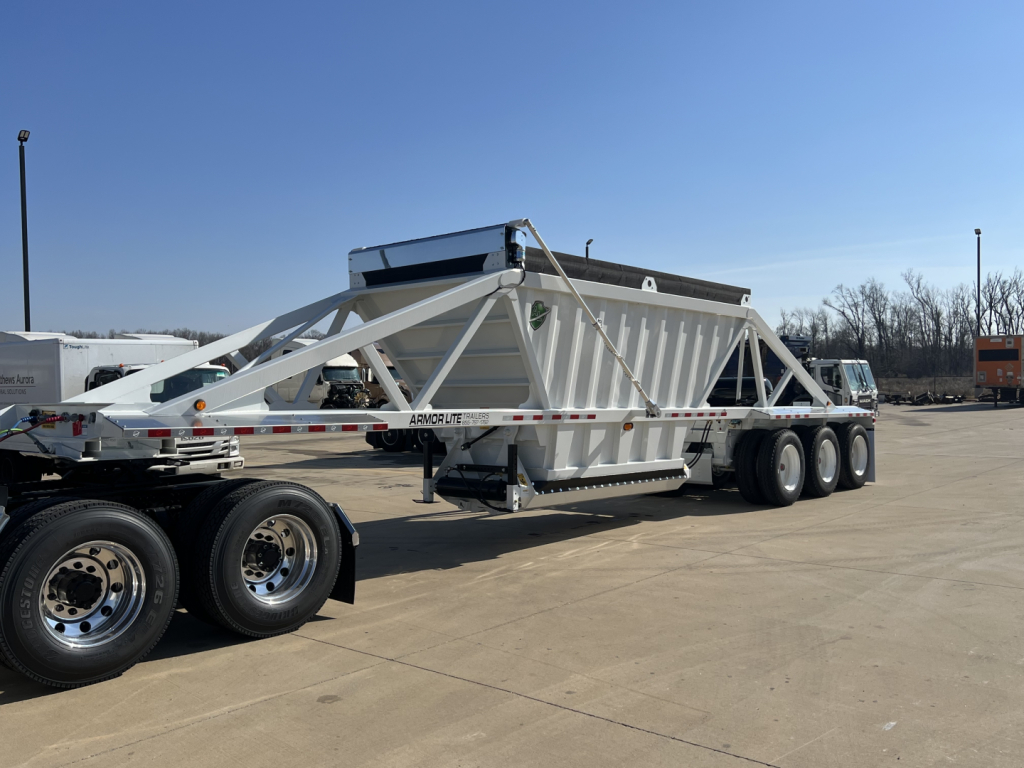
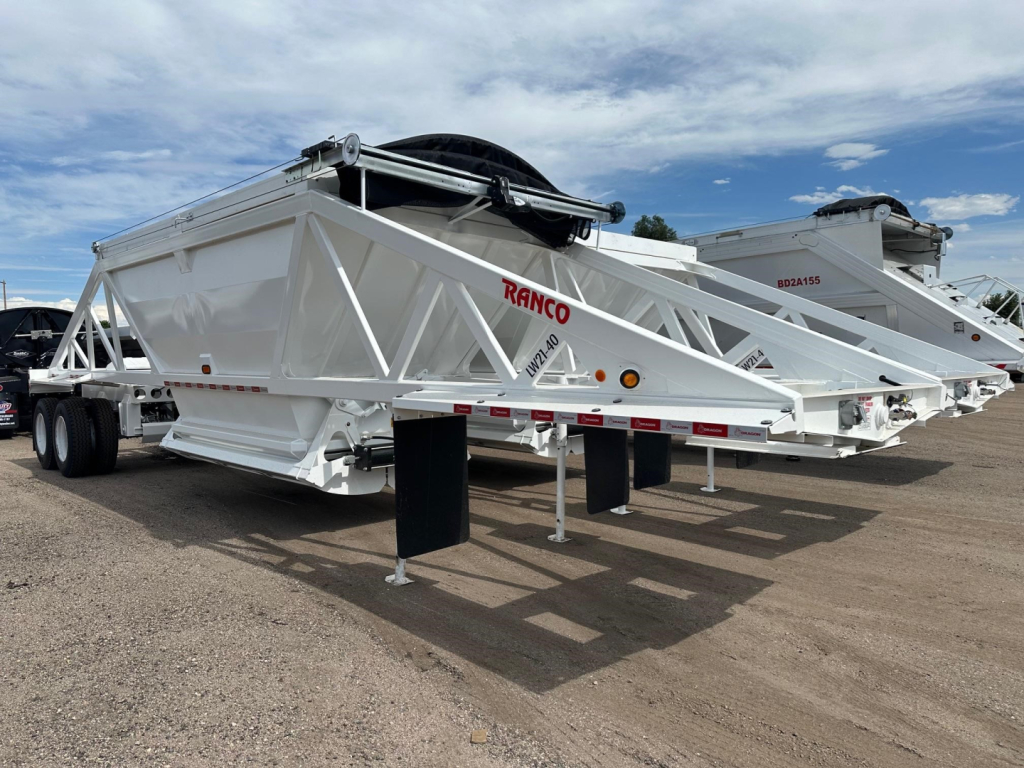
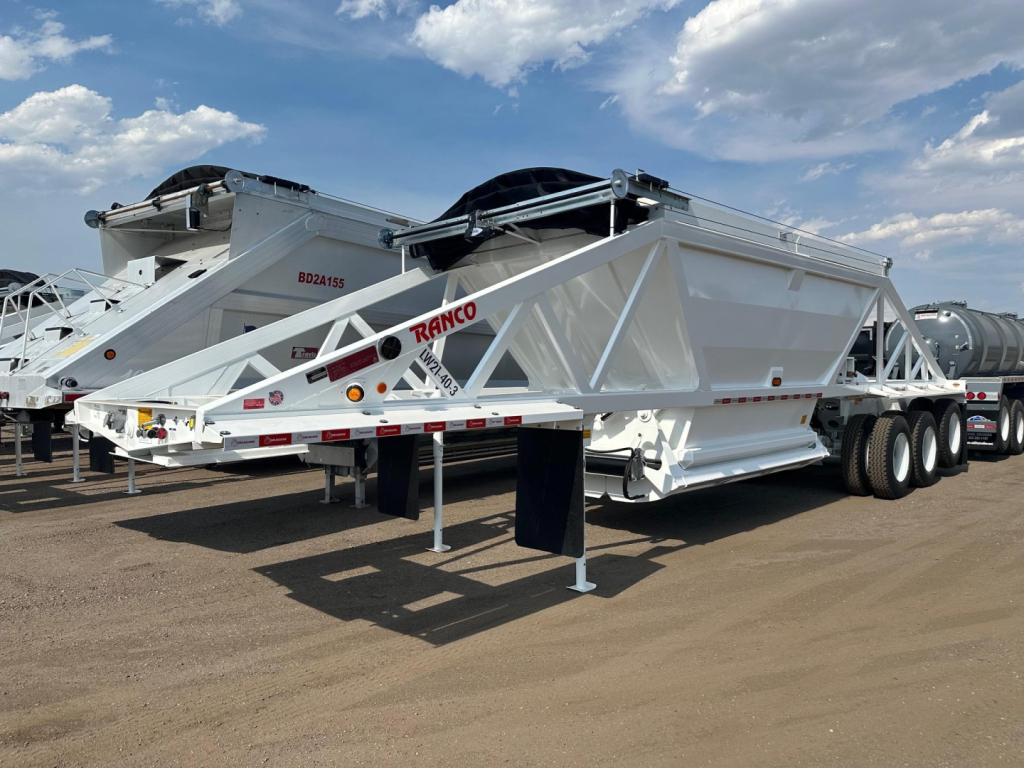
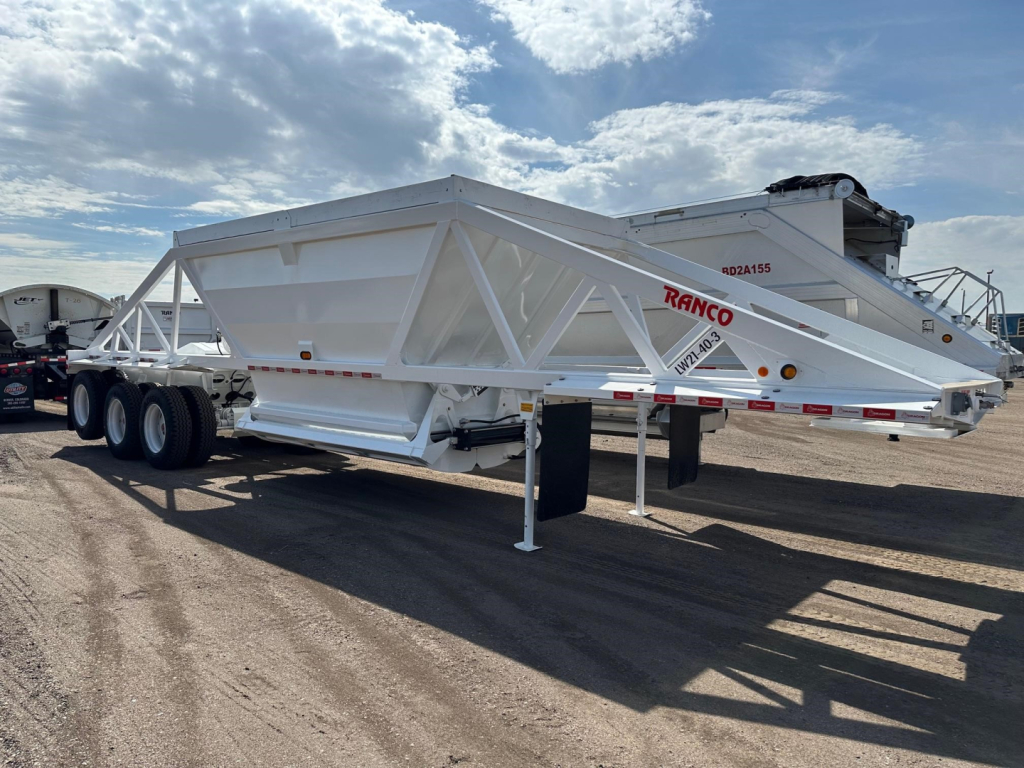
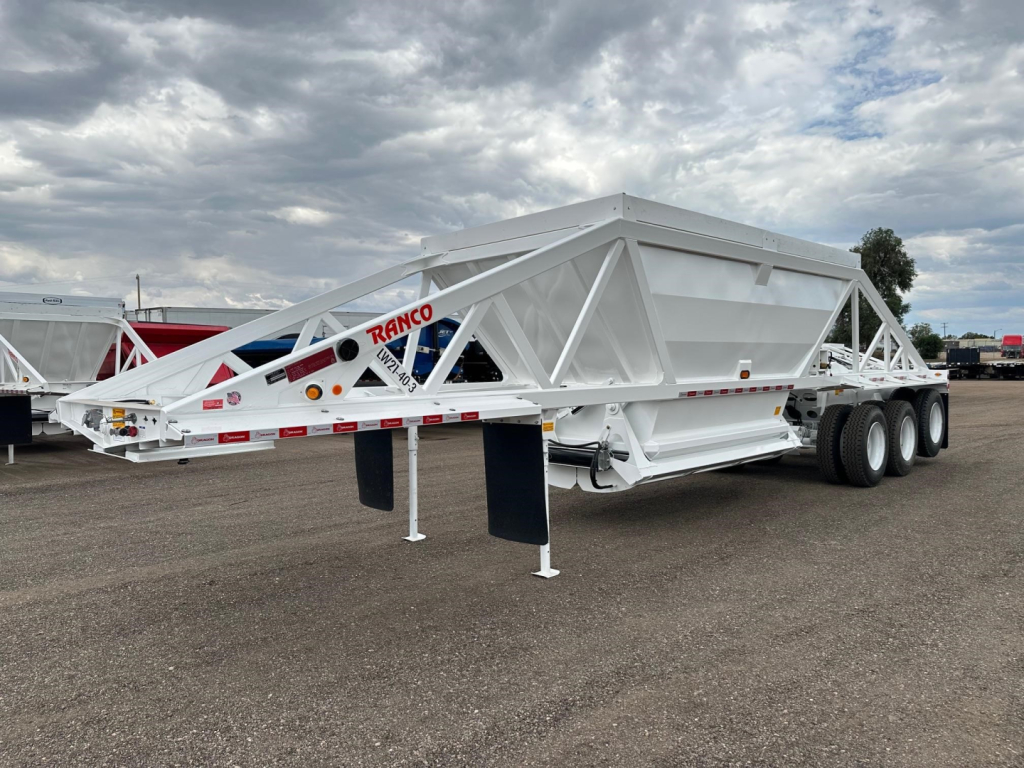
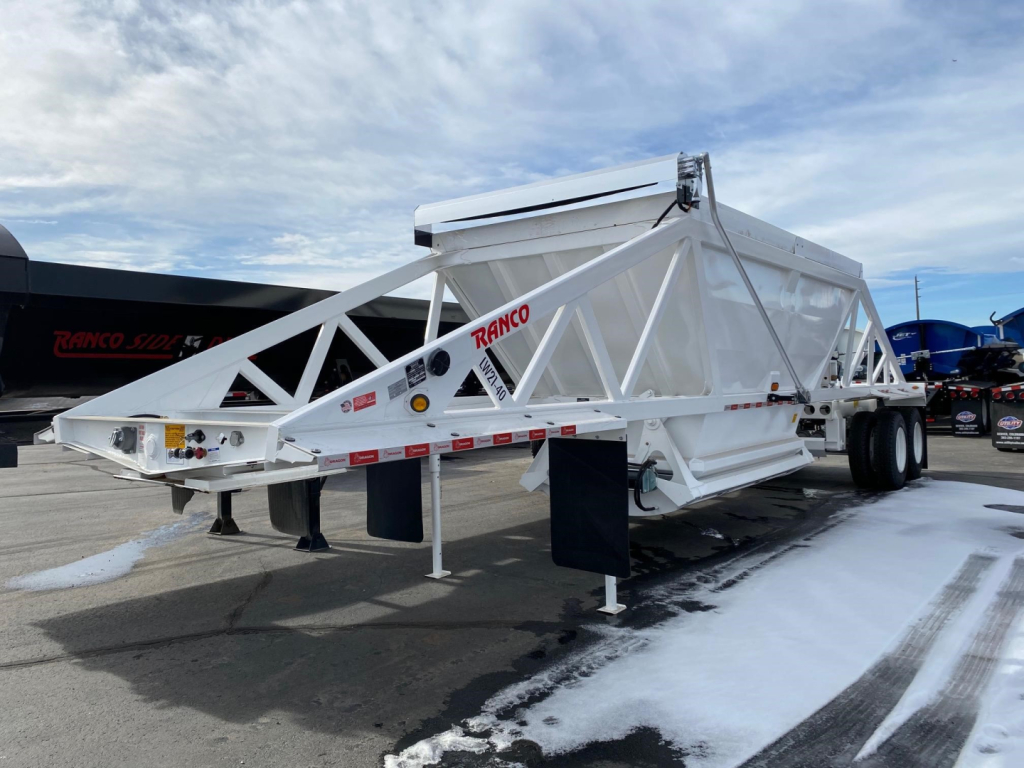
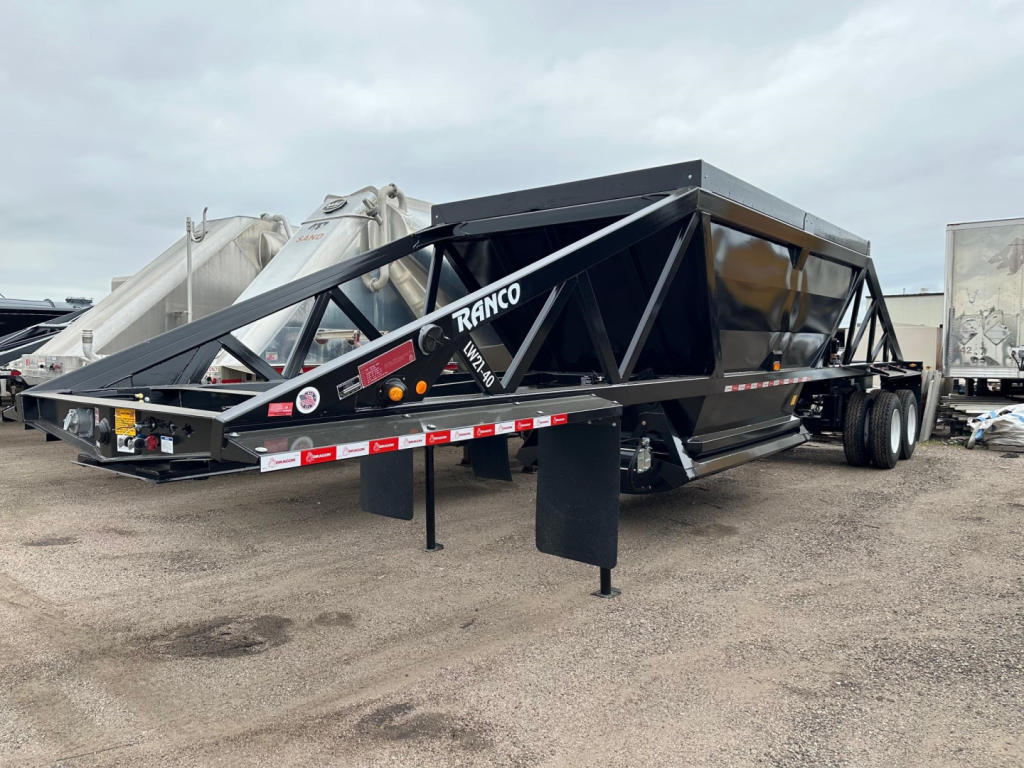
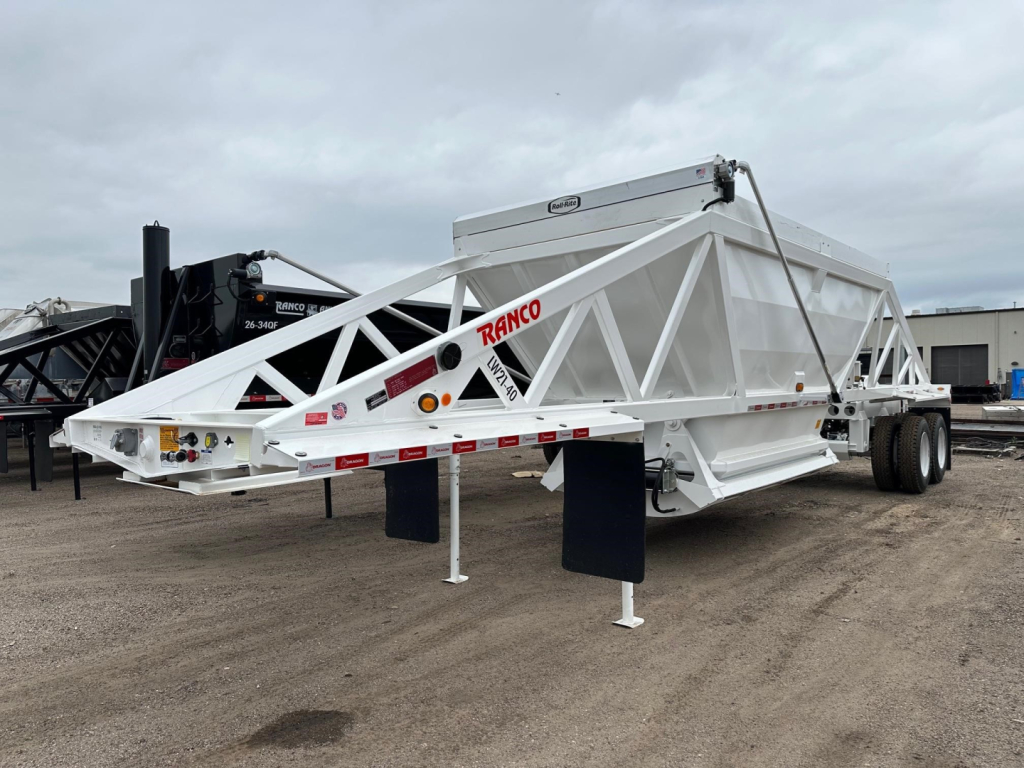
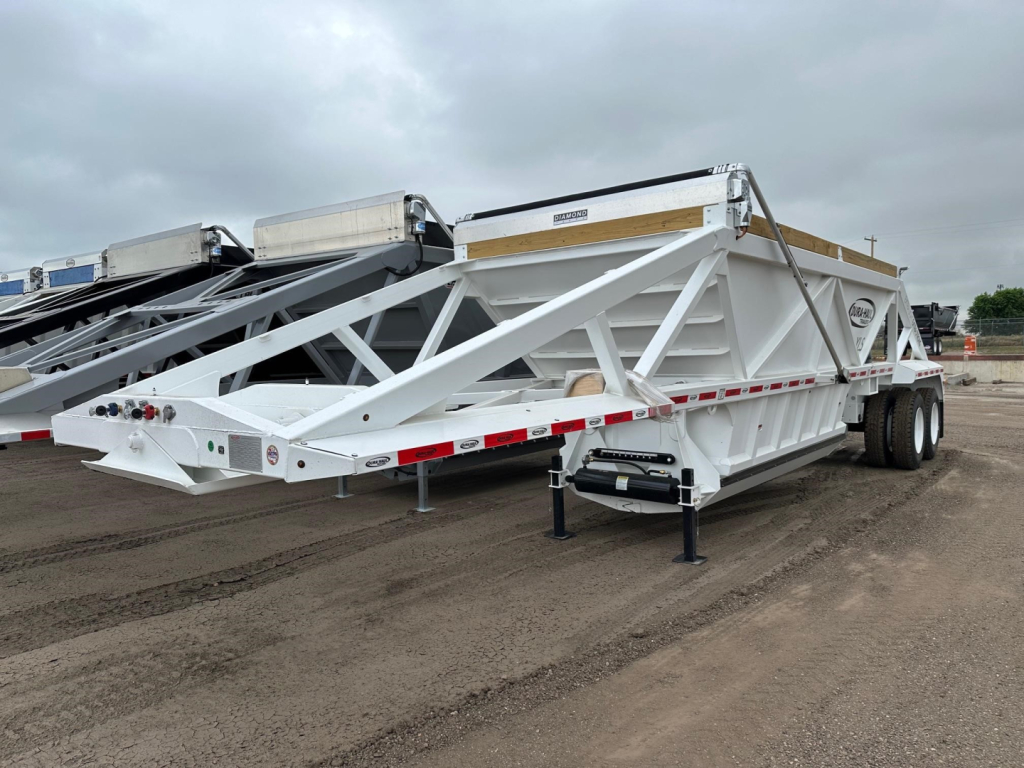
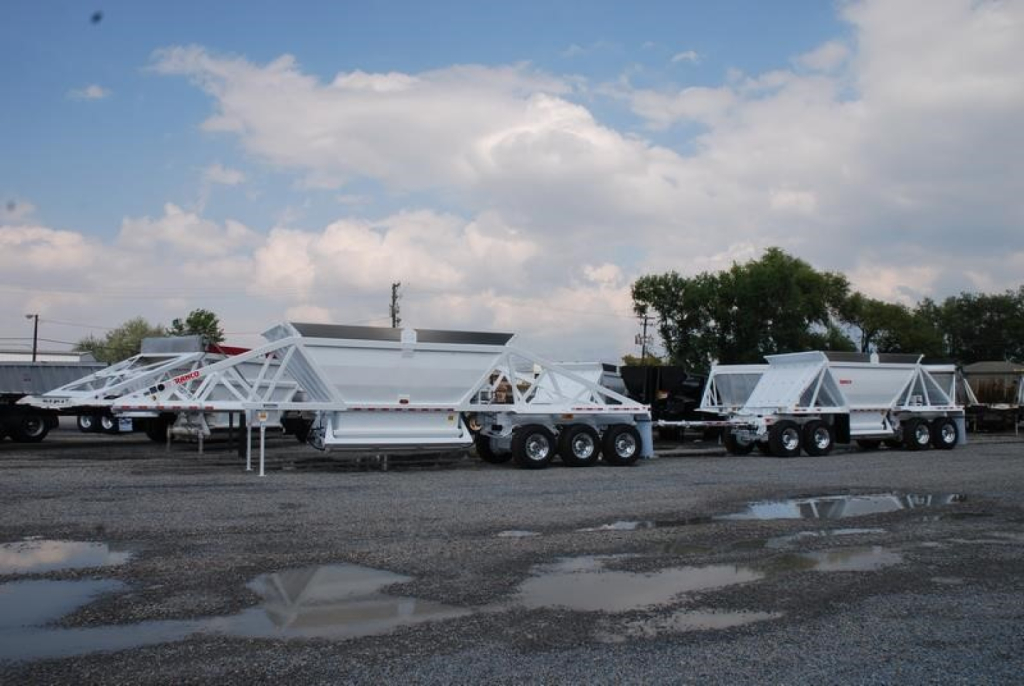
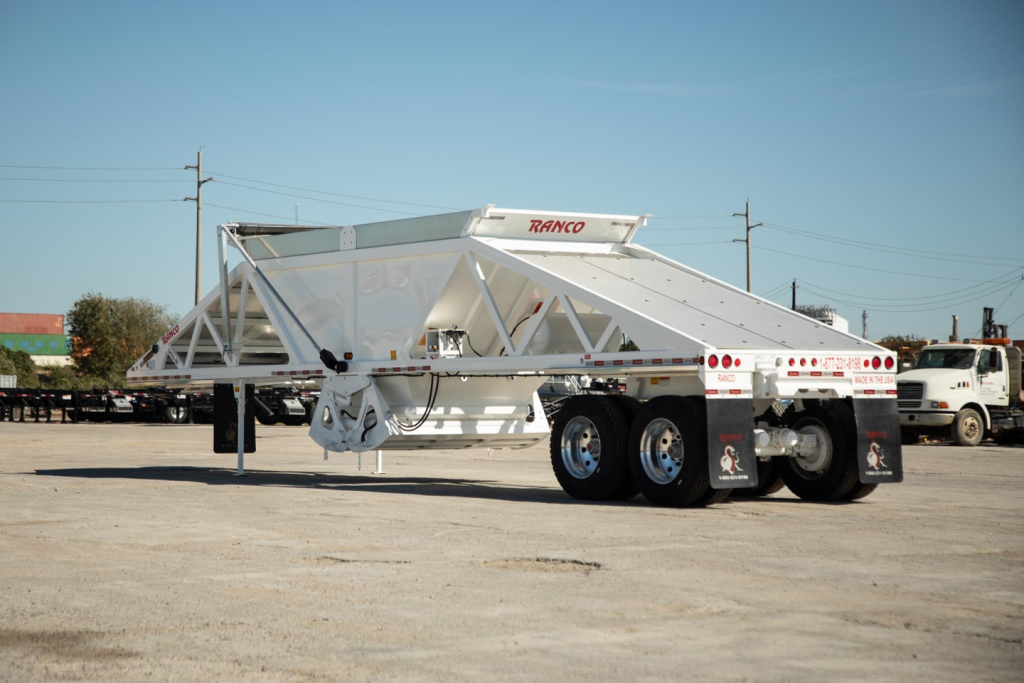
Bottom dump trailers, also known as belly dumps, are built for controlled discharge and production paving work. They are widely used for road building, base course, and wet sand because they can spread material in a windrow without raising the body. Key details include hopper count, switchgate or gate-control design, gate limiters, windrow deflectors, bang boards, valve systems, and suspension layout. A lightweight bottom dump can improve payload on legal-weight runs, while a heavier-spec wet sand or cross-gate trailer may be better for denser material and more demanding applications. Across all dump trailer types, buyers in Colorado should also look at tire size, wheel type, fender package, LED lighting, tarp style, landing gear, and axle spacing because those details affect uptime, maintenance, and compliance as much as the main body design.
Frequently Asked Questions about New 2026 Dump Trailers in Colorado
What is the difference between an end dump, side dump, and bottom dump trailer?
An end dump raises the body and unloads out the rear, making it a good choice for bulk hauling and high cubic capacity. A side dump unloads to the side through a hydraulically rotated tub, which can improve stability on uneven ground and speed up cycle times. A bottom dump, also called a belly dump, discharges through gates in the floor and is preferred when the load needs to be placed evenly, such as road base, aggregate spreading, or paving support.
Which dump trailer type is best for Colorado hauling conditions?
That depends on the route and material. Side dumps are popular for aggregate and off-road work where uneven terrain can make end-dump unloading riskier. End dumps are strong for scrap, demolition, and high-volume material movement when there is enough space and firm ground to dump safely. Bottom dumps are especially effective for highway and road-construction work because they place material precisely without lifting the body, which is an advantage in windy conditions and on long production runs.
Why does abrasion-resistant steel matter on a dump trailer?
Abrasion-resistant steel such as AR400 or AR450 helps the tub resist wear from rock, gravel, demolition debris, and other abrasive loads. A stronger tub material can reduce denting, cracking, and premature floor or wall wear, especially in half-round rock tubs and heavy construction service. Buyers hauling sand or lighter aggregate may not need the same body spec as a trailer dedicated to shot rock or scrap, so matching steel grade to the commodity can improve service life and control repair costs.
What specs should I compare first when shopping new 2026 dump trailers?
Start with body style, cubic yard capacity, axle count, suspension type, and tub material. Then compare gate configuration, tarp system, tire size, wheel package, and any lift axle or valve options. Those specifications determine payload potential, unloading control, maneuverability, and maintenance demands. Features such as push blocks, fenders, LED lighting, scale gauges, and landing gear are also worth reviewing because they affect daily usability and long-term operating cost.
Are bottom dumps better than end dumps for paving and road work?
For paving support and controlled aggregate placement, bottom dumps are often the better tool because they can lay a consistent windrow while the trailer stays level. That improves safety and helps maintain production flow. End dumps are still common in construction, but they are less precise for material placement and require enough clearance and stable ground to raise the body. The best choice comes down to whether the job calls for controlled discharge or simple bulk unloading.