
New 2026 Ranco Dump Trailers For Sale in Colorado
Shop new 2026 Ranco dump trailers including end dumps and bottom dumps with rock tubs, lift axles, tarp systems, and jobsite-ready specs.
Have new 2026 ranco dump trailer to sell? List it here to reach thousands of buyers.
New 2026 Ranco Dump Trailers in Colorado
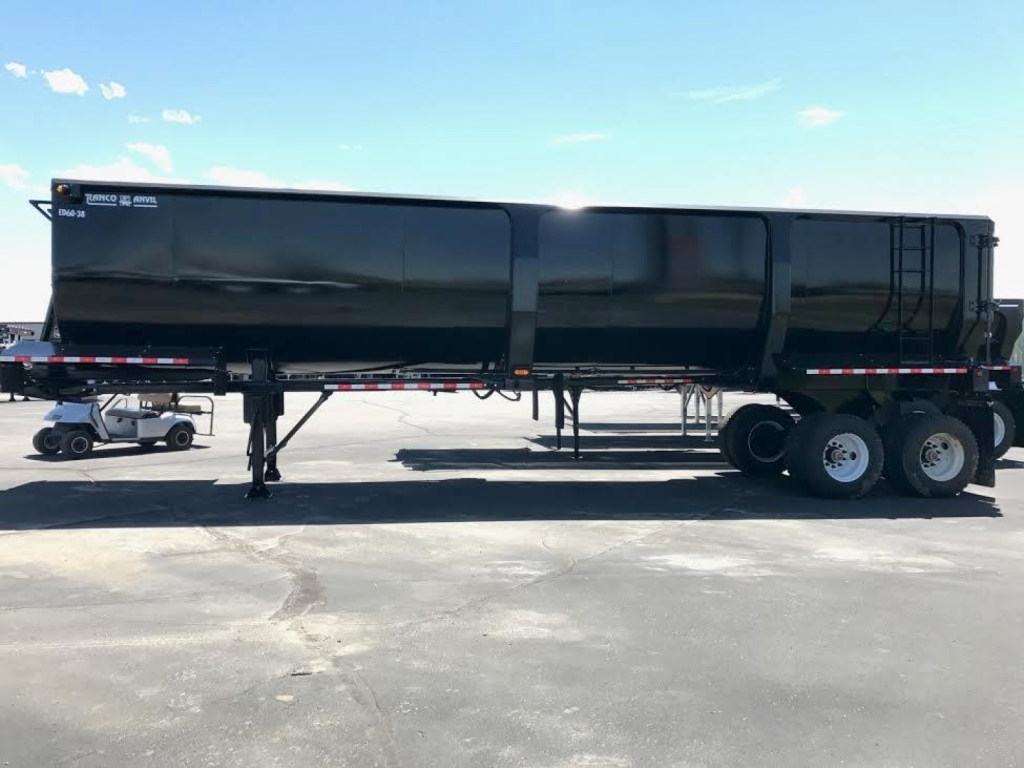
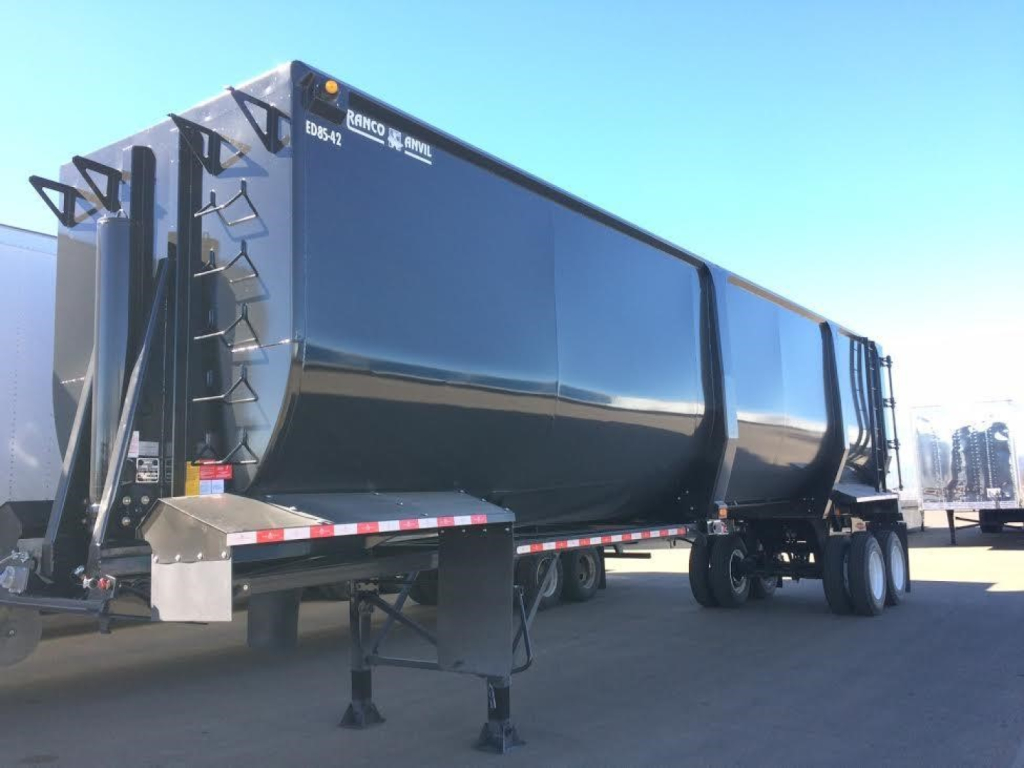
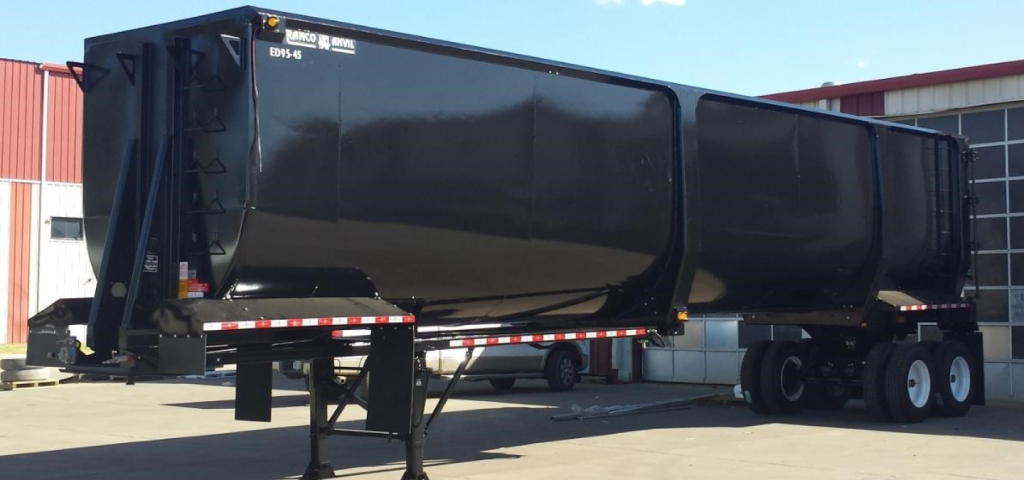
On the end dump side, common Ranco configurations include frameless and quarter-frame designs with AR400 or similar abrasion-resistant steel tubs, often in 22-foot to 34-foot overall lengths and around 25 to 26 cubic yard capacities in heavy rock specs. Frameless trailers generally reduce empty weight and are widely used in high-volume material hauling, while quarter-frame trailers can appeal to fleets that want a different balance of rigidity, body support, and application-specific durability. Details such as a high-lift gate, electric tarp, front ladder, bolt-on fenders, and single-point suspension are more than convenience items. They directly affect load containment, unloading clearance, service access, and everyday jobsite practicality.
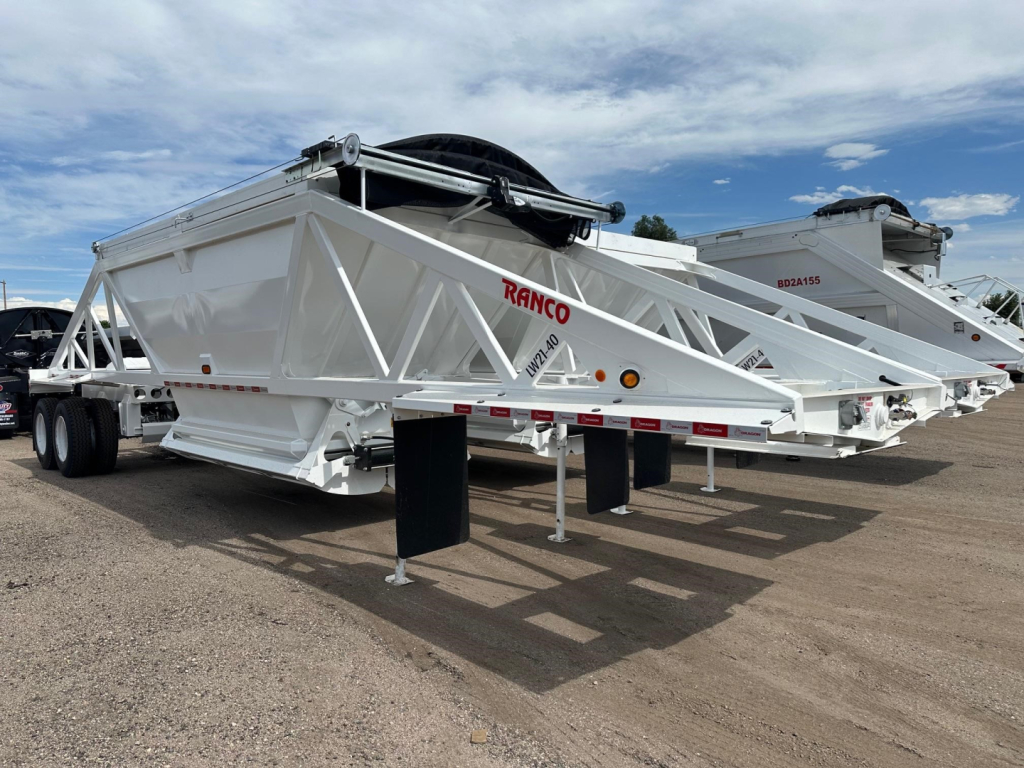
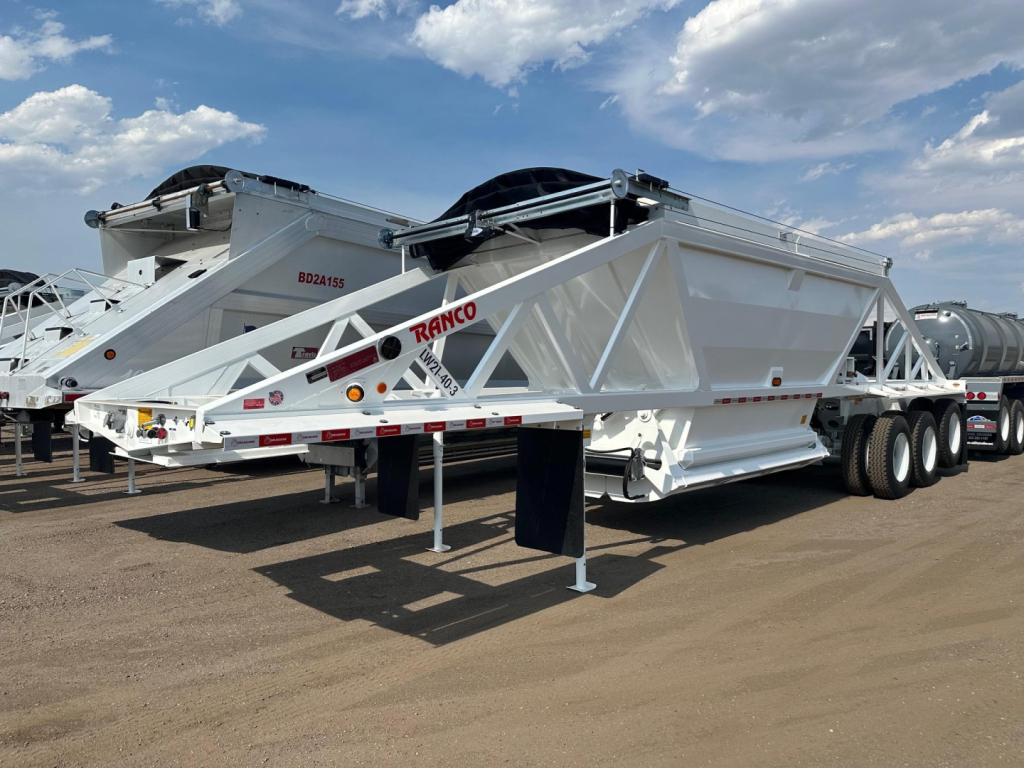
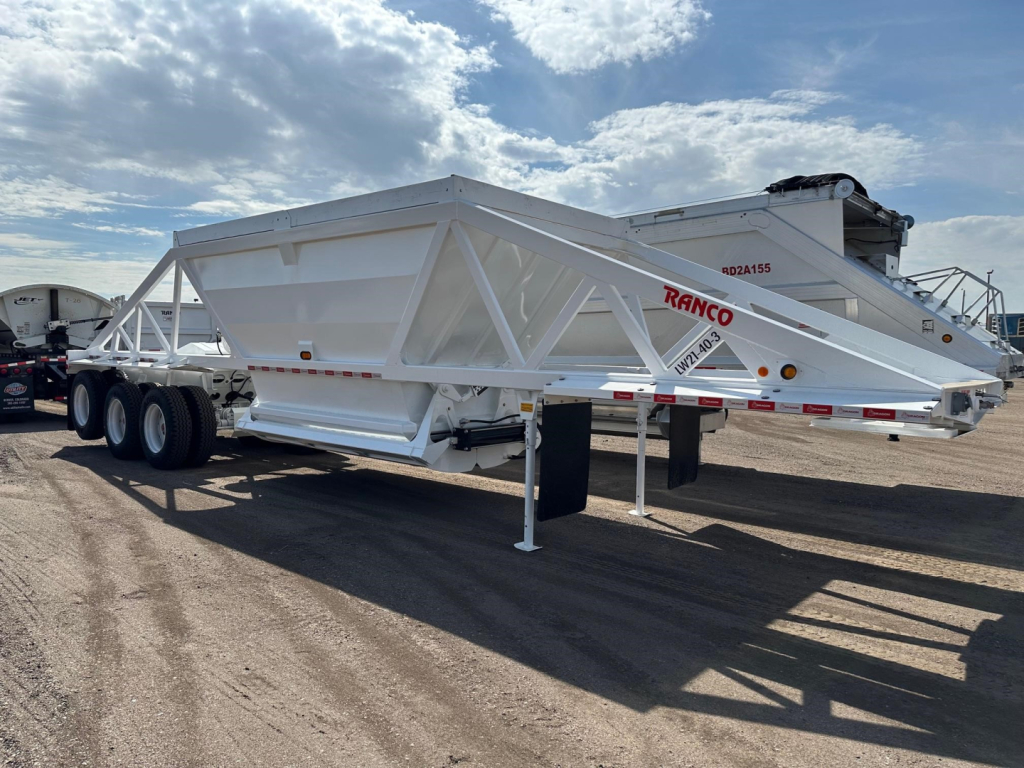
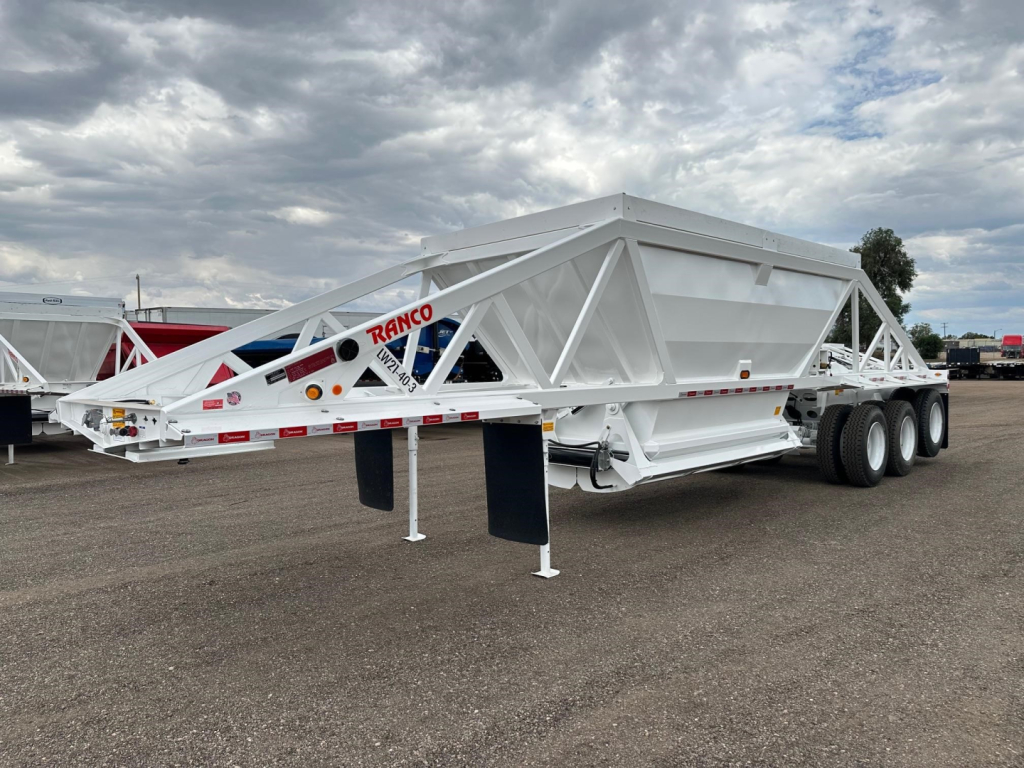
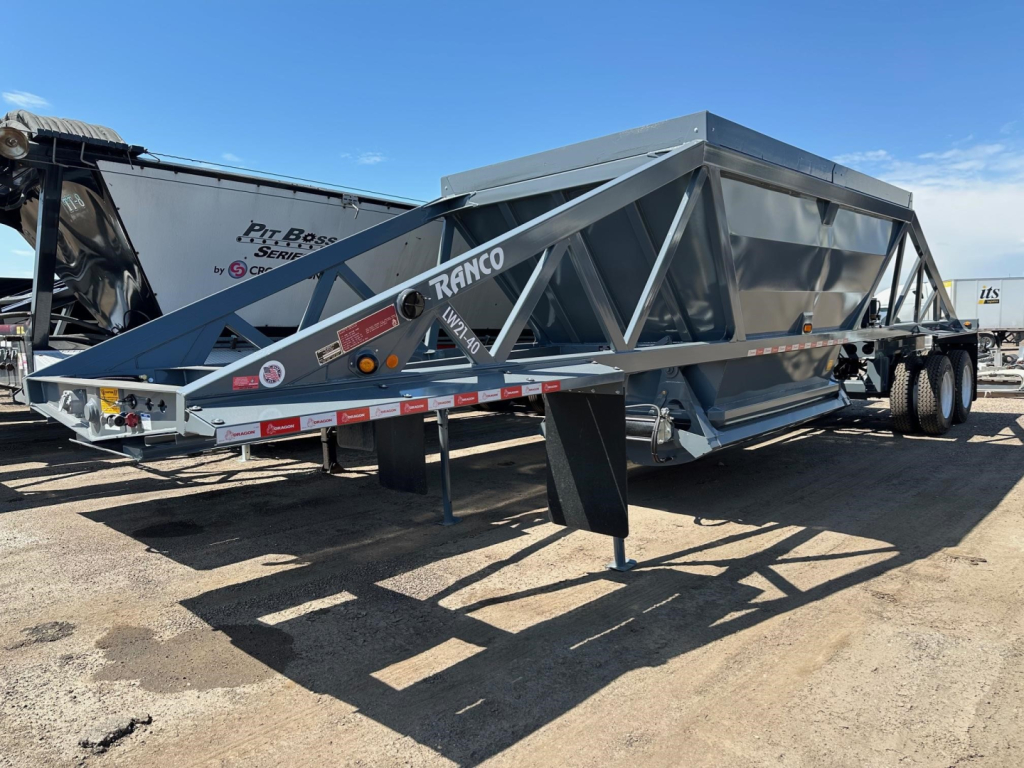
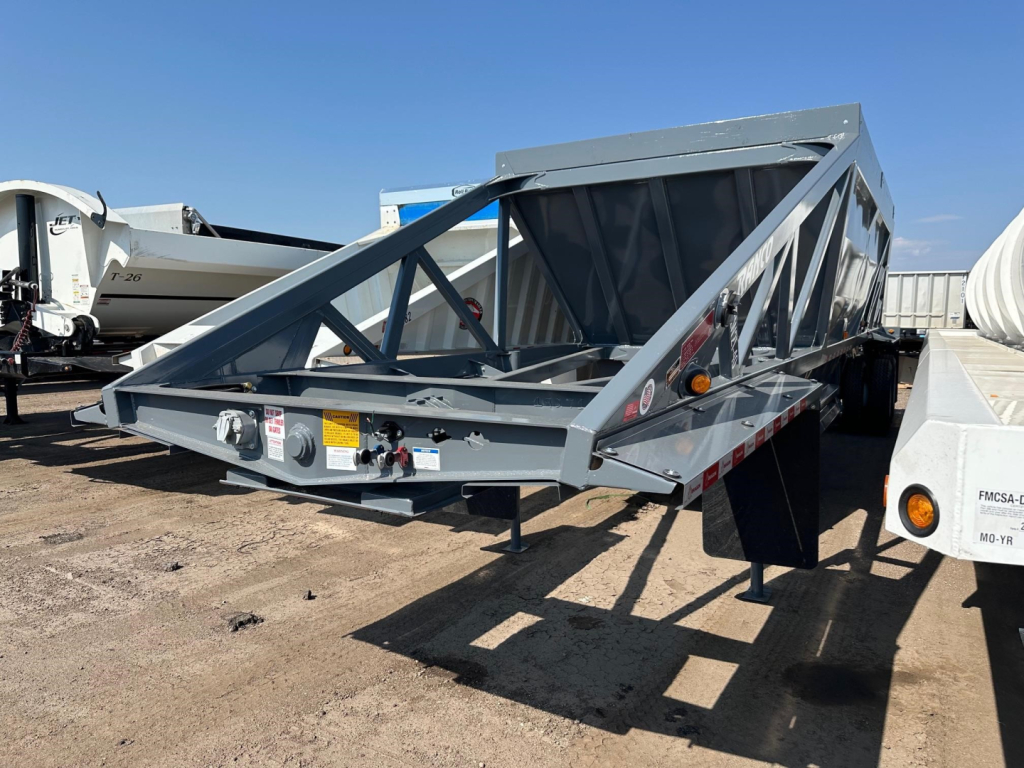
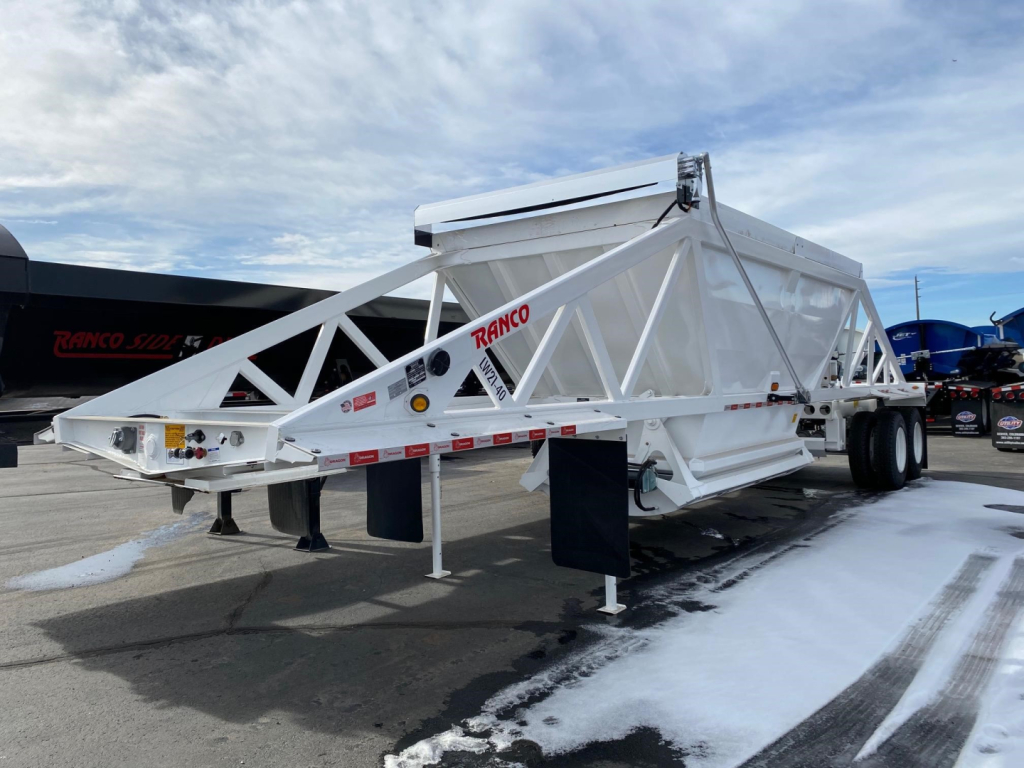
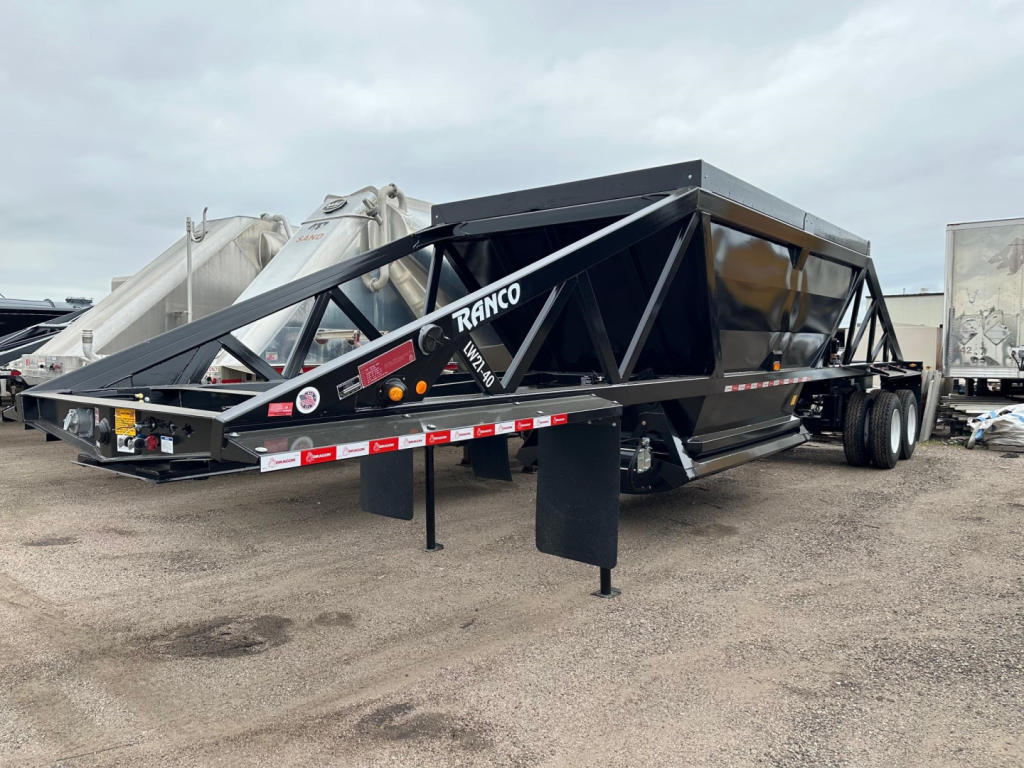
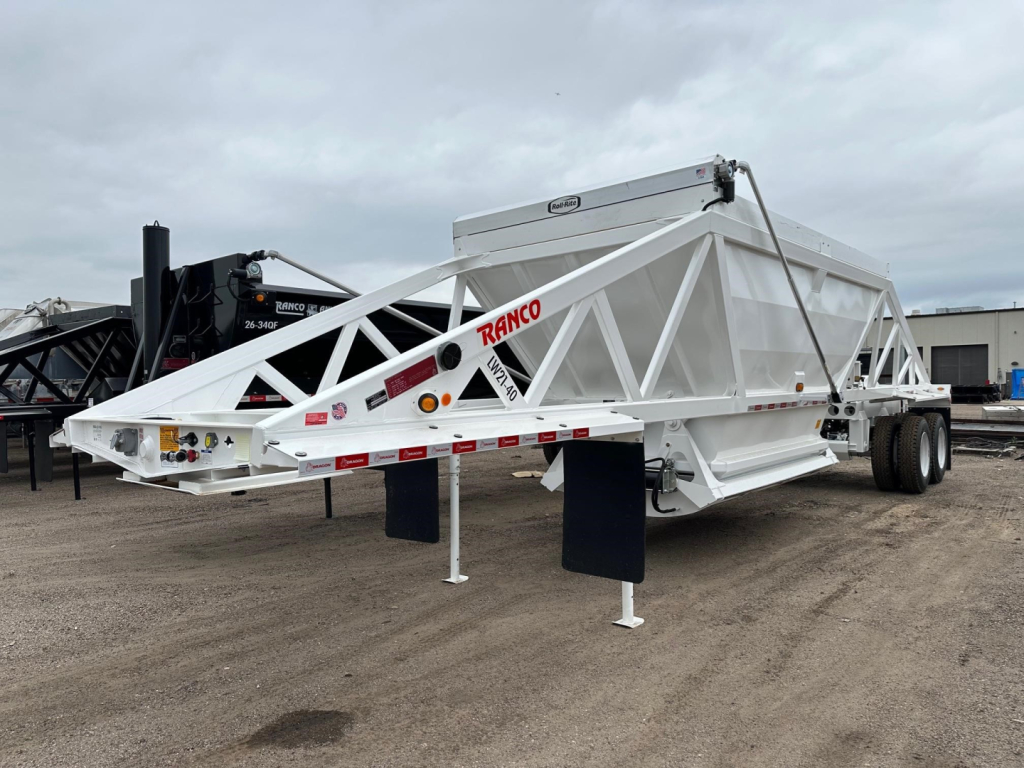
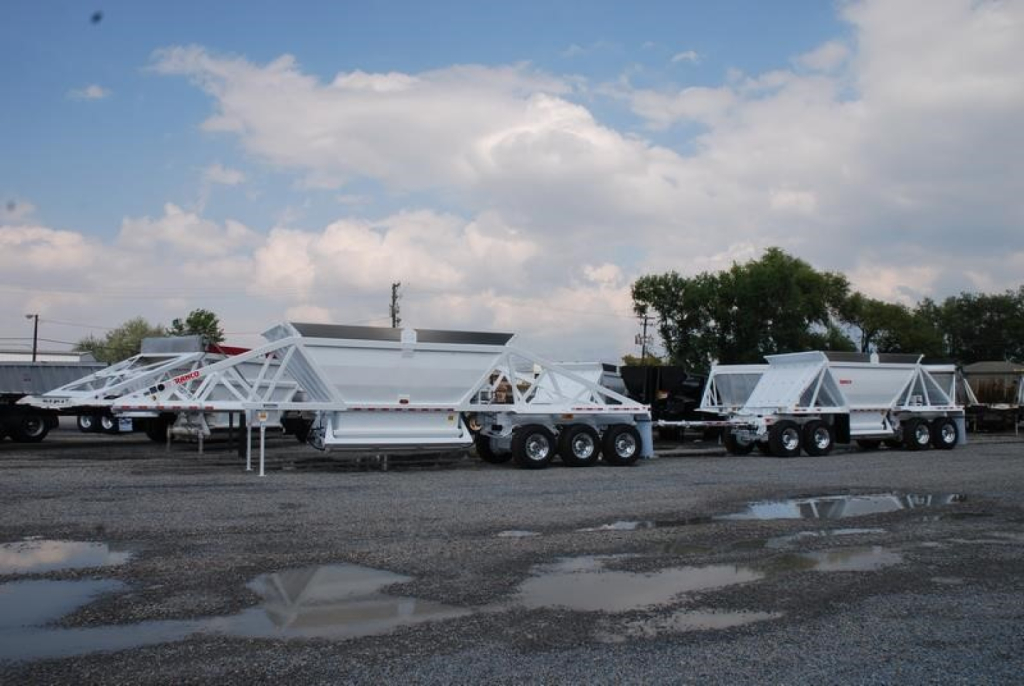
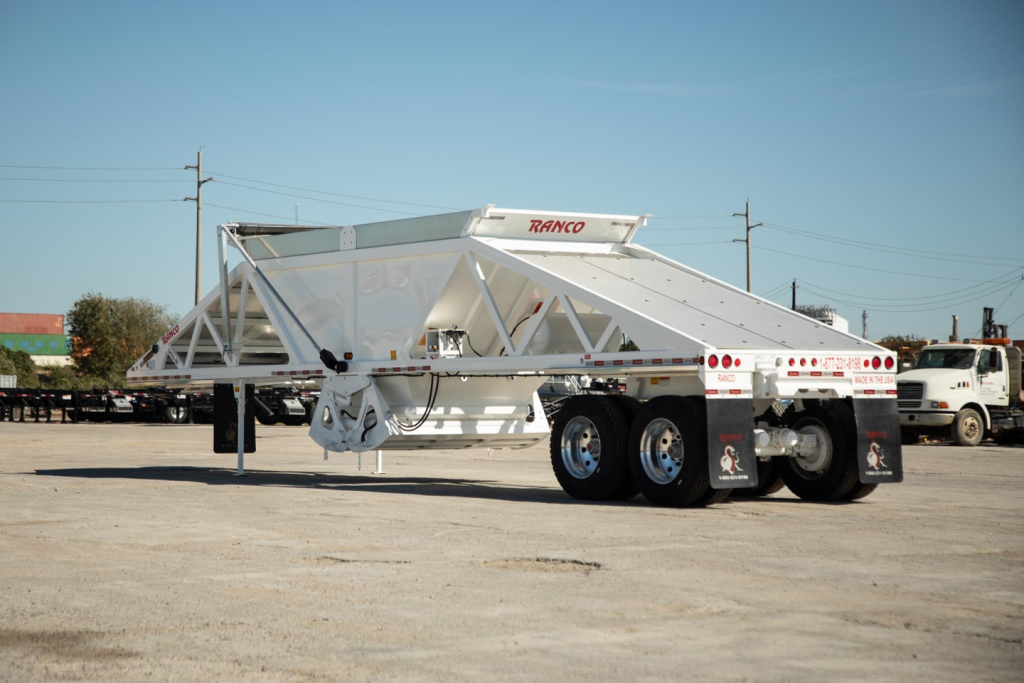
Ranco bottom dump trailers in this class are typically seen in tri-axle 40-foot layouts with capacities around 21 cubic yards, often with a single hopper, Versa valve or similar gate control, pin-setting gate limiters, bang boards, windrow deflectors, and pintle hitch provisions for pulling a pup. For Colorado buyers, that matters because bottom dumps are often selected for paving support, county road work, and aggregate spreading where a clean, consistent discharge pattern is more important than maximum dump angle. Rear lift axles, mixed suspension setups such as single-point on the forward axles and air ride on the rear, and 11R24.5 rubber on steel wheels are all common specs that influence payload distribution, tire wear, bridge compliance, and maneuverability on varying terrain.
When comparing new 2026 Ranco dump trailers, focus on material type, legal payload targets, axle spacing, body construction, and how the trailer unloads in your actual work environment. Steel rock tubs hold up well in severe aggregate service, but body shape, side height, and gate style still affect how quickly material breaks loose and how cleanly the trailer empties. Bottom dumps should be evaluated for gate metering control, hopper design, hitch setup, and whether the trailer needs to integrate with a pup configuration. Buyers operating in mountain grades, soft jobsite conditions, or mixed highway and off-road duty should also pay close attention to suspension design, tarp system durability, and serviceability of wear components. A well-spec'd Ranco dump trailer is less about brand name alone and more about matching tub style, frame design, axle package, and discharge method to the material and route profile.
Frequently Asked Questions about New 2026 Ranco Dump Trailers in Colorado
What is the difference between a Ranco end dump and a Ranco bottom dump?
A Ranco end dump unloads by raising the trailer body and discharging material out the rear gate, which makes it a strong fit for rock, demolition debris, and general bulk material that needs fast full-release unloading. A Ranco bottom dump discharges through gates in the belly of the trailer, which gives the operator more control over spread pattern and material flow. Bottom dumps are commonly used for road base, shoulder material, and paving support because they can lay material in a windrow while moving.
Are frameless or quarter-frame Ranco end dumps better for rock hauling?
Both can be effective in rock service, but they suit different operating preferences. Frameless end dumps are popular when buyers want lower tare weight and high payload efficiency, especially in aggregate hauling. Quarter-frame designs add structural support under the tub and may appeal to fleets working in severe service or preferring a particular dump feel and chassis setup. The right choice depends on haul distance, material density, jobsite conditions, and how aggressively the trailer is loaded and unloaded.
What features matter most on a new bottom dump trailer?
The most important bottom dump features are hopper configuration, gate control system, gate limiters, axle arrangement, and hitch setup. A single hopper versus other layouts affects discharge behavior, while components like a Versa valve and pin-setting gate limiters help control material flow. A pintle hitch with air and electric can be important if the trailer needs to pull a pup. Lift axles, suspension type, and windrow control equipment also matter because they directly affect payload flexibility, spreading accuracy, and roadability.
Why are AR400 steel tubs common on Ranco dump trailers?
AR400 steel is widely used in dump trailer bodies because it offers good abrasion resistance for crushed stone, riprap, demolition material, and other harsh loads. In a rock-spec trailer, tub material has a major effect on body life, dent resistance, and long-term maintenance cost. Buyers hauling abrasive material typically pay close attention to tub thickness, body shape, and wear areas because these factors determine how well the trailer stands up over repeated loading cycles.
What should Colorado buyers pay attention to when spec'ing a dump trailer?
Colorado operations often combine highway miles, steep grades, variable weather, and rough job entrances, so axle configuration and suspension choice deserve close attention. Buyers should also think about tarp reliability in wind, gate operation in cold conditions, and body style for the material being hauled in mountain or Front Range work. Bottom dumps can be especially useful for road and infrastructure projects, while heavy-duty steel end dumps are often preferred for quarry, excavation, and aggregate applications.