
New 2026 Trailers For Sale in Texas
Shop new 2026 trailers for sale in Texas, including dump trailers, lowboys, and heavy-haul models built for demanding work.
Selling a new 2026 trailer? List your new 2026 trailer for sale and reach thousands of commercial buyers.
New 2026 Trailers in Texas
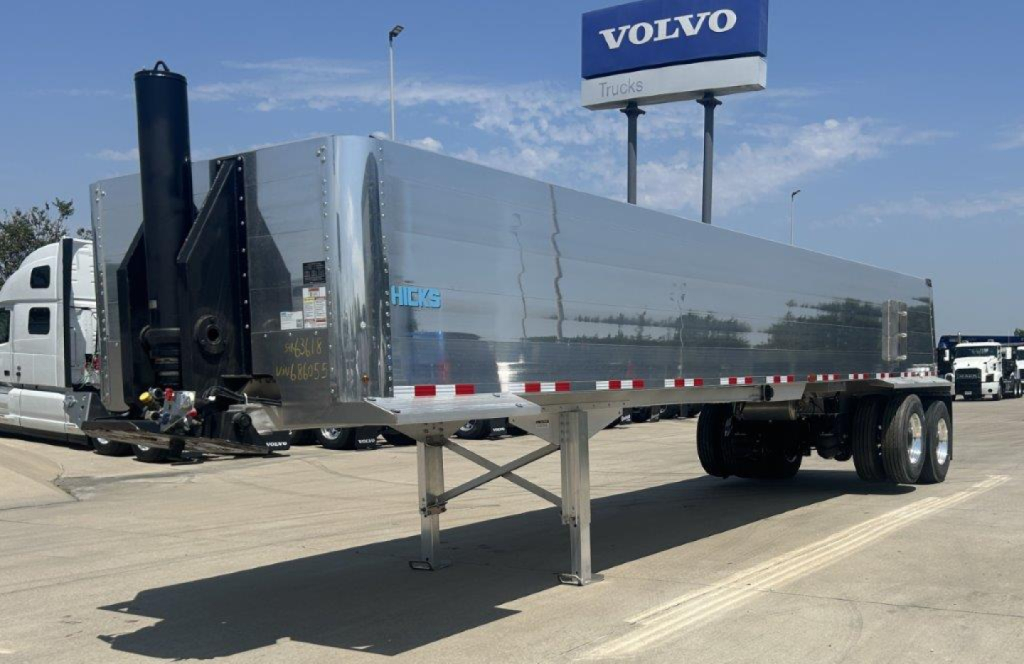
For dump trailers, Texas buyers often look closely at body length, side height, slope sheet configuration, and ride type. Tandem axle 40-foot end dumps are common for aggregate, demolition, road base, asphalt millings, and general construction material. Key details include cubic yard rating, board height, push block design, air tank capacity, quick release valves, fenders, and electric tarp systems. Suspension choice matters because spring ride is simple and durable for rough jobsite use, while other configurations may be preferred where ride quality and material control are priorities. If the trailer will haul sticky material, body design and slope sheets become more important because they affect cleanout and unloading consistency.
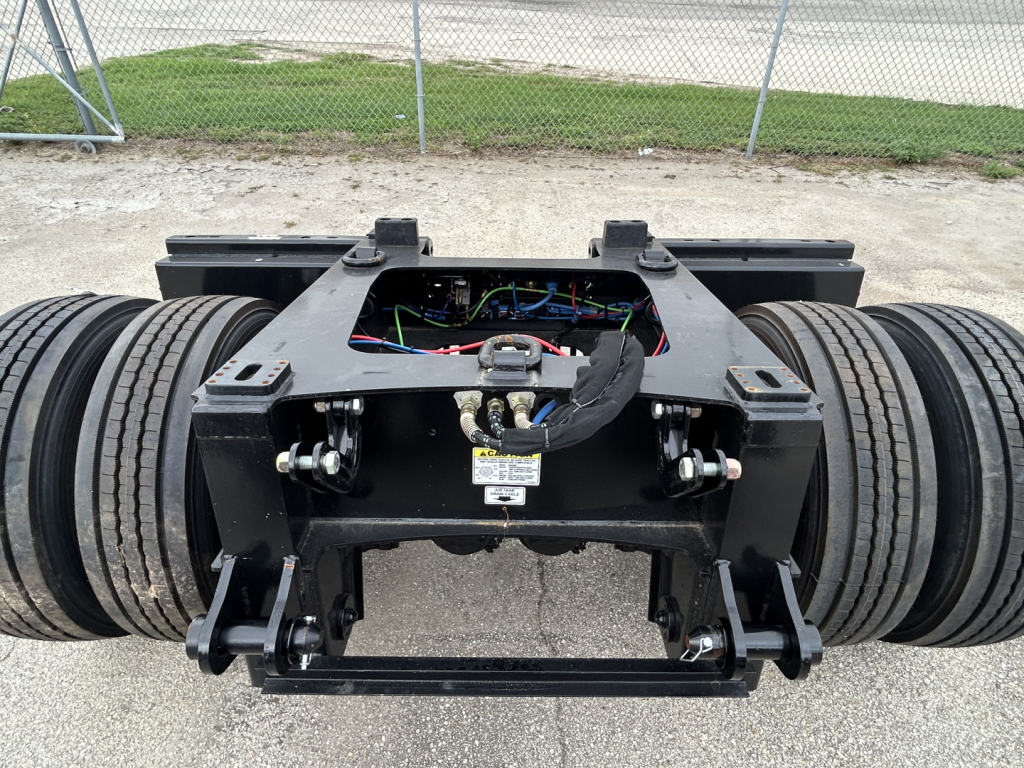
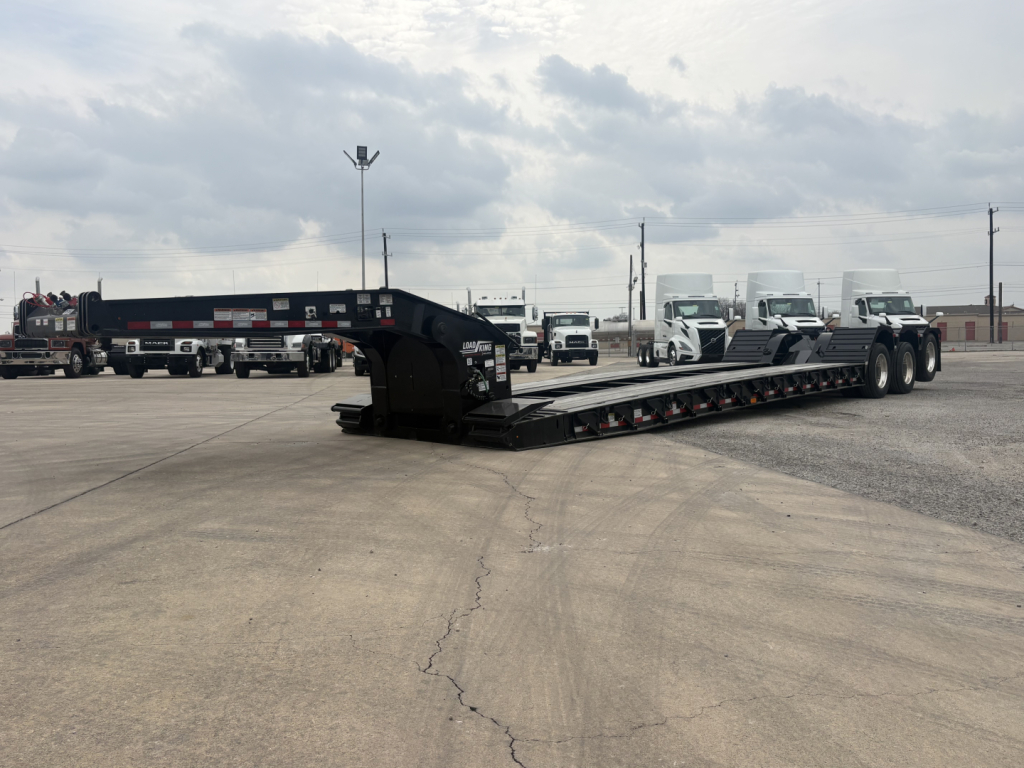
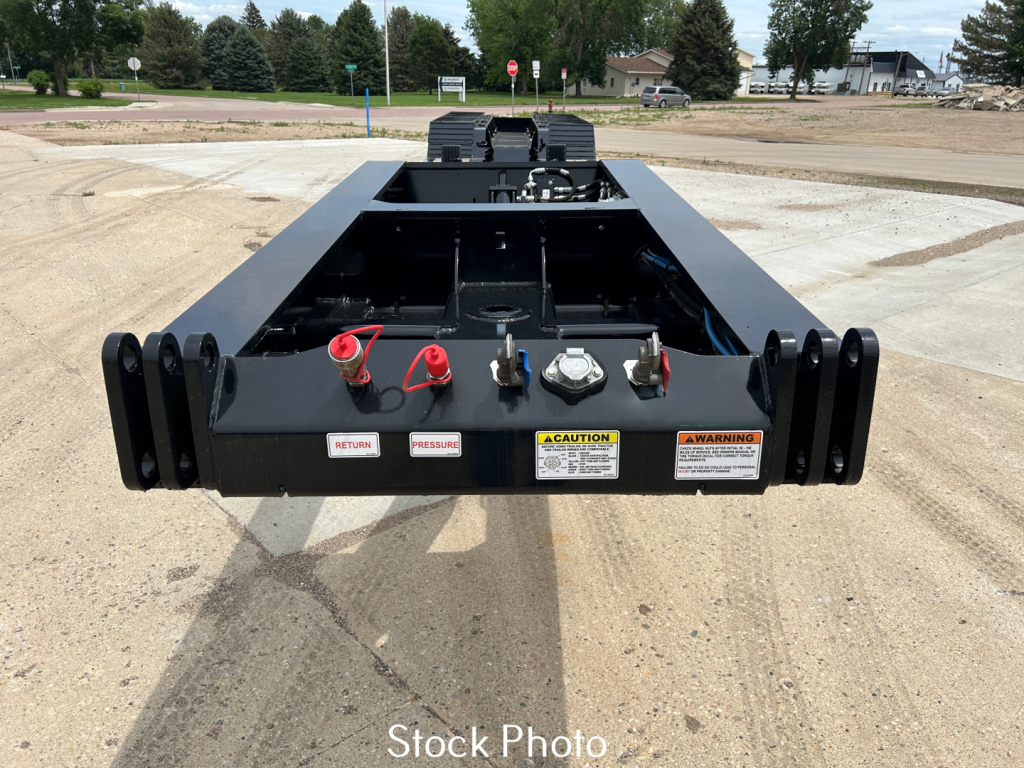
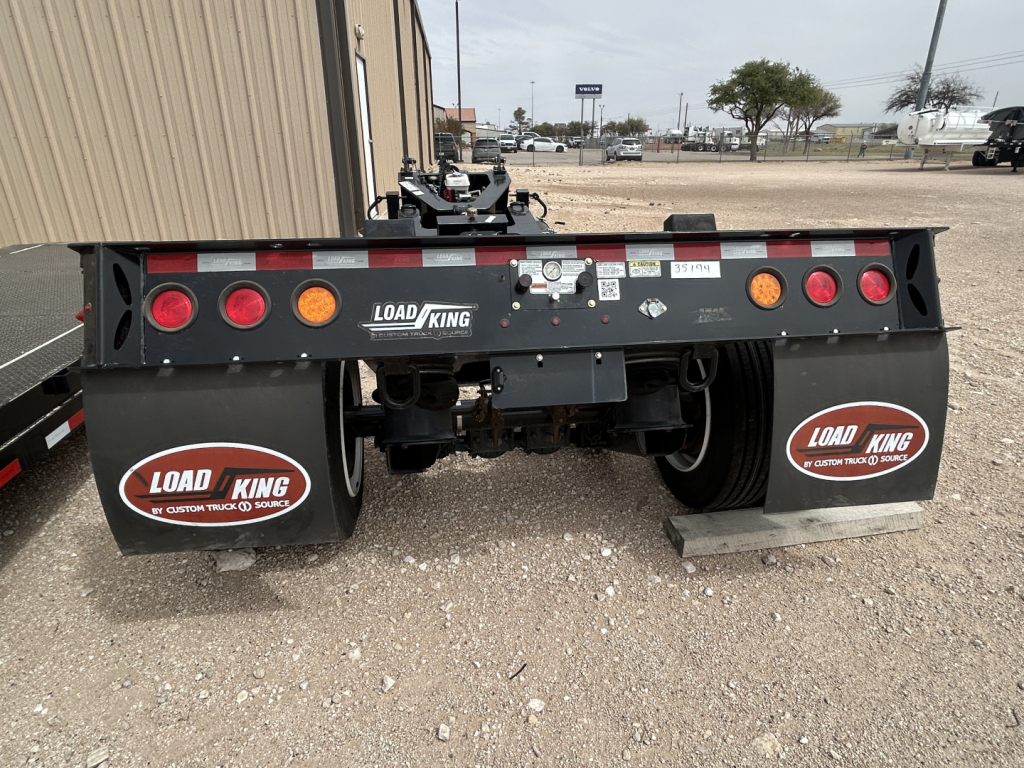
For lowboy trailers, the important questions are capacity in a stated load concentration, loaded deck height, deck length, width, number of axles, and whether the neck is fixed or hydraulic detachable. Heavy-haul buyers in Texas often need to move dozers, excavators, loaders, crushers, and other high-value equipment while staying mindful of bridge laws, permit routing, and oilfield or construction site access. Features such as excavator buckets or backhoe troughs, outriggers, chain slots, D-rings, flip ramps, lift axles, reinforced crossmembers, and future stinger prep can make a major difference in day-to-day usability. Tire size, axle spacing, brake spec, and wheel package also matter because they affect serviceability, legal setup, and operating cost over time.
A strong 2026 trailer spec should match the freight first, then the region, then the truck that will pull it. Texas operations often deal with long highway miles, hot weather, mixed pavement and off-road use, and strict attention to payload efficiency. That makes frame durability, wiring protection, LED lighting, corrosion resistance, deck or body material, and service access worth studying before price alone. Buyers comparing new trailers should pay attention to federal excise tax treatment where applicable, payload versus tare weight, and how the trailer is equipped for the permits, machines, or material types it will handle most often.
Frequently Asked Questions about New 2026 Trailers in Texas
What is the difference between a dump trailer and a lowboy trailer?
A dump trailer is designed to haul and unload loose material such as gravel, sand, asphalt, or demolition debris by raising the body and discharging the load. A lowboy trailer is designed to carry heavy equipment and other tall or concentrated loads on a very low deck to help meet height and weight requirements. The right choice depends on whether the primary job is bulk material hauling or equipment transport.
What specs matter most when buying a new lowboy trailer in Texas?
The most important lowboy specs are rated capacity in load concentration, neck style, deck length, loaded deck height, axle count, axle spacing, and legal width. Texas buyers should also look at lift axles, flip ramps, bucket well or excavator notch options, tie-down package, tire and brake specifications, and any permit-related considerations tied to the loads they move. These details affect both legal compliance and how efficiently the trailer works in the field.
What should I look for in a new dump trailer?
Focus first on body length, cubic yard capacity, side height, liner or slope sheet setup, suspension, and hoist or dump design. Then review tarp system, fender construction, air system details, push block arrangement, wheel package, and how easily the trailer will clean out with the materials you haul most. A dump trailer that is well matched to material density and jobsite conditions will usually perform better than one chosen mainly by price or advertised capacity.
Are spring ride trailers a good choice for Texas work?
Spring ride trailers remain a common choice for Texas construction and aggregate work because they are durable, straightforward to maintain, and well suited to rough jobsite conditions. They can be a practical option for fleets that prioritize simplicity and uptime. The tradeoff is that ride characteristics differ from other suspension types, so the best choice depends on cargo sensitivity, terrain, and operating cycle.
Why does loaded deck height matter on a lowboy trailer?
Loaded deck height affects overall legal height, loading angle, machine stability, and the types of equipment the trailer can transport without special complications. A lower deck can help keep taller machines under route limits, which is especially important when hauling excavators, loaders, or other equipment with significant cab or boom height. It also influences ground clearance and approach geometry, so it should be evaluated alongside the neck design and the jobsite environment.